




A different look at school operations
Transportation veteran Jim Beekman says he sees a paradigm shift that is vital: one that identifies cost per program so decisions use a base of data to support objectives, not just the old methodology of “sounds good to me.”
Author Jim Beekman says that the goal of school district support services, including transportation, is to “ensure barriers do not exist in the education of a child.”
Author Jim Beekman says that the goal of school district support services, including transportation, is to “ensure barriers do not exist in the education of a child.”
Year after year, school operations professionals work hard at stretching available dollars to meet the needs of the variety of programs within their school district.
As each new initiative is introduced, strains are placed on existing capacity to provide service. Transportation is required to expand boundaries, challenging its key performance indicators (KPIs) on ride time, seat utilization and on-time arrival rate to fall within acceptable parameters.
Breakfast participation rate, an integral KPI for food service, carries much of its success on the shoulders of transportation’s on-time arrival rate. On-time arrival rate is dependent in part on procurement’s KPI of strategic sourcing ratio. Simply put, strategic sourcing is organized agency buying that directly affects the available contracts for goods and services — i.e., items under contract are readily accessible, while others are not.
We are not naïve to the fact that we are support services; our goal is to ensure barriers do not exist in the education of a child. I have spoken to several districts whose personnel do not see a value in KPIs. Data is not the absolute end-all, but after 30-plus years in public education, I simply cannot see how we can function without it.
How refreshing it would be to build a business case for all programs, looking at a return on investment (ROI) for initiatives within public education. For-profit companies look at ROI in every business decision — why shouldn’t we?
Our returns are graduation rates, drop-out prevention rates and academic gains. If we looked at an ROI on the programs we provide in these terms, how many would we keep and how many would we discard? How many would we replicate that would reduce costs and increase student achievement?
I see a paradigm shift that is vital: one that identifies cost per program so decisions use a base of data to support goals and objectives, not just the old methodology of “sounds good to me.”

Jim Beekman is general manager of transportation at Hillsborough County Public Schools in Tampa, Florida.
To many, this way of thinking is a threat because it is a change of culture — not only in our way of work, but in that we now have to develop business plans to achieve strategic goals within the organization.
To my colleagues in education who have been called upon to be change agents in our field, I am excited for you and what the future holds. Change can bring renewed spirit, greater insight and a new perspective that can be contagious and exciting. I wish you all well.
More Blog Posts
The Sound of Summer Starting [Guest Editorial]
That unmistakable school bus rumble? It carries childhood memories, community routines, and a whole lot of unseen work behind the scenes.
Read More →
The Technology Power Combo That Enables EV Charging on Difficult Sites
As the pace of fleet electrification increases and charging infrastructure continues to pose challenges, many fleets find themselves puzzling over the question: how do I install charging infrastructure faster and more cost-efficiently?
Read More →
Trip Sheet: Farewell, Faithful Readers – Keep on Rolling
Executive Editor Wes Platt offers parting thoughts as he parks the School Bus Fleet bus to focus on ultra-local community journalism, making way for someone else to take the wheel as the pupil transportation industry continues to evolve.
Read More →
Trip Sheet: School Transportation Pros Can Champion Children's Mental Health
Children's Mental Health Awareness Day underscores the significance of school bus drivers in fostering supportive environments during students' journeys. SAMHSA's initiatives, including stigma reduction and access to resources, complement the Biden-Harris administration's funding efforts to enhance youth mental health services and workforce development.
Read More →
Trip Sheet: Is It Time for Daylight Saving Time to Clock Out?
How do you think the potential shift to permanent Daylight Saving Time or standard time would impact our daily lives and routines, especially considering the divided approach across various states?
Read More →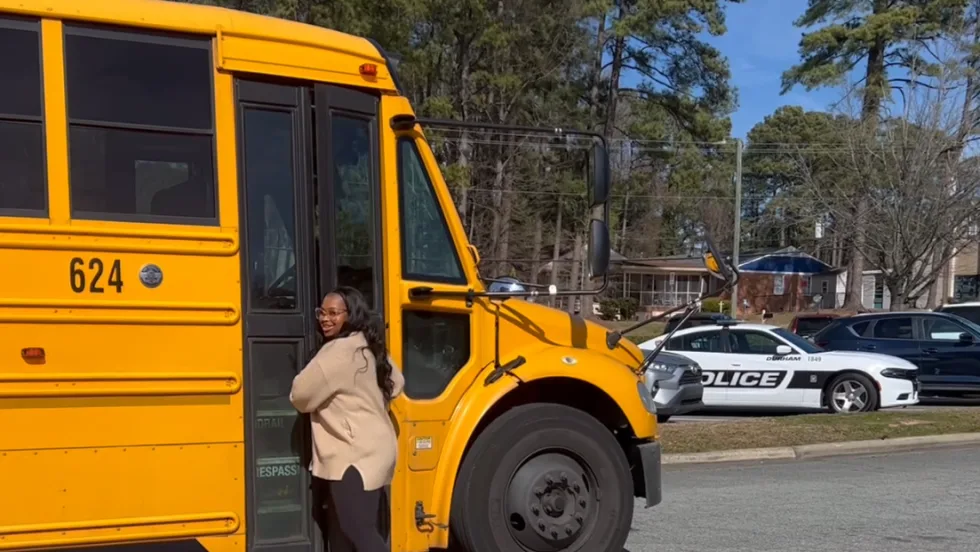
Trip Sheet: Meeting a Hero in My Own Back Yard
I remain impressed by the matter-of-fact heroism that’s often demonstrated by school bus drivers like Deona Washington who are caught in these situations where the best of us might lose our cool and panic. But, then again, bus drivers are a unique breed.
Read More →
Trip Sheet: 3 Takeaways from the EPA Clean School Bus Grant Program
Most applicants sought grant funding to acquire electric school buses, with propane coming in a distant second. No one indicated plans to purchase compressed natural gas (CNG) buses in this round. That’s not terribly surprising, I suppose, given how few school districts listed the inclusion of CNG buses in their fleets for our 2023 top district fleets survey.
Read More →
Trip Sheet: Let's Get Rolling: What's Coming in 2024?
Calendar pages keep flipping toward the mandates set in states like New York and California to transition their school bus fleets from diesel to zero-emission, but there’s plenty of reluctance and pushback.
Read More →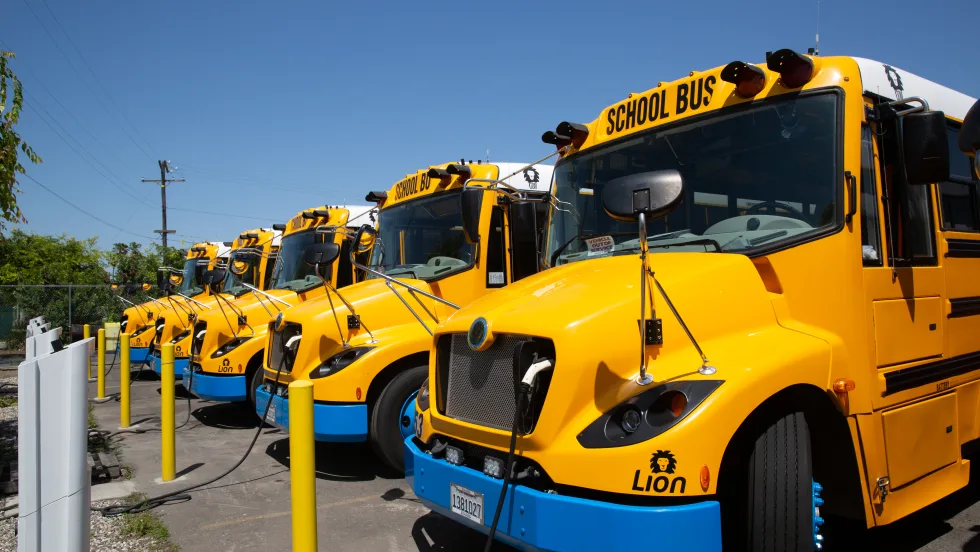
California School Children Ride in Green School Buses
Today, California prides itself on utilizing the most zero-emission (ZE) school buses in the country with over 1,689 being used by California school districts; and while the state is on a positive health trajectory thanks to a decree to eliminate gas and diesel vehicles, more work needs to be done to improve children’s well-being.
Read More →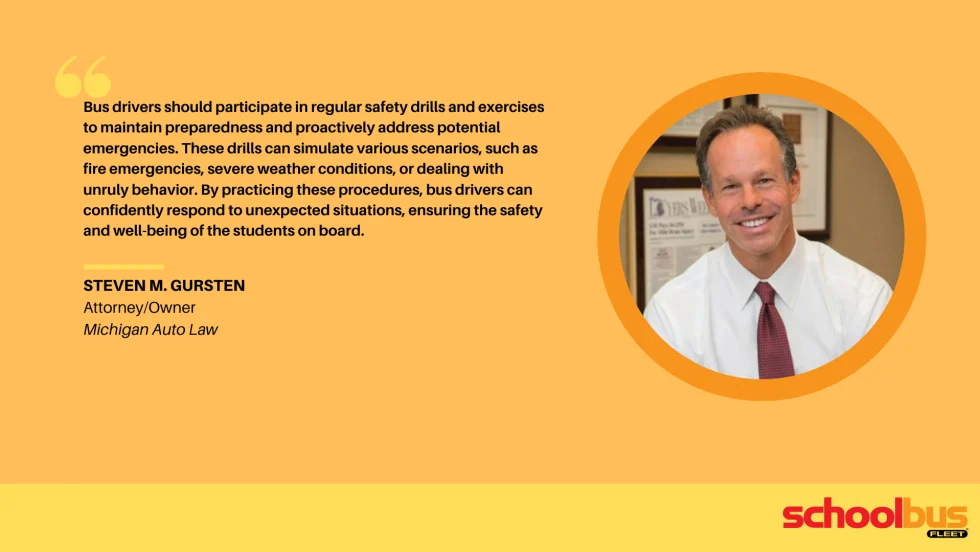
Behind The Wheel of Childrens’ Safety Aboard the School Bus
Bus drivers are the primary caretakers of children during their commute and thus bear responsibility for their safety. By prioritizing proper operating procedures, maintenance checks, and additional precautions, drivers can help avoid the loss of precious young lives under their care.
Read More →