



3 Steps for Cleaning, Disinfecting Interior School Bus Surfaces
Failing to properly treat high‐touch surfaces on the bus can place passengers and drivers at risk. The following three tips follow protocols used by hospitals to prevent the spread of harmful bacteria and viruses.
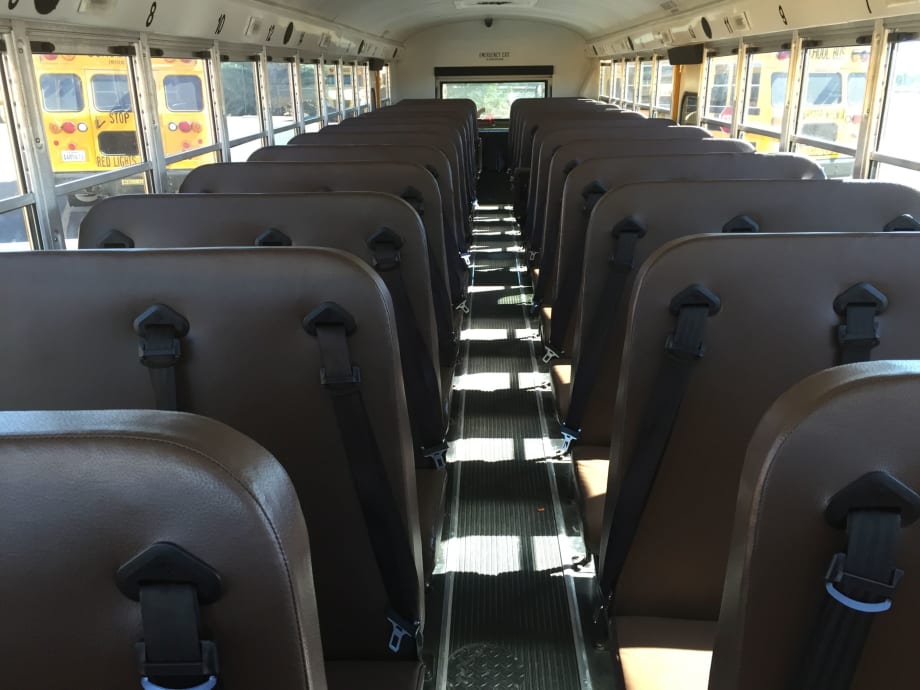
Failing to properly treat high‐touch surfaces on the bus can place passengers and drivers at risk. The following three tips follow protocols used by leading hospitals.
File photo courtesy Elk Grove (Calif.) Unified School District
During the pandemic, schools that went back to in‐person learning have been striving to do an excellent job of making sure education environments are properly cleaned and disinfected to prevent the spread of harmful pathogens and bacteria. However, what many people do not consider is the cleanliness of the various modes of transportation that are taking students to and from school, be it a bus, van, or other form of transportation. And with the Delta variant of COVID-19 increasing in many parts of the country, it needs to be stressed that school buses that are not properly cleaned and disinfected can act as the catalyst to infection for pathogens beyond COVID‐19.
The American School Bus Council estimates just under 500,000 school buses are carrying 25 million American schoolchildren each day. It’s the largest form of public transportation in the country.
If school buses are contaminated with germs, SARS‐CoV‐2, cold, flu, norovirus, strep, or MRSA (staph), just to name a few, they can be a carrier for transmission. If students touch those surfaces, the pathogens on those surfaces may collect on their hands and then be transferred to their mouths, nose, or eyes, handrails, door handles, desks, restroom fixtures, and just about any commonly‐touched surface in the school. This can become a significant issue as they exit the bus and enter the building. Along with hand hygiene, disinfection of some bus surfaces can help.
Properly cleaning and disinfecting high‐touch school bus surfaces is not incredibly difficult, but if you fail to do it properly, for example, not following a manufacturer’s directions on the amount of time needed for the solution to be on a surface before wiping it off (contact time), it could be ineffectual and ultimately place passengers and drivers at risk. By implementing the following steps there is no reason that high‐touch surfaces in school buses cannot be as clean as those protocols adopted by leading hospitals.
Step 1: Getting Started
Gather the cleaning/disinfecting supplies and the equipment needed to do the job. If the cleaning/disinfecting solution requires dilution, closely follow the manufacturer’s instructions. As part of the preparation, thoroughly wash hands and put on personal protective equipment, such as fluid-resistant gloves and face protection (if required). This is important as some products can negatively impact users through prolonged exposure. Once the solution is properly prepared, inspect the inside of the bus and make notes on any issues discovered, such as broken windows, torn seats, soiled floors, etc.
Step 2: Clean and Disinfect the Interior Surfaces
Use a broom to remove any freestanding trash from the floor areas. Starting at the back of the bus, sweep or vacuum underneath the seats, down the aisle, the driver’s cockpit area and steps. Use a hand brush to get into difficult to reach corners and under seats as needed. Next, dispose of swept‐up trash and empty any interior waste receptacles. From there, remove any gum or sticky substances throughout the bus using a proper gum removal product.
When cleaning, it is recommended to clean from high to low; clean the less soiled areas first, then move to more soiled areas (clean to dirty). High‐to‐low makes sure that anything that falls from a higher level, is picked up at that lower level. Clean to dirty preserves the cleaning cloth slightly longer. If using a dilutable product, the cleaning cloth should never be re‐dipped into the solution, as this can contaminate to the solution. Make sure all solutions are used according to the manufacturers’ directions for contact time and proper dilution. If using an EPA‐registered one‐step cleaner/disinfectant, wipe all of the surfaces that hands touch, which helps to reduce the spread of germs. This includes seats, seat belts, windows/window frames, door handles, handrails/poles, steering wheel, driver’s dashboard/mirrors, etc. If the wipe is very dirty after wiping a surface, repeat the wiping step, as the first cloth was the cleaning step, the second cloth will be the disinfection step. If the surfaces are not visibly soiled, then you can clean and disinfect in one simple step.
If using a spray and wipe method, starting at the back of the bus, spray the disinfectant on seats (front, back, and top), wall spaces below window height, handrails, and all driver’s cockpit surfaces. Then, wipe any previously sprayed surface that has visible soil. This is the cleaning step. If surfaces were visibly soiled, they are now cleaned. You should return to the back of the bus and respray all areas listed in the previous step. Allow surfaces to remain wet for the dwell time stated on the product label. Wipe or let air dry, according to the label instructions, if surfaces are still wet after the dwell time.
Use a glass cleaner to clean interior windows. If they were showing evidence of possible contamination (fingerprints, soiling), use the one‐step cleaner/disinfectant as above, then use the glass cleaner to remove any disinfectant residue for a shiny window.
In the final cleaning phase, damp mop the transportation interior’s floor and allow for the floor to air dry. Use a good neutral cleaner on the bus floor, with a single mop head so the cleaning solution does not get contaminated. If disinfecting the floor as well, follow the procedures based on the product’s instructions.
Step 3: Finishing Up
Once the steps above are completed, remove gloves, and thoroughly wash hands again to ensure no residual cleaning residue is left on the skin. Inspect the completed work, complete checklist as required and report any issues to the supervisor. Lastly, transport all collected waste (including used cloths) to the collection area, such as a waste bin or laundry bin.
Adjunct technology such as electrostatic sprayers or ultraviolet‐C devices can be used at this point as an insurance that no surfaces were missed. Both of these systems are used on cleaned and disinfected surfaces.
By following these three steps, school buses can be made as pathogen-free as that of today’s top‐rated hospitals.

Jim Gauthier is the senior clinical advisor for Infection Prevention at Diversey, a provider of sustainable cleaning, sanitation, and hygiene products.
Photo courtesy Diversey
More Blog Posts

The Sound of Summer Starting [Guest Editorial]
That unmistakable school bus rumble? It carries childhood memories, community routines, and a whole lot of unseen work behind the scenes.
Read More →
The Technology Power Combo That Enables EV Charging on Difficult Sites
As the pace of fleet electrification increases and charging infrastructure continues to pose challenges, many fleets find themselves puzzling over the question: how do I install charging infrastructure faster and more cost-efficiently?
Read More →
Trip Sheet: Farewell, Faithful Readers – Keep on Rolling
Executive Editor Wes Platt offers parting thoughts as he parks the School Bus Fleet bus to focus on ultra-local community journalism, making way for someone else to take the wheel as the pupil transportation industry continues to evolve.
Read More →
Trip Sheet: School Transportation Pros Can Champion Children's Mental Health
Children's Mental Health Awareness Day underscores the significance of school bus drivers in fostering supportive environments during students' journeys. SAMHSA's initiatives, including stigma reduction and access to resources, complement the Biden-Harris administration's funding efforts to enhance youth mental health services and workforce development.
Read More →
Trip Sheet: Is It Time for Daylight Saving Time to Clock Out?
How do you think the potential shift to permanent Daylight Saving Time or standard time would impact our daily lives and routines, especially considering the divided approach across various states?
Read More →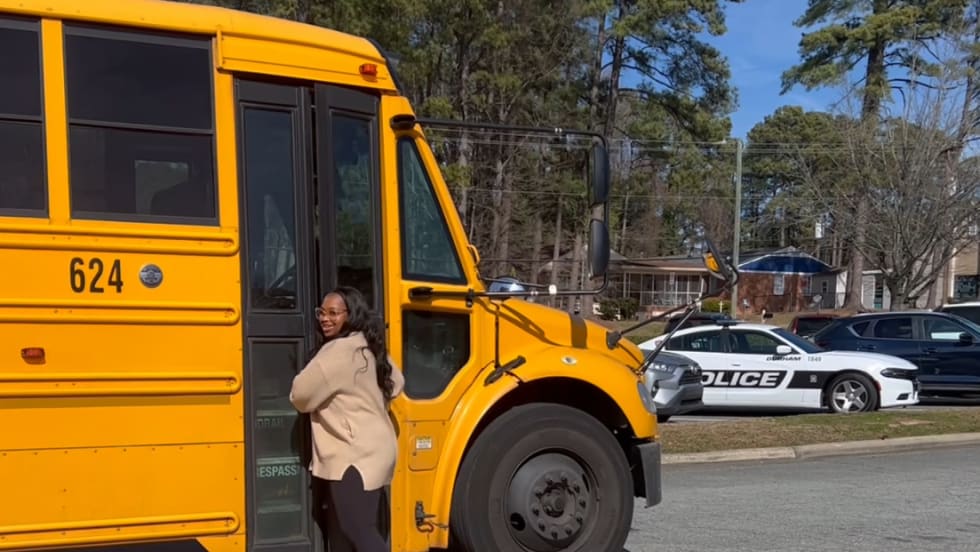
Trip Sheet: Meeting a Hero in My Own Back Yard
I remain impressed by the matter-of-fact heroism that’s often demonstrated by school bus drivers like Deona Washington who are caught in these situations where the best of us might lose our cool and panic. But, then again, bus drivers are a unique breed.
Read More →
Trip Sheet: 3 Takeaways from the EPA Clean School Bus Grant Program
Most applicants sought grant funding to acquire electric school buses, with propane coming in a distant second. No one indicated plans to purchase compressed natural gas (CNG) buses in this round. That’s not terribly surprising, I suppose, given how few school districts listed the inclusion of CNG buses in their fleets for our 2023 top district fleets survey.
Read More →
Trip Sheet: Let's Get Rolling: What's Coming in 2024?
Calendar pages keep flipping toward the mandates set in states like New York and California to transition their school bus fleets from diesel to zero-emission, but there’s plenty of reluctance and pushback.
Read More →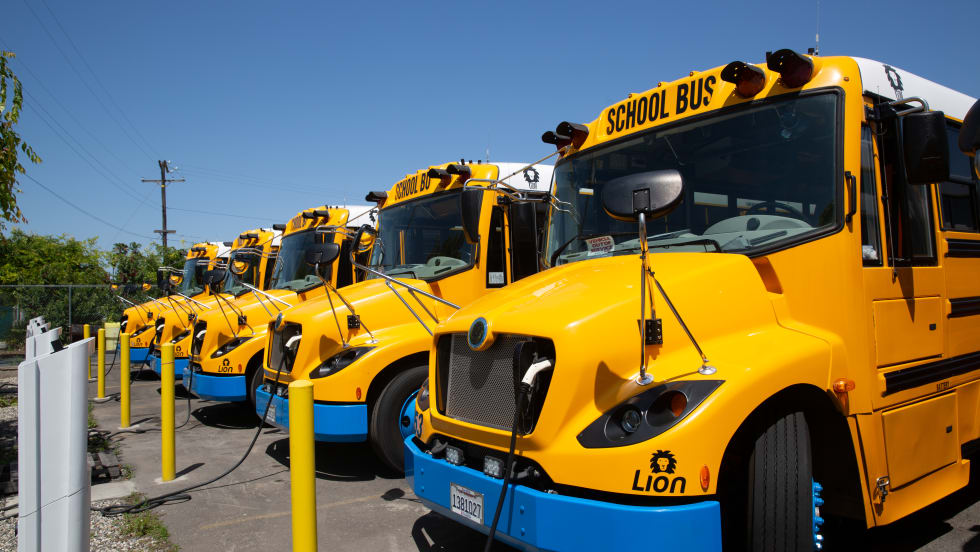
California School Children Ride in Green School Buses
Today, California prides itself on utilizing the most zero-emission (ZE) school buses in the country with over 1,689 being used by California school districts; and while the state is on a positive health trajectory thanks to a decree to eliminate gas and diesel vehicles, more work needs to be done to improve children’s well-being.
Read More →
Behind The Wheel of Childrens’ Safety Aboard the School Bus
Bus drivers are the primary caretakers of children during their commute and thus bear responsibility for their safety. By prioritizing proper operating procedures, maintenance checks, and additional precautions, drivers can help avoid the loss of precious young lives under their care.
Read More →