


 MENU
MENU SEARCHMENUSEARCH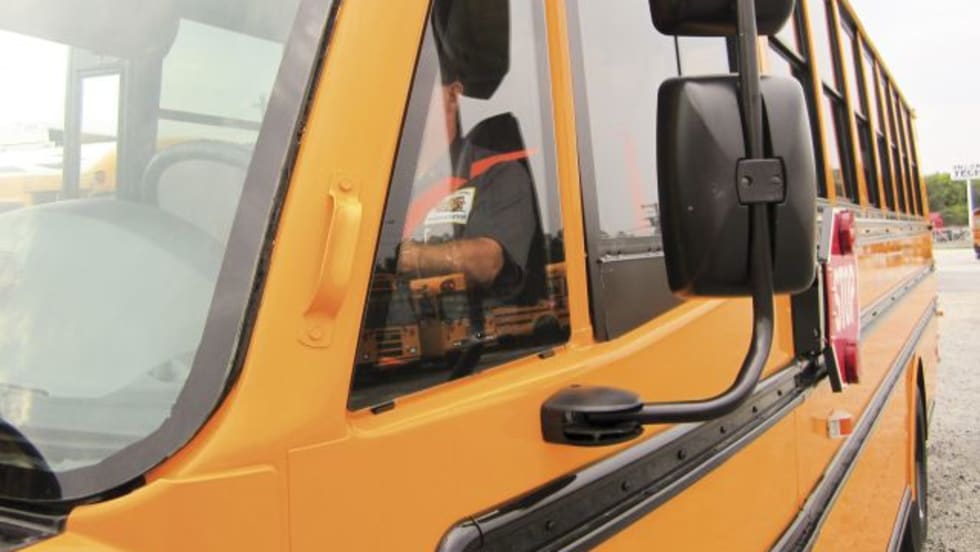
State pupil transportation directors discuss their states’ school bus specs and procedures that stand out, from fluorescent driver seat belts to buffer zones at the back of the bus.
Read More →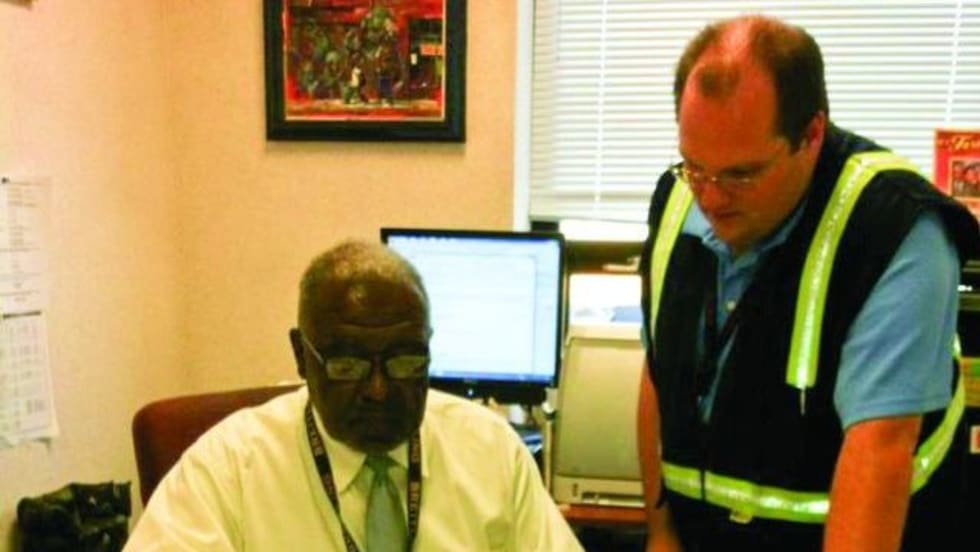
To ensure students’ safety, transportation managers must implement a procedure for this effort that includes scheduled onsite reviews and a means to efficiently communicate the hazards to staff. School bus drivers, local and state police, and local emergency operations centers should be involved.
Read More →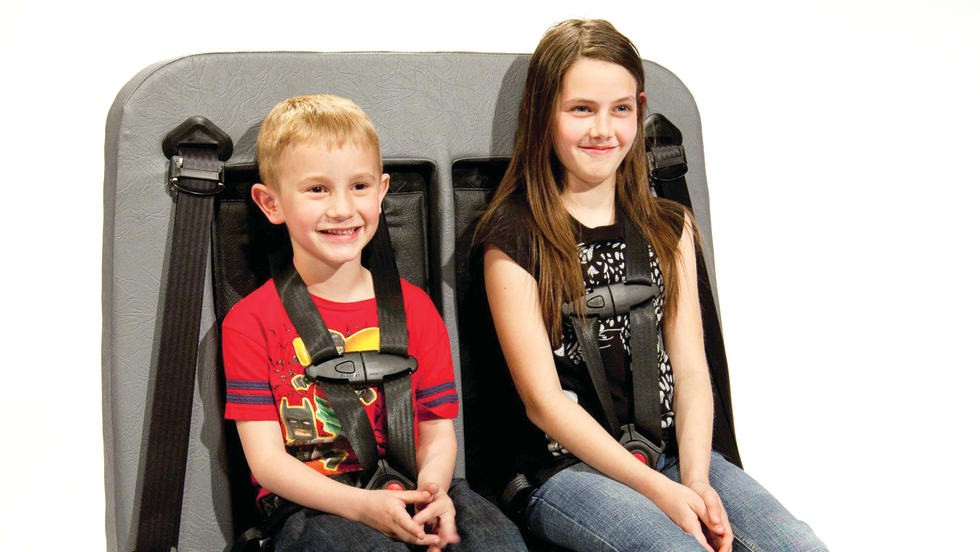
As the prevalence of lap-shoulder belts in buses grows, it is important for operations to consider the type of students they are transporting and the ability to upgrade to meet future safety standards before selecting a belt system.
Read More →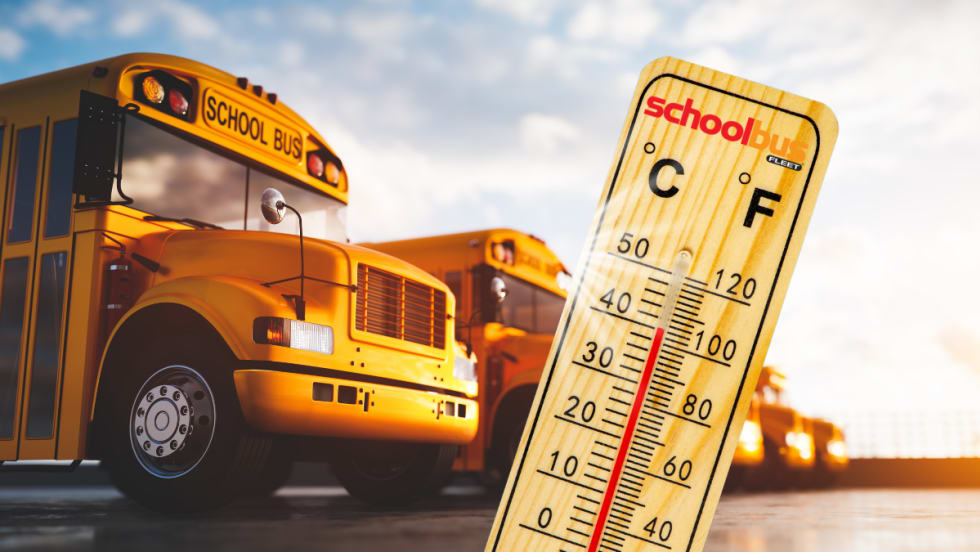
More than 60% of school bus production is tied to deliveries that will occur during about 25% of the year.
Read More →
Are there some functions that only you know how to perform but that you could teach other members of your staff? What do you hope to achieve before summer suddenly rolls around again?
Read More →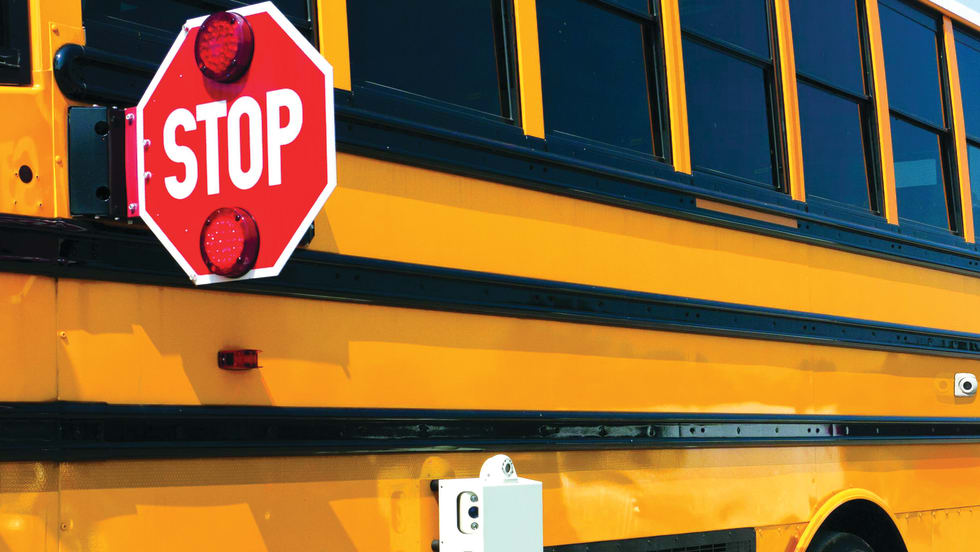
In light of the growing trend to install exterior cameras on school buses to help capture and deter illegal passing, American Traffic Solutions and AngelTrax partnered to create CrossingGuard. The progressive system can capture footage and process violations automatically, without driver interaction.
Read More →
Don Ross of the School District of Manatee County (Fla.) discusses the problem of distracted driving and the impact it has had on his school district. Since January 2012, the district has experienced nine accidents involving other vehicles running into its school buses.
Read More →NAPT's executive director explains his mixed emotions about Karen Klein, the school bus monitor who endured vulgar verbal abuse from a group of foul-mouthed, ill-mannered children on a school bus.
Read More →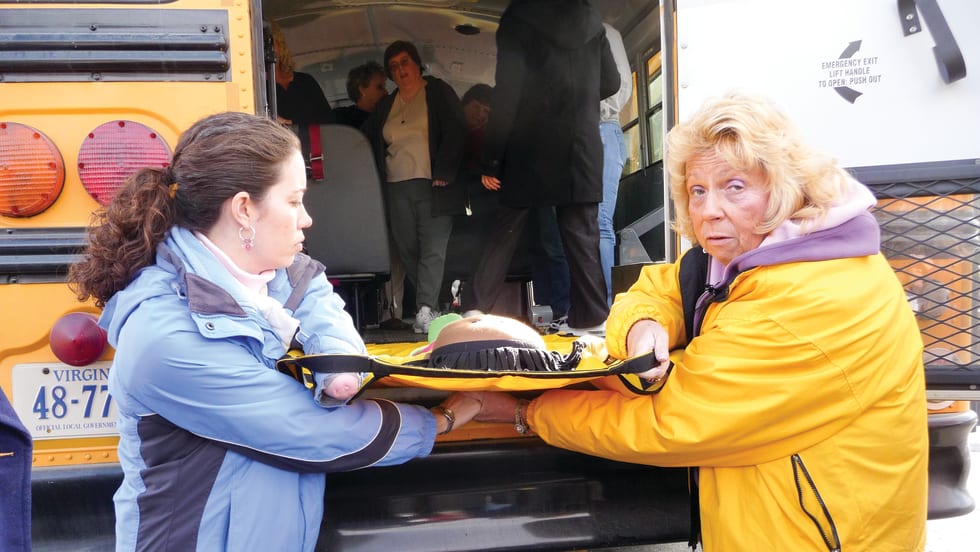
From providing information on disabilities and how they will impact the school bus ride to offering tips for proper wheelchair securement and evacuations, these individuals can greatly assist in safely transporting special-needs students. In the new school year, they should be involved in planning and training sessions.
Read More →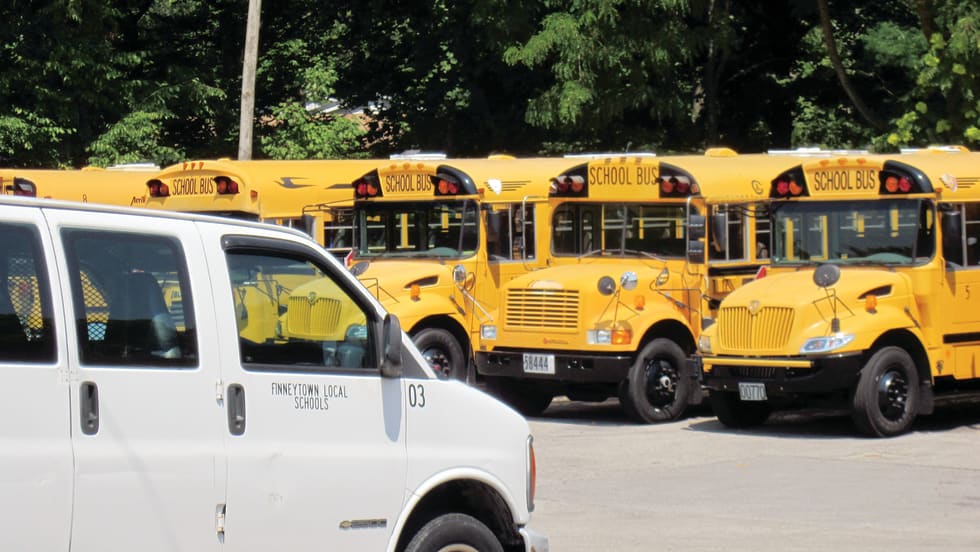
Winton Woods City School District and Finneytown Local School District in Cincinnati share their transportation services, including buses, routes and fueling stations. In sharing special-education service alone, the operations have each saved about $25,000.
Read More →