




We're batting .800, but should be doing better
As we all know, the safest form of surface transportation in the United States is the yellow school bus. Thus we should be encouraging all eligible students to ride the bus. My question is, have we done enough in this regard? Or have we done anything?
One of the most interesting results from this year’s annual school district survey is the estimated percentage of children who are eligible for school transportation but don’t ride the bus regularly. Our survey found that approximately 20 percent of the eligible students opt for transportation other than the school bus. We didn’t ask — nor would we expect an accurate answer — what alternative transportation modes are being used: walking, bicycling, riding with parents or friends, public transit or self-driving. As we all know, the safest form of surface transportation in the United States is the yellow school bus. Thus we should be encouraging all eligible students to ride the bus. My question is, have we done enough in this regard? Or have we done anything?
6 million shun the bus
Using the commonly accepted count of 24 million students who ride school buses to and from school, our survey suggests that 6 million students are waiving their rights to a bus ride. That’s a huge number of kids who have increased their risks of being badly injured or killed on the way to school and back home. What can we do to bring more of these students back into the safe confines of our school buses? We need to get the message to parents that school buses are not only convenient but also incredibly safe. This can be done through newsletters or local newspapers or through public forums such as parent-teacher organizations. The important thing is that we deliver the message. From there, we must rely on the judgment of the parents and their children. We’ll never bat 1.000. There will always be a significant number of students who prefer to get to school on their own. And, yes, there will always be a minority of students who view the school bus as the “loser cruiser.” That’s a perception that we likely will never change. But we shouldn’t give up. There are 6 million students who need our help.
Look more closely at wages
This year’s survey also found that hourly driver wages have increased only 7.3 percent in the past three years. That’s equivalent to 2.4 percent per year. There are many people who work in the public sector who would say that’s an acceptable wage hike. I disagree, mainly because we’re talking about an average hourly wage of $12.23 per hour. For many drivers, that’s equivalent to $250 per week (at 20 hours per week) or $1,000 per month. This is not an acceptable monthly wage for people who shoulder the responsibility of transporting other people’s children. And the driver shortage will continue to plague our industry until we loosen up the purse strings and start paying these people what they deserve. I understand that school budgets are tight. Yes, we’ve heard all the rationalizations of how money is needed in the classroom. But one of the findings of this year’s school district survey is that only 13.7 percent of school districts have some form of parent-pay system for transportation. Maybe we need to start asking the people who benefit the most from the service provided by our transportation departments to loosen their purse strings. After all, if parents are forced to subsidize yellow bus service for their children, maybe they’ll begin to appreciate the wonderful job that hundreds of thousands of bus drivers do each day — for an average of $12.23 per hour.
More Management

The Back-to-School Checklist Every Director Should Complete Before the First Bell
Help your transportation team start the school year strong with these tips for contingency planning, communication, fleet visibility, technology, and trip management.
Read More →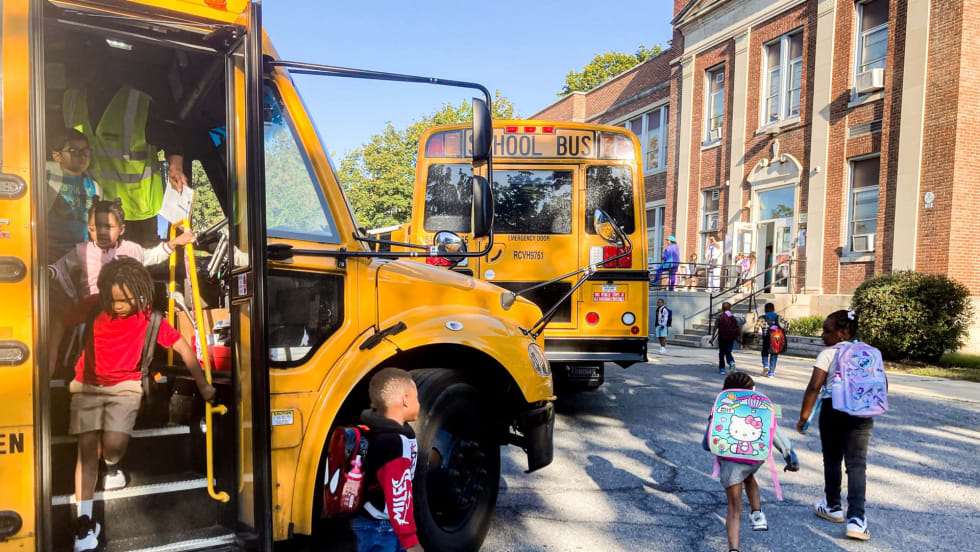
How a New York District Cut Nearly $1M in Transportation Costs While Expanding Bus Access
A data-driven overhaul with BusRight reduced Poughkeepsie City School District's planned routes from 26 to 17 while extending school bus service to about 1,200 additional students.
Read More →
Budgets Down, Enrollment Shifting: What the Data Says Districts Should Watch
School transportation departments face two converging challenges this year: tightening budgets and shifting enrollment. Most districts still address these issues separately, but the assumption that either trend will simplify operations is proving incorrect.
Read More →
These 8 School Transportation Companies Made the 2026 Inc. 5000 List
Find out which school transportation contractors, technology providers, and suppliers ranked among America’s fastest-growing private companies.
Read More →
The Link Between Emotional Intelligence and School Bus Safety
How can emotional intelligence help transportation pros navigate stress, manage change, and build stronger relationships? Listen to find out.
Read More →
What Emotional Intelligence Has to Do With School Bus Safety
In this video, discover how emotional intelligence can help transportation leaders and drivers navigate stress, manage change, and build stronger relationships. The Route is sponsored by IC Bus.
Read More →
Beyond Two-Way Radios: School Bus Communications Evolve With Push-to-Talk Over Cellular
PRYME Radio and PositionPTT join forces to advance hands-free radio use and reduce distracted driving. See how PoC compares with traditional radios on range, cost, safety, and connectivity.
Read More →
Have School Districts Adapted to Bus Driver Shortages or Simply Accepted Less Service?
According to a recent report from HopSkipDrive, many districts appear to have recalibrated what "normal" transportation service looks like.
Read More →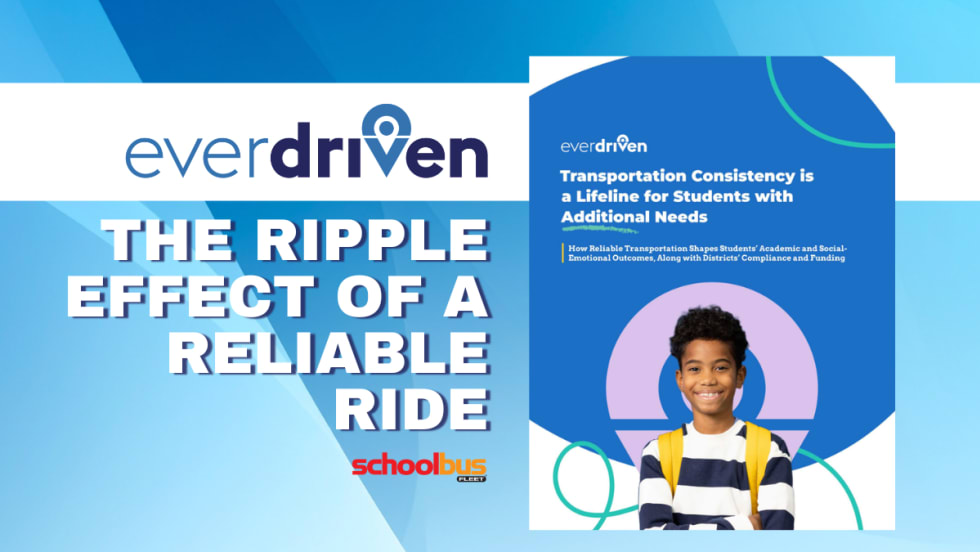
Reliable Transportation Linked to Better Student Outcomes, New EverDriven Study Finds
See why new research suggests transportation consistency improves student outcomes while influencing attendance, funding, IEP compliance, and family trust.
Read More →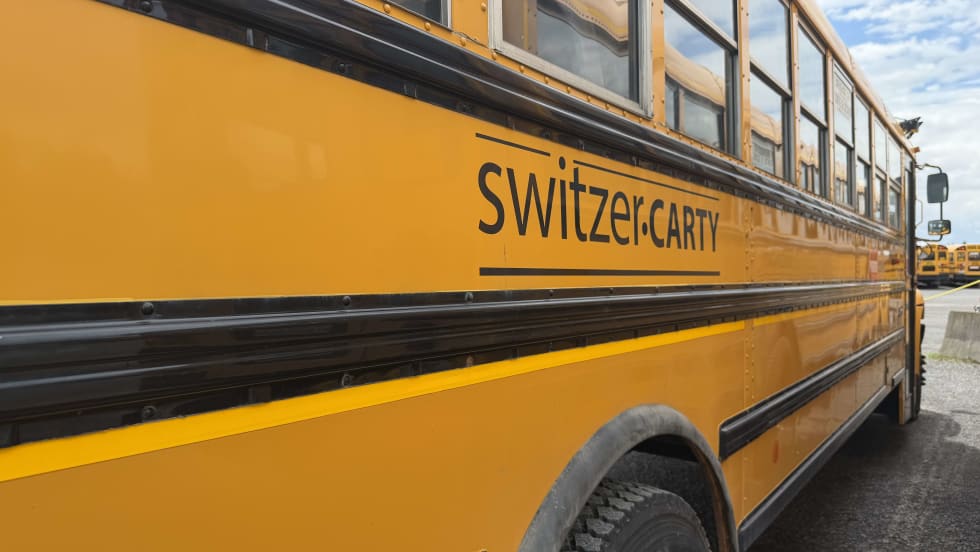
Switzer-CARTY Enters the U.S. with New Acquisition
The Canadian contractor’s acquisition of Minnesota-based Agnes Corporation marks its first cross-border expansion into the United States and adds 350 vehicles.
Read More →