




Too Good to Be True?
An engineering expert takes exception to the promises of better fuel economy, extended oil intervals and reduced emissions made by suppliers of fuel additives, engine attachments and other aftermarket products. The first of a two-part article.

Prominent among the many challenges facing the school bus operator are the factors of fuel economy, maintenance cost, emissions control and fuel quality.
When someone approaches you with a product that promises to provide miraculous improvements in these areas, it is tempting to buy. But are these promises hollow?
This two-part discussion will provide you with questions to ask that will help you determine whether the promises will be met.
Start with the engine
Engines attract entrepreneurs. Since the engine is the prime mover — the source of power in the vehicle — it presents the most obvious place to modify or “improve” the vehicle. Entrepreneurs have filled the marketplace with products claiming to improve the operation of an engine. They fall into two categories: attachments and additives. Attachments may be fuel or oil filters or fuel treatment or modification devices. Additives treat the fuel, lubricating oil and coolant.
The common list of claims includes some or all of the following: reduced exhaust emissions, increased fuel economy, reduced maintenance costs, longer engine life, EPA registration, does not void manufacturer warranties.
The EPA emissions standards relate to four major components in the exhaust stream.
Particulate matter (PM), a complex set of hydrocarbon and soot material that in older engines is visible as soot in the exhaust. (Today’s cleaner engines do not emit visible smoke; the PM level is so low that it can only be observed and measured by very sensitive equipment).
Hydrocarbons, both pure methane (HC) and non-methane (NMHC) varieties. Hydrocarbons are sensible by their distinctive odor.
Oxides of nitrogen (NOx), a set of complex compounds resulting from the combustion of the intake air, which is rich in nitrogen. NOx is not sensible, but when combined with hydrocarbons in sunlight, it produces smog and ozone.
Carbon monoxide (CO), produced by incomplete combustion. This compound has no odor and is not visible but is that sneaky thing that your mother warned can kill you in a closed car or garage and is hazardous to people with respiratory problems when present in the atmosphere.
What they promise
Aftermarket suppliers will promise to reduce some or all of these factors with a variety of test methods described or implied and reductions expressed in various quantitative units and/or percentage values. In the second part of this article, we’ll investigate the industry standard method of measurement.Increased fuel economy. Aftermarket suppliers will claim that the product will reduce fuel consumption by some method of improving the combustion process, cleaning the combustion chamber and/or reducing engine friction. Verification of the claims is presented in the form of customer testimonials based on fleet experience and sometimes on some form of chassis dynamometer evaluation. Remember that the EPA has no fuel economy standards for heavy-duty vehicles such as school buses.
Reduced maintenance costs. These claims focus on factors such as extended oil drain intervals, filters with longer change intervals or improved filtration capability and reduced engine wear.
Maintenance cost in general and oil drain intervals in particular are competitive cost factors in marketing engines. If a manufacturer can develop means of reducing maintenance costs, it can be marketed and sold as a competitive advantage, so the manufacturers expend considerable time and money in minimizing their cost of maintenance through improved oil formulations, better filtration, etc. The hazards of user extension of oil drain intervals are discussed in Part 2 of this article.
Longer engine life. There is a lot of commonality between this and the maintenance situation. The longer life is usually associated with better lube oil filtration, “cleaner-burning” additives to make the engine cleaner, reducing friction, etc. There is no quick test to verify the veracity of these claims. Engine manufacturers rely on dynamometer testing as the primary measure of engine life, and these evaluations require thousands of hours of running time.
EPA registration. Sounds like EPA approval, doesn’t it? Well, it’s not. “Registered” implies approval without actually saying it. This claim is usually associated with additives, because every gasoline or diesel fuel additive must be registered with the EPA before it can be sold. The registration process (fill out a form) asks for a chemical description of the product but does not require an analysis of the impact of the product on engine exhaust emissions performance. You can look it up. Go to www.epa.gov and insert the name of your candidate additive in the search engine and it will lead you to the 250-page list of registered fuel additives. I asked the EPA for a copy of a particular registration document but was refused because these submissions are confidential(!).
[PAGEBREAK]
So, aftermarket suppliers tell the EPA what they are selling and don’t have to prove anything about what impact it has and can keep their formula secret from their competitors and you. The engine manufacturers have to certify the emissions performance impact of every modification they apply to their product.
Warranty compliance. When someone installs an attachment on or injects an additive to an engine, the engine manufacturer cannot flatly state that this act automatically voids the warranty. The aftermarket suppliers take advantage of that situation with statements like “covered by warranty,” or “does not void the warranty” or similar.
Actually, when the aftermarket supplier petitions the manufacturer for a warranty approval, the manufacturer will reply with a statement that sounds basically like this: “We (OEM) are unable to evaluate all the devices, materials and services submitted for approval and have not been able to evaluate this product. For this reason we cannot comment on the efficacy of it. Therefore, use of this product does not void the warranty on our engines unless a failure occurs that can be attributed to the use of the product. In that event the warranty will not be in effect.” This is a standard response used by engine and vehicle manufacturers, and I had occasion to issue letters like this during my working life.
The conspiracy theory
A common sales appeal from aftermarket suppliers is to portray the OEMs and the oil companies as an evil cabal that schemes to keep fuel economy and emissions improvements off the market to ensure that they can sell more oil.After more than 40 years of working inside the engine and vehicle manufacturing industry, I have a different perspective based on simple economic analysis and personal observation.
It starts with a “bottom line” question: why don’t the OEM or oil companies use this product, or why doesn’t the EPA mandate its use? From an economic view, consider that the OEMs have expended billions of dollars and countless hours in design, test, tooling and manufacturing facilities in pursuit of compliance to increasingly stringent emissions standards. Plus, the product cost of the engine and the vehicle has been increased by thousands of dollars for equipment changes and additions to achieve compliance.
The engine and vehicle business is very competitive and chief among the competitive factors is product cost. If the addition of a simple device costing, say, $50 would enable the elimination of hundreds or thousands of dollars in other equipment, isn’t it logical that the manufacturers would leap at this opportunity to comply with emissions laws or improve fuel economy at a great cost advantage over their competitors? I think so, and so should you.
If the addition of a trace amount of an additive to the fuel stock at the refinery would produce a similar vehicle cost reduction, isn’t it likely that the OEMs would petition the EPA to mandate this additive? Here is where my personal observation supports a “yes” answer.
Over the 20-plus years of emissions development, many changes to the engine design have resulted in increased demands on the lubricating oil. Examples include tolerance of increased soot contamination and greater control of foaming. At these times the engine manufacturers, individually and as a group, have asked the petroleum companies for significant revisions to the oil formulation, additives, etc.
In all cases, the oil formulation has been changed to support the engine manufacturers’ needs and in a timely manner to achieve the compliance deadlines. When the significantly reduced particulate matter limit for 1994 was approaching, it was evident that the standard could not be met with the existing sulfur content in the fuel of that time. The sulfur content was often as high as 1,500 parts per million (ppm) and compliance could only be achieved if the level were reduced to no more than 500 ppm. In response to this need of the engine manufacturers, the EPA mandated that the oil companies reduce the sulfur content in on-highway fuel in time for the 1994 compliance date. And they did.
Another dramatic reduction of sulfur content (to 15 ppm) is mandated and will occur by the end of 2006 to enable the manufacturers to implement the new diesel particulate filter technology.
These are only two of the examples of cooperation among the engine manufacturers, the oil companies and the EPA to achieve reduced emissions.
All these things were accompanied by a lot of grumbling and complaining, cost increases and predictions of dire consequences, but in the end the three groups worked together to achieve the common goal of cleaner air. I believe this supports my assertion that if a trace additive could significantly reduce emissions and the cost of compliance, that engine manufacturers would demand it vigorously, and the EPA would support it.
Stay tuned for Part 2
If you don’t agree with my observation and still believe that supplementary measures are needed to improve the performance and efficiency of your fleet, then watch for the second installment of this article in an upcoming issue, where I will provide you with a series of questions to ask when someone promises great improvements with simple efforts.Dan Herman is retired and doing some consulting after nearly 42 years with International Truck and Engine Corp. He spent more than 30 years as an engineer involved with design and development of vehicles and engines.
More Maintenance
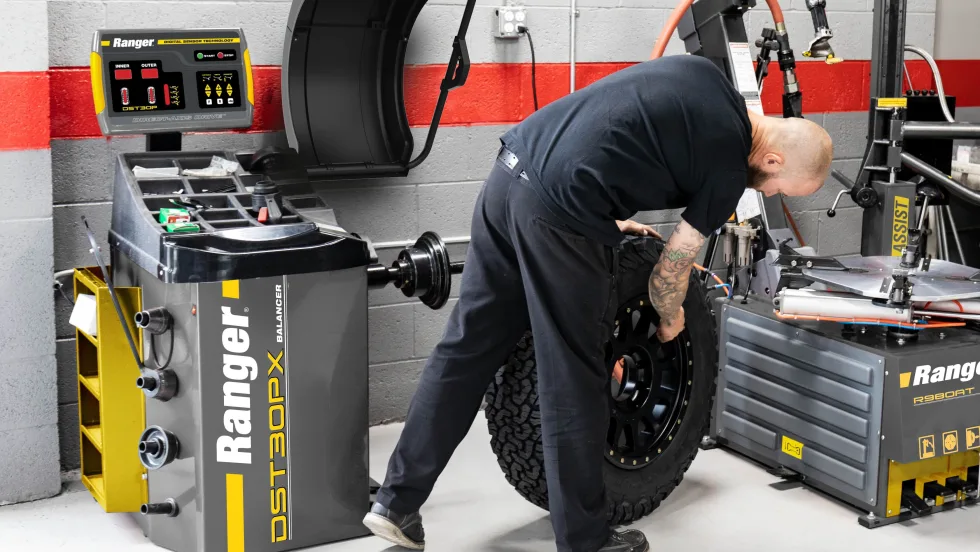
BendPak Launches Ranger DST30PX Wheel Balancer
BendPak's new wheel balancer handles tires up to 43 inches in diameter, with a reinforced design, precise weight placement, and faster service cycles.
Read More →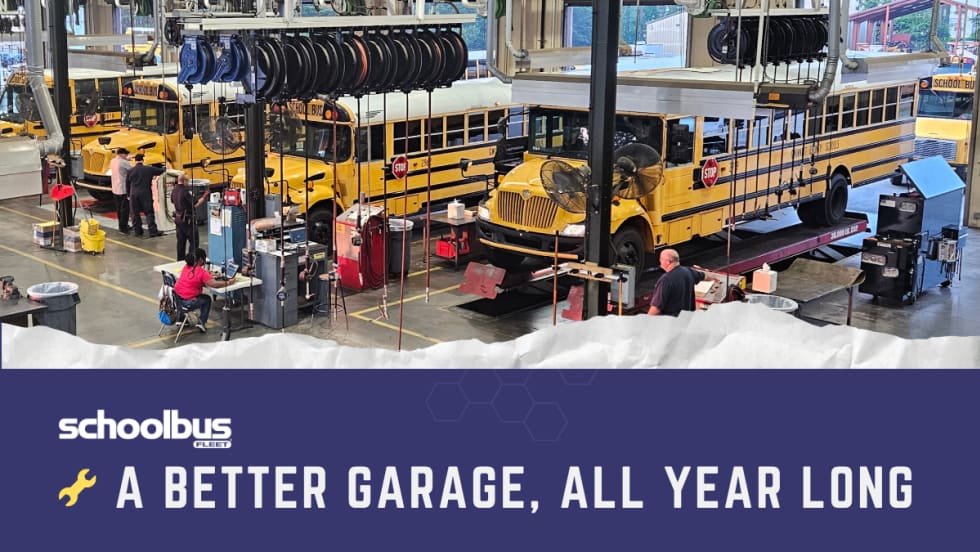
Tips for Ensuring School Bus Garages Are Safe and Warm Year-Round
Cold maintenance bays and rising heating costs? Learn how school bus garages can improve comfort with targeted heating, better airflow, and winter preparation.
Read More →
ASE Highlights School Bus Technician Certification Requirements
ASE is encouraging school bus maintenance professionals to maintain their certifications, highlighting seven specialized tests and five-year renewal requirements.
Read More →
International Adds E-Commerce Capabilities to Fleetrite.com
IC Bus customers can now browse, buy, and track shipments for more than 400,000 aftermarket parts online.
Read More →
The Most Expensive Thing You Do Before Selling a School Bus: Wait
When should you sell an aging school bus? Learn how maintenance, mileage, corrosion, specifications, and timing can affect resale value long before the auction.
Read More →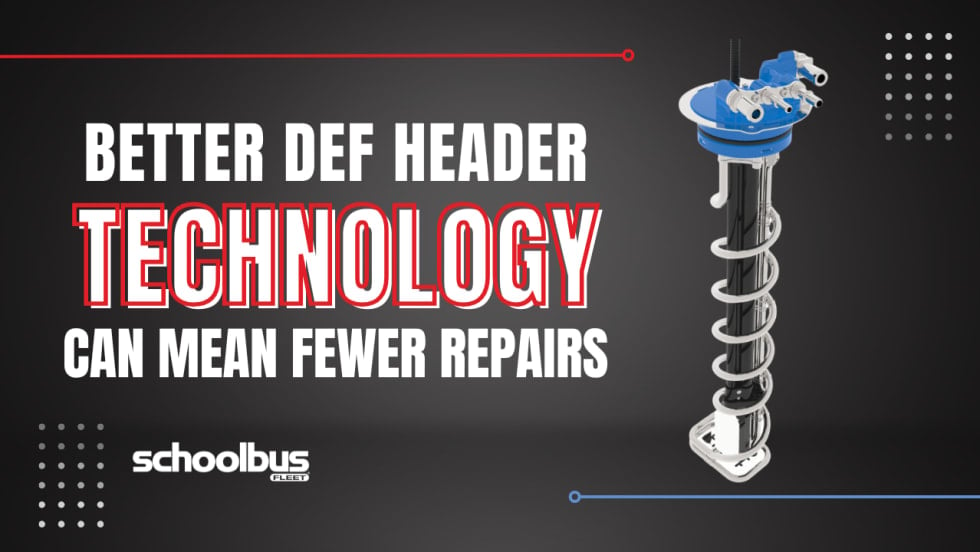
The Evolution of DEF Header Technology: What School Bus Operations Should Know at Replacement Time
See what school bus fleets should consider when replacing DEF headers to improve reliability, reduce repeat repairs, and control maintenance costs.
Read More →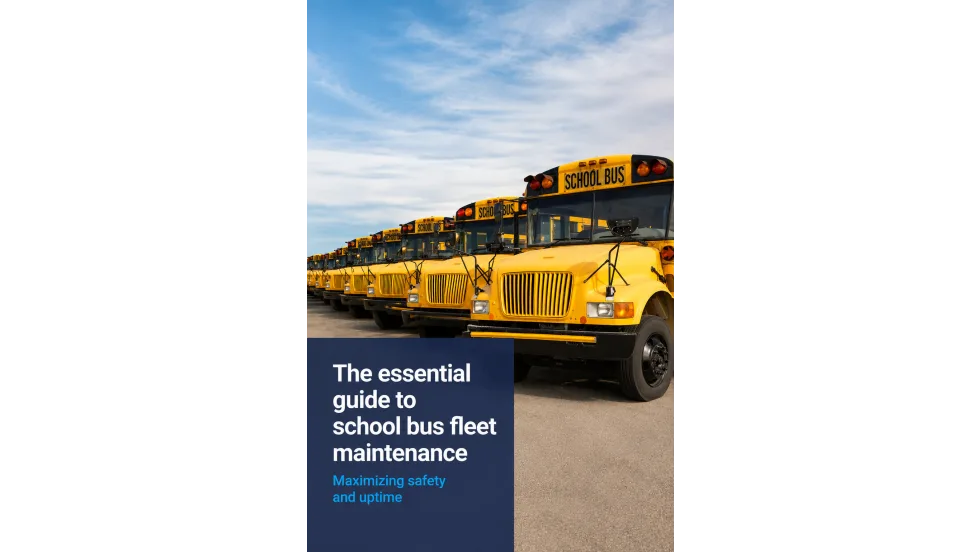
The Essential Guide to School Bus Maintenance and Student Safety
Your district's buses carry students to school every day. This guide shows how predictive maintenance powered by fleet data helps keep buses reliable, drivers accountable and students safer from the first bell to the last stop.
Read More →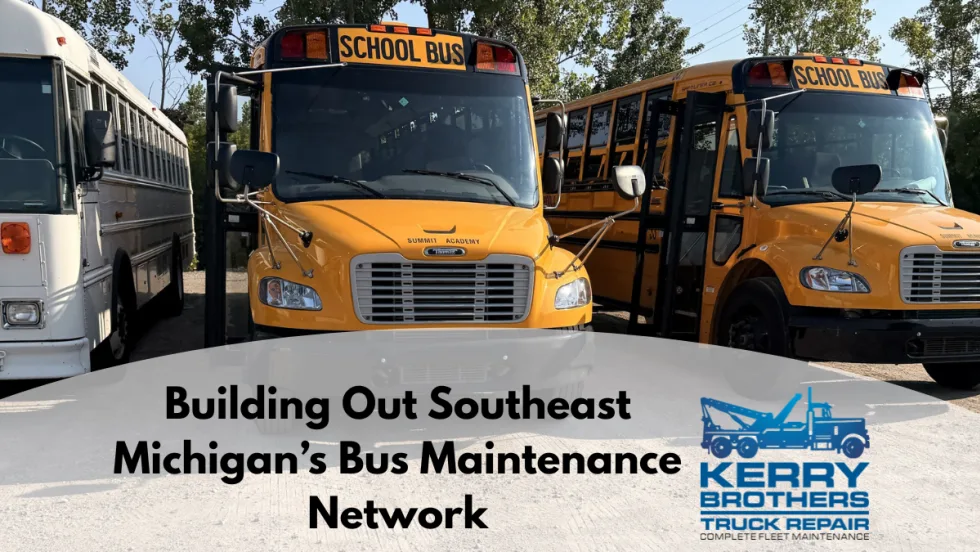
Kerry Brothers Grows Michigan School Bus Repair Network
The acquisition of Downriver Truck and Bus expands Kerry Brothers’ school bus maintenance footprint across southeast Michigan, adding repair capacity, diagnostic resources, and state inspection support.
Read More →
Noregon Introduces CAN Bus Diagnostic Tool, Expands JPRO Features
CAN Mentor and the latest JPRO update aim to simplify vehicle network diagnostics and improve repair efficiency for technicians of all experience levels.
Read More →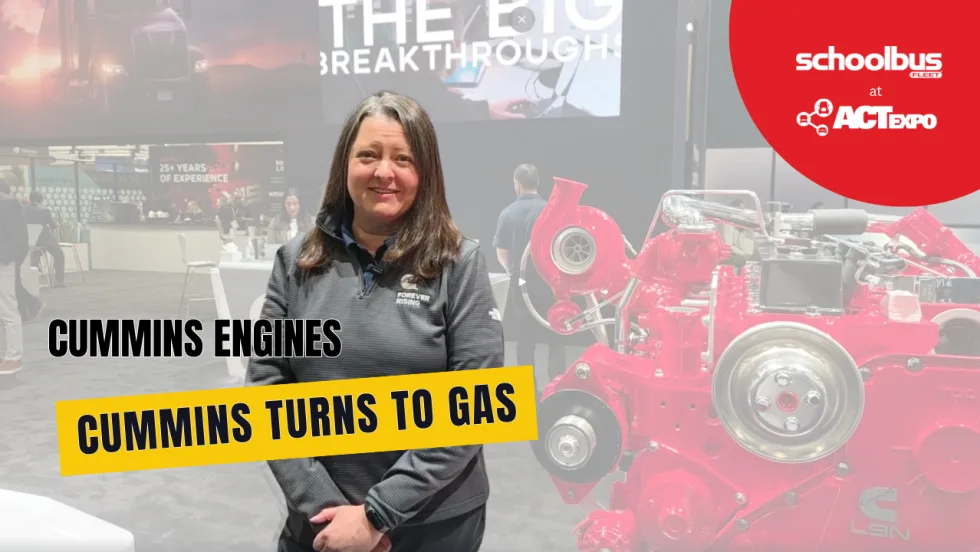
Cummins on Smarter, Simpler Engine Innovation
Cummins discusses its first-ever gasoline engine for school buses, EPA 2027, and why bus fleets still want durable, simpler internal combustion options.
Read More →