




Tips on proper spec'ing of special-needs buses
One of the many challenges of transporting students with disabilities is properly spec'ing the school bus, which must be equipped to meet the varying demands of disabled children.
One of the many challenges of transporting students with disabilities is properly spec'ing the school bus, which must be equipped to meet the varying demands of disabled children. To make this challenge more daunting, transportation managers also must be cost-conscious. Tight budgets require them to find the most economical and versatile equipment on the market. Staying in touch with the latest equipment developments is also important because manufacturers are constantly improving their product line. The following advice is intended to ease the process of writing your specifications. Because specifications vary by locality and state, you should consult with governing officials before making any changes.
Making a graceful entrance
To accommodate students with limited mobility, the regular service entrance needs to have three or four steps, each having a rise of no more than 9 inches. In addition, the first step should be no more than 10 inches from the ground (check your local and state requirements). The entrance should also have both left and right grab rails for students who may need additional support as they enter the bus. Passenger seats that have a child safety seat or restraint system attached to them must have a reinforced seat frame that meets Federal Motor Vehicle Safety Standards (FMVSS) 208, 209 and 210. Seat belts should not be confused with positioning belts, which do not meet FMVSS 209. For a bus that will have a wheelchair securement system, it is recommended that a 5/8-inch marine plywood sub floor be added for stability. When designing your floor plan, consider the utilization of the bus. We have found that flat floors and recessed tracking promote variable uses of the equipment. In a bus equipped with air-ride suspension, the wheelchair positions may be placed at the back of the bus, allowing the use of 39-inch seats in the forward area and 30-inch seats in the rear. Allowing 52 inches for each wheelchair position provides working room around the chair for drivers and aides. All four-point tiedown systems and three-point personal securement systems must meet FMVSS 209. Above the window, tracking for the upper torso restraint helps with adjusting the placement of the shoulder strap when the height of the wheelchair makes this adjustment difficult. Check with the securement system manufacturer for other devices that adjust the shoulder strap. Storage devices for securement straps are now available. This keeps them cleaner and prevents wear. Any storage device needs to meet the flammability standards established in FMVSS 302. Make sure you are provided with all available training materials to ensure the proper use and maintenance of the wheelchair securement and occupant restraint system.
Work with manufacturers
Before writing specifications for a wheelchair lift, you should consult with the manufacturers or study their literature. When you find a lift that suits your needs, use their language in writing your specifications and specify the manufacturer by name. Always keep in mind that the lift you specify must meet all local, state and federal standards. Tinted windows and a white roof are two other options to consider. Each of these will lower the interior temperature. With the increasing numbers of special-needs students involved in the extended-year programs, this becomes an added consideration, not only for comfort but also for medical conditions that require a cooler environment.
Author Cheryl Wolf is special-needs transportation coordinator for Greater Lafayette Area Special Services and Lafayette School Corp. in Indiana.
More Special Needs Transportation
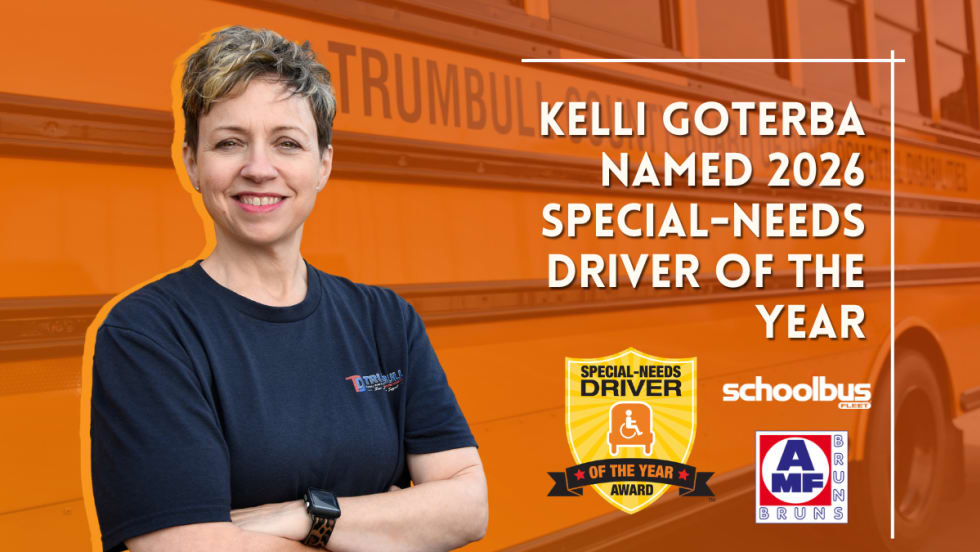
Kelli Goterba Named 2026 Special-Needs School Bus Driver of the Year
Through building trust with students and strengthening her transportation team, Goterba exemplifies the impact special-needs drivers can make.
Read More →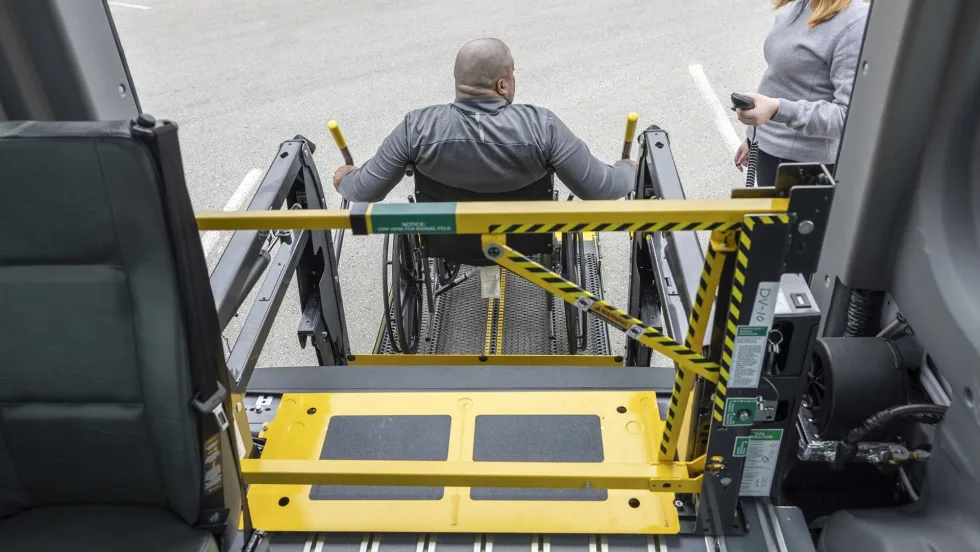
BraunAbility Introduces New Safety Barrier for Wheelchair Lifts
LiftSentinel is designed to add another layer of protection during wheelchair loading and unloading and can be retrofitted to many existing commercial lift installations.
Read More →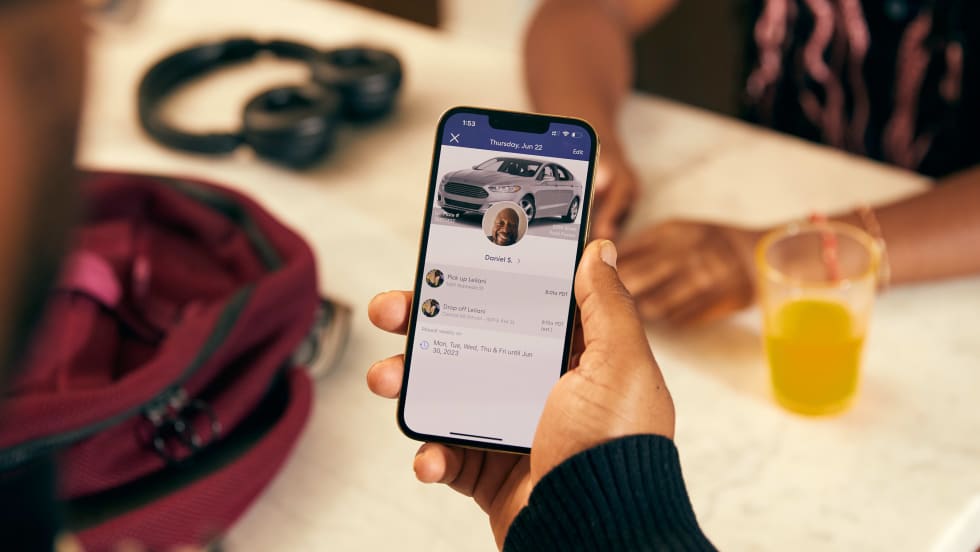
HopSkipDrive Launches New Safety, Driver Consistency Features for 2026-27 School Year
The company’s free ride recording, live ride tracking, and consistent driver assignments aim to improve safety and continuity for diverse student transportation needs.
Read More →
The Most Common Wheelchair Securement Mistakes on School Buses (and How to Fix Them)
Small missteps in wheelchair securement can have serious consequences. Here are 32 tips from experts to reduce risk and increase student safety on the bus.
Read More →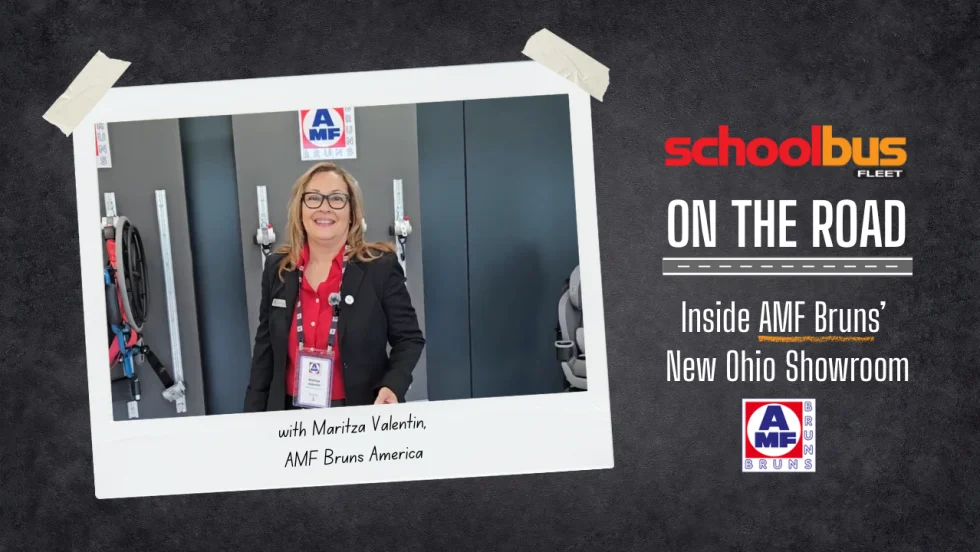
Inside AMF Bruns’ New Showroom: School Bus Securement Solutions Explained
Go inside AMF Bruns America’s new Ohio showroom with Maritza Valentin to see its FutureSafe technology, driver training tools, securement systems, and seating innovations.
Read More →
What AMF Bruns’ New Facility Means for Customers [Video]
Inside AMF Bruns’ new Stow, Ohio, operations: See how expanded space and innovation will enhance customer support and operations.
Read More →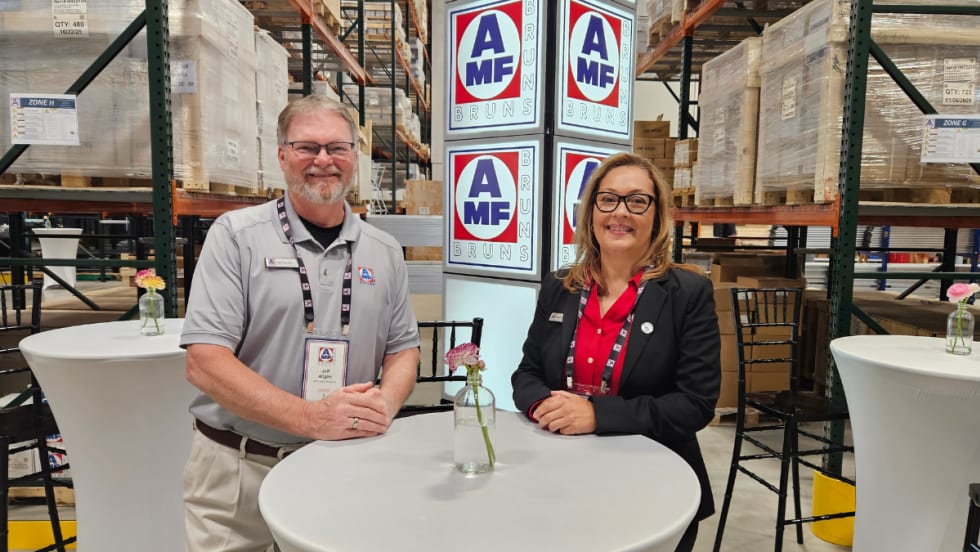
AMF Bruns Expands in Ohio, Investing in Growth and Community
With expanded production space, local investment, and a growing workforce, AMF Bruns is scaling its U.S. presence. Here’s an exclusive first look inside the new Stow, Ohio, HQ.
Read More →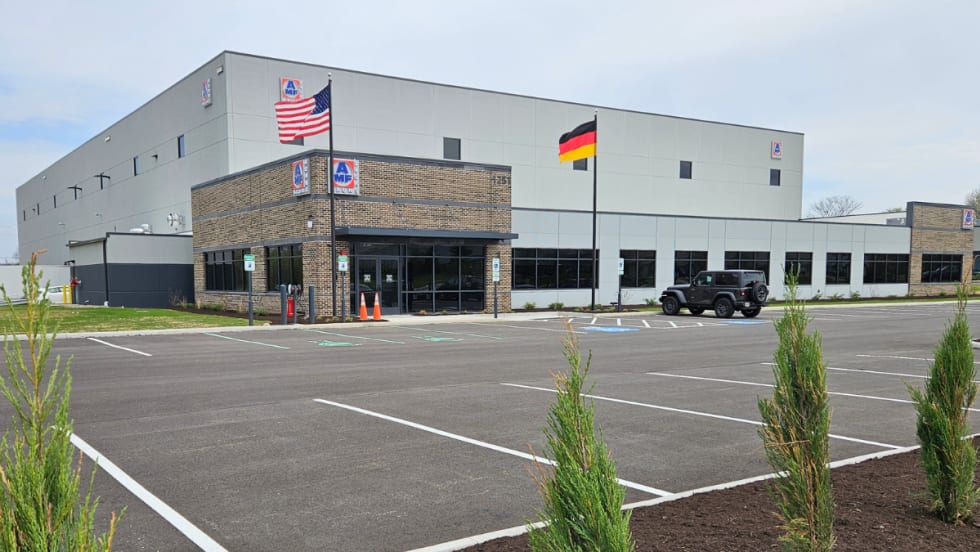
Inside AMF Bruns of America’s New Ohio Manufacturing Facility [Photos]
Take a behind-the-scenes look at AMF Bruns of America’s new 41,000-square-foot Stow, Ohio, headquarters, featuring advanced manufacturing, expanded space, and future-ready mobility solutions.
Read More →
First Student Boosts Student Support in Wichita & Texas
First Student and Wichita Public Schools are using behavioral support strategies to improve student ride experiences, while a separate initiative expands access to after-school programs through a bus donation.
Read More →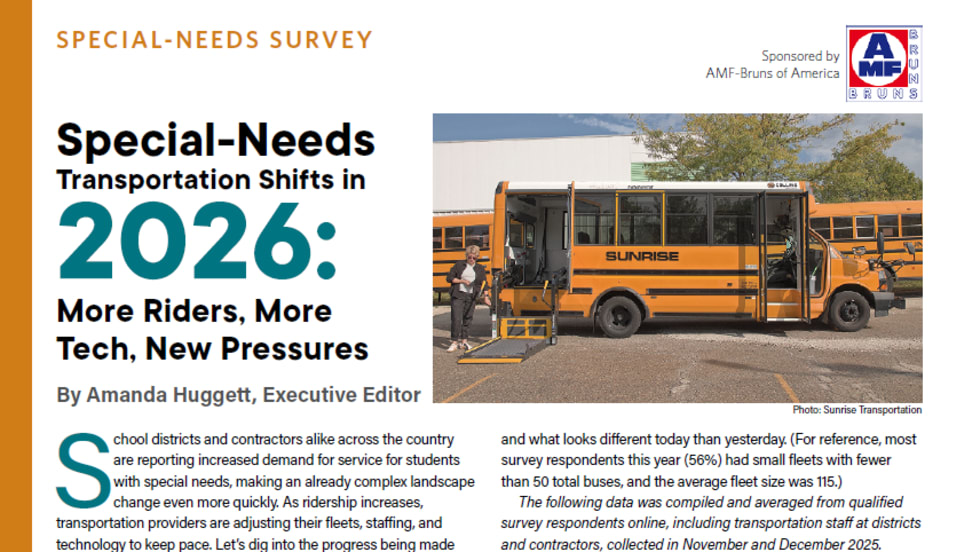
2026 Special-Needs Transportation Survey
What’s changing in special-needs transportation? This year, student transportation operators report a rising need, easing driver shortages, growing tech adoption, and evolving challenges. Sponsored by AMF Bruns of America.
Read More →