




Specific special-needs evacuations: TBI and near drowning
Students who have suffered a traumatic brain injury or near drowning will require close physical safeguards and assistance in a bus evacuation. The commotion could set off a seizure.
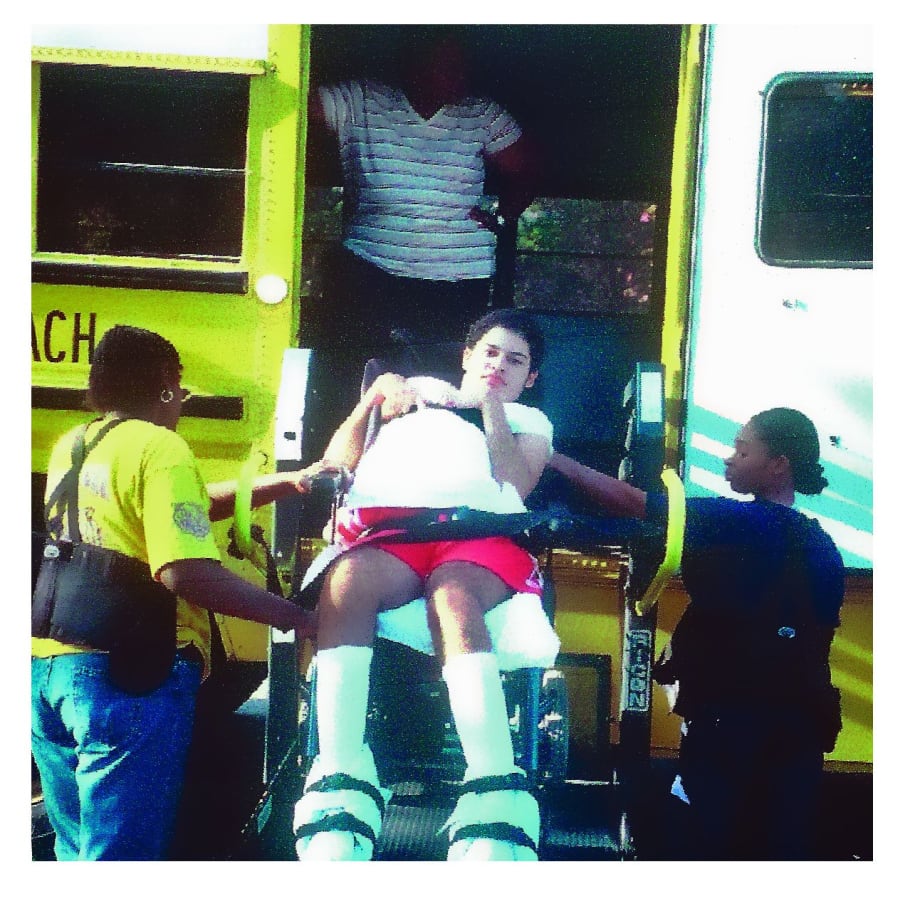
Traumatic brain injuries (TBI) can affect cognitive, communicative, behavioral, social-emotional and physical ability. Pictured is Mike, a student who sustained a TBI.
In recent issues of SCHOOL BUS FLEET, we've covered a variety of medical conditions and how they impact emergency evacuations from the school bus.
In the sixth edition of the series, we'll discuss evacuating students affected by traumatic brain injury (TBI) and those who have suffered near drowning.
Traumatic brain injury
TBI is trauma to the brain caused by an external force affecting the head and brain. The damage can affect all of the following: cognitive, communicative, behavioral, social-emotional and physical ability.
TBI occurs from trauma to the brain from falls, being hit in the head, motor vehicle accidents and other types of external physical force. The brain damage can result from the initial injury and/or from the secondary injury of the brain in the form of swelling, bleeding and increased pressure on the brain.
The causes of TBI are diverse. The top three causes are car accidents, firearms and falls. The firearm injury is often fatal, with nine out of 10 people dying from their injuries. There are no cures for a TBI.
The U.S. Centers for Disease Control and Prevention (CDC) estimates that there are approximately 1.5 million people in the U.S. who suffer from a traumatic brain injury every year. The CDC states that 50,000 people die from TBI, and 85,000 people suffer long-term disabilities. Other notable statistics are that children ages zero to 4 years and adolescents from ages 15 to 19 are among the groups most likely to sustain a TBI.
Issues at school that result from a TBI can include problems with attention and concentration, planning and organization and social interactions. Other effects are impulsiveness, difficulty in controlling one's temper and reduced ability to clearly perceive a situation.
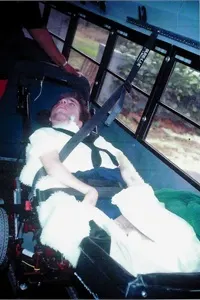
Near drowning can lead to long-term disabilities, including memory problems and learning disabilities. Pictured is Pete, who survived a drowning event and is totally dependent on others for his mobility.
Near drowning
A child who drowns suffers death from asphyxiation due to suffocation. The suffocation is caused by water entering the lungs and preventing oxygen from being absorbed and carried to the brain in the blood.
A child who has nearly drowned is one who has survived a drowning event but will most likely have serious secondary complications for the remainder of his or her life. These complications are due to the time the child was in the water and how long it took to resuscitate him or her.
According to the CDC, every day about 10 people in the U.S. die from drowning. Of these deaths, two are children age 14 or younger. Drowning is the sixth leading cause of injury and death for people of all ages and the second cause of death for children ages 1 to 14 years. Nearly 80 percent of people who die from drowning are male.
Near drowning can cause brain damage that may result in long-term disabilities, including memory problems, learning disabilities and permanent loss of basic functioning.
Evacuation guidance
Here are implications for emergency school bus evacuations for students affected by TBI or near drowning:
● Students who are able to walk will have trouble with their balance. If they are allowed to walk, close physical safeguards and assistance are necessary.
● These students will have difficulty with depth perception. They will not be able to judge the height of the bus steps or the emergency exit from the bus. Make sure they are not allowed to be alone at the emergency exit. They might think they can jump off the bus easily.
● These students may have seizure activity. The commotion of an evacuation could set off a seizure.
If a student starts to have a seizure during an evacuation, bus staff must remember to time the seizure. Depending on the time involved in the evacuation, the student may have to be evacuated while still in the seizure. Be sure to protect the student's head and extremities during the evacuation.
● A student who has a total disability due to a TBI or near drowning may be an older student, especially if he or she survived the accident years ago.
It may be necessary to have three adults on the bus to evacuate an older and heavier student safely. Be sure to consult a physical therapist on how to safely perform a three-person lift.
● These students will have problems with impulse control and attention span. For those reasons, it is important that evacuation drills be practiced repeatedly to assist the students in learning to follow the directions established.
Summary

Author Jean Zimmerman notes that the commotion of a bus evacuation could set off a seizure in students affected by TBI or near drowning.
TBI and near drowning accidents can have long-term effects on students and their families. The emotional impact of either of these incidents is tremendous, because these students were typically normally developing students to begin with.
The evacuation will become more difficult as the students become older, taller and larger. As noted, it may take three adults to safely transfer a teenage student.
As part of pre-evacuation planning and training, instruction by a physical therapist on how to perform a three-person lift is critical.
Jean M. Zimmerman is supervisor of occupational and physical therapy for the School District of Palm Beach County (Fla.). She is the author of Evacuating Students With Disabilities, a comprehensive manual and training course written in conjunction with the Pupil Transportation Safety Institute. The program can be purchased at www.ptsi.org or by calling (800) 836-2210.
More Special Needs Transportation
Kelli Goterba Named 2026 Special-Needs School Bus Driver of the Year
Through building trust with students and strengthening her transportation team, Goterba exemplifies the impact special-needs drivers can make.
Read More →
BraunAbility Introduces New Safety Barrier for Wheelchair Lifts
LiftSentinel is designed to add another layer of protection during wheelchair loading and unloading and can be retrofitted to many existing commercial lift installations.
Read More →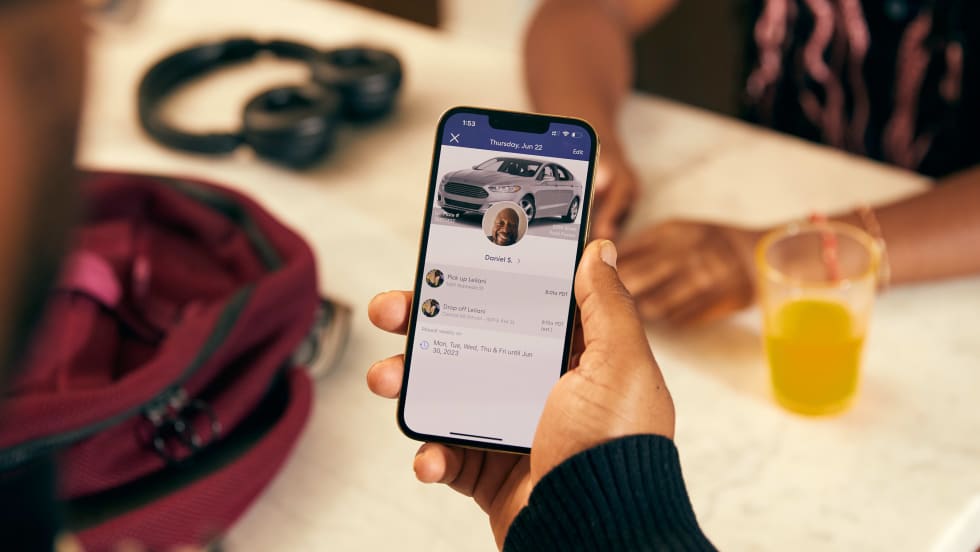
HopSkipDrive Launches New Safety, Driver Consistency Features for 2026-27 School Year
The company’s free ride recording, live ride tracking, and consistent driver assignments aim to improve safety and continuity for diverse student transportation needs.
Read More →
The Most Common Wheelchair Securement Mistakes on School Buses (and How to Fix Them)
Small missteps in wheelchair securement can have serious consequences. Here are 32 tips from experts to reduce risk and increase student safety on the bus.
Read More →
Inside AMF Bruns’ New Showroom: School Bus Securement Solutions Explained
Go inside AMF Bruns America’s new Ohio showroom with Maritza Valentin to see its FutureSafe technology, driver training tools, securement systems, and seating innovations.
Read More →
What AMF Bruns’ New Facility Means for Customers [Video]
Inside AMF Bruns’ new Stow, Ohio, operations: See how expanded space and innovation will enhance customer support and operations.
Read More →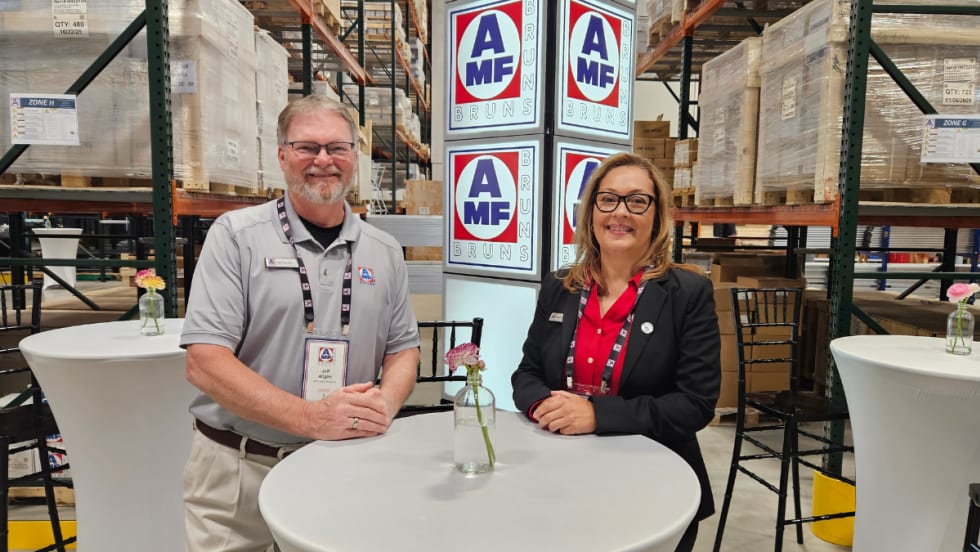
AMF Bruns Expands in Ohio, Investing in Growth and Community
With expanded production space, local investment, and a growing workforce, AMF Bruns is scaling its U.S. presence. Here’s an exclusive first look inside the new Stow, Ohio, HQ.
Read More →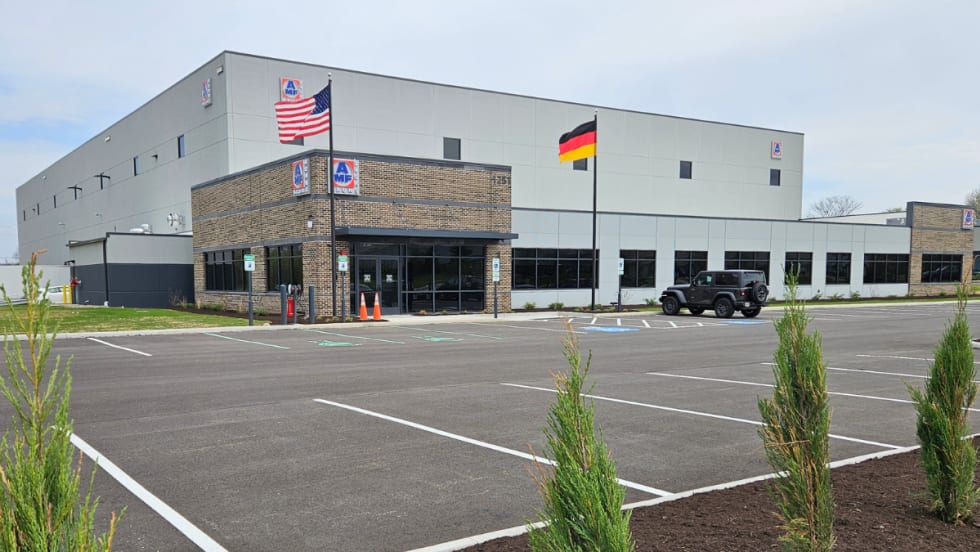
Inside AMF Bruns of America’s New Ohio Manufacturing Facility [Photos]
Take a behind-the-scenes look at AMF Bruns of America’s new 41,000-square-foot Stow, Ohio, headquarters, featuring advanced manufacturing, expanded space, and future-ready mobility solutions.
Read More →
First Student Boosts Student Support in Wichita & Texas
First Student and Wichita Public Schools are using behavioral support strategies to improve student ride experiences, while a separate initiative expands access to after-school programs through a bus donation.
Read More →
2026 Special-Needs Transportation Survey
What’s changing in special-needs transportation? This year, student transportation operators report a rising need, easing driver shortages, growing tech adoption, and evolving challenges. Sponsored by AMF Bruns of America.
Read More →