




Special care required for asthma attacks
Often asthma attacks begin suddenly, with no warning. They may begin even when a person is at rest. Although symptoms may follow heavy exertion, expos...
Often asthma attacks begin suddenly, with no warning. They may begin even when a person is at rest. Although symptoms may follow heavy exertion, exposure to allergens or emotional extremes, in a typical attack the person suddenly becomes short of breath. Because asthma is a condition that can afflict able-bodied as well as disabled children, all school bus drivers should be taught how to recognize the symptoms of an asthma attack and how to respond properly. Signs of an asthma attack
The person having the attack may feel as if he or she is drowning or suffocating. To obtain relief the person may sit up straight, stand up or lean forward.
Breathing is difficult.When the person breathes out, it is usually prolonged, and wheezing is very pronounced.
The person will appear pale and may even be blue (especially around the mouth and hands) if the attack is severe. Skin may be cool and moist.
During a severe attack the chest may be distended and the neck veins may bulge.
Sternal retraction — when breathing is difficult, the shape of a person's chest may look different than normal when they attempt to breathe. (For example, sternal retraction looks like the breast bone is being pulled.)
The symptoms may last a few minutes or persist for hours to days. They are exhausting, serious and frightening. The most severe type of asthma attack is called status asthmaticus. This is a true medical emergency. In this distressful type of episode, the asthma attack is not relieved by use of local bronchodilators, such as inhalers (medications that relax and enlarge the diameter of the person's airway). Seek immediate emergency medical treatment. In addition, if someone is unable to take fluids orally during an asthma attack, this is another indication that medical help is needed immediately. What to do during an episode
Sit or stand the person so that he or she is leaning slightly forward with the back straight and chest upright. For a non-ambulatory person in a wheelchair, make sure he or she has an adequate support for trunk elongation and good body alignment. Or align the person's body lying on his or her side with support to the head and trunk. This position should elevate the head and trunk, leaning the person's body slightly forward. Be supportive, calm and reassuring. Calm and relax the person as much as possible throughout your intervention. Panic tenses muscles and aggravates the symptoms. If this is a first attack or breathing difficulties worsen, call the doctor or emergency medical services at once. Special considerations
Those who are immobile, have physical deformities and/or have oral motor deficits are most at risk for "silent aspirations." Silent aspiration of small amounts of food, fluids, saliva or partially digested food, which may have come back up from the stomach into the esophagus, can result in the above described "asthma-like attack" symptoms. The person will wheeze as the muscles in the airway tighten in an attempt to keep out further invasion or in response to chemical irritation of the food or stomach acid. This results in increased mucus production, and swelling may occur. This causes breathing difficulty and may be mistakenly diagnosed as an allergic reaction or asthma attack, leaving the real problem undiagnosed. Ellen Johnson is a registered nurse who has been teaching at Oklahoma State University in Sweetwater, Okla., for the past eight years.
More Special Needs Transportation
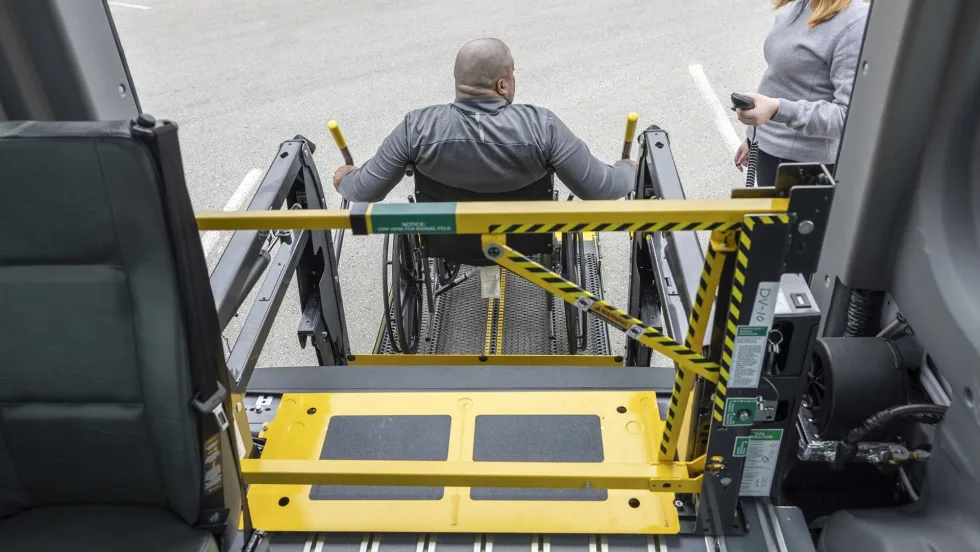
BraunAbility Introduces New Safety Barrier for Wheelchair Lifts
LiftSentinel is designed to add another layer of protection during wheelchair loading and unloading and can be retrofitted to many existing commercial lift installations.
Read More →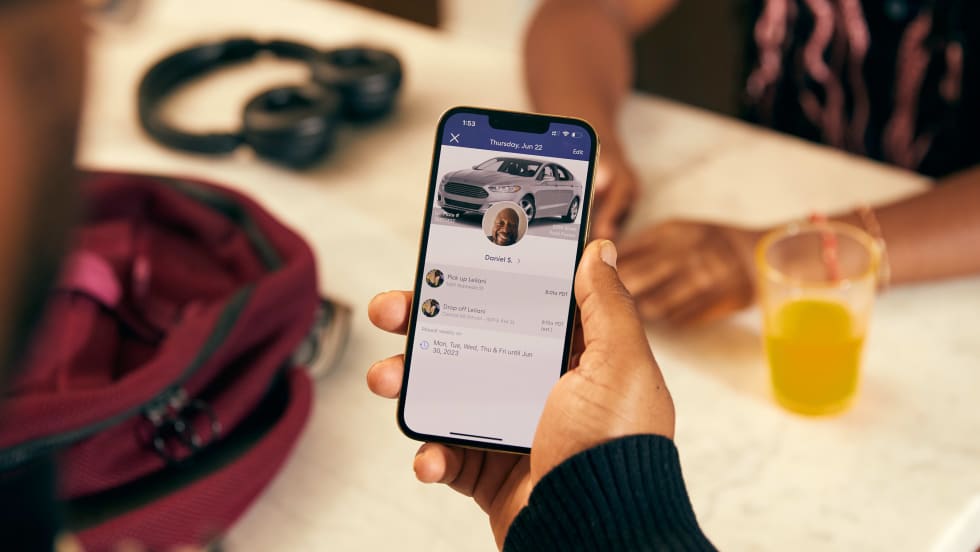
HopSkipDrive Launches New Safety, Driver Consistency Features for 2026-27 School Year
The company’s free ride recording, live ride tracking, and consistent driver assignments aim to improve safety and continuity for diverse student transportation needs.
Read More →
The Most Common Wheelchair Securement Mistakes on School Buses (and How to Fix Them)
Small missteps in wheelchair securement can have serious consequences. Here are 32 tips from experts to reduce risk and increase student safety on the bus.
Read More →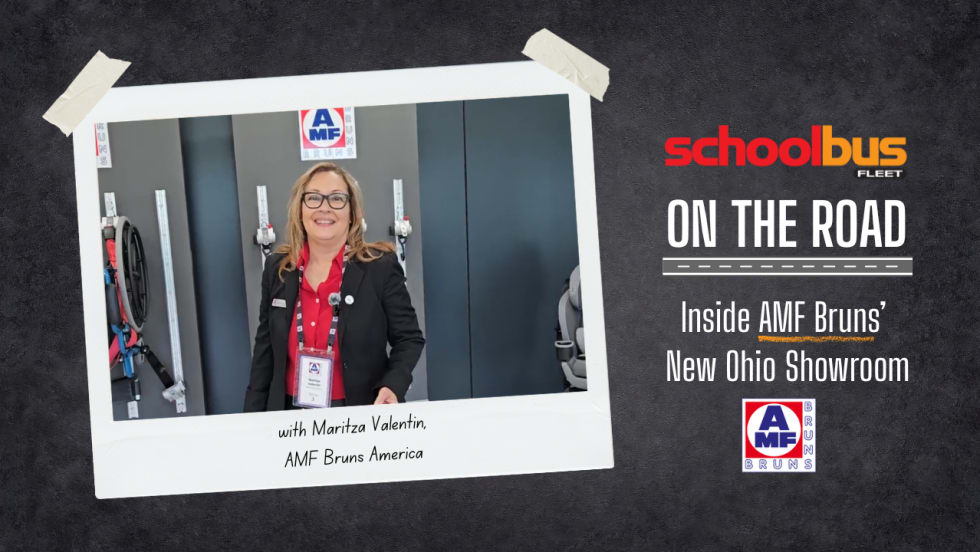
Inside AMF Bruns’ New Showroom: School Bus Securement Solutions Explained
Go inside AMF Bruns America’s new Ohio showroom with Maritza Valentin to see its FutureSafe technology, driver training tools, securement systems, and seating innovations.
Read More →
What AMF Bruns’ New Facility Means for Customers [Video]
Inside AMF Bruns’ new Stow, Ohio, operations: See how expanded space and innovation will enhance customer support and operations.
Read More →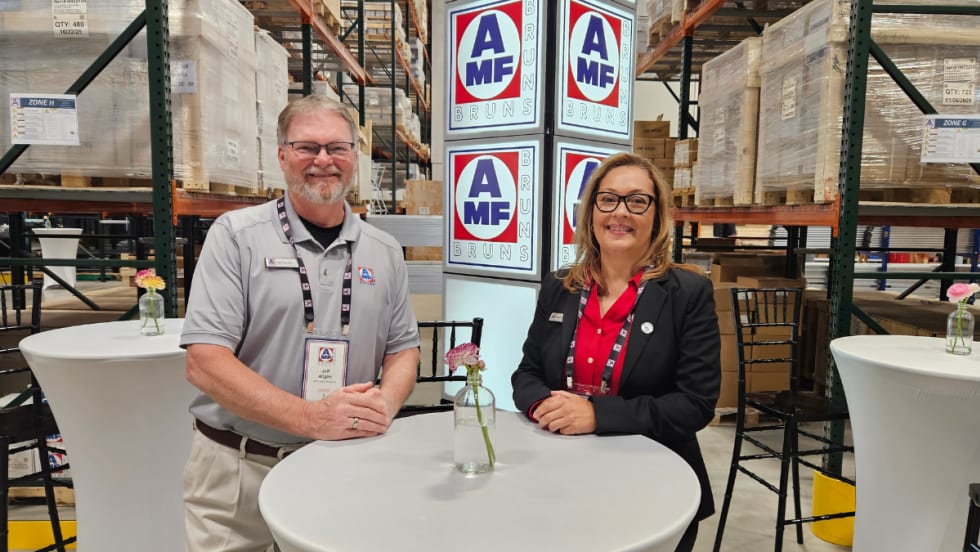
AMF Bruns Expands in Ohio, Investing in Growth and Community
With expanded production space, local investment, and a growing workforce, AMF Bruns is scaling its U.S. presence. Here’s an exclusive first look inside the new Stow, Ohio, HQ.
Read More →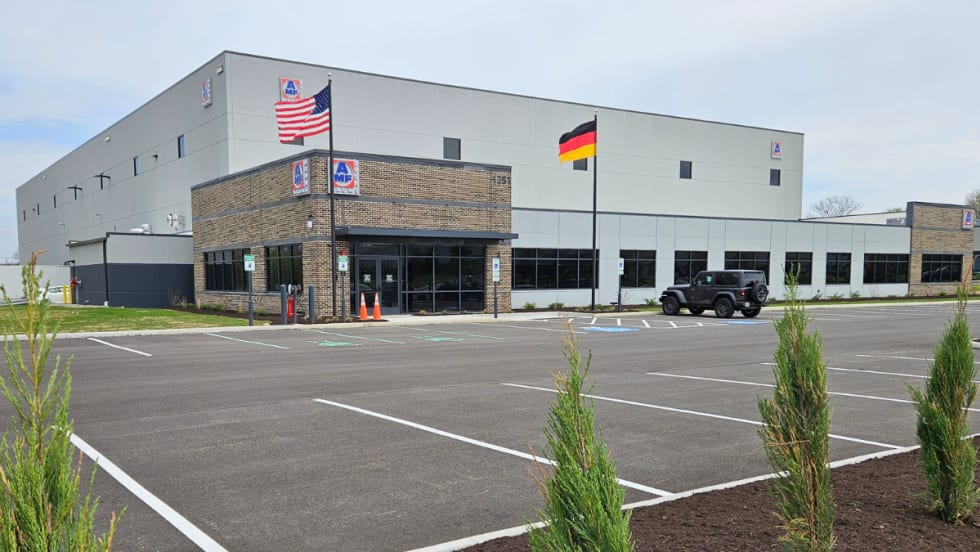
Inside AMF Bruns of America’s New Ohio Manufacturing Facility [Photos]
Take a behind-the-scenes look at AMF Bruns of America’s new 41,000-square-foot Stow, Ohio, headquarters, featuring advanced manufacturing, expanded space, and future-ready mobility solutions.
Read More →
First Student Boosts Student Support in Wichita & Texas
First Student and Wichita Public Schools are using behavioral support strategies to improve student ride experiences, while a separate initiative expands access to after-school programs through a bus donation.
Read More →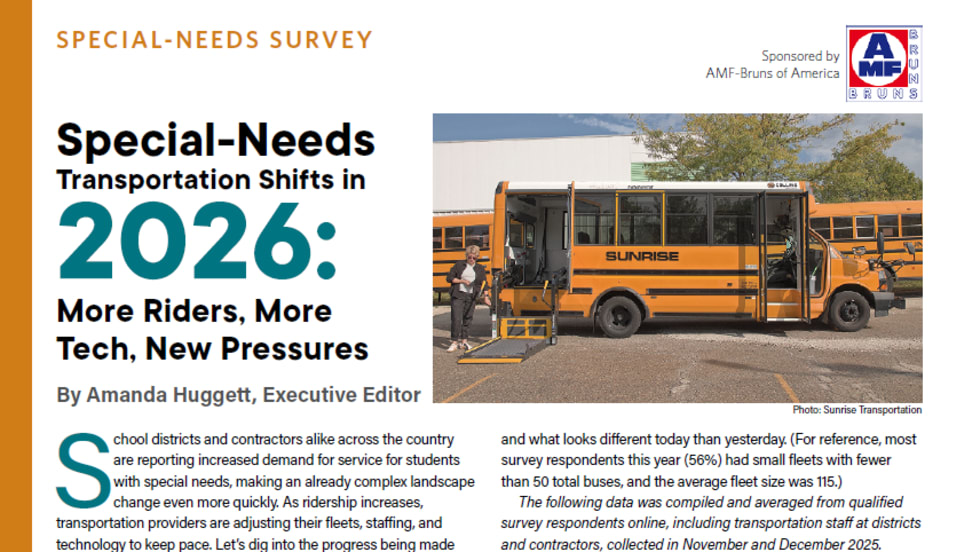
2026 Special-Needs Transportation Survey
What’s changing in special-needs transportation? This year, student transportation operators report a rising need, easing driver shortages, growing tech adoption, and evolving challenges. Sponsored by AMF Bruns of America.
Read More →
The Lived-Experience Gap in Mobility Tech: An Expert Take on Safe Student Transportation
Brianna Pauwee, a product application specialist at AMF Bruns of America and a wheelchair user, drops in to The Route to share practical securement and training insights, plus the story behind the new “Beyond Mobility” podcast. The Route is sponsored by IC Bus.
Read More →