




Sharing the pain — and sharing the gain
There’s much to be thankful for these days. Even with all of the uncertainty we face daily, our lives are relatively carefree compared with most of th...
There’s much to be thankful for these days. Even with all of the uncertainty we face daily, our lives are relatively carefree compared with most of the rest of the world. Having said that, things could be better.
For example, as Editor Steve Hirano points out in his article "Continued Signs of Uncertainty for School Bus Contractors" on pg. 34, the cost of delivering transportation service is rising due to a variety of factors. Whether the service is provided by a public or private fleet, the financial reality is the same: Transportation is a big-ticket item and getting bigger.
School boards, battered by funding shortfalls, are trying to compress their transportation costs as much as possible. This means reducing home-to-school service when feasible, curtailing extracurricular and athletic trips, supporting parent-pay systems and seeking concessions by their transportation providers.
These measures are not popular with anyone. Parents are unhappy. Teachers are unhappy. Most of all, transportation professionals like you are unhappy. But children, too, are deprived. More to the point, their level of safety is reduced. Many are now finding other ways to get to and from school. Others are riding in buses that were scheduled for retirement last year. This is not a good state of affairs.
What’s to be done?
For the private sector, the first thing that must be done is to fully understand the funding pressures placed on school districts by revenue shortfalls. Yes, transportation often absorbs deep cuts in its budget, but the pain is shared by teachers, many of whom have been laid off, and the central office, which also takes its share of cuts. Other ancillary services such as food service and maintenance also share in the cost-cutting burden.
Contractors must be aware that a school budget crisis also represents an opportunity to create a lasting partnership with the school district. Many of the contractors interviewed for Steve’s article said they are working with their customers to reduce costs, even to the detriment of their profit margins. For example, they’re looking at improving routing efficiency and bell time adjustments. Often, the consequence is fewer buses needed and, consequently, lower costs.
"Yes, we do lose some top-line revenue," said one contractor. "But in the grand scheme of things, we feel it's much better to be a good partner to the school district."
Not only does this type of partnership result in more money being available for classroom expenses, it also strengthens the bond between the school district and its contractor, which could lead to a longer-term business relationship.
Loyalty should be rewarded
A strong partnership with a school district is always the goal of a contractor, but it shouldn’t come at the expense of a reasonable return on investment. Many contractors will make concessions to school districts because of the economic downturn. When funding becomes more ample, however, those operators should be rewarded by their customers with equitable increases. Loyalty needs to be recognized.
Although I don’t have a crystal ball, I believe, like many others, that the economy will improve in the next 12 to 18 months. Until then, we’ll continue to struggle through each day, week and month, relying on our experience, professional attitude and strength of purpose to get us through. Rising to the challenge has always been one of this industry’s most admirable traits.
More Management
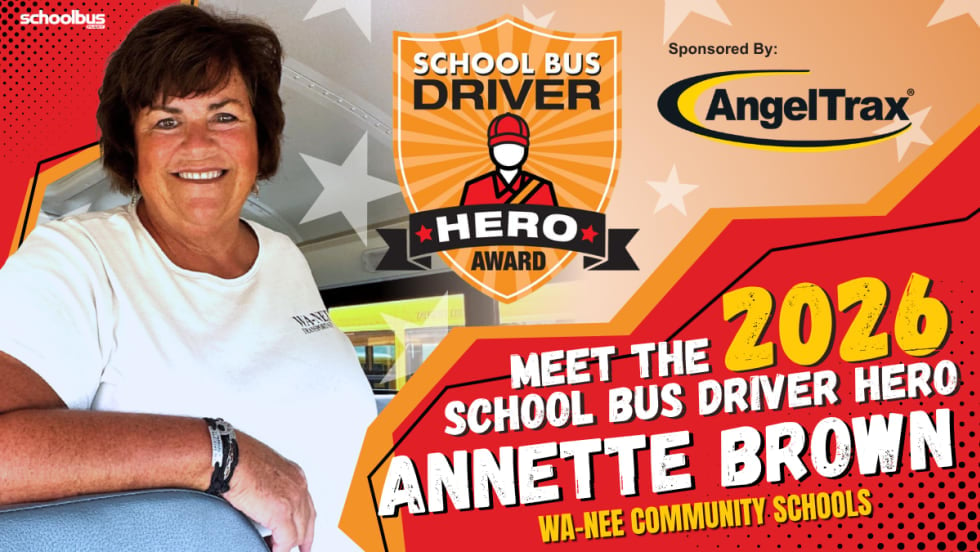
Annette Brown Always Takes the Extra Time: Meet Our 2026 School Bus Driver Hero
For more than 30 years, the Wa-Nee Community Schools driver has treated students like family, combining safety, compassion, and servant leadership to make a lasting difference on and beyond the school bus.
Read More →
How to Build a Better Driver Training Program
Ready to boost up your school bus instructor training? Here’s how to pick the right talent and improve recruitment, retention, and safety.
Read More →
CALSTART and Forth Combine to Form Catalyst Mobility
The new name represents a renewed vision for the nonprofit focused on advancing clean, equitable, and affordable transportation solutions that move people and goods.
Read More →

What Makes a Great School Bus Driver Trainer?
Choosing the right school bus driver trainer takes more than experience. Learn six keys to selecting and developing trainers and evaluating program effectiveness.
Read More →
School Bus Contractors Expand Through New Deals, Acquisitions & Partnerships
STA's Canadian division acquires Ontario-based G&L Stevenson Transport; Durham School Services adds a new district in California; First Student expands in New Jersey; and Minnesota Coaches rebrands and acquires Halo Transportation.
Read More →
Logan Bus Company Rolls Out AI Phone System for NYC School Bus Families
A summer pilot found that AI agents could handle most routine calls, freeing up time for customer service staff to focus on emergencies and complex family concerns.
Read More →
From Intent to Impact: What I Learned About Leadership from TAPT
A Texas transportation supervisor shares lessons on self-awareness, accountability, managing stress and building trust — and why investing in leadership development matters at every stage of your career.
Read More →
NAPT Names 2026 Award Recipients, Hall of Fame Inductee
Who earned national recognition for their work in student transportation? This year, NAPT named five recipients of its 2026 awards for service, safety, and leadership, plus its newest Hall of Famer.
Read More →
2026 State of Student Transportation Report
Driver shortages. Rising costs. Growing safety expectations. More data, but not enough time to act on it. The 2026 State of Student Transportation Report reveals what transportation leaders say is putting the most pressure on their operations—and where they’re investing next. See how your priorities compare.
Read More →
How to De-Escalate an Angry Person: 5 Steps for Handling Workplace Conflict
What makes emotions run high, and how should you handle an angry colleague or parent? Follow these steps for staying calm, listening, showing empathy, and resolving conflict.
Read More →