




Prioritizing Safety in School Transportation: How Technology is Revolutionizing Fleet Management
Student safety in school transportation is vital, and fleet management plays a significant role in addressing this. Delve into challenges such as maintaining vehicle safety, adhering to compliance standards, ensuring efficient operations, as well as how digital tools help streamline all of this.
Software can be a savior when it comes to simplifying and streamlining operations.
Photo: SBF/Canva
Every school day, thousands of buses hit the road, carrying students to and from school. Behind every trip is a transportation team working to keep students safe, vehicles reliable, and operations running smoothly. But managing a school fleet comes with significant challenges.
For years, school districts have relied on manual record-keeping, periodic inspections, and reactive maintenance to manage their fleets. Now, digital solutions are transforming fleet management, offering real-time monitoring, predictive maintenance, and streamlined compliance tracking.
By embracing these technologies, schools can enhance safety, optimize operations, and reduce costs — all while creating a more efficient and secure transportation system for students.
The Challenges for School Transportation Safety
Managing a school transportation fleet involves more than just scheduling routes and picking up students on time. Behind the scenes, fleet managers face a complex web of responsibilities that require continuous oversight and adaptation.
Vehicle Safety and Maintenance
School buses are the safest mode of transportation for students, but they require rigorous maintenance and regular inspections to stay that way. Aging fleets, unpredictable mechanical failures, and inadequate maintenance tracking can lead to breakdowns that put students at risk. Traditional maintenance methods often rely on manual logbooks and scheduled checkups, leaving room for human error and oversight. A lack of real-time tracking also means that potential vehicle issues might go unnoticed until they become serious.
Regulatory Compliance
School transportation teams must adhere to strict federal and state regulations governing everything from driver qualifications to vehicle emissions. Compliance failures can lead to hefty fines, legal liabilities, and even the suspension of services. Staying up to date with evolving regulations while managing a large fleet can be overwhelming, particularly when relying on outdated paper-based record-keeping systems.
Operational Efficiency and Route Optimization
Efficiency is key to school transportation but achieving it can be difficult. Route planning, fuel management, and driver scheduling all impact the overall effectiveness of school transportation systems. Delays due to traffic congestion, road conditions, or vehicle malfunctions can throw entire schedules off track. Without real-time data and predictive analytics, fleet managers struggle to make informed decisions that optimize routes and reduce fuel consumption.
Emergency Preparedness and Student Safety
School buses must be prepared for emergencies, ranging from mechanical failures to unexpected route deviations and accidents. Without the right technology in place, communication between drivers, fleet managers, and school administrators can be slow and ineffective in urgent situations. Parents also rely on transparency — knowing where their child’s bus is and whether they arrived safely at school or home.
How Technology is Transforming School Fleet Management
As the challenges of school transportation become more complex, technology is stepping in to provide solutions that enhance safety, improve efficiency, and simplify compliance. Fleet management technology is changing the way school districts monitor and maintain their transportation networks, leading to better student protection and more reliable services.
Predictive Maintenance and Smart Diagnostics
Modern fleet management solutions allow school transportation teams to move from reactive to predictive maintenance. Through real-time vehicle diagnostics, GPS tracking, and automated maintenance alerts, fleet managers can detect potential mechanical failures before they lead to breakdowns.
Key benefits of predictive maintenance include:
Automated scheduling of vehicle inspections and maintenance checks — Reduces manual tracking errors and keeps servicing on time.
Early detection of engine malfunctions, brake wear, and tire pressure issues — Prevents minor issues from escalating into major failures.
Reduction in unexpected vehicle breakdowns and costly repairs — Minimizes downtime, keeping buses available when needed.
Extended vehicle lifespan through proactive care — Increases longevity by addressing wear and tear before it leads to severe damage.
Optimized fuel efficiency — Well-maintained engines and properly inflated tires contribute to better fuel economy, reducing operational costs.
Compliance with safety regulations — Digital maintenance logs help schools meet legal requirements without the burden of paperwork.
With data-driven insights, fleet managers can make informed decisions that keep school buses running safely and efficiently.
Digital Compliance and Automated Reporting
Meeting regulatory requirements no longer has to be a manual, paper-heavy process. Fleet management software simplifies compliance by automating key tasks such as:
Driver certification tracking — Keeps a record of licensing, training, and renewal deadlines, reducing the risk of expired credentials.
Inspection and maintenance logging — Stores digital records of repairs, inspections, and compliance checks, reducing paperwork and improving accuracy.
Emissions and environmental impact monitoring — Helps schools adopt sustainable transportation practices by tracking emissions and fuel efficiency.
Automated alerts and reminders — Notifies administrators of upcoming inspections, certification expirations, and regulatory updates to maintain operational continuity.
Centralized audit readiness — Provides easy access to comprehensive compliance records, simplifying the audit process and reducing the likelihood of penalties.
By maintaining centralized digital records, school districts can avoid penalties, streamline audits, and demonstrate their commitment to safety.
AI-Powered Route Optimization and Fuel Efficiency
Fuel costs and inefficient routes place a significant financial strain on school districts. AI-powered route optimization tools analyze real-time traffic patterns, weather conditions, and historical data to create the most efficient routes possible.
By implementing smart routing solutions, schools can:
Reduce fuel consumption by eliminating unnecessary mileage.
Minimize student travel times and bus idling periods.
Improve on-time arrivals while adapting to road conditions in real time.
Increase the number of students transported per bus, reducing fleet size and overall costs.
These optimizations not only boost efficiency but also contribute to sustainability efforts, as lower fuel usage leads to a reduction in carbon emissions.
Enhanced Student Tracking and Parental Communication
Parents and guardians increasingly expect greater transparency in school transportation. Modern GPS tracking solutions now allow real-time monitoring of buses, helping schools provide accurate updates on arrival times and unexpected delays.
Features such as RFID-based student tracking systems help monitor when and where students board and exit the bus, offering an extra layer of security. This technology:
Notifies parents when their child gets on and off the bus.
Prevents unauthorized route deviations.
Helps school administrators quickly locate students in emergencies.
Real-time communication tools also enable instant alerts to parents and school staff in the event of delays, breakdowns, or emergencies. This improves confidence in school transportation services and fosters greater trust between families and school districts.
Electric and Autonomous School Buses: The Next Frontier
The future of school transportation is being shaped by electrification and automated vehicle technology. More and more schools are adopting electric buses, which reduce emissions and lower maintenance costs due to fewer moving parts compared to traditional diesel buses.
Additionally, autonomous vehicle technology is being tested in school fleets, with features such as:
Collision detection and automatic braking.
Lane departure warnings and driver-assist systems.
Self-driving capabilities for controlled environments.
Although fully autonomous school buses are still in development and will never replace a human driver, these types of technologies are paving the way for safer and more efficient transportation systems in the future.
The Road Ahead: Creating a Safer, Smarter School Transportation System
The future of school transportation is not just about getting students from point A to point B — it’s about doing so with the highest standards of safety, reliability, and operational efficiency. Technology is redefining what’s possible in school fleet management, transforming outdated, labor-intensive processes into data-driven, automated solutions that improve safety and efficiency.
Going forward, schools with the right tech in place can proactively manage their fleet operations, all while reducing costs and providing parents with peace of mind.
About the Author: Sam Kraft is content and communication manager at Whip Around, a fleet maintenance software. Kraft brings 13-plus years of copywriting experience to Whip Around, where he’s immersed in “all things fleet” on a daily basis. He’s the go-to guy for fleet technology insights, breaking down industry trends and making sure fleet managers get the information they need to keep their equipment safe, compliant and productive.
More Maintenance
The Essential Guide to School Bus Maintenance and Student Safety
Your district's buses carry students to school every day. This guide shows how predictive maintenance powered by fleet data helps keep buses reliable, drivers accountable and students safer from the first bell to the last stop.
Read More →
Kerry Brothers Grows Michigan School Bus Repair Network
The acquisition of Downriver Truck and Bus expands Kerry Brothers’ school bus maintenance footprint across southeast Michigan, adding repair capacity, diagnostic resources, and state inspection support.
Read More →
Noregon Introduces CAN Bus Diagnostic Tool, Expands JPRO Features
CAN Mentor and the latest JPRO update aim to simplify vehicle network diagnostics and improve repair efficiency for technicians of all experience levels.
Read More →
Cummins on Smarter, Simpler Engine Innovation
Cummins discusses its first-ever gasoline engine for school buses, EPA 2027, and why bus fleets still want durable, simpler internal combustion options.
Read More →
Report: 72% of Diesel School Buses Now Use Advanced Low-Emission Engines
New data shows advanced low-emission diesel technology continues expanding across school bus fleets, even as electric bus adoption gains momentum.
Read More →
Vampire Tools' CAIMAN 7.5-Inch Multi-Purpose Screw Extractor Long-Nose Pliers with Crimper
Vampire Tools introduced the VAMPLIERS Caiman 7.5-inch multi-purpose pliers, combining screw extraction, cutting, crimping, and gripping functions into a single tool designed for fleet maintenance professionals.
Read More →
How Advanced Diagnostics Helps Bus Fleets Stay Ahead of Repairs
Chat with Noregon’s Kevin Smallhorn at ACT Expo about bus diagnostic tools, telematics integration, CNG maintenance support, and strategies to help reduce downtime and improve uptime.
Read More →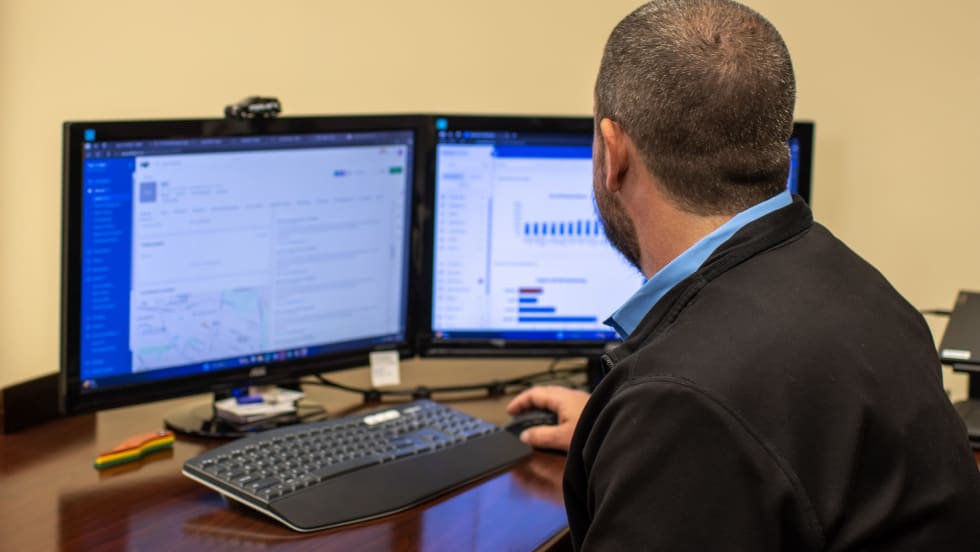
How School Bus Fleets are Getting Ahead of Breakdowns
Don’t let bus downtime wear you down. Here’s how bus operators are shifting from manual processes to AI-powered, data-driven maintenance systems for improved reliability and safety.
Read More →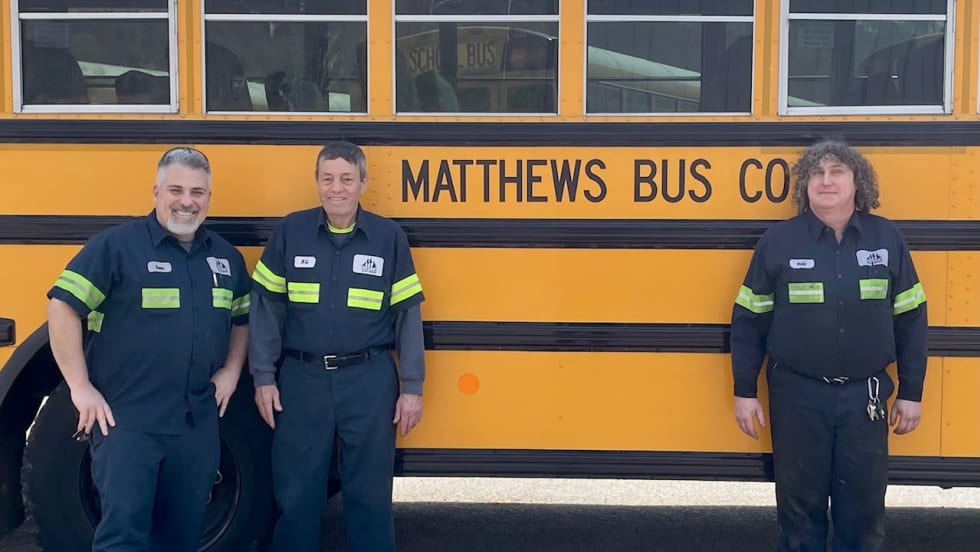
Pennsylvania School Bus Maintenance Team Praised for Dedication to Safety
Matthews Bus Company’s West Jefferson received a letter of commendation from the Pennsylvania State Police for their fleet inspections.
Read More →
From Chaos to Clarity: How School Districts Are Running Leaner Transportation Operations
Covering 38 routes on a Friday afternoon. Buses idling while routes overlap. Parents calling nonstop about late arrivals. Sound familiar? This whitepaper explores how district transportation leaders solved these exact problems — and what measurable results followed.
Read More →