




Making positive changes at a new operation
With budget cuts in effect, it is imperative to save the district money in any way possible, from route changes to regulating driver hours to obtaining a top-of-the-line preventive maintenance program.

The beginning of school is challenging for any transportation director, but it is especially difficult after entering the job mid-year, as I did at Comanche (Texas) Independent School District in 2011-12.
I faced negative budget balances and a fleet that had not been maintained for years, as well as staff turnover at several campuses. An uncertain budget for the 2012-13 school year offered a tremendous number of challenges that were unforeseen, but I felt confident that this was typical of most American public schools during these uncertain economic times.
These challenges have forged my organizational skills to new heights. With budget cuts in effect, it is imperative to save the district money in any way possible, from route changes to regulating driver hours to obtaining a top-of-the-line preventive maintenance program.
Improving maintenance
Upon accepting the position of director of transportation, I decided that the most immediate, effective way to cut costs in my budget was to develop a preventive maintenance program for the school district’s fleet.
One of the most common problems that I had discovered was that if a tire was wearing badly to one side, the fix was to put a new tire on the bus, and when it reached the point that we were replacing over two tires a year, on the front axle, it was time to take it to the shop, which is 100 miles away.
After determining why tires were being replaced at an alarming rate, it was time to put into effect a different strategy and resolve the issue. First, I checked the front axle for worn tie rod ends, kingpins and wheels. Since most of our route miles are on dirt roads, I discovered that the majority of my buses had issues with the front axle.
All necessary repairs were made, and now we do a labor-intense tire rotation program when scheduled maintenance is due. This prevents irregular tire wear.
I have cut bus trips to the outside shop from 95% to less than 5% by doing all repairs in house, by performing scheduled preventive maintenance and by being proactive.
Having an extensive background with diesel engines, I suggested the purchase of several pieces of diagnostic equipment and tools needed for the shop. The district approved these purchases. It was a huge investment but has paid for itself time and time again. I am grateful to have the superintendent’s support to create such a preventive maintenance program.
Reducing idling
Also, I developed a plan for reduced idling and explained the difference between a diesel engine and a gasoline engine when I realized that more than half of my drivers did not understand the mechanical differences between the two.
The shop foreman would start buses one hour before the drivers arrived to get them warmed up. With 17 routes and with at least an hour of idle time two times a day over 180 days of school, totaling over 6,000 gallons of diesel per school year, something had to change.
Most of my buses have the idle shut-off option in the Navistar program, so the idle time was changed to no longer than 15 minutes. I quickly saw a noticeable improvement in fuel mileage and a 75% reduction in idling time.
Just because a driver has a CDL, it should not be assumed that he or she understands the mechanical components of a school bus. Drivers were starting buses up before the glow plug light went off, shutting the engine off immediately after parking, not allowing the turbo to cool, and revving the engine to warm up the bus faster. It is imperative that drivers understand that they are not driving an ordinary vehicle.
Changing routes
I implemented other changes that seem to be making a big difference. As I became more familiar with the routes, I changed the routes by cutting out door-to-door services for in-town routes.
Regarding out-of-town routes, drivers were driving up driveways, hitting tree limbs and damaging mailboxes — not to mention that the driveways are made for cars, not school buses. It was extremely hard to cut out door-to-door service for the rural riders. But after a year of not driving up driveways, the phones finally quit ringing with complaints.
I discovered that when drivers are paid by the hour, some take full advantage and drag the route out as long as they can and cater to riders as much as they can. This was one of the main reasons for the changes to shorten the routes. These changes actually shortened the time kids were on the bus and helped with fuel consumption, mileage and wear-and-tear.
Additionally, I made some simple changes to a few routes. Our district has four campuses. After school, the buses pick up at the elementary first and end with pickup at the high school. Five of the 17 buses were transporting students back to the elementary crosswalk, which is located on a major road, causing major congestion.
I converted the five routes that were dropping off at the elementary into one route, eliminating the congestion due to multiple stops in this area. This ultimately allowed for the accommodation of a 30% increase in riders on other buses this past school year.
Team building
This was one of the most trying times in my career, but with a lot of hard work, dedication and working with all my staff, I do believe that we have one of the best programs around.
Most drivers were extremely supportive of “change,” a few were not, but now I could not ask for a better crew.
These difficult economic times require organization of school bus maintenance as well as adjusting routes. And of course, good communication is a key element in any successful program.
More Management
The Link Between Emotional Intelligence and School Bus Safety
How can emotional intelligence help transportation pros navigate stress, manage change, and build stronger relationships? Listen to find out.
Read More →
What Emotional Intelligence Has to Do With School Bus Safety
In this video, discover how emotional intelligence can help transportation leaders and drivers navigate stress, manage change, and build stronger relationships. The Route is sponsored by IC Bus.
Read More →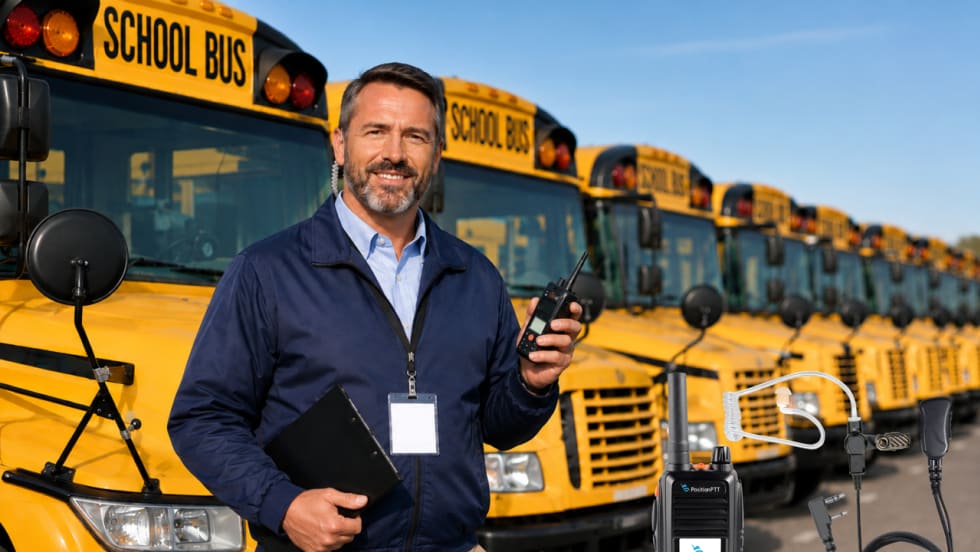
Beyond Two-Way Radios: School Bus Communications Evolve With Push-to-Talk Over Cellular
PRYME Radio and PositionPTT join forces to advance hands-free radio use and reduce distracted driving. See how PoC compares with traditional radios on range, cost, safety, and connectivity.
Read More →
Have School Districts Adapted to Bus Driver Shortages or Simply Accepted Less Service?
According to a recent report from HopSkipDrive, many districts appear to have recalibrated what "normal" transportation service looks like.
Read More →
Reliable Transportation Linked to Better Student Outcomes, New EverDriven Study Finds
See why new research suggests transportation consistency improves student outcomes while influencing attendance, funding, IEP compliance, and family trust.
Read More →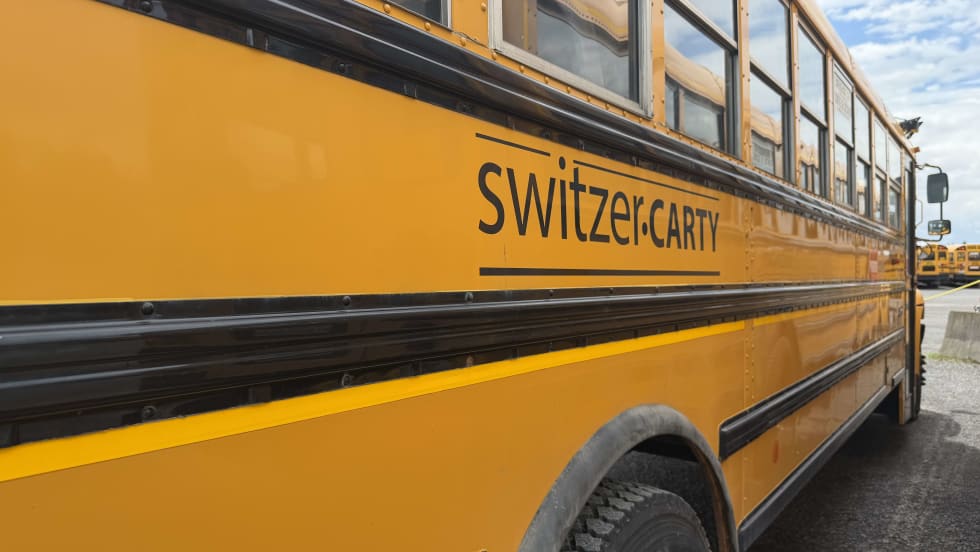
Switzer-CARTY Enters the U.S. with New Acquisition
The Canadian contractor’s acquisition of Minnesota-based Agnes Corporation marks its first cross-border expansion into the United States and adds 350 vehicles.
Read More →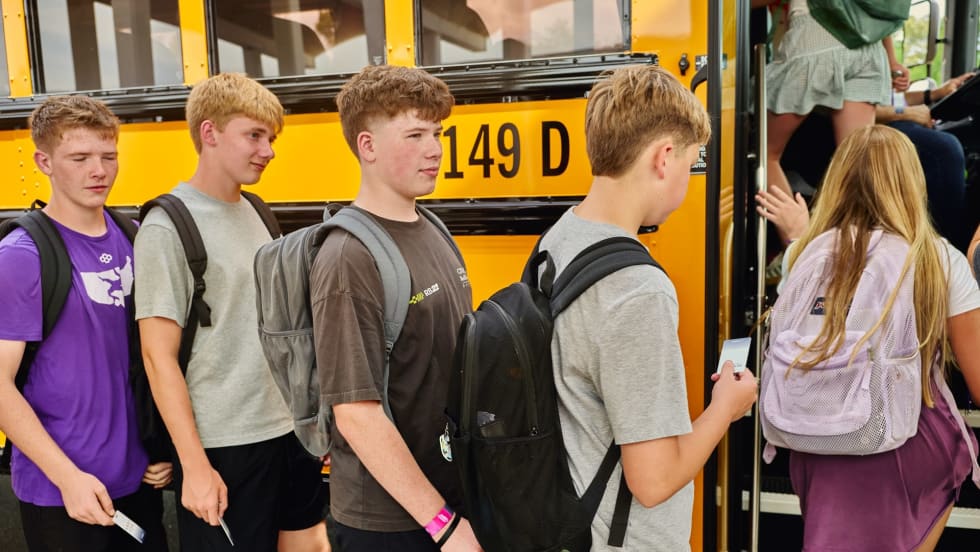
BusRight Adds New Rider Tracking Technology
Safety Pass is an NFC-based student ridership tracking solution that provides real-time boarding and drop-off data to improve school bus safety and family communication.
Read More →
EverDriven Launches RideAware App With Real-Time Student Ride Visibility
The updated platform’s new features improve communication among caregivers, districts, and drivers while streamlining trip updates.
Read More →
How School Transportation Departments Can Help Acclimate New Riders to the Bus
Here's how transportation departments can turn first-day jitters into confidence for students and parents alike.
Read More →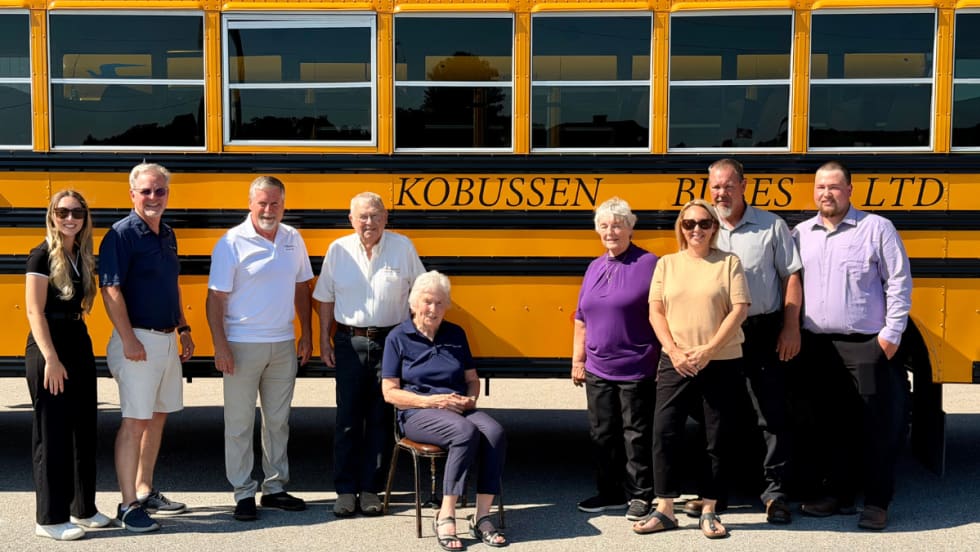
Neighbors Helping Neighbors: Nearly 90 Years of Safely Transporting Wisconsin Students
From one farmer's act of service to a fourth-generation family business, Kobussen Buses reflects on nearly 90 years of earning the trust of Wisconsin families.
Read More →