




In Case of Fire, Keep Buses Rolling
It’s 3 o’clock in the morning, and you are startled from a sound sleep by the sound of your telephone ringing. As you hesitantly answer the call, half...
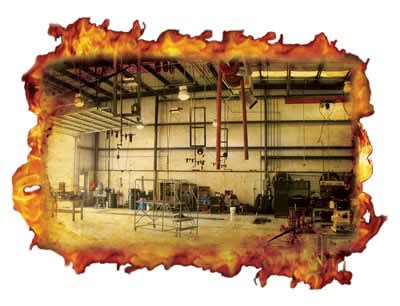
It’s 3 o’clock in the morning, and you are startled from a sound sleep by the sound of your telephone ringing. As you hesitantly answer the call, half expecting it to be an over-zealous driver calling in sick, you suddenly realize the voice on the other end of the phone is your local fire chief. He calmly and directly informs you that they are on location at your bus garage and there is a working fire in progress with heavy damage.
As you scramble from bed to get down to the garage, many different thoughts will be racing through your mind, the most important of which is how your operation will function a few hours from now when children have to get to school.
One would think that a serious fire, explosion or collapse at your transportation facility would bring your operation to a screeching halt or at least close school for a couple of days. Based on the geography of your campus, this could be the case. However, planning ahead for this contingency could allow you to continue to transport children to school, and no one would ever know you lost your bus garage only three hours earlier unless they watched the news.
Most fires that “get away” generally start during hours when there is nobody around to stop them. Many fires in commercial structures can burn for hours during the night because they are mostly unoccupied and located away from areas where passers-by might see and report the emergency.
Think about the items you could lose: your computers, student records, routes, bus keys, bus maintenance records, base station radio — and the list goes on. Consider these next few tips, and see how they might apply to your operation in case you experience the “big one.”
Fire prevention works
If you look over your entire school district, no facility is more prone to fire or explosion-related incidents than a bus garage, where considerable amounts of petroleum products, wiping rags, paints, solvents and cleaners are stored. In addition, welding or cutting with torches is done on a regular basis, and most garages are locked up tight over nights and weekends to prevent mischief or vandalism.
Do your own fire inspection on a weekly basis to ensure the proper storage of hazardous items and regular disposal of trash. Make sure your fire detection system is operational and tested or serviced on a regular basis. Make sure that the local fire department has access to your facility at all times. Avoid blocking driveways and fire hydrants, reminding employees to park cars and buses elsewhere.
Also, consider what percent of your fleet is kept indoors or parked up against the building. If 100 percent of your fleet is indoors, a large fire or explosion can damage or destroy your entire fleet, or help spread fire throughout the facility. Consider keeping a portion of your fleet outside, if you have the space. Some departments are working out of small facilities built years before their fleets grew to large proportions. Tight quarters cannot be helped, but if you have the space, use it.
In most transportation operations, there are two sets of keys to the fuel pumps, gates and buses themselves — the everyday working keys and the back-ups. Back-ups are normally kept in lock boxes in the office or head mechanic’s area. Working sets in the building may be hanging on peg boards in the drivers’ room or in drivers’ mailboxes. Consider keeping a third complete set in a fireproof cabinet or in a lock box in another district building. A clean, dry, organized set of keys to your fleet or fuel pumps is a blessing when your building is reduced to rubble.
Invite your local fire department for a drill at your garage at least once a year. Allow them to use a smoke machine inside your building, place trucks in your lot and lay empty hose in your building. Show firefighters your building in the daylight so they know what they will be crawling into in total darkness. Gathering information and planning ahead can make a huge difference in case of a real emergency and can significantly reduce damage and the potential loss of life.
Protect vital records
Take a walk around your facility and look over your office and records storage areas. Your office contains your current management and routing information. Chances are, your computers hold all of your student data and other information vital to your day-to-day operation. If you are a small, one-building operation, your records storage could be the size of one file cabinet. However, if you are a large-scale operation, you could have rooms full of old student data, employee records, bus maintenance documents, old routes, etc.
If your operation does not have a fairly new laptop computer with a healthy hard drive, you could be at risk for real problems if you cannot back up vital information to a server in another location. You should make every effort to download your routes and student data to your laptop so in the event of a total loss of your office, you can work off the laptop at a remote location. You can also begin to rebuild working copies from those stored in your laptop. As far as old record storage goes, fire-rated rooms or storage cabinets are an option to explore.
If you operate in a medium- to large-size operation, preparing for mobile office operations could prove beneficial in a fire or other disaster situation at your transportation facility. A district or company vehicle or the supervisor’s or safety coordinator’s personal vehicle should be equipped with a cell phone and two-way radios set to your bus and school building security frequencies. Connections in the vehicle to power the laptop would also be beneficial for long-term mobile operations of your fleet. At the very least, you would be able to keep your fleet running while you secure alternative office arrangements.
Bus repair and maintenance
The safe and efficient operation of your bus fleet depends on regular school bus maintenance. The total loss of your facility could seriously compromise your ability to provide day-to-day troubleshooting and preventive maintenance schedules. If you operate in a state that requires regular DOT-type inspections, a working maintenance facility is the key to compliance.
The time to search for a repair facility is not after yours collapses. You should take time to speak with local heavy truck repair shops or other school facilities in your area. Check to see how heavy their workload is and if they have facilities to accommodate the size and weight of your vehicles. Also, verify that they have the ability to handle servicing your vehicles over a long-term period, if needed. This is also a great time to work out financial arrangements for this service. Considerations should also be given to your fueling needs. Verify in advance what facility could handle your fuel type and volume requirements, and possibly establish credit and billing accounts in advance.
Temporary fleet storage could also be an issue, depending on the amount of damage to your facility. Form a plan to store buses at various school buildings. Also consider making up a list of drivers who have driveways large enough to accommodate their bus. Out-posting a portion of your fleet could be a viable option if the fleet cannot be stored at your facility for a period of time either during the disaster or during reconstruction.
Keep a positive attitude
The loss of your facility could be one of the most difficult things you are faced with during your career in transportation. No matter how hard it may be, keep your game face on. Prove to your bosses, school board members, employees, community and, most importantly, your students that they are in good hands. Prove to them that your pre-planning has minimized losses and reduced the disruption of service. Show that from the moment you got that 3 a.m. phone call, you were in control and your team was ready.
Michael Dallessandro is transportation supervisor at Lake Shore (N.Y.) Central School District and a frequent contributor to SCHOOL BUS FLEET.
More Management

How to Build a Better Driver Training Program
Ready to boost up your school bus instructor training? Here’s how to pick the right talent and improve recruitment, retention, and safety.
Read More →
CALSTART and Forth Combine to Form Catalyst Mobility
The new name represents a renewed vision for the nonprofit focused on advancing clean, equitable, and affordable transportation solutions that move people and goods.
Read More →
What Makes a Great School Bus Driver Trainer?
Choosing the right school bus driver trainer takes more than experience. Learn six keys to selecting and developing trainers and evaluating program effectiveness.
Read More →

School Bus Contractors Expand Through New Deals, Acquisitions & Partnerships
STA's Canadian division acquires Ontario-based G&L Stevenson Transport; Durham School Services adds a new district in California; First Student expands in New Jersey; and Minnesota Coaches rebrands and acquires Halo Transportation.
Read More →
Logan Bus Company Rolls Out AI Phone System for NYC School Bus Families
A summer pilot found that AI agents could handle most routine calls, freeing up time for customer service staff to focus on emergencies and complex family concerns.
Read More →
From Intent to Impact: What I Learned About Leadership from TAPT
A Texas transportation supervisor shares lessons on self-awareness, accountability, managing stress and building trust — and why investing in leadership development matters at every stage of your career.
Read More →
NAPT Names 2026 Award Recipients, Hall of Fame Inductee
Who earned national recognition for their work in student transportation? This year, NAPT named five recipients of its 2026 awards for service, safety, and leadership, plus its newest Hall of Famer.
Read More →
2026 State of Student Transportation Report
Driver shortages. Rising costs. Growing safety expectations. More data, but not enough time to act on it. The 2026 State of Student Transportation Report reveals what transportation leaders say is putting the most pressure on their operations—and where they’re investing next. See how your priorities compare.
Read More →
How to De-Escalate an Angry Person: 5 Steps for Handling Workplace Conflict
What makes emotions run high, and how should you handle an angry colleague or parent? Follow these steps for staying calm, listening, showing empathy, and resolving conflict.
Read More →
What Readiness Looks Like This School Year
Learn about the challenges shaping the 2026–2027 school year, from persistent driver shortages and budget pressure to technology and readiness gaps. See how school districts are responding and adapting in Zonar’s 2026 Back-to-School Readiness Report.
Read More →