




How to take advantage of OT/PT staff's expertise
More and more transportation officials are realizing how important therapists are in school transportation. The question, then, is how can we begin to bridge the gap between therapists and the transportation department?
Few occupational therapists (OTs) or physical therapists (PTs) are trained to work in the school transportation environment. Pediatrics is a specialization within the therapy profession, school system therapy is a further specialization and school transportation is virtually ignored. Thus, many therapists working in school systems are reluctant to become involved in school bus transportation. This is a problem because more and more transportation officials are realizing how important therapists are in school transportation. The question, then, is how can we begin to bridge the gap between therapists and the transportation department?
Ask for a guest lecture
The first step is to tap into the expertise of pediatric OTs and PTs. You might want to start by asking them to give an in-service lecture on different types of disabilities, such as cerebral palsy, spina bifida and muscular dystrophy. Then arrange some brain-storming sessions on how these disabilities could affect transportation. For example, a boy with Duchenne-type muscular dystrophy can walk, but cannot negotiate the bus steps. What do you do? One solution is to put the youngster into a wheelchair (provided by the school system) and load him into a lift-equipped bus. Once inside the vehicle, he could then be transferred to a bus seat. The transportation staff can also request an in-service on proper body mechanics for lifting and transferring students from their wheelchairs to the bus seats. Help in this area could reduce the number and severity of injuries to drivers and attendants and, consequently, lower your worker's comp costs. Plus, by asking the therapist for these two in-service presentations, you are beginning to build that bridge. (Flattery can go a long way.) Once you've established a link with your therapists, you might want to go a step further.
To give them a firsthand understanding of wheelchair transportation, why not invite them to bring wheelchairs to the bus compound? Then, ask the therapists to go for a ride in the bus - in the wheelchair. Put them through the entire process: riding the lift, having their chairs tied down and going for a ride. And don't just drive around the compound; venture out into traffic. This experience should provide them with new insights into special-needs busing, both from the perspective of the driver and the passenger. Don't limit this experience to OTs and PTs. After all, how many transportation supervisors, route coordinators, drivers or mechanics have been in a wheelchair? Encourage your staff to talk to OTs and PTs about specific problems. For example, therapists could be asked to describe the proper posture of wheelchair students. If a child is always poorly positioned in his wheelchair when the driver arrives to pick him up at his home, she could alert the therapist, who could work with the parents on how to lift and position the child more appropriately. In addition, if the wheelchairs need repair - or replacement - the OTs and PTs can work with parents on those tasks.
If possible, return the favor
As I noted earlier, therapists are not traditionally taught about school transportation. If you have the opportunity to attend a pupil transportation conference, share the information with your school therapists. You could also help sponsor a transportation workshop for OTs and PTs and provide them with the names of other OTs and PTs involved in transportation - peer support can help a lot. Once you have started to get your therapists involved, make them part of the transportation team. As members of this team, the OT and PT can then assist with decision-making. It may take a little time to build the bridge between the transportation department and the OT/PT staff; however, once that bridge has been completed, communication becomes a two-way street.
Jean M. Zimmerman is a district resource therapist for occupational and physical therapy at the School District of Palm Beach County in West Palm Beach, Fla.
More Special Needs Transportation
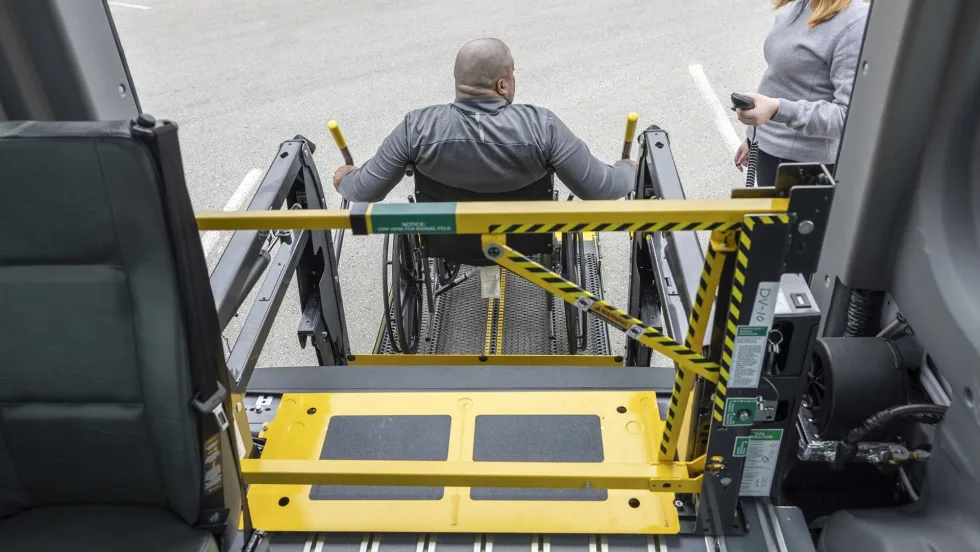
BraunAbility Introduces New Safety Barrier for Wheelchair Lifts
LiftSentinel is designed to add another layer of protection during wheelchair loading and unloading and can be retrofitted to many existing commercial lift installations.
Read More →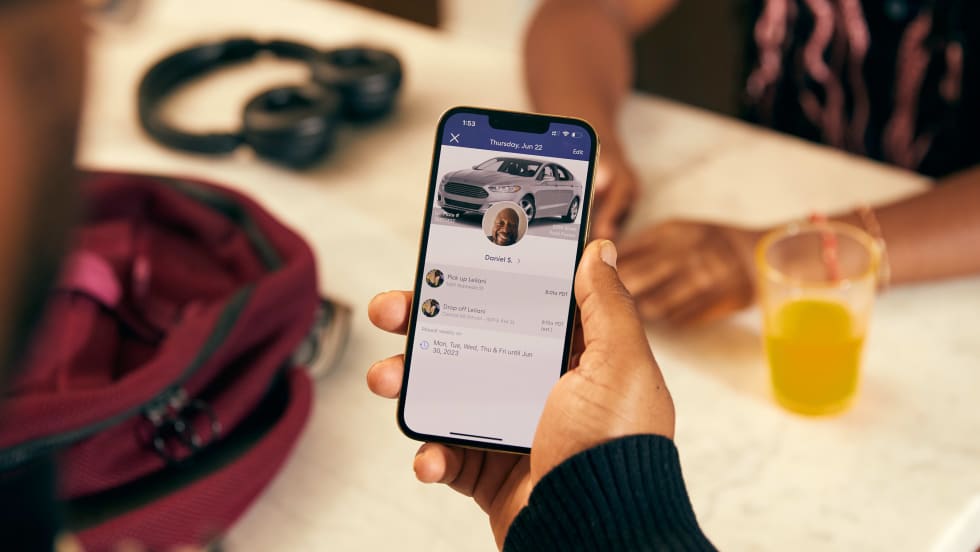
HopSkipDrive Launches New Safety, Driver Consistency Features for 2026-27 School Year
The company’s free ride recording, live ride tracking, and consistent driver assignments aim to improve safety and continuity for diverse student transportation needs.
Read More →
The Most Common Wheelchair Securement Mistakes on School Buses (and How to Fix Them)
Small missteps in wheelchair securement can have serious consequences. Here are 32 tips from experts to reduce risk and increase student safety on the bus.
Read More →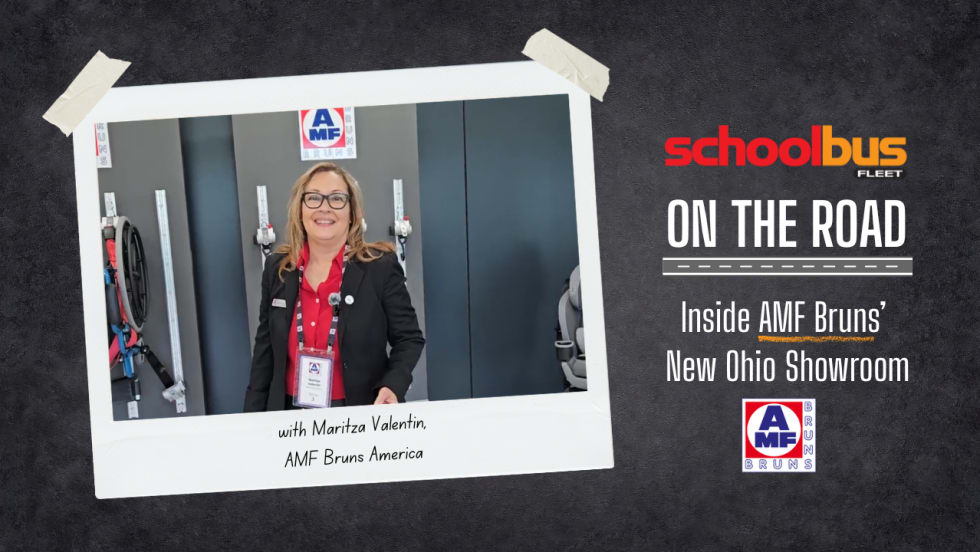
Inside AMF Bruns’ New Showroom: School Bus Securement Solutions Explained
Go inside AMF Bruns America’s new Ohio showroom with Maritza Valentin to see its FutureSafe technology, driver training tools, securement systems, and seating innovations.
Read More →
What AMF Bruns’ New Facility Means for Customers [Video]
Inside AMF Bruns’ new Stow, Ohio, operations: See how expanded space and innovation will enhance customer support and operations.
Read More →
AMF Bruns Expands in Ohio, Investing in Growth and Community
With expanded production space, local investment, and a growing workforce, AMF Bruns is scaling its U.S. presence. Here’s an exclusive first look inside the new Stow, Ohio, HQ.
Read More →
Inside AMF Bruns of America’s New Ohio Manufacturing Facility [Photos]
Take a behind-the-scenes look at AMF Bruns of America’s new 41,000-square-foot Stow, Ohio, headquarters, featuring advanced manufacturing, expanded space, and future-ready mobility solutions.
Read More →
First Student Boosts Student Support in Wichita & Texas
First Student and Wichita Public Schools are using behavioral support strategies to improve student ride experiences, while a separate initiative expands access to after-school programs through a bus donation.
Read More →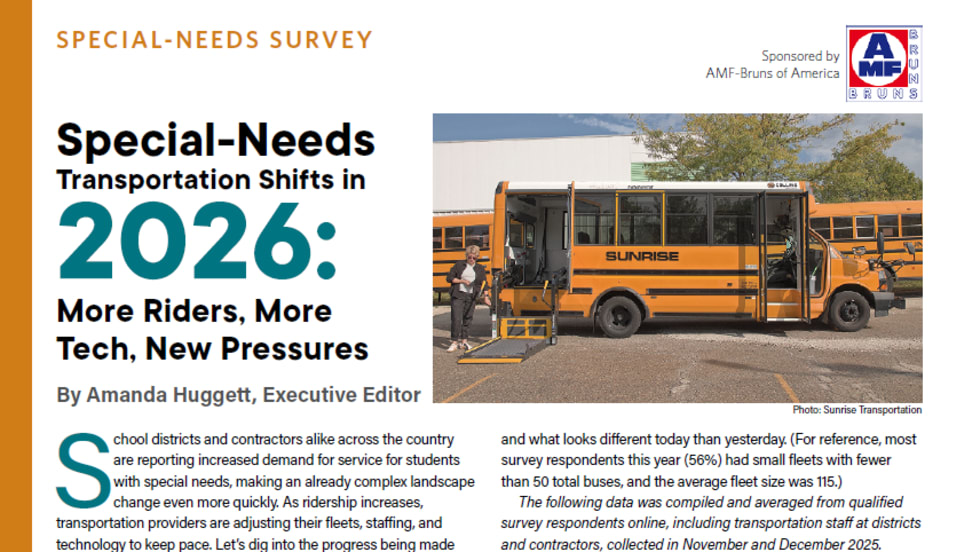
2026 Special-Needs Transportation Survey
What’s changing in special-needs transportation? This year, student transportation operators report a rising need, easing driver shortages, growing tech adoption, and evolving challenges. Sponsored by AMF Bruns of America.
Read More →
The Lived-Experience Gap in Mobility Tech: An Expert Take on Safe Student Transportation
Brianna Pauwee, a product application specialist at AMF Bruns of America and a wheelchair user, drops in to The Route to share practical securement and training insights, plus the story behind the new “Beyond Mobility” podcast. The Route is sponsored by IC Bus.
Read More →