




Preventive Maintenance Checklists: Key to Thorough School Bus Repairs
How to Make School Bus Seat Repairs Last: 7 Expert Tips
Tired of school bus seat repairs that peel or get picked apart? Here are some tips for stronger vinyl repairs that hold up to everyday use.
by Jerry Davidian, DuraMend
November 23, 2026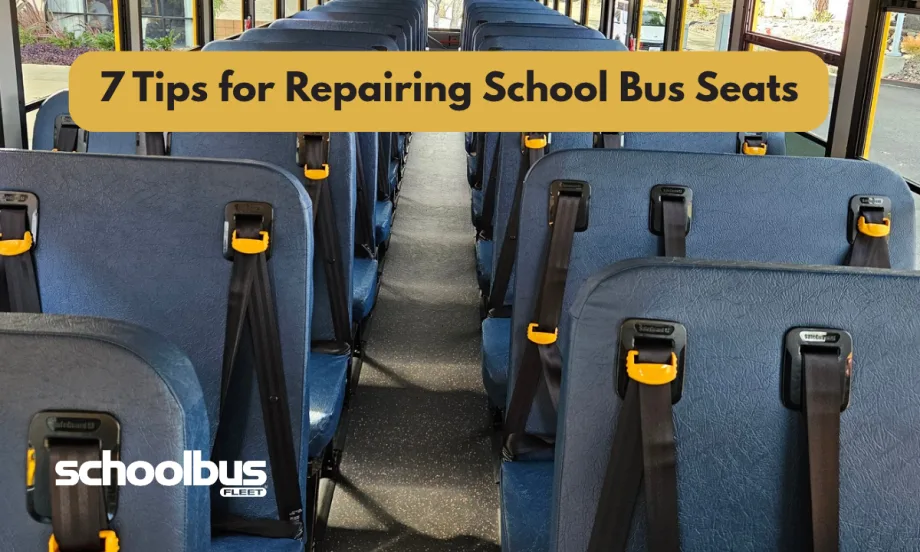
Credit:
Amanda Huggett/School Bus Fleet
4 min to read
Inspections are coming up, and you need to repair your vinyl seat covers, but this task hasn't gone well in the past. Besides having more vinyl repair compound on you than on the repair, the student passengers end up picking away your work within a day or two. This is a messy job, and you never leave feeling accomplished. Maybe you have been in this situation.
Here are seven things you can do to make vinyl repairs better, stronger, and pick-proof.
1. Clean the repair area.
Something is better than nothing. If you don't have a specific vinyl cleaner, make a soapy solution with diluted dish soap and water. Simple Green, 409, or similar cleaners will also work. Gather a few terry cloth or microfiber towels, scrub the areas around the damage, and wipe dry.
Keep any moisture out of the inside of the seat covers. Moisture is kryptonite for vinyl repair compound and will prevent it from adhering properly. If you do get any moisture back there, dry it out before proceeding.
2. Use a scrub brush with cleaner to break up and loosen the embedded dirt.
The cleaner and towel alone will not adequately break up and loosen the grime. The surface is contaminated much more than you can see or feel. Grime is often ground in.
3. Prep the repair area.
Beyond cleaning the damaged area, you need to prep it. Use isopropyl alcohol (70% or higher) and aggressively wipe over the areas where compound will go. Let the liquid sit for five to 10 seconds before wiping dry. Wipe firmly & repeat this step.
The solvents in the alcohol are needed to “wake up” the surface and allow the compound to stick. Allow the solvents to dry and flash away before proceeding. If vapors are trapped underneath the compound, adhesion will be compromised.
4. Cook the compound at the correct temperature.
Use a heat gun set to about 650 degrees F. Temperatures ranging from 550 to 700 are fine. Temperatures below 500 will take much longer to fully cook, and temperatures above 700 make it hard not to burn and scorch the compound.
A proper heat gun is mandatory — not necessarily expensive, but it must have the right heat setting. Open-flame torches are a terrible option because they are far too hot.
5. Cook the repair compound properly.
Cooking vinyl repair compound all the way through is critical for making strong, pick-proof repairs. Apply the compound in thin layers and heat each layer long enough so that it turns very shiny and wet-looking. With the proper heat setting, you want to keep the end of the heat gun only about a half to 1 inch away from the surface.
Move the heat gun in tight circles in a continuous motion. This will keep the surface from scorching. Build up the repair with thin layers of compound, properly cooking each layer. When in doubt, cook the compound longer. It will only make stronger repairs.
6. Keep the repair area confined.
Take only small amounts of repair compound from the jar to the repair area. Taking too much will only create a “smeary” mess and make the repair area bigger.
Spread the compound with finesse. Apply it slowly, with control. Take special note of this because it is very easy to make the repair area bigger very quickly. Thicker compounds are easier to control and keep confined to a small area.
7. Keep the compound flat and smooth when spreading.
Make sure there are no ridges or edges that little fingernails can get under and pick at. This detail is important for strong, pick-proof repairs.
For more help with repairs, check out these training videos to see the full process in action.
About the Author: Jerry Davidian has been repairing vinyl seats since 1989 and has owned Refinish Coatings since 2010. With over 35 years of experience training technicians in the automotive and aviation industries, he emphasizes making repairs as efficient and successful as possible. In the past three years, Refinish Coatings has expanded its focus to the school bus repair industry, recognizing a need for these skills to be taught. Davidian has seen countless mechanics struggle without instructions or guidance on this cost-effective method of repairing seat covers. He aims to share his knowledge and product line with school bus professionals, build skills, and help ensure high-quality repairs nationwide. He can be reached at jerry@duramend.com or 216-398-5100.
This article was authored and edited according to School Bus Fleet editorial standards and style. Opinions expressed do not necessarily reflect that of SBF or Bobit Business Media.
Subscribe to Our Newsletter
More Maintenance
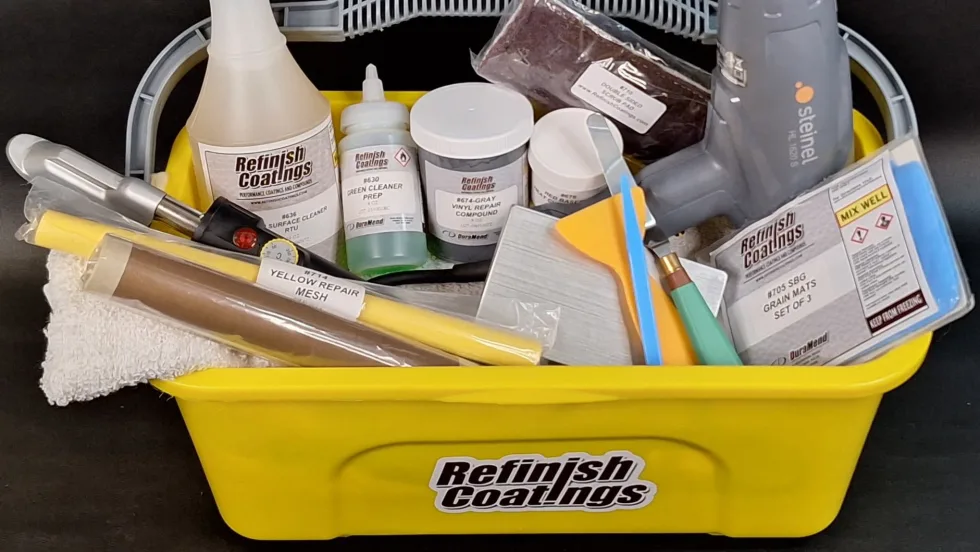
Refinish Coatings Launches School Bus Seat Repair Kit
A new all-in-one vinyl seat repair kit comes with color-matched compounds, tools, and supplies to fix tears, holes, and punctures that kids won't be able to pick.

Easy Ways to Reduce School Bus Emissions: Q&A with John Gonzales
Learn how preventive maintenance, driver training, reduced idling, smarter routing, and the right fuel choices can help districts reduce emissions — without investing in new buses.
BendPak Launches Ranger DST30PX Wheel Balancer
BendPak's new wheel balancer handles tires up to 43 inches in diameter, with a reinforced design, precise weight placement, and faster service cycles.
Tips for Ensuring School Bus Garages Are Safe and Warm Year-Round
Cold maintenance bays and rising heating costs? Learn how school bus garages can improve comfort with targeted heating, better airflow, and winter preparation.
ASE Highlights School Bus Technician Certification Requirements
ASE is encouraging school bus maintenance professionals to maintain their certifications, highlighting seven specialized tests and five-year renewal requirements.

International Adds E-Commerce Capabilities to Fleetrite.com
IC Bus customers can now browse, buy, and track shipments for more than 400,000 aftermarket parts online.

The Most Expensive Thing You Do Before Selling a School Bus: Wait
When should you sell an aging school bus? Learn how maintenance, mileage, corrosion, specifications, and timing can affect resale value long before the auction.
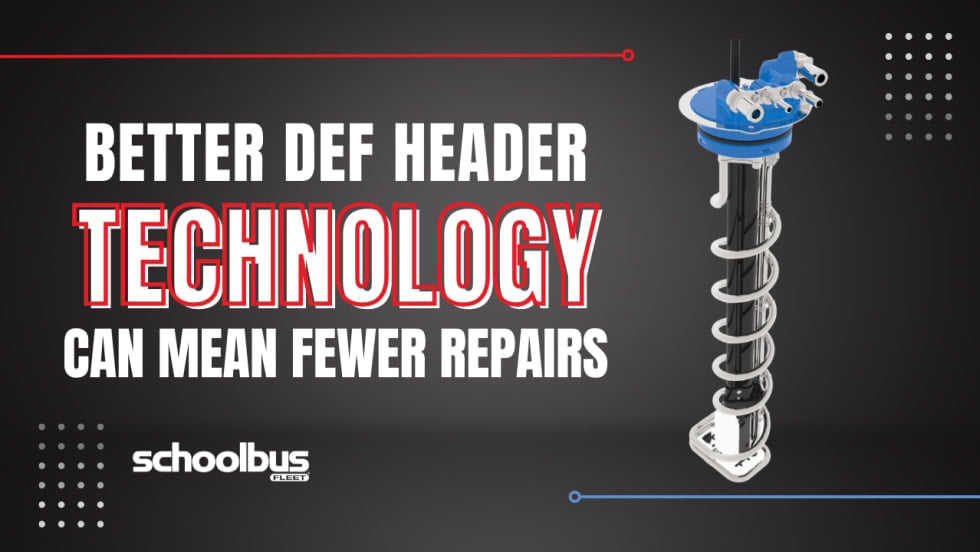
The Evolution of DEF Header Technology: What School Bus Operations Should Know at Replacement Time
See what school bus fleets should consider when replacing DEF headers to improve reliability, reduce repeat repairs, and control maintenance costs.
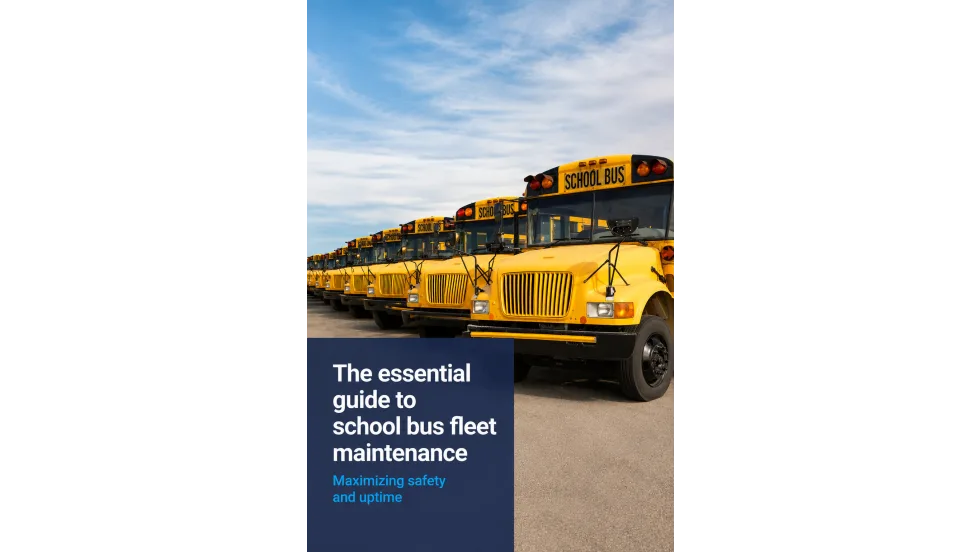
Sponsored•September 8, 2026
The Essential Guide to School Bus Maintenance and Student Safety
Your district's buses carry students to school every day. This guide shows how predictive maintenance powered by fleet data helps keep buses reliable, drivers accountable and students safer from the first bell to the last stop.
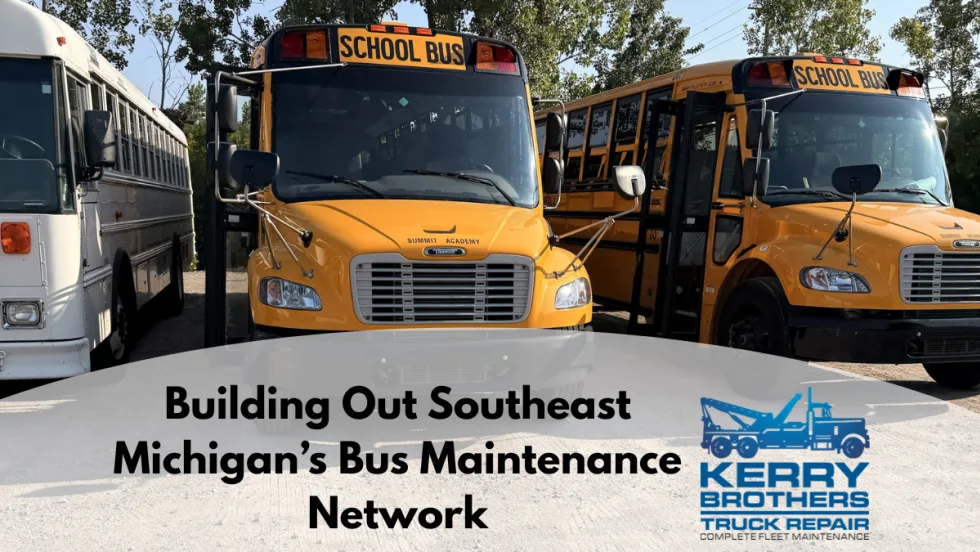
Kerry Brothers Grows Michigan School Bus Repair Network
The acquisition of Downriver Truck and Bus expands Kerry Brothers’ school bus maintenance footprint across southeast Michigan, adding repair capacity, diagnostic resources, and state inspection support.