




How to Defend Fully Funding Special-Needs Transportation
Requirements for transporting non-disabled students vary widely by state and may be subject to far-reaching cuts, but requirements for disabled students are governed by IDEA. Still, opportunities exist to boost efficiency and reduce expenses.
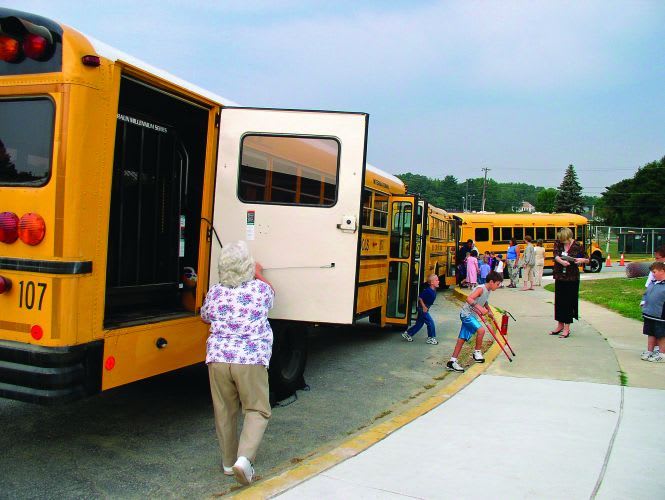
Across the nation, school districts are reporting difficulty in meeting requests from school boards and superintendents to further reduce the cost of transporting students to and from school. The current economy has forced some school transportation service providers to implement drastic changes in service to achieve cost reductions.
Many transportation directors are frustrated because they feel there is nothing left to cut without jeopardizing safety. Recently, a director of transportation shared with me that he recommended eliminating yellow bus services for non-disabled students, rather than operating in an unsafe manner. He suggested only serving disabled students. His superintendent of schools recognized that this solution would be extremely unpopular and wisely made the decision to not make further cuts in the transportation budget.
Variety of requirements
Transportation requirements for non-disabled students vary notably from state to state. The spectrum goes from no requirement for school bus service for non-disabled students on one end to parent reimbursement for transporting children to and from school beyond specific mileage limits or boundaries at the other.
Eligibility criteria for non-disabled students are often based upon local law. States and local education agencies have different requirements for walking to and from school prior to meeting eligibility for school bus service, different viewpoints on the appropriate distance between bus stops, different guidelines regarding the length of school bus ride time, and completely different rules about transportation to extracurricular activities.
This past year, due to significant fiscal challenges that have caused deficits for many school districts, it has been all too common for school districts to increase walking distance, increase the distance and reduce the frequency of bus stops along a route, and reduce transportation availability to and from extracurricular activities.
Local directors of school transportation have had to reevaluate their operating budgets numerous times during the school year and maintain close scrutiny of what is essential and required by state law. Though school districts can be permitted to exceed state requirements for transportation, most, if not all, may not reduce mandated state requirements.
Different service for twins
I recently had a conversation with a parent of twins. One twin received special-education services and the related-service transportation. The other twin was served in regular education. The parent asked how her school district could justify increasing the walking distance for her non-disabled child in a high-traffic area when there was absolutely no change in services for her disabled child.
She was faced with the problem of having to drive her non-disabled child to school at the same time the school bus was arriving for her disabled child. Both children attended different schools with the same school start time. This parent was overwhelmingly frustrated and wanted an explanation of how school districts determine the differences in service delivery for non-disabled and disabled students.
I explained that the requirements for school bus service for non-disabled students and students with disabilities are very different. While differences exist between states for non-disabled student transportation, transportation requirements for students with disabilities are governed by the Individuals with Disabilities Education Act (IDEA) and are far more standardized from state to state.
[PAGEBREAK]
IDEA regulations
Transportation is a related service under the IDEA regulations and includes travel to and from school and between schools; travel in and around school buildings; and specialized equipment, such as special or adapted buses, lifts and ramps.
It is the responsibility of a child's individualized education program team to determine if transportation is required to assist a child with a disability to benefit from special-education and related services, and how the transportation services should be implemented. With this said, the challenge is how to be efficient and effective in meeting IDEA requirements for students with disabilities without diminishing service delivery for non-disabled students.
Unfortunately, too many school districts frequently look at their "regular transportation" costs in isolation from transporting students with disabilities. Looking at students with and without disabilities simultaneously may allow for potential cost savings previously unexplored. For example, integrating disabled students on buses with their non-disabled peers may result in additional bus occupancy and route reductions, thereby reducing expenses and saving money. When more students with disabilities join non-disabled students at community schools, these saving increase.
Cutting costs
The following common-sense options are frequently evaluated by school districts seeking to reduce transportation costs:
1. Purchasing equipment that can simultaneously serve disabled and non-disabled students;
2. Travel training to reduce the need for curb-to-curb pickup for students with disabilities that can walk safely to a community bus stop;
3. Evaluating Medicaid as a source of funding for the related-service transportation for students with disabilities;
4. Improved routing, especially computer-aided route design;
5. Staggered bell times;
6. And when there are no better options, reimbursing parents for their operating costs of transporting their students with disabilities (when this is, of course, mutually agreed upon by the parent and school district).
Finally, the National Association for Pupil Transportation (NAPT) wrote to the U.S. Department of Education's Office of Special Education Programs (OSEP) last year seeking information and guidance on the question of whether local education agencies may use monies from the American Recovery and Reinvestment Act IDEA Part B grants to states to purchase yellow school buses to serve students with disabilities.
Specifically, we asked OSEP whether these buses may be used only to serve students with disabilities and special transportation needs or whether buses purchased with ARRA monies may be used to provide the opportunity for integration of disabled and non-disabled populations.
To date, NAPT has not received a response to this specific question. NAPT intends to follow up with OSEP, especially given the importance of accessing all available funding to serve students with disabilities and non-disabled peers alike. I will report back to you in a future article.
Dr. Linda Bluth is president of NAPT and quality assurance specialist at the Maryland State Department of Education’s Division of Special Education/Early Intervention Services.
More Special Needs Transportation
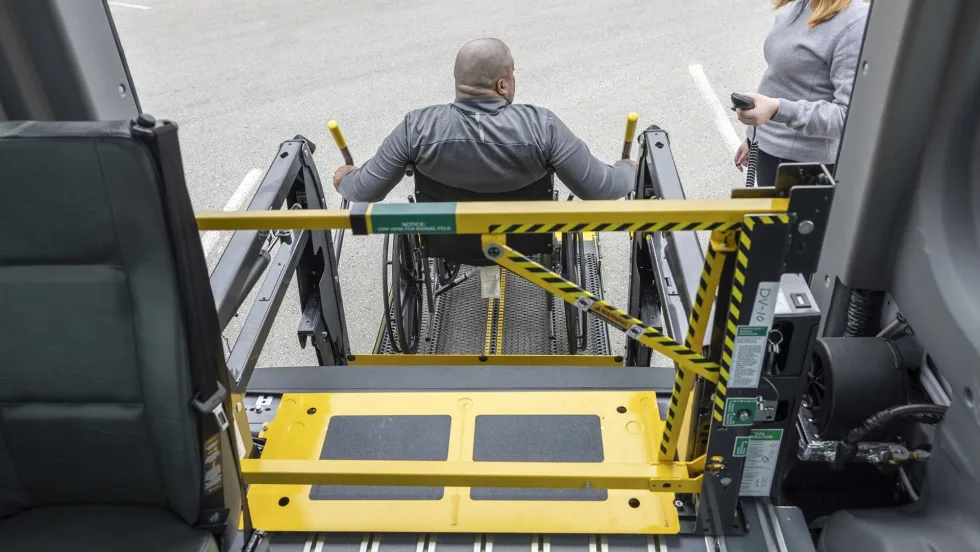
BraunAbility Introduces New Safety Barrier for Wheelchair Lifts
LiftSentinel is designed to add another layer of protection during wheelchair loading and unloading and can be retrofitted to many existing commercial lift installations.
Read More →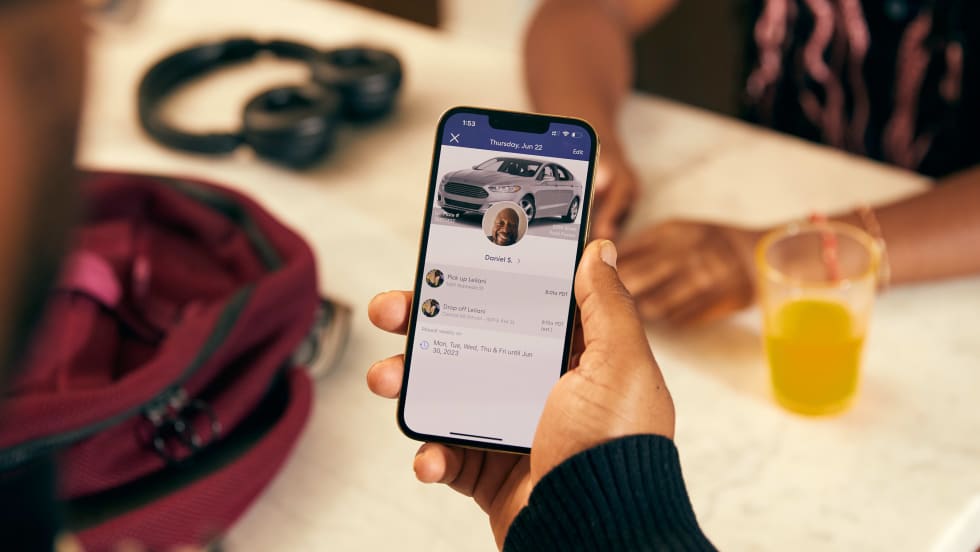
HopSkipDrive Launches New Safety, Driver Consistency Features for 2026-27 School Year
The company’s free ride recording, live ride tracking, and consistent driver assignments aim to improve safety and continuity for diverse student transportation needs.
Read More →
The Most Common Wheelchair Securement Mistakes on School Buses (and How to Fix Them)
Small missteps in wheelchair securement can have serious consequences. Here are 32 tips from experts to reduce risk and increase student safety on the bus.
Read More →
Inside AMF Bruns’ New Showroom: School Bus Securement Solutions Explained
Go inside AMF Bruns America’s new Ohio showroom with Maritza Valentin to see its FutureSafe technology, driver training tools, securement systems, and seating innovations.
Read More →
What AMF Bruns’ New Facility Means for Customers [Video]
Inside AMF Bruns’ new Stow, Ohio, operations: See how expanded space and innovation will enhance customer support and operations.
Read More →
AMF Bruns Expands in Ohio, Investing in Growth and Community
With expanded production space, local investment, and a growing workforce, AMF Bruns is scaling its U.S. presence. Here’s an exclusive first look inside the new Stow, Ohio, HQ.
Read More →
Inside AMF Bruns of America’s New Ohio Manufacturing Facility [Photos]
Take a behind-the-scenes look at AMF Bruns of America’s new 41,000-square-foot Stow, Ohio, headquarters, featuring advanced manufacturing, expanded space, and future-ready mobility solutions.
Read More →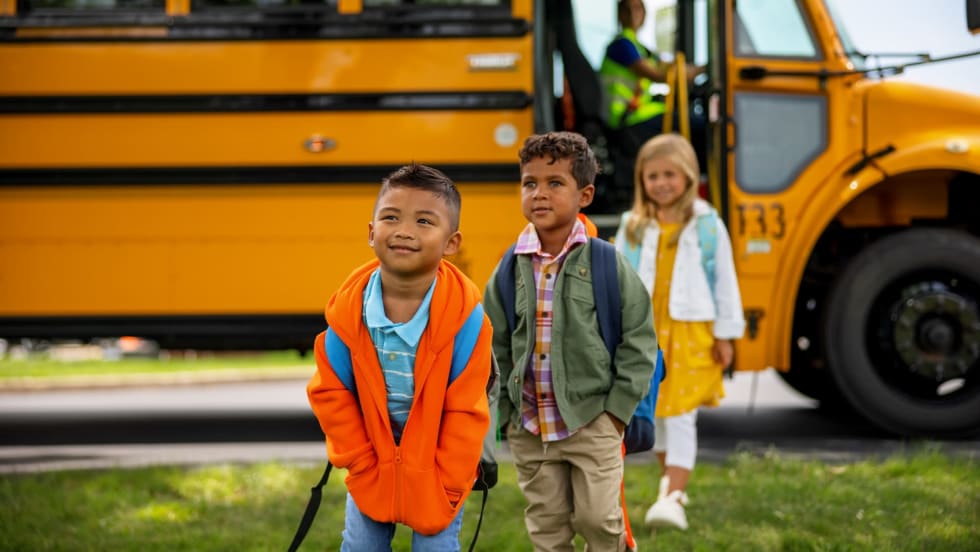
First Student Boosts Student Support in Wichita & Texas
First Student and Wichita Public Schools are using behavioral support strategies to improve student ride experiences, while a separate initiative expands access to after-school programs through a bus donation.
Read More →
2026 Special-Needs Transportation Survey
What’s changing in special-needs transportation? This year, student transportation operators report a rising need, easing driver shortages, growing tech adoption, and evolving challenges. Sponsored by AMF Bruns of America.
Read More →
The Lived-Experience Gap in Mobility Tech: An Expert Take on Safe Student Transportation
Brianna Pauwee, a product application specialist at AMF Bruns of America and a wheelchair user, drops in to The Route to share practical securement and training insights, plus the story behind the new “Beyond Mobility” podcast. The Route is sponsored by IC Bus.
Read More →