




Fitness Standards
Working odd hours in a mostly sedentary job, school bus drivers face a difficult challenge when it comes to maintaining a high level of personal healt...

Working odd hours in a mostly sedentary job, school bus drivers face a difficult challenge when it comes to maintaining a high level of personal health. Still, driving a school bus is a profession in which a certain level of physical fitness can be very important. In fact, the state of South Carolina recently adopted new minimum fitness requirements for school bus drivers, in an effort to ensure they are capable of rescuing pupils in school bus emergencies. The fitness testing went into effect this month, adding South Carolina to the short list of states with driver fitness standards. Testing is administered in conjunction with behind-the-wheel training for new drivers, and current drivers will have until July 31, 2003, to meet the requirements. The testing supplements a training video that drivers are required to view, which shows the proper ways to take students off the bus in a crisis situation. Here is a list of the newly required tests drivers must perform: • Go up and down the school bus steps three times in 30 seconds. • Alternate between the accelerator and the service brake 10 times in 10 seconds. • Fully depress and maintain constant, unassisted pressure on the brake pedal for 60 seconds. • Open and close a manually operated bus service door three times in 20 seconds. • Starting from a seat-belted position, move through the bus and exit the rearmost floor-level emergency exit door in 20 seconds. • Drag a 125-pound object 30 feet in 30 seconds.
More Management
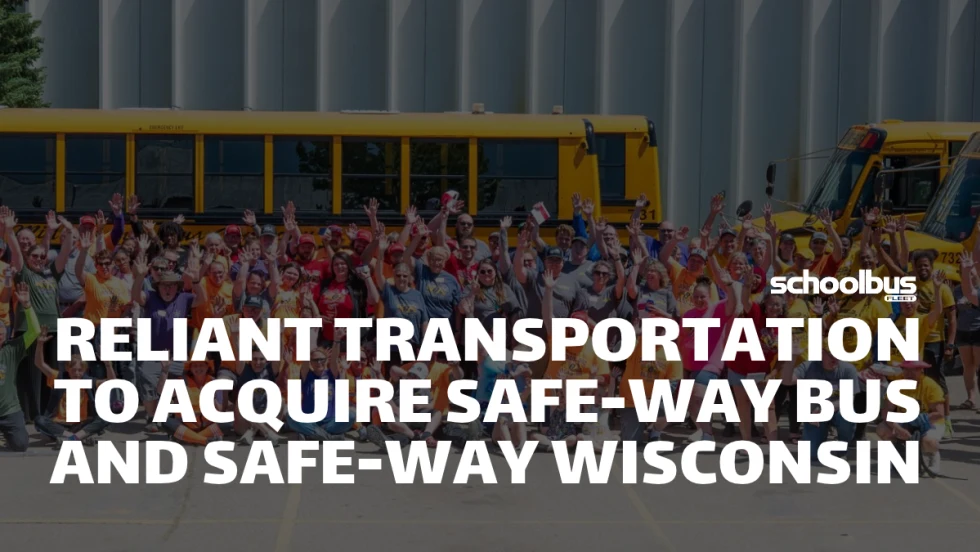
Reliant Transportation to Acquire Safe-Way Bus, Expand Midwest Operations
The Minnesota and Wisconsin-based school and charter service operator adds 160 buses to Reliant's fleet as the company continues its expansion.
Read More →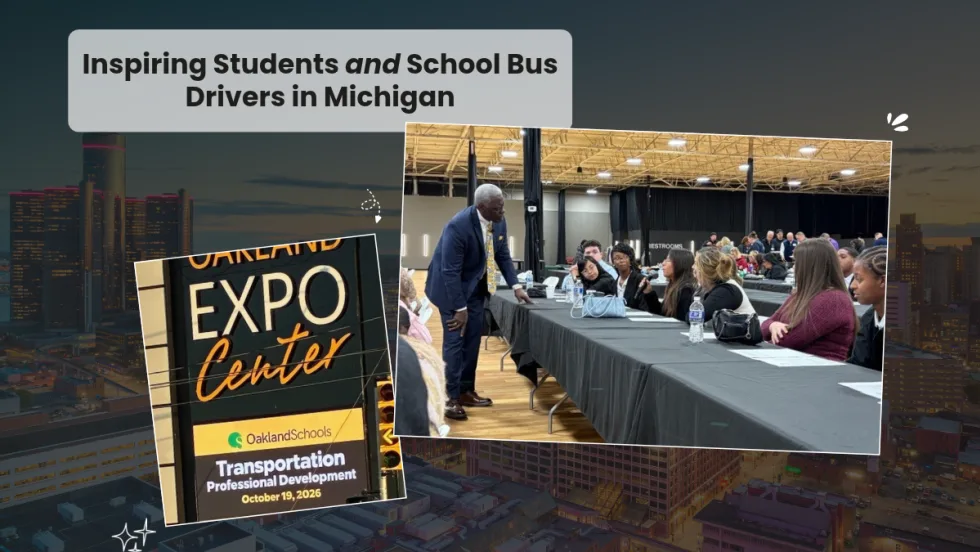
Michigan ISD Brings Students, School Bus Staff Together for Leadership Training
Oakland Schools is expanding its transportation staff training to include students, designed to build mutual respect and stronger relationships between both.
Read More →
Four Lessons Learned from My Own ‘Mount Rushmore’ of Leaders
What makes a great leader? Shannon Barnett shares what he's learned from influential mentors and why leaders should seek wisdom and pass it on.
Read More →
Changing Lanes: Catalyst Mobility, Netradyne, School Bus Logistics, Verra Mobility, Zonar
Get the rundown on who's been hired, promoted, and appointed to leadership positions at school transportation nonprofits, advisory companies, and tech providers.
Read More →
2027 School Bus Fleet Administrator of the Year: Nominations Now Open
Know a state or district-level transportation director who inspires others, leads by example, and goes above and beyond? Tell us about them for their chance to be recognized in this School Bus Fleet award!
Read More →
5 Questions: How CharterUP Brought a Marketplace to Student Transportation
What does it take to bring a transportation marketplace into K-12? Hear firsthand what CharterUP has learned about the unique needs of schools and bus operators.
Read More →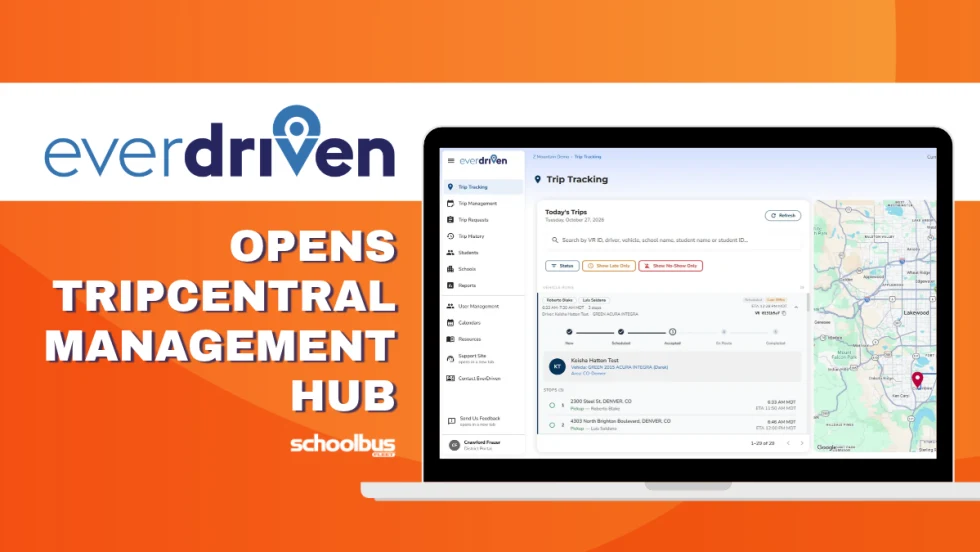
EverDriven Expands TripCentral Transportation Management Platform to All Partner Districts
The platform provides school districts with real-time trip tracking, student transportation scheduling tools, and pickup and drop-off management capabilities.
Read More →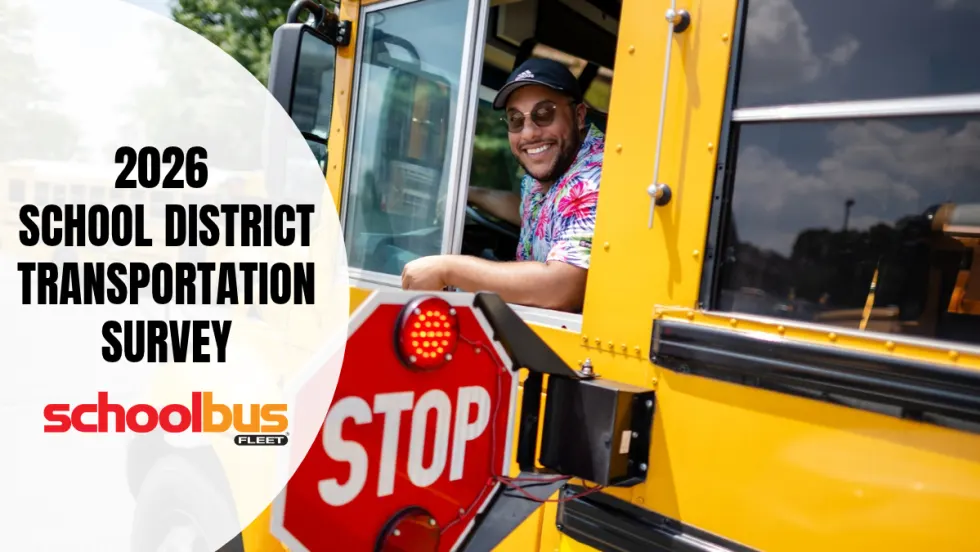
6 School Transportation Trends to Watch: 2026 District Survey Results
School bus buying is up, fuel choices are shifting, and driver shortages persist. This and more in the latest K-12 public school survey, plus the largest fleets in the U.S.
Read More →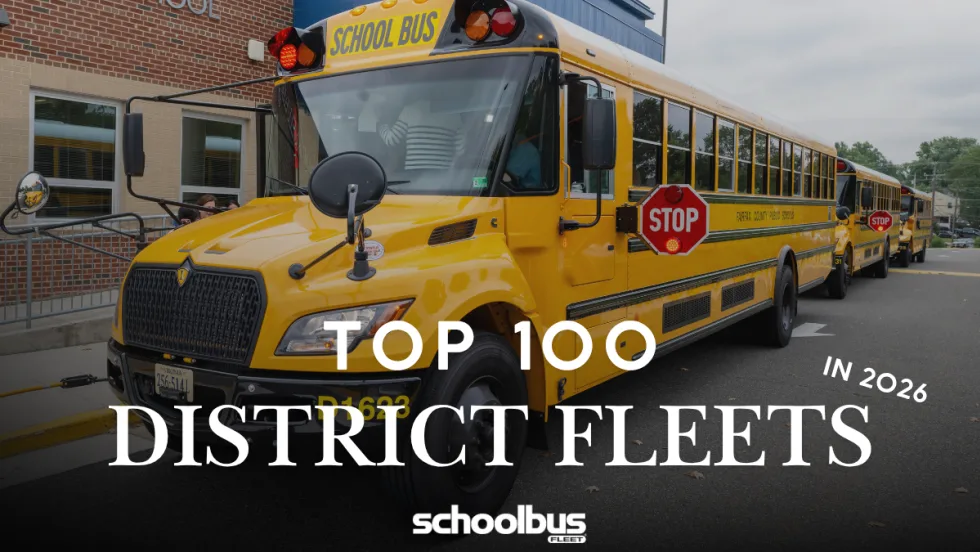
The 100 Largest School Bus Fleets in America: 2026 Rankings
Which public K-12 school districts are the largest in the nation in terms of bus fleet size? Here are the new standings of the top 100 district fleets.
Read More →
EverDriven Launches Route Consolidation Calculator to Estimate Diesel Savings
As diesel prices hit record highs, the largest alternative transportation provider says a 10% route consolidation could save a 120-route district more than $78,000 a year in fuel alone.
Read More →