




Develop Safe Habits Around Wheelchair Lifts
Injuries to students and staff during wheelchair lift use are probably less rare than you think. Although school bus operators have varying wheelchair lift procedures, there are some basic safety tips that can be shared with all drivers and aides.

Imagine yourself sitting on a chair perched on a three-foot-high desk. Now imagine someone grabbing the back of the chair and pitching you forward off the desk. Can you feel your heart rising in your throat? The ground comes at you awfully fast — and hard — doesn't it? A child in a wheelchair faces that very situation every time he or she gets on or off a school bus. Moreover, the driver and/or attendant operating the wheelchair lift also faces physical risks. An electric wheelchair can do quite a bit of damage if it falls on top of someone. Injuries to students and staff during wheelchair lift use are probably less rare than you think. Although school bus operators have varying wheelchair lift procedures (for example, some districts allow the driver/aide to ride the lift with the child, while others forbid the same), there are some basic safety tips that can be shared with all drivers and aides.
Things to watch out for:
Drivers or attendants being distracted or talking while the student is on the lift. Even if the lift is working perfectly and the child is calm and settled, attention should be focused on the procedure. If the lift should malfunction or the child become agitated, a moment's inattention could lead to calamity. Don't take that chance.
Drivers not setting the parking brake before loading the wheelchair. This should be second nature for drivers, but it never hurts to remind them.
Attendants with dangling jewelry, clothing or hair near the lift mechanism. Moving parts can snag and drag, leading to painful, if not disfiguring, injuries.
Students in wheelchairs with hands near the lift mechanism. Children need to be reminded not to place their hands where they might get caught in the machinery.
Safety procedures should include:
Fastening the wheelchair lift door.
Placing cones in the lift zone.
Placing the wheelchair close to the bus, facing out.
Checking student's wheelchair belt before placing chair on lift.
Checking that "safety lip" of lift is up.
Assuring that wheelchair brakes are set
Assuring that driver or attendant's hand is securely on the wheelchair at all times while on the lift. Monitoring drivers and attendants as they load and unload wheelchair students should be done at least once a year. A good time to perform this monitoring is at school when the bus arrives in the morning or leaves in the afternoon. Use a standard form when reviewing their procedures and discuss your observations with them. The purpose of the monitoring is not punitive. Drivers and attendants should be commended when they do their jobs properly. Remember, there are no "small" errors when handling students in wheelchairs.
More Special Needs Transportation

Kelli Goterba Named 2026 Special-Needs School Bus Driver of the Year
Through building trust with students and strengthening her transportation team, Goterba exemplifies the impact special-needs drivers can make.
Read More →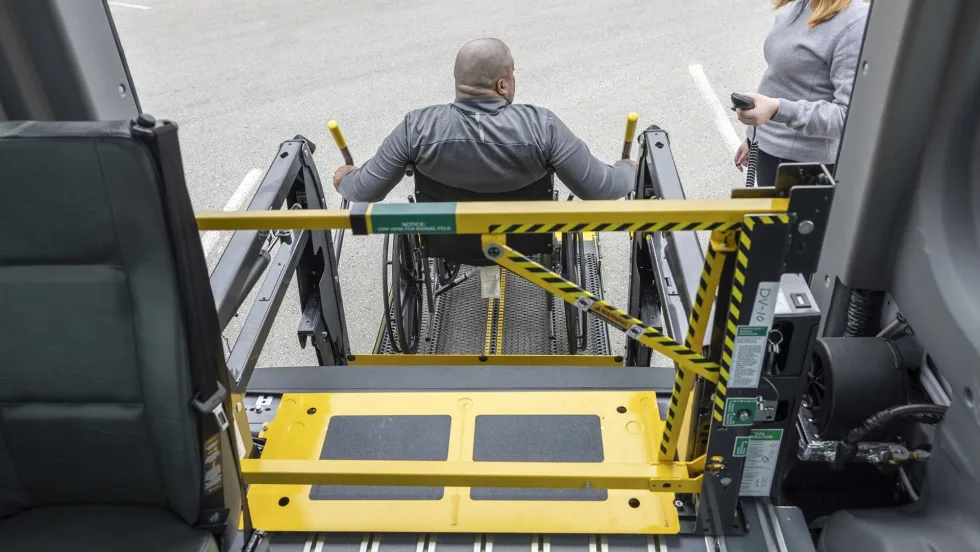
BraunAbility Introduces New Safety Barrier for Wheelchair Lifts
LiftSentinel is designed to add another layer of protection during wheelchair loading and unloading and can be retrofitted to many existing commercial lift installations.
Read More →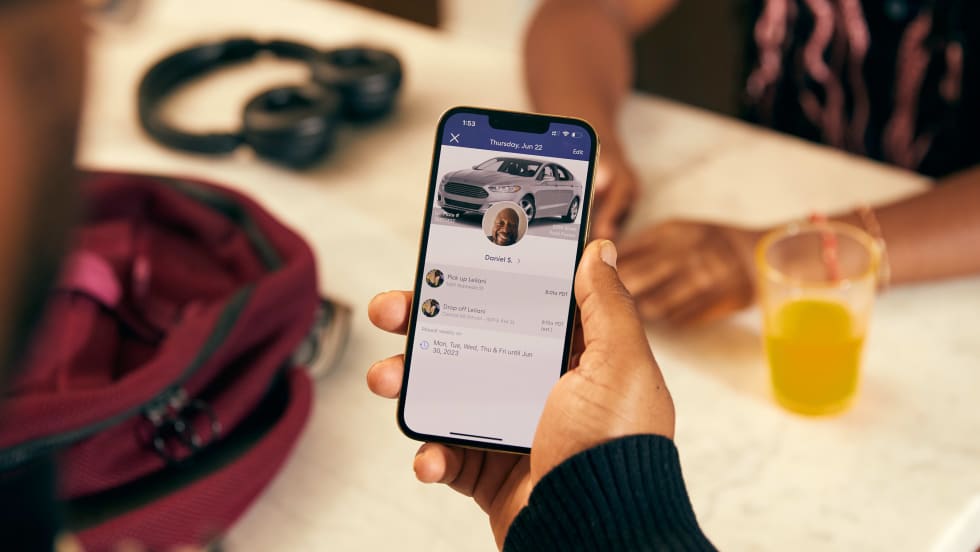
HopSkipDrive Launches New Safety, Driver Consistency Features for 2026-27 School Year
The company’s free ride recording, live ride tracking, and consistent driver assignments aim to improve safety and continuity for diverse student transportation needs.
Read More →
The Most Common Wheelchair Securement Mistakes on School Buses (and How to Fix Them)
Small missteps in wheelchair securement can have serious consequences. Here are 32 tips from experts to reduce risk and increase student safety on the bus.
Read More →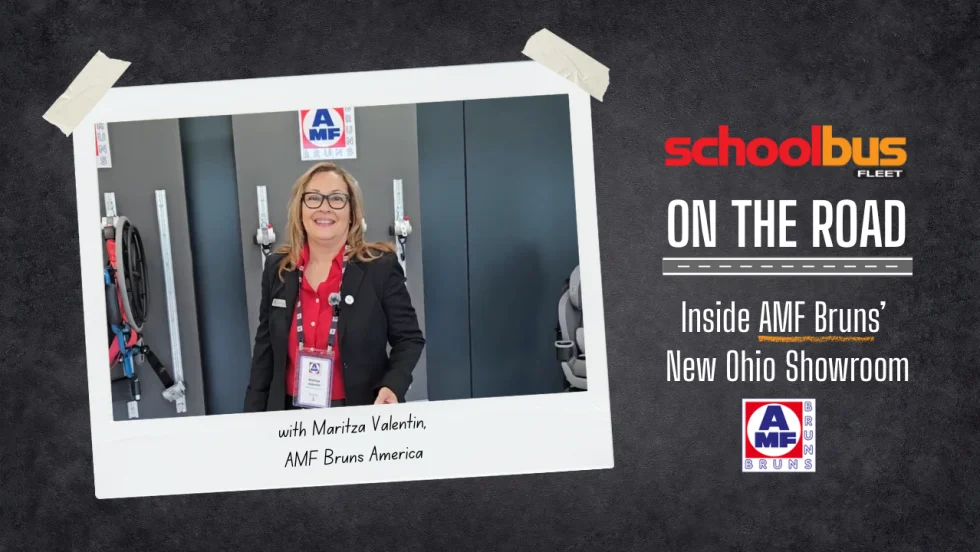
Inside AMF Bruns’ New Showroom: School Bus Securement Solutions Explained
Go inside AMF Bruns America’s new Ohio showroom with Maritza Valentin to see its FutureSafe technology, driver training tools, securement systems, and seating innovations.
Read More →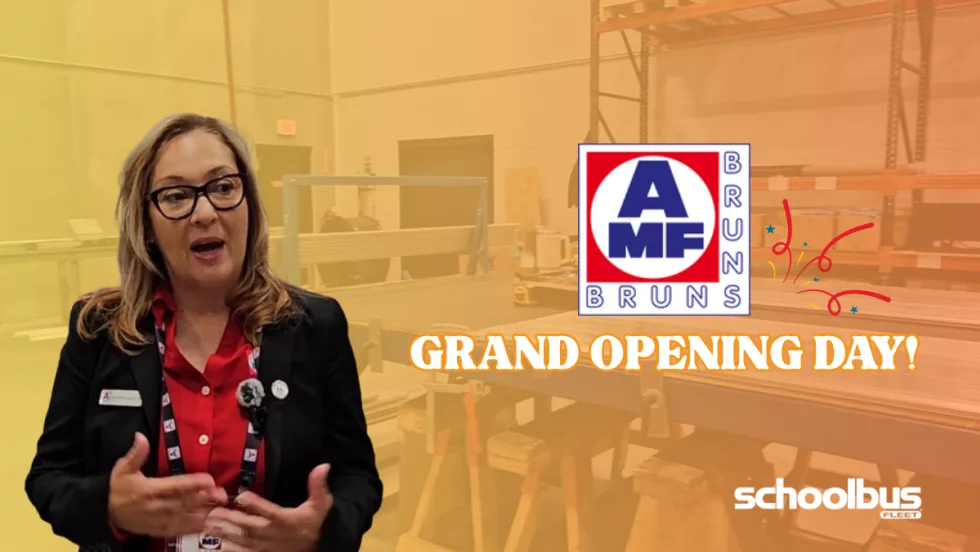
What AMF Bruns’ New Facility Means for Customers [Video]
Inside AMF Bruns’ new Stow, Ohio, operations: See how expanded space and innovation will enhance customer support and operations.
Read More →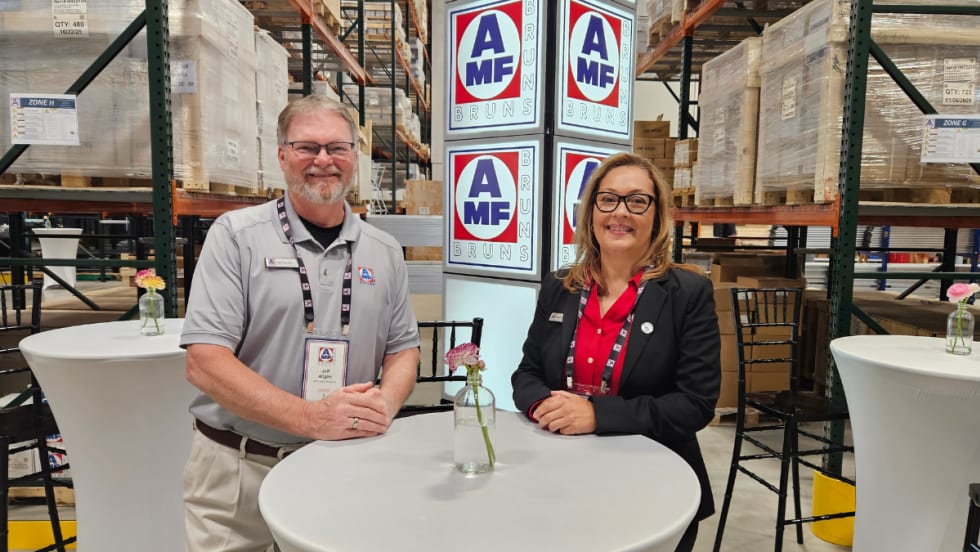
AMF Bruns Expands in Ohio, Investing in Growth and Community
With expanded production space, local investment, and a growing workforce, AMF Bruns is scaling its U.S. presence. Here’s an exclusive first look inside the new Stow, Ohio, HQ.
Read More →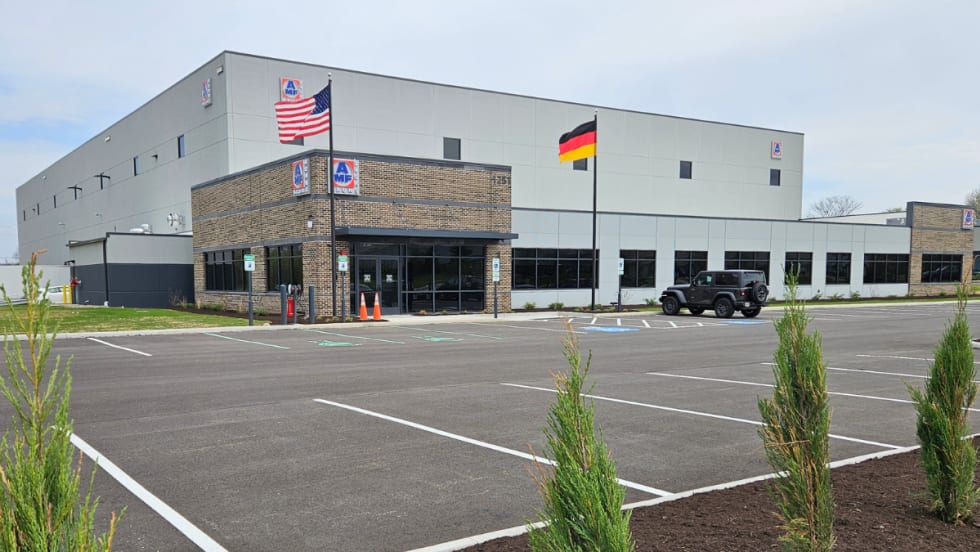
Inside AMF Bruns of America’s New Ohio Manufacturing Facility [Photos]
Take a behind-the-scenes look at AMF Bruns of America’s new 41,000-square-foot Stow, Ohio, headquarters, featuring advanced manufacturing, expanded space, and future-ready mobility solutions.
Read More →
First Student Boosts Student Support in Wichita & Texas
First Student and Wichita Public Schools are using behavioral support strategies to improve student ride experiences, while a separate initiative expands access to after-school programs through a bus donation.
Read More →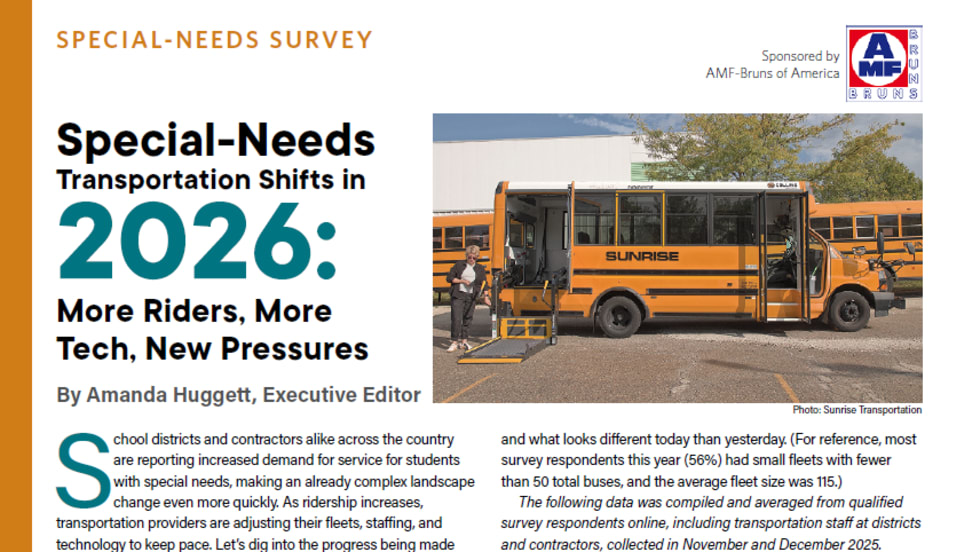
2026 Special-Needs Transportation Survey
What’s changing in special-needs transportation? This year, student transportation operators report a rising need, easing driver shortages, growing tech adoption, and evolving challenges. Sponsored by AMF Bruns of America.
Read More →