




Cooling system requires some basic precautions
In today’s advanced diesel engines, the cooling system stands at the center of attention. Studies have shown that four out of 10 engine problems are related to improper mixture of coolant and additives or inadequate cooling system maintenance.
In today’s advanced diesel engines, the cooling system stands at the center of attention. Studies have shown that four out of 10 engine problems are related to improper mixture of coolant and additives or inadequate cooling system maintenance. The cooling system includes many components: radiator, water pump, deareation tank and cap, thermostat, fan and clutch drive, fan shroud, shutters, oil cooler, transmission cooler, belts, pulleys, hoses and clamps, block heater, sensors and switches. These components work in unison to maintain an operating temperature that will allow efficient engine operation.
Unseen dangers lurk
Improperly maintained cooling systems can lead to gradual damage of engine components. The true effects go unseen until costly repairs become necessary. Overheating causes oil to break down, leading to valvetrain problems, while overcooling creates an overfueling condition that can lead to the formation of sludge and acid in the crankcase. Ethylene glycol and propylene glycol are the two most common antifreeze/coolant types in use today. Ethylene glycol is the traditional coolant, whereas propylene glycol is being sold as an extended-life coolant. These two types should never be mixed because their anti-corrosion additives are different. The advantage of propylene glycol is extended service life due to slower depletion of the acid-based additives. Not all engines can use this coolant because it is incompatible with certain metallic and non-metallic materials. Check with the engine manufacturer before use. Coolant is traditionally purchased full- strength in bulk and mixed with tap water. This provides freezing and cooling protection but not necessarily prevention of deposits or corrosion, which can shorten engine life. Corrosion perforates cylinder walls and liners, while deposits plug passages, reducing heat transfer and causing overheating. These conditions promote cavitation and seizing or cracking of engine components. Premixed coolant or coolant mixed with distilled water is recommended. In addition, automotive antifreeze should not be used in diesel engines. Those products contain higher silicate levels that can plug coolant passages. Commercial antifreeze, with a silicate level of 0.10 percent or lower, should be used in diesel engines.
Additives bolster protection
Supplemental coolant additives (SCA) are added to coolant used in diesel engines. SCA provides protection against foaming, scale build-up, acidity, corrosion and cavitation. Maintaining proper levels of SCA can be accomplished with pre-measured, in-line cooling system filters or by adding liquid SCA to the coolant. Levels are monitored with test strips and should be checked at least twice annually. Vehicles under heavy or severe use should be checked approximately every 10,000 miles because high mileage and heavy loads deplete additives more rapidly. Continued monitoring of vehicles’ cooling systems will reduce wear and minimize major repairs or replacements due to extreme engine temperatures.
Jeffrey W. Janka is a senior mechanic for the transportation department at Cleveland Municipal School District.
More Maintenance
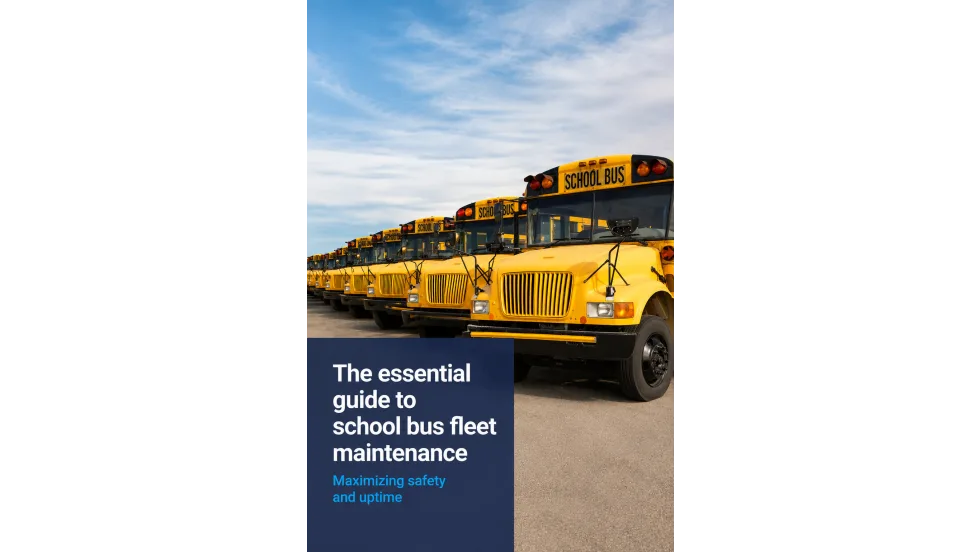
The Essential Guide to School Bus Maintenance and Student Safety
Your district's buses carry students to school every day. This guide shows how predictive maintenance powered by fleet data helps keep buses reliable, drivers accountable and students safer from the first bell to the last stop.
Read More →
Kerry Brothers Grows Michigan School Bus Repair Network
The acquisition of Downriver Truck and Bus expands Kerry Brothers’ school bus maintenance footprint across southeast Michigan, adding repair capacity, diagnostic resources, and state inspection support.
Read More →
Noregon Introduces CAN Bus Diagnostic Tool, Expands JPRO Features
CAN Mentor and the latest JPRO update aim to simplify vehicle network diagnostics and improve repair efficiency for technicians of all experience levels.
Read More →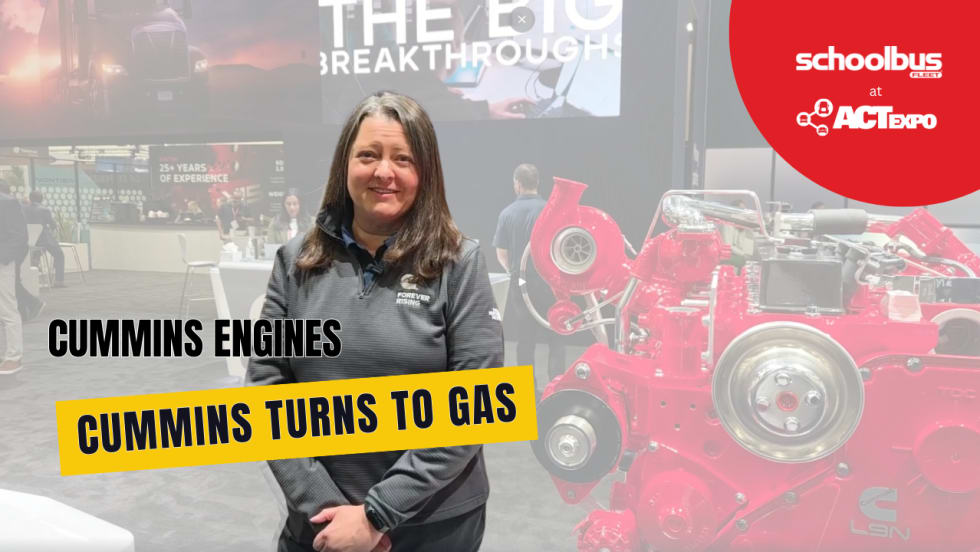
Cummins on Smarter, Simpler Engine Innovation
Cummins discusses its first-ever gasoline engine for school buses, EPA 2027, and why bus fleets still want durable, simpler internal combustion options.
Read More →
Report: 72% of Diesel School Buses Now Use Advanced Low-Emission Engines
New data shows advanced low-emission diesel technology continues expanding across school bus fleets, even as electric bus adoption gains momentum.
Read More →
Vampire Tools' CAIMAN 7.5-Inch Multi-Purpose Screw Extractor Long-Nose Pliers with Crimper
Vampire Tools introduced the VAMPLIERS Caiman 7.5-inch multi-purpose pliers, combining screw extraction, cutting, crimping, and gripping functions into a single tool designed for fleet maintenance professionals.
Read More →
How Advanced Diagnostics Helps Bus Fleets Stay Ahead of Repairs
Chat with Noregon’s Kevin Smallhorn at ACT Expo about bus diagnostic tools, telematics integration, CNG maintenance support, and strategies to help reduce downtime and improve uptime.
Read More →
How School Bus Fleets are Getting Ahead of Breakdowns
Don’t let bus downtime wear you down. Here’s how bus operators are shifting from manual processes to AI-powered, data-driven maintenance systems for improved reliability and safety.
Read More →
Pennsylvania School Bus Maintenance Team Praised for Dedication to Safety
Matthews Bus Company’s West Jefferson received a letter of commendation from the Pennsylvania State Police for their fleet inspections.
Read More →
From Chaos to Clarity: How School Districts Are Running Leaner Transportation Operations
Covering 38 routes on a Friday afternoon. Buses idling while routes overlap. Parents calling nonstop about late arrivals. Sound familiar? This whitepaper explores how district transportation leaders solved these exact problems — and what measurable results followed.
Read More →