




Bullets and buses
On Sept. 9, a nearly empty transit bus operated by the Los Angeles County Metropolitan Transportation Authority (MTA) approached a scheduled stop but ...
On Sept. 9, a nearly empty transit bus operated by the Los Angeles County Metropolitan Transportation Authority (MTA) approached a scheduled stop but left without taking on the dozens of high school students waiting to board. It seems the bus driver was concerned about the unruly behavior of some of the students and decided it was unsafe to allow them to get on the bus. The students had no choice but to wait for the next bus. Minutes later, three alleged gang members drove up and fired shots at the students, injuring three, including one who was left paralyzed from the waist down. The assailants reportedly were trying to kill a rival gang member who was among those waiting for the bus.
Following the incident, officials at the nearby high school criticized the bus driver for failing to stop and load the students. Under MTA policy, however, bus drivers have the discretion to bypass stops when they believe their safety or the safety of their passengers might be jeopardized.
Training makes a difference
While I understand that transit buses are the only form of public transportation available to many students, I still have to ask the following question: Would a school bus driver have been intimidated by this group of students and also bypassed them?
As we all know, many school bus drivers regularly face these types of situations. Although I’m sure they would also prefer to roll past these students, school bus drivers understand that their job is to pick them up and use their skills in behavior management to get them safely to their destination.
That’s not to say, however, the transit bus driver took the wrong action. If the MTA gives its drivers the latitude to continue past bus stops for safety reasons, then they have the right to do just that. The drive-by shooting might have been averted if the driver had picked up the awaiting students, but the driver could not have known that.
But here’s another question: Would the driver have stopped for the students if he or she had been trained in behavior management of students? (I’m assuming that the MTA didn’t provide this training.) I think it’s a fair question. Transit agencies that service routes used by large groups of students would be well served by providing those drivers with the type of training that school bus drivers receive. If transit officials were at a loss on how to provide this training, I’m sure the local school district would be happy to help them out.
What did the school know?
I would be remiss if I didn’t examine the possibility that the school could have helped to preclude the incident. That is, did school administrators do anything to control the behavior of the students at the bus stop? It’s difficult to believe that this was the first sign of "unruliness" at this stop.
If the school was aware of the problem and did nothing, then I think they should assume some portion of responsibility. At the very least, the school should be trying to determine if similar outbursts of disruptive behavior are occurring at other transit bus stops. Meanwhile, the MTA should be relaying to all schools any types of situations that could be addressed through school intervention.
To its credit, the MTA has convened a panel of law enforcement and school district officials to examine its policy allowing bus drivers to bypass stops. The recommendations of the panel were due in October, after press time. We’ll let you know the outcome in a future issue.
In the meantime, let me know what you think of the MTA's bypass policy. You can e-mail me at steve.hirano@bobit.com.
More Management
Samsara Launches Free Driver Rewards Program
The new Driver Perks program gives eligible professional drivers access to discounts and offers without adding a cost for participating fleets.
Read More →
How Tax-Exempt Municipal Leases Can Help Finance School Buses
Let’s explore school bus financing options, including municipal leases, vendor payable accounts, and balloon payments, and how they can help stretch fleet budgets.
Read More →
Nominate Rising School Transportation Pros Under 40!
We’re searching for the next generation of leaders making an impact across the K-12 student transportation industry to recognize as SBF’s 2027 Trailblazers. Nominations are open now!
Read More →

Changing Lanes: BusWhere, EverDriven, InterMotive, Summit School Services, Switzer-Carty & Thomas Built Buses
Check out who's been hired, promoted, and appointed to leadership positions at various school transportation suppliers, contractors, and manufacturers.
Read More →
The Most Expensive Thing You Do Before Selling a School Bus: Wait
When should you sell an aging school bus? Learn how maintenance, mileage, corrosion, specifications, and timing can affect resale value long before the auction.
Read More →
American Student Transportation Partners Acquires AJ Myers and Sons
A new deal brings a 75-year Pennsylvania student transportation provider into one of the nation’s largest private school bus contracting groups.
Read More →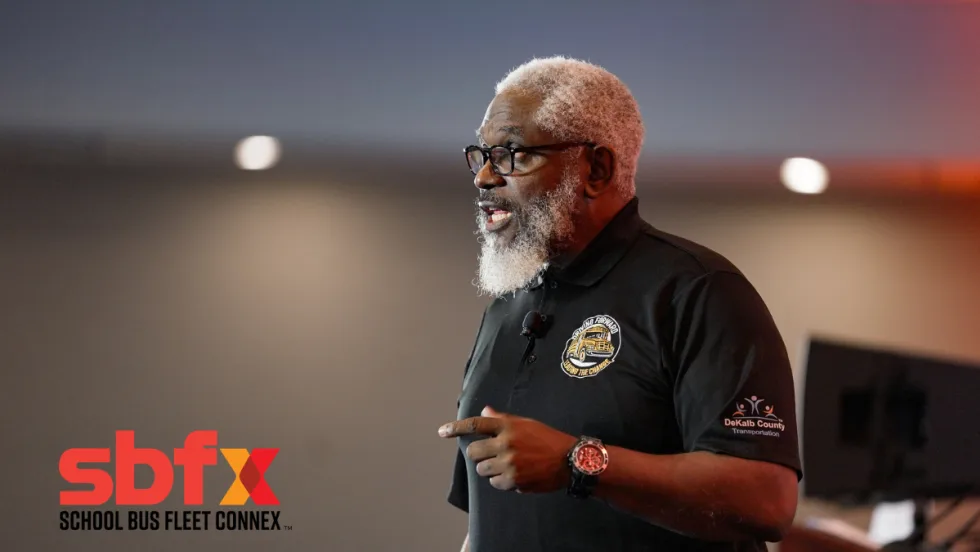
What I Brought Home From SBFX: Relationships, Leadership, and Preparing What's Next
Who could lead your transportation operation tomorrow if you couldn't? Bernando Brown explores succession planning, mentorship, and preparing emerging leaders to step up.
Read More →
Inside School Bus Fleet ConneX 2026: Industry Leaders Connect in Scottsdale [Photos]
See highlights from SBFX 2026 in Arizona, where school bus operators and suppliers gathered for meetings, education, networking, awards, and more.
Read More →
School Transportation’s Biggest Pressures and Opportunities: SBFX Attendees Weigh In
School bus operators point to rising costs, staffing, and vehicle prices as immediate pressures while identifying technology, training, and routing as opportunities for growth.
Read More →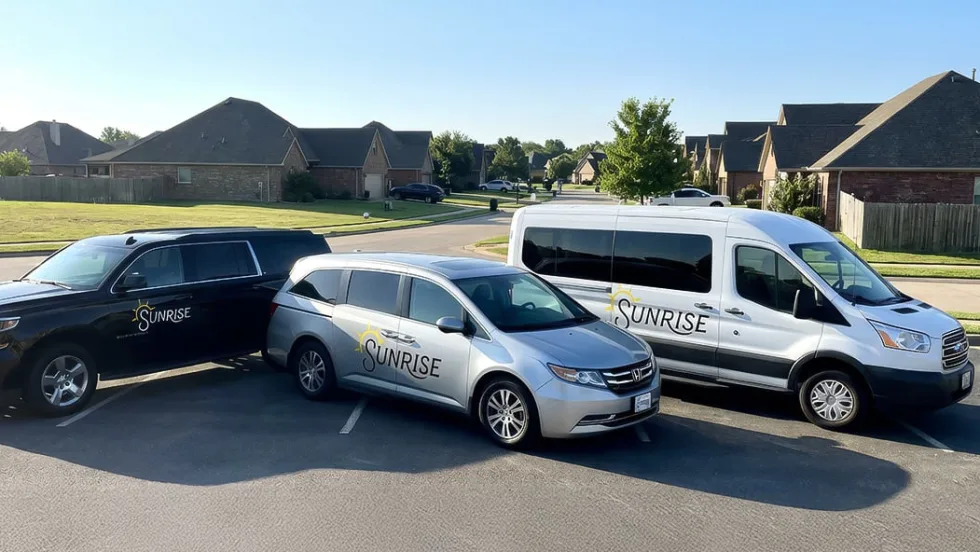
STA Acquires Sunrise Transportation
Student Transportation of America expands in Illinois and Connecticut through Sunrise's fleet of nearly 1,000 vehicles.
Read More →