




Boston Public Tackles Small Bus Conversion
After handing down the decision to replace their 7-D vans with Type A school buses, officials at Boston Public Schools and Laidlaw Education Services ...
After handing down the decision to replace their 7-D vans with Type A school buses, officials at Boston Public Schools and Laidlaw Education Services acted quickly. Boston Public’s transportation department, headed by Director Richard Jacobs, has already reduced the number of vans in its fleet from 300 to just 66. In a fleet that transports more than 33,000 students with about 700 vehicles, the vans are used primarily for special-needs and preschool transportation. The transition from vans to buses has affected various sectors of the department, perhaps most notably driver training. Paul Keith, area general manager for Boston’s Laidlaw, which hires, trains and manages the district’s drivers, says that the training and licensing requirements for drivers of the Type A buses the district is purchasing differ from the requirements for drivers of vans or Type C or D buses. Stepping up training
The replacement of the 7-D vans with the Type A buses made many people anxious. Boston’s Laidlaw employs nearly 800 drivers, and on any given day, about 700 of them are on duty. “When we were first advised by the school department that they were contemplating doing the change - the upgrade from what we in Massachusetts call the 7-D vans to the conventional type of school bus - we were a little bit nervous,” admits Keith. “It appeared to be a monumental task.” But out of that initial nervousness came a plan to certify all Laidlaw bus drivers with a CDL, even those of 7-D vans and Type A buses. In Massachusetts, drivers of Type A school buses with 14 or fewer passengers do not need to be CDL-certified. They must instead obtain a special license for a Type A bus, which entails passing a road test (in a Type A school bus), a criminal background check and a physical exam. Getting driver buy-in
Keith decided that requiring all of his drivers to be CDL-certified would enable them to drive any route the company had to offer and to do so with skill and proper training. “I called in all our safety and training staff and the union leadership, and we laid out to them what the reasoning was, what the differences were between the vans and the school buses (safety and features) and why the Boston School Department had made the decision to phase into this [Type A bus use],” explains Keith. After easing initial fears and concerns from his staff, Keith began the process of ensuring that all of his drivers obtained a CDL. Keith met with members of the city, the local union and representatives from his workforce at Laidlaw to develop a plan for updating the drivers’ licenses. Union members opened a classroom for after-hours instruction of drivers preparing for the CDL exam and road test. “That went a long way towards belaying the apprehension and fears that people had,” says Keith. “Then our training department went full tilt.” Laidlaw scheduled classes for the drivers every day of the week, including some Saturdays to accommodate the 35 hours of training required to complete the upgrade to a CDL. “We wanted to be certain that the people who were prepared to take the test had a high chance of successfully passing the test,” says Keith. The first wave of CDL-testing ended with 90 percent of Keith’s drivers passing. Thirty-five drivers are still in the process of upgrading. Completing the conversion
The 66 7-D vehicles remaining in Boston’s fleet are being used primarily for short-distance inner-city work. All drivers of these remaining vans are either CDL-certified or in the process of upgrading, though they will continue driving the vans until the city replaces them with buses. By the beginning of next school year, Keith anticipates being able to cover all primary student routes with buses instead of vans. The retired vans will be used as supervisor safety vehicles and in similar capacities. By the end of 2002, the district hopes to have more than 150 Type A buses in its fleet, in replacement of the 7-D vans. Reaping the benefits
The Girardin Type A minibuses being purchased by Boston Public Schools have a passenger capacity of 14 and come with a number of options, such as integrated child safety seats. In the past, says Keith, child seats often were not compatible with buses. “Traditionally, the parent provides a child seat and we put the child seat in the bus and use the lap belt. In some cases, the lap belt buckle doesn’t fit through the child seat apparatus,” he says. Those problems have been alleviated by the transition to minibuses, which provide a built-in child safety seat. As an option on the minibus, the integrated child safety seat is built into the standard bus seat. When the safety seat is no longer needed, it can be converted back into a standard school bus seat. “It has been a big boon to the parents, drivers and those buses that have monitors because they don’t have to struggle with the child seat,” says Keith. Additionally, all of Boston’s replacement buses are equipped with crossing gates and the Child Check-Mate system, ensuring that no child is left alone on the bus after the driver exits.
More Management
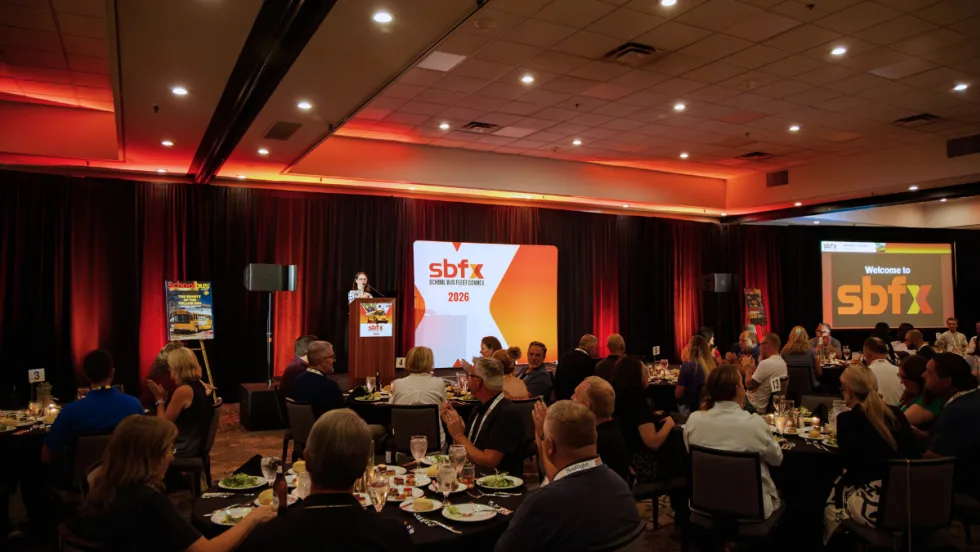
School Transportation’s Biggest Pressures and Opportunities: SBFX Attendees Weigh In
School bus operators point to rising costs, staffing, and vehicle prices as immediate pressures while identifying technology, training, and routing as opportunities for growth.
Read More →
STA Acquires Sunrise Transportation
Student Transportation of America expands in Illinois and Connecticut through Sunrise's fleet of nearly 1,000 vehicles.
Read More →
EPA Opens $180M DERA Funding Round for Diesel Upgrades
The 2026 Diesel Emissions Reduction Act program seeks applications from eligible organizations to accelerate the retirement of legacy diesel vehicles.
Read More →

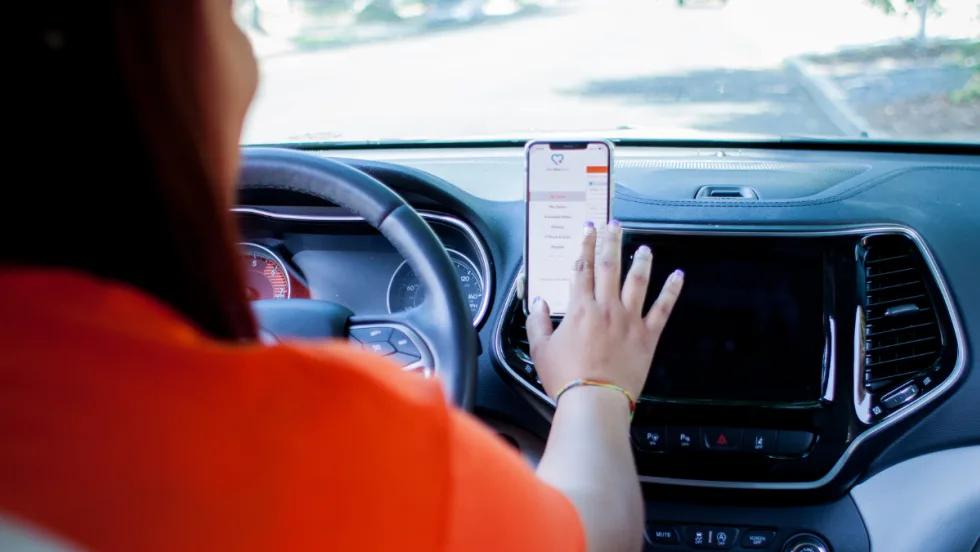
HopSkipDrive’s CareEngine Targets the ‘Exceptions’ in Student Transportation
The new platform works alongside districts’ existing transportation management systems to coordinate specialized rides, automate last-minute changes, and turn ride data into operational improvements.
Read More →
The Right Ride for Every Student: Navigating the New Student Transportation Ecosystem
How should districts blend school buses with small-vehicle transportation and other options? EverDriven CEO Mitch Bowling discusses safety, costs, partnerships, and strategy.
Read More →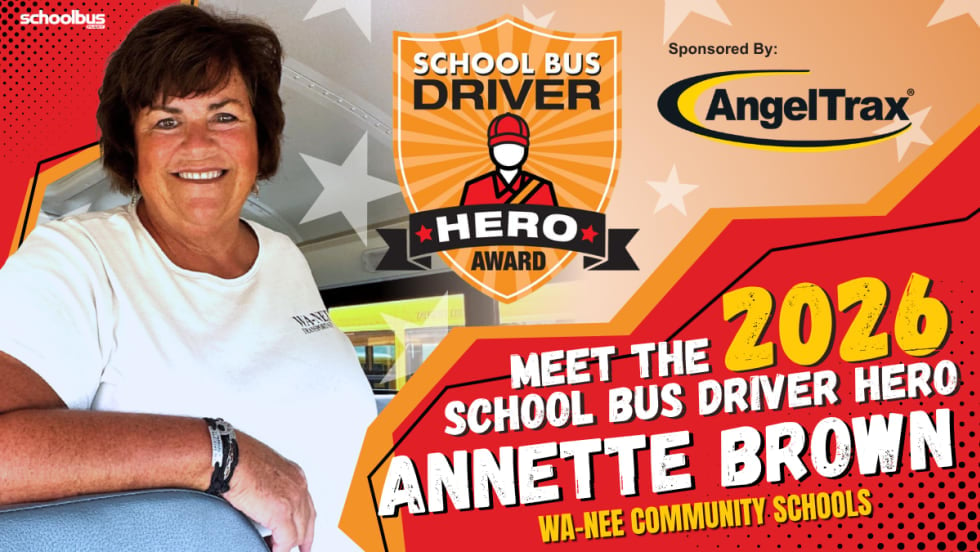
Annette Brown Always Takes the Extra Time: Meet Our 2026 School Bus Driver Hero
For more than 30 years, the Wa-Nee Community Schools driver has treated students like family, combining safety, compassion, and servant leadership to make a lasting difference on and beyond the school bus.
Read More →
How to Build a Better Driver Training Program
Ready to boost up your school bus instructor training? Here’s how to pick the right talent and improve recruitment, retention, and safety.
Read More →
CALSTART and Forth Combine to Form Catalyst Mobility
The new name represents a renewed vision for the nonprofit focused on advancing clean, equitable, and affordable transportation solutions that move people and goods.
Read More →
What Makes a Great School Bus Driver Trainer?
Choosing the right school bus driver trainer takes more than experience. Learn six keys to selecting and developing trainers and evaluating program effectiveness.
Read More →
School Bus Contractors Expand Through New Deals, Acquisitions & Partnerships
STA's Canadian division acquires Ontario-based G&L Stevenson Transport; Durham School Services adds a new district in California; First Student expands in New Jersey; and Minnesota Coaches rebrands and acquires Halo Transportation.
Read More →