




Biodiesel and buses
By now, there is probably not a school transportation director in the country who hasn’t heard of biodiesel fuel. About 250 school districts throughout the country use biodiesel blends, in addition to hundreds of other major fleets and thousands of individual motorists and farmers.
By now, there is probably not a school transportation director in the country who hasn’t heard of biodiesel fuel. About 250 school districts throughout the country use biodiesel blends, in addition to hundreds of other major fleets and thousands of individual motorists and farmers. Schools that have switched to biodiesel report that they notice a more pleasant odor, virtually no soot from the equipment, and no change in the efficiency or maintenance of buses.
Despite its increasing usage, I realize there are still many questions about biodiesel within the school bus industry. Can it help save money? How can you be sure you’re getting quality fuel? What about engine warranties? I’d like to attempt to answer these questions and help you better understand the benefits of using cleaner-burning, American-made biodiesel in your fleet.
The basics of biodiesel
Biodiesel is an alternative fuel that can be made from any fat or vegetable oil, such as soybean oil. It can be blended with petroleum diesel at any level or used in its pure form. Biodiesel significantly reduces emissions such as carbon monoxide, unburned hydrocarbons and particulate matter. It is nontoxic, biodegradable and essentially free of sulfur and aromatics. Biodiesel offers similar fuel economy, horsepower and torque to petroleum diesel while providing superior lubricity.
Unlike most other alternative fuels or retrofits, biodiesel can be used immediately in diesel school buses, saving school districts the expense of replacing or greatly modifying their buses. Additionally, a federal tax incentive has made B20 (20 percent biodiesel blend) more cost-competitive with petroleum diesel. In some cases, B20 sells for the same price as diesel.
Ensuring fuel quality is one of the biodiesel industry’s top priorities. In 2001, the premier standard-setting organization in the U.S. — the American Society of Testing and Materials (ASTM) — issued a fuel specification (D 6751) for all biodiesel bought and sold in the U.S. The National Biodiesel Board (NBB) is working with ASTM on developing other specifications as well, such as a B20 finished blend standard.
Biodiesel quality program
To further support quality fuel, NBB has established a quality assurance program, BQ-9000. This voluntary program includes procedures for fuel production, storage, handling and management aimed at ensuring fuel quality throughout the production and distribution system. To date, five producers are accredited and nearly a dozen more are in the process of earning their accreditation. In an effort to increase that number, NBB is holding a series of workshops across the country for companies interested in becoming BQ-9000 accredited. We strongly recommend that schools buy from one of these producers or marketers. (For more information, visit www.BQ-9000.org.)
Schools can use high quality biodiesel successfully year-round. Hundred of fleets use biodiesel blends, including many in cold climates. The vast majority have had a seamless transition to the fuel. Handlers must simply be aware of biodiesel’s cold weather properties and take appropriate precautions. This is similar to regular diesel fuel. In addition to using a winter-blended diesel fuel, handlers need to make sure the cloud point is adequate for the region and the time of year the fuel will be used. This is generally the fuel supplier’s responsibility, and is a good reason to ask if the distributor is BQ-9000 certified.
Finally, although most major engine companies fully support the use of up to B5, the use of higher blends will not necessarily void the warranty. For example, International’s biodiesel position statement says, “International Truck and Engine Corp.’s stated warranty policy does not deny warranty coverage solely for the use of higher biodiesel blends, but only if the failure is attributed to higher biodiesel blends.” This is fairly typical with both biodiesel and diesel. If bad fuel causes engine damage, it would not be covered by the warranty.
NBB and diesel engine, fuel injection and vehicle companies have engaged in the analysis of B20 fleet use in order to develop an informed, fact-based position on the use of up to a 20 percent biodiesel blend in diesel applications in the U.S. The recommendations for successful B20 use, resulting from these efforts, can be found on the NBB Website at www.biodiesel.org/buyingbiodiesel/guide. NBB’s goal is for B20 to be fully supported in all major diesel engines and vehicles with the new 2007 and later model year engines, and we are making significant progress toward that goal.
Warranty changes afoot
In January 2006, DaimlerChrysler became the first U.S. automaker to specifically approve of B20 in a warranty position statement. The company approved the use of B20 for government, military and commercial fleet customers, effective with the 2007 model year for Dodge Ram pickup trucks equipped with Cummins diesel engines. The most comprehensive warranty statement was announced in May, when New Holland said it would support the use of B20 in all of the diesel engines that it produces.
Biodiesel has come a long way since 1997, when Medford Township (N.J.) Public Schools was the only school district in the nation using the fuel. Today, thousands of schoolchildren across the country are benefiting by riding to and from school on biodiesel-powered buses.
Because it is produced from the soybeans I grow, biodiesel is important to me as a farmer. Soybean farmers like me have invested millions of dollars in the research and development of biodiesel through a program called the soybean checkoff.
But biodiesel is also important to me as a parent. Anything that helps improve air quality in and around the school bus is something that can help all parents — and children — breathe easier.
Darryl Brinkmann is chairman of the National Biodiesel Board. He farms soybeans in Carlisle, Ill. To learn more about biodiesel, visit www.biodiesel.org.
More Maintenance
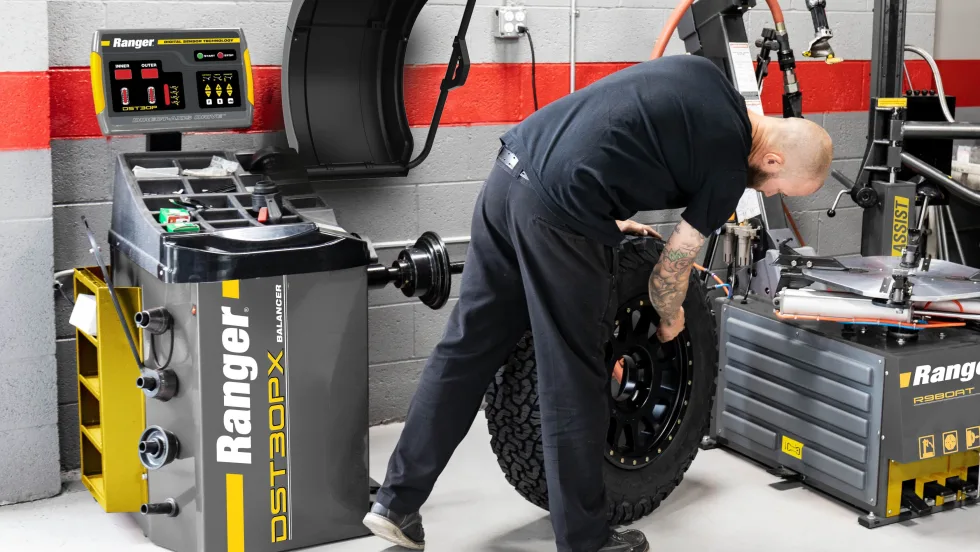
BendPak Launches Ranger DST30PX Wheel Balancer
BendPak's new wheel balancer handles tires up to 43 inches in diameter, with a reinforced design, precise weight placement, and faster service cycles.
Read More →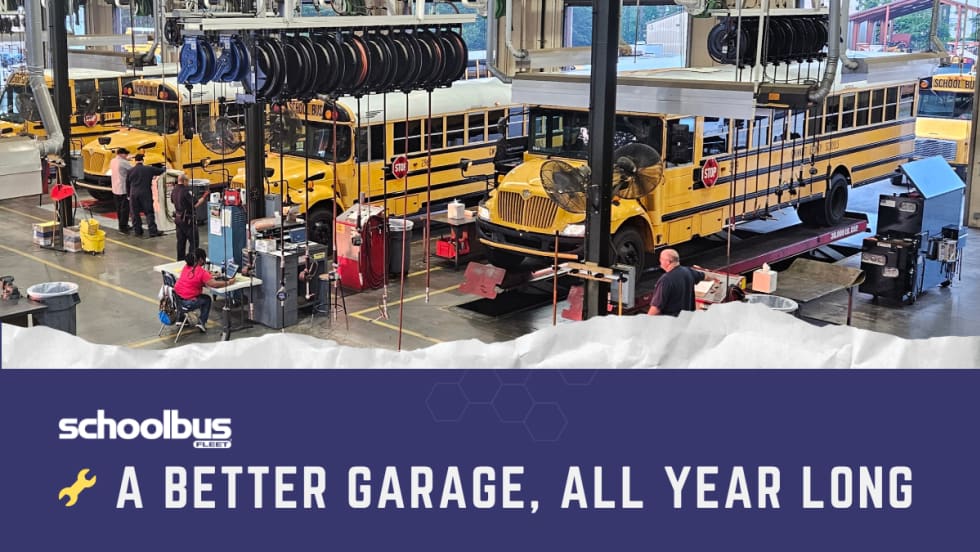
Tips for Ensuring School Bus Garages Are Safe and Warm Year-Round
Cold maintenance bays and rising heating costs? Learn how school bus garages can improve comfort with targeted heating, better airflow, and winter preparation.
Read More →
ASE Highlights School Bus Technician Certification Requirements
ASE is encouraging school bus maintenance professionals to maintain their certifications, highlighting seven specialized tests and five-year renewal requirements.
Read More →
International Adds E-Commerce Capabilities to Fleetrite.com
IC Bus customers can now browse, buy, and track shipments for more than 400,000 aftermarket parts online.
Read More →
The Most Expensive Thing You Do Before Selling a School Bus: Wait
When should you sell an aging school bus? Learn how maintenance, mileage, corrosion, specifications, and timing can affect resale value long before the auction.
Read More →
The Evolution of DEF Header Technology: What School Bus Operations Should Know at Replacement Time
See what school bus fleets should consider when replacing DEF headers to improve reliability, reduce repeat repairs, and control maintenance costs.
Read More →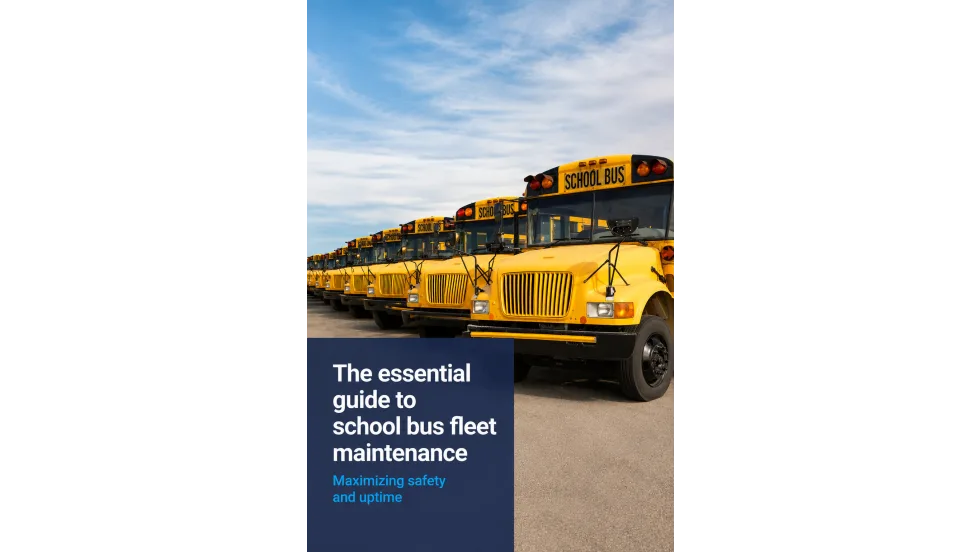
The Essential Guide to School Bus Maintenance and Student Safety
Your district's buses carry students to school every day. This guide shows how predictive maintenance powered by fleet data helps keep buses reliable, drivers accountable and students safer from the first bell to the last stop.
Read More →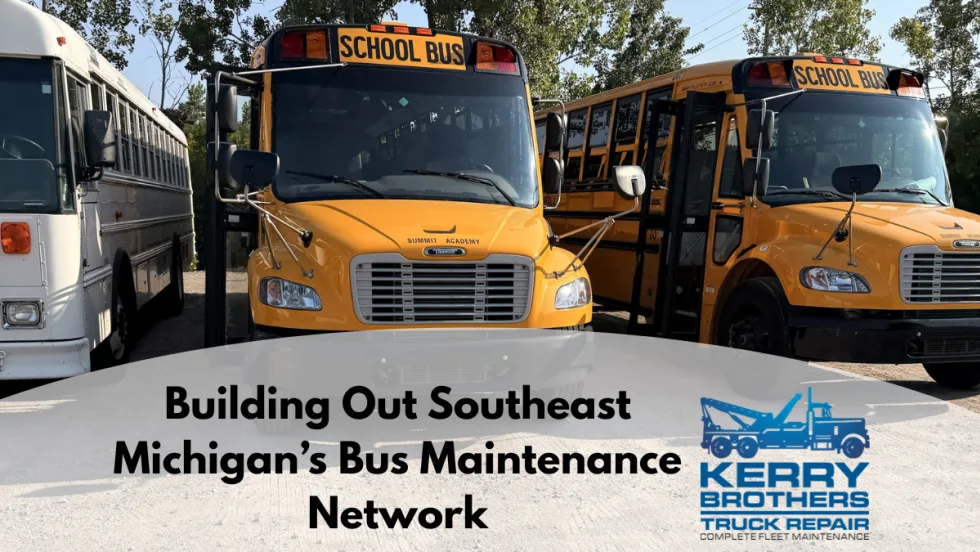
Kerry Brothers Grows Michigan School Bus Repair Network
The acquisition of Downriver Truck and Bus expands Kerry Brothers’ school bus maintenance footprint across southeast Michigan, adding repair capacity, diagnostic resources, and state inspection support.
Read More →
Noregon Introduces CAN Bus Diagnostic Tool, Expands JPRO Features
CAN Mentor and the latest JPRO update aim to simplify vehicle network diagnostics and improve repair efficiency for technicians of all experience levels.
Read More →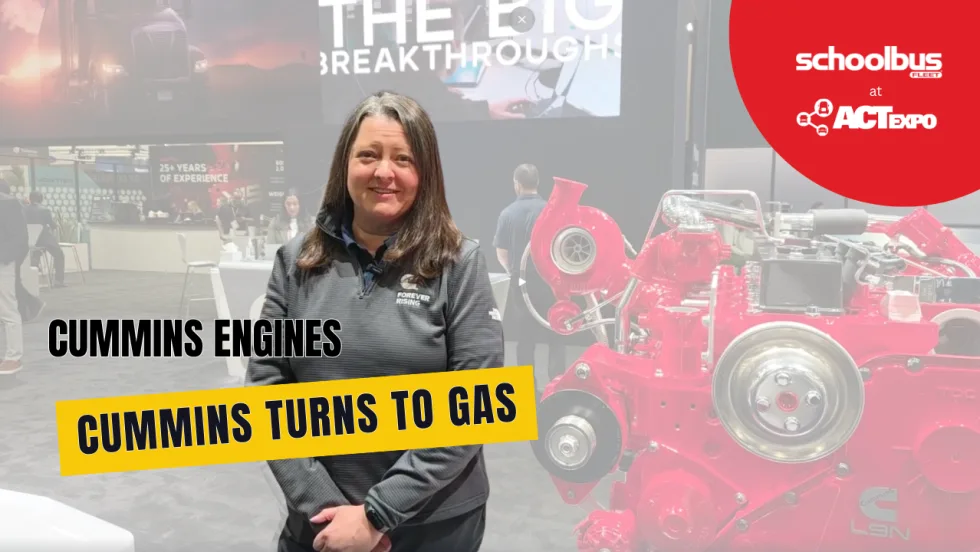
Cummins on Smarter, Simpler Engine Innovation
Cummins discusses its first-ever gasoline engine for school buses, EPA 2027, and why bus fleets still want durable, simpler internal combustion options.
Read More →