





Don't Miss: Electric School Bus Maintenance: Key Similiarities, Differences
10 Things Mechanics Need to Know About School Bus Transmissions
Discover the essential things every mechanic needs to know about school bus transmissions. From maintenance to troubleshooting and safety considerations, this comprehensive guide ensures smooth operations and safe transportation.
June 23, 2023
From types of transmissions to safety considerations, it's critical for mechanics to become well-versed in the workings of these machines.
Image: Canva
4 min to read
School bus transmissions are a crucial component of these iconic vehicles, responsible for transferring power from the engine to the wheels and ensuring smooth operation. As a mechanic working on school buses, it is essential to possess a comprehensive understanding of their transmissions. Here we'll delve into the key aspects that mechanics need to know about school bus transmissions, including types, maintenance, troubleshooting, and safety considerations.
Types of School Bus Transmissions
Mechanics should familiarize themselves with the various types of transmissions commonly found in school buses. These include automatic, manual, and CVT (Continuously Variable Transmission). Automatic transmissions are prevalent in most school buses due to their ease of use and smooth gear shifts. Manual transmissions, although less common, require a mechanic to understand clutch systems and associated components. CVT transmissions are gaining popularity for their fuel efficiency and continuous power delivery.
Transmission Fluid
Understanding the correct type and specifications of transmission fluid is vital for mechanics. Different transmissions require specific fluids, and using the wrong one can lead to performance issues and premature wear. Mechanics must also be knowledgeable about the recommended fluid change intervals and the importance of using high-quality fluids to maintain optimal transmission function.
Maintenance Intervals
Regular maintenance is crucial for the longevity and reliability of school bus transmissions. Mechanics need to adhere to manufacturer-recommended maintenance intervals, including fluid changes, filter replacements, and inspections. By following these intervals, potential problems can be identified early, preventing costly repairs and vehicle downtime.
Transmission Troubleshooting
Developing strong diagnostic skills is essential for mechanics dealing with school bus transmissions. Common symptoms such as slipping gears, rough shifting, or unusual noises should be thoroughly investigated to identify the root cause. Skilled mechanics should be able to perform comprehensive inspections, including checking for leaks, assessing the condition of components, and using diagnostic tools to read error codes from electronic control units.
Torque Converters
Mechanics must understand the function and operation of torque converters, which play a crucial role in transmitting power from the engine to the transmission. A faulty torque converter can lead to issues such as loss of power, slippage, or overheating. Mechanics should be proficient in diagnosing torque converter problems and performing repairs or replacements when necessary.
Shift Linkage
The shift linkage system is responsible for connecting the gear selector to the transmission, allowing for accurate gear engagement and smooth shifting. Mechanics need to be familiar with the operation of the shift linkage and understand how to inspect, adjust, and repair it. Properly functioning shift linkage ensures the school bus can shift gears reliably, promoting safe and efficient operation.
Electronic Controls
Modern school bus transmissions often incorporate electronic controls and sensors, which monitor various parameters and contribute to optimal performance. Mechanics should have a solid understanding of electronic control units (ECUs) and be capable of diagnosing and repairing related issues. This includes performing software updates, replacing faulty sensors, and ensuring proper communication between the transmission and other vehicle systems.
Cooling System
The cooling system is critical for maintaining appropriate operating temperatures in school bus transmissions. Mechanics should understand the importance of proper cooling and be able to inspect and service components such as the radiator, transmission cooler, and cooling lines. Regular maintenance of the cooling system helps prevent overheating, which can lead to severe transmission damage.
Clutch Systems (Manual Transmissions)
While less common in school buses, manual transmissions still require attention from mechanics. Understanding clutch systems, including clutch discs, pressure plates, and release bearings, is vital for diagnosing and repairing manual transmission issues. Mechanics should be proficient in inspecting, adjusting, and replacing clutch components when necessary.
Safety Considerations
Safety is of utmost importance when it comes to school bus transmissions. Mechanics should prioritize safety throughout their work. This includes following proper safety procedures, using appropriate equipment, and adhering to industry regulations and guidelines. Before returning a school bus to service, mechanics should conduct thorough testing to ensure that all transmission repairs have been successfully implemented and that the vehicle is operating safely. By maintaining a strong focus on safety, mechanics contribute to the overall well-being of the students and the community by ensuring reliable and secure transportation on school buses.
As we can see, mechanics working on school bus transmissions must possess a comprehensive understanding of the various types of transmissions, maintenance requirements, troubleshooting techniques, and safety considerations. By being well-versed in these areas, mechanics can effectively diagnose issues, perform necessary repairs, and ensure the safe and reliable operation of school buses. Regular maintenance, adherence to manufacturer guidelines, and a strong emphasis on safety are essential for maximizing the lifespan and performance of school bus transmissions. With this knowledge and expertise, mechanics play a vital role in keeping school buses running smoothly and ensuring the safe transportation of students.
Subscribe to Our Newsletter
More Maintenance
Sponsored•September 8, 2026
The Essential Guide to School Bus Maintenance and Student Safety
Your district's buses carry students to school every day. This guide shows how predictive maintenance powered by fleet data helps keep buses reliable, drivers accountable and students safer from the first bell to the last stop.
Read More →
Kerry Brothers Grows Michigan School Bus Repair Network
The acquisition of Downriver Truck and Bus expands Kerry Brothers’ school bus maintenance footprint across southeast Michigan, adding repair capacity, diagnostic resources, and state inspection support.
Read More →
Noregon Introduces CAN Bus Diagnostic Tool, Expands JPRO Features
CAN Mentor and the latest JPRO update aim to simplify vehicle network diagnostics and improve repair efficiency for technicians of all experience levels.
Read More →
Cummins on Smarter, Simpler Engine Innovation
Cummins discusses its first-ever gasoline engine for school buses, EPA 2027, and why bus fleets still want durable, simpler internal combustion options.
Read More →
Report: 72% of Diesel School Buses Now Use Advanced Low-Emission Engines
New data shows advanced low-emission diesel technology continues expanding across school bus fleets, even as electric bus adoption gains momentum.
Read More →
Vampire Tools' CAIMAN 7.5-Inch Multi-Purpose Screw Extractor Long-Nose Pliers with Crimper
Vampire Tools introduced the VAMPLIERS Caiman 7.5-inch multi-purpose pliers, combining screw extraction, cutting, crimping, and gripping functions into a single tool designed for fleet maintenance professionals.
Read More →
How Advanced Diagnostics Helps Bus Fleets Stay Ahead of Repairs
Chat with Noregon’s Kevin Smallhorn at ACT Expo about bus diagnostic tools, telematics integration, CNG maintenance support, and strategies to help reduce downtime and improve uptime.
Read More →
How School Bus Fleets are Getting Ahead of Breakdowns
Don’t let bus downtime wear you down. Here’s how bus operators are shifting from manual processes to AI-powered, data-driven maintenance systems for improved reliability and safety.
Read More →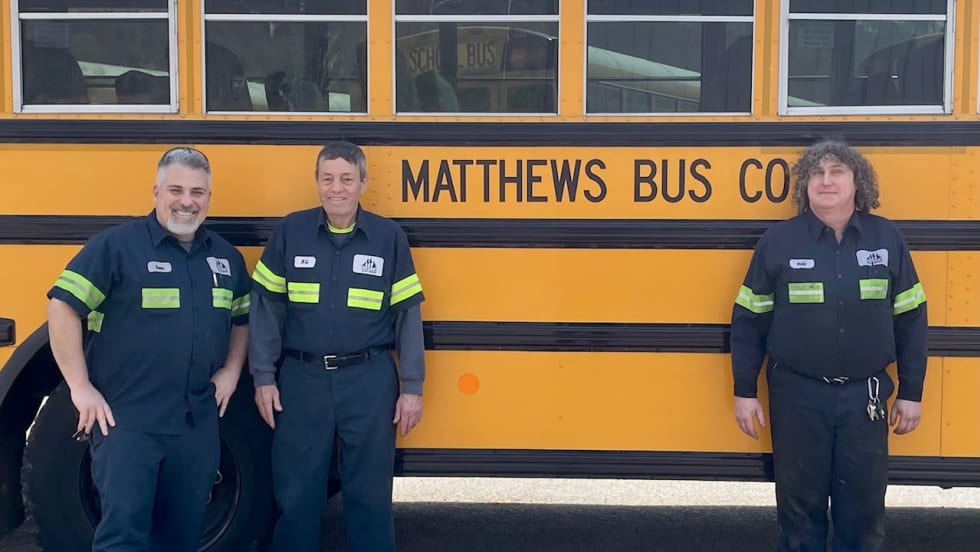
Pennsylvania School Bus Maintenance Team Praised for Dedication to Safety
Matthews Bus Company’s West Jefferson received a letter of commendation from the Pennsylvania State Police for their fleet inspections.
Read More →
Sponsored•April 16, 2026
From Chaos to Clarity: How School Districts Are Running Leaner Transportation Operations
Covering 38 routes on a Friday afternoon. Buses idling while routes overlap. Parents calling nonstop about late arrivals. Sound familiar? This whitepaper explores how district transportation leaders solved these exact problems — and what measurable results followed.
Read More →