




Dangerous roof weld defects found in Carpenter school buses
WASHINGTON, D.C. — The School Bus Information Council (SBIC) issued a warning to school bus operators to examine buses in their fleets manufactured by...

WASHINGTON, D.C. — The School Bus Information Council (SBIC) issued a warning to school bus operators to examine buses in their fleets manufactured by Carpenter and built at the company’s Mitchell, Ind., plant between 1986 and 1995. According to a statement by the SBIC, if defects are found, the buses should be taken off the road immediately.
A notice was originally sent out on April 14, warning about the potential for cracked or broken welds in the roof structure of Carpenter Type C and D school buses. In the following weeks, however, more information became available, and the SBIC added these warnings to school bus operators:
1. Cracked and broken welds in the roof structure have been found in Carpenter buses in various parts of the country and are not solely confined to Florida, where the problem was first discovered.
2. These defects have also been discovered in Type B Carpenter school buses.
3. All Carpenter school buses built at the Mitchell plant between 1986 and 1995 used the same roof design.
4. Every Carpenter school bus has a six-digit number on the Carpenter body data plate. If that number starts with a 4, then the bus was built in the Richmond, Ind., plant and utilizes full-length body bows. This design does not need to be inspected.
Still, the SBIC recommends that school bus operators conduct an inspection of the roof structures in all Carpenter school bus models manufactured at the Mitchell plant. If the six-digit body number starts with anything other than a 4, then the bus should be part of the inspection.
Ron Despenza, transportation director at Clark County (Nev.) School District, was forced to take 23 buses of the road after inspections revealed the roof defects. “We inspected every Carpenter we have, and the problems were obvious,” said Despenza. “We are using spares and standby equipment to cover everything temporarily, but we had to tap into our emergency fund to order bus replacements.”
In New Mexico, state funding has been authorized for the replacement of 64 Carpenter buses. Said Gilbert Perea, state transportation director, “This of course is a juggling act and will delay other replacements for next school year.”
The problem was revealed in March after a school bus rollover accident caused the roof of a 1991 Carpenter to collapse to the seat line. The accident, which occurred in Florida, spurred state officials to advise operators against using Carpenter Type D buses until further investigation was completed.
According to Despenza, many operators are also choosing to repair the problems instead of replacing the buses altogether. But Perea said it could be risky to attempt repairs. “I don’t believe there is a fix for a poor design, and I don’t want to inherit liability on behalf of the state by authorizing a fix,” he said.
The roof welds in question are located at the junction of the vertical side posts — between the windows — and the horizontal structural member above the windows. For more information and photos of the welds, visit www.schoolbusinfo.org.
EPA Administrator Christie Whitman steps down
Christie Todd Whitman has announced her resignation as administrator of the U.S. Environmental Protection Agency (EPA), effective June 27, citing a desire to spend more time with her family in New Jersey. Whitman met with President Bush at the White House on May 21 to tender her resignation.
In her resignation letter, Whitman outlined several accomplishments made during her time with the EPA, including the reduction of pollution from diesel engines, aggressive enforcement of environmental laws and monumental Clean Air Act settlements.
Whitman also cited the EPA’s efforts to replace or retrofit older model school buses. Her letter states that the “landmark Clean School Bus USA initiative means that every public school student in America should be riding low emission school buses by 2010.”
In a brief statement released by the White House, the president called Whitman one of the highest-ranking women in his administration and “a trusted friend and adviser.” He also referred to her as a “dedicated and tireless fighter for new and innovative policies for cleaner air, purer water and better protected land.” Bush added a list of contributions made by Whitman that includes the reduction of diesel emissions.
At press time, no replacement for Whitman had been named.
More Safety

Recent School Bus Accidents Leave 2 Dead, 2 Injured
Four school bus crashes in Florida, Illinois, and Georgia highlight risks in transportation lots, at bus stops, and during student loading and unloading.
Read More →
When Every Second Matters, Clarity Keeps Routes Moving
From routine delays to urgent incidents, strong communication practices help drivers, dispatchers, schools, and families respond with confidence.
Read More →
What Happens When a School Bus Catches Fire — and What Can Help
School bus fires are rare but can be devastating. Learn how advances in fire suppression and asset protection help fleets detect fires earlier, reduce damage, and improve safety.
Read More →

Geotab Launches Tool to Help Fleets Investigate Road Incidents
Geotab Investigations combines telematics data, video, documents, and other evidence to help fleets reconstruct incidents, resolve claims, and determine what happened.
Read More →
Texas Sixth Grader Wins 2026 National School Bus Safety Poster Contest
Sai Darshana Yekolu of Moseley Middle School in Prosper, Texas, was named the newest winner for her artwork, bringing the theme of “Safe Rides, Everyday Heroes” to life.
Read More →
Doing More With Less: How Transportation Directors Can Prioritize Safety Amid Budget Uncertainty
With diesel prices soaring and nearly one-third of transportation directors expecting budget cuts, maintaining student safety has never been more challenging. Download this guide to learn how leading districts are prioritizing risk, funding critical safety technology, and building stronger budget cases with data.
Read More →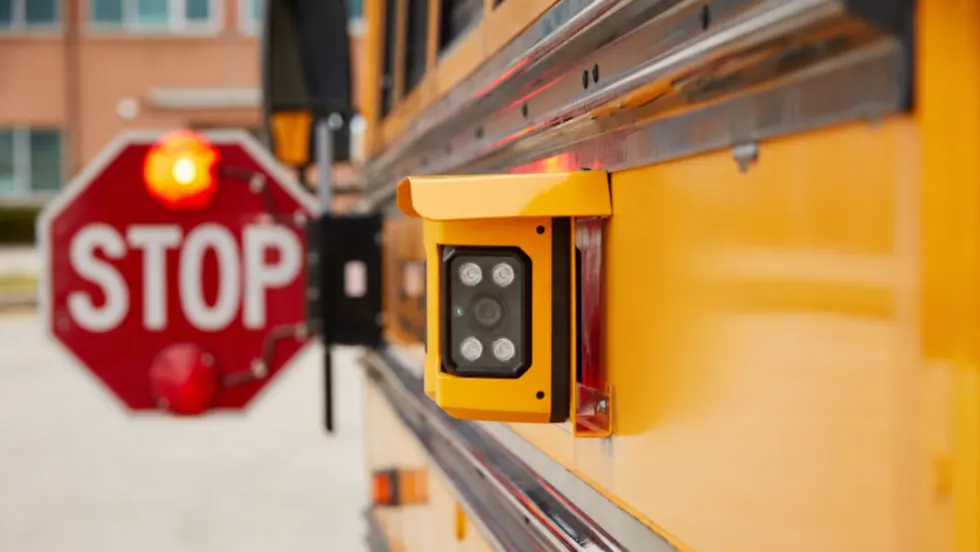
Walton County Schools Adds Gatekeeper Stop-Arm Enforcement System
The Florida district will deploy Gatekeeper’s updated Student Protector technology, which now incorporates AI to improve video evidence.
Read More →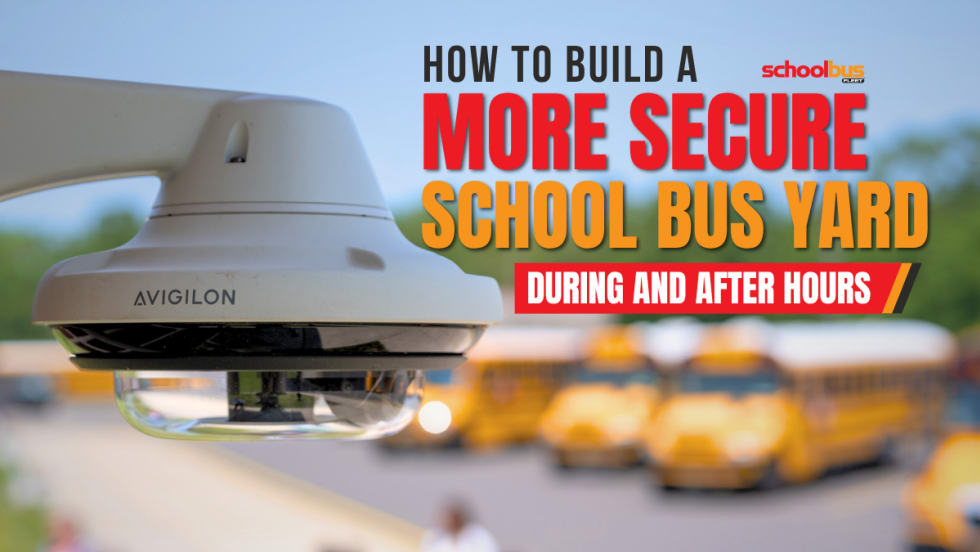
How To Build a More Secure School Bus Yard During and After Hours
As thefts and overnight security threats continue, school transportation leaders are combining stronger operational practices with AI-enabled surveillance to better protect buses, facilities, and staff.
Read More →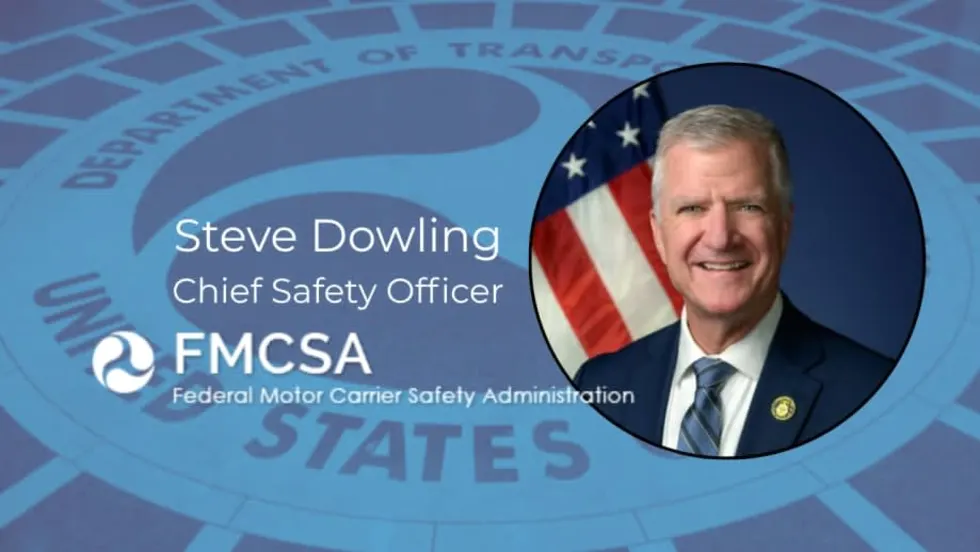
FMCSA Names New Chief Safety Officer: What School Bus Operators Should Know
Steve Dowling is set to lead the federal agency's efforts to advance commercial motor vehicle safety and reduce crashes, fatalities, and injuries on the nation's roadways.
Read More →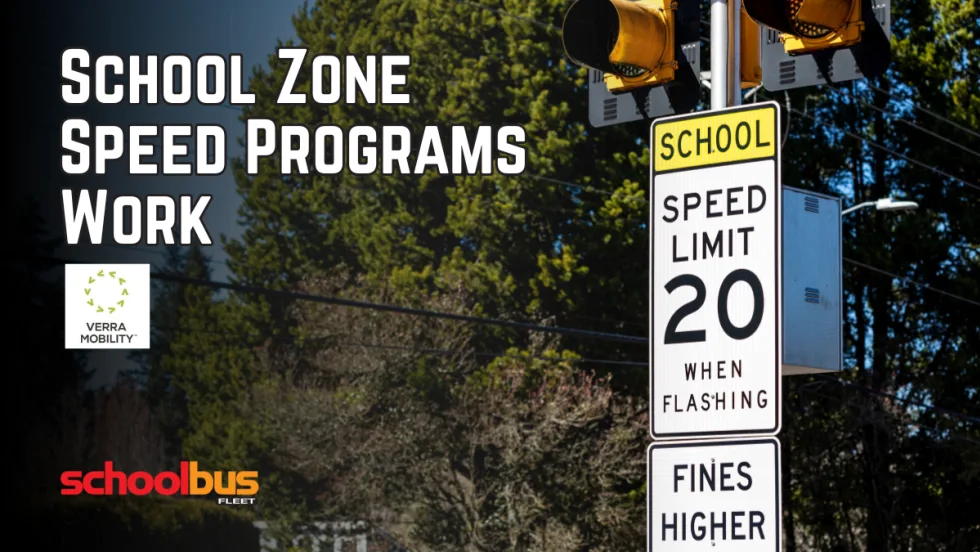
New Study Finds School Zone Speed Safety Cameras Cut Speeding Violations 97%
A Florida university's research demonstrates that Verra Mobility's automated enforcement changes driver behavior and significantly improves school zone safety.
Read More →