




Alt-Fuel Moves: New V2G Tech and Electric Bus Rollouts
Check out some of the latest moves where alternative fuels and school buses intersect, including new product announcements and bus deployments across the U.S.

On top of a Heliox product announcement, two districts are turning federal and partner support into electric buses on the ground.
Photo: Diogo Miranda/School Bus Fleet
In this alternative fuel roundup, we take a look at the latest moves, product announcements, and deployments, including news from Heliox, KIPP North Carolina Public Schools, and Redford Union School District.
Product Announcements: Heliox Launches 44 kW V2G Fleet Charger
Heliox, a Siemens business, has introduced the Heliox 44 kW V2G charger, an all-in-one DC fast-charging system built specifically for fleet electrification. The new unit adds vehicle-to-grid (V2G) capability, enabling bidirectional charging so compatible EVs can both charge and send stored energy back to the grid, which is aimed at boosting fleet ROI while supporting resilience and sustainability goals.
Designed for high-utilization operations, the charger delivers 44 kW of output for faster turnarounds and higher uptime, and can operate in networked or standalone modes. It supports ISO 15118-20 and SAE J2847 standards for broad EV compatibility now and into the future. Installation is simplified through a compact, all-in-one footprint, with wall-mount or pedestal configurations and a NEMA 3R-rated enclosure suitable for indoor or outdoor sites.
Heliox is also positioning the 44 kW V2G for flexible deployment across varied facilities. The system’s adjustable AC input (15A–56A) allows installation even where power is constrained, while onboard user interfaces, including an LED state-of-charge indicator and 7-in. LCD screen, provide real-time visibility into charging sessions.
For fleet managers focused on operating costs, the charger offers advanced programmability such as time-of-use charging and scheduled energy transfers. With V2G enabled, fleets can potentially sell excess energy back to the grid, create new revenue streams, and even leverage vehicle batteries for backup power during outages.
The charger is designed, manufactured, and tested in the U.S., making it Buy America Act-compliant and eligible for government-funded projects, and it is backed by safety certifications including UL 2202, UL 1741 SB, and UL 9741.
EV Deployments Expand in Michigan and North Carolina
Two more districts are turning federal and partner support into electric buses on the ground.
In Michigan, Redford Union School District is set to add five Type C electric school buses along with six Tellus chargers, delivered through a collaboration with the district’s contractor, Durham School Services, and Highland Electric Fleets’ Electrification-as-a-Service model, meaning the buses and charging infrastructure come with no direct cost to local taxpayers.
The project is part of the Environmental Protection Agency’s broader Clean School Bus funding wave, helping Michigan districts replace diesel units with zero-emission vehicles.
“Redford Union School District is making an important investment in its students and its community,” said Brian Buccella, Chief Commercial Officer at Highland Electric Fleets. “We’re proud to support the district alongside Durham School Services.”
Meanwhile, in North Carolina, KIPP North Carolina Public Schools is rolling out its first electric school buses, marking a milestone for the charter network’s student transportation and aligning with the state’s accelerating push to electrify, also under the EPA Clean School Bus Program.
The 72-passenger Thomas Built electric school buses were delivered through dealer Carolina Thomas. KIPP’s deployment is part of a fast-growing statewide pipeline of electric buses prioritized for low-income, rural, and historically underserved communities.
"Every decision we make at KIPP North Carolina begins with one question: What creates the best experience for our students?" said Dr. Fabby Williams, CEO of KIPP North Carolina Public Schools. "These new electric buses are a powerful answer.”
More Alternative Fuels

CALSTART and Forth Combine to Form Catalyst Mobility
The new name represents a renewed vision for the nonprofit focused on advancing clean, equitable, and affordable transportation solutions that move people and goods.
Read More →
Alt-Fuel Moves: New Buses, Charging Hubs & Real-World EV Testing
Propane and electric school bus deployments continue to grow as districts add new vehicles, expand charging infrastructure, and gather more real-world operating data.
Read More →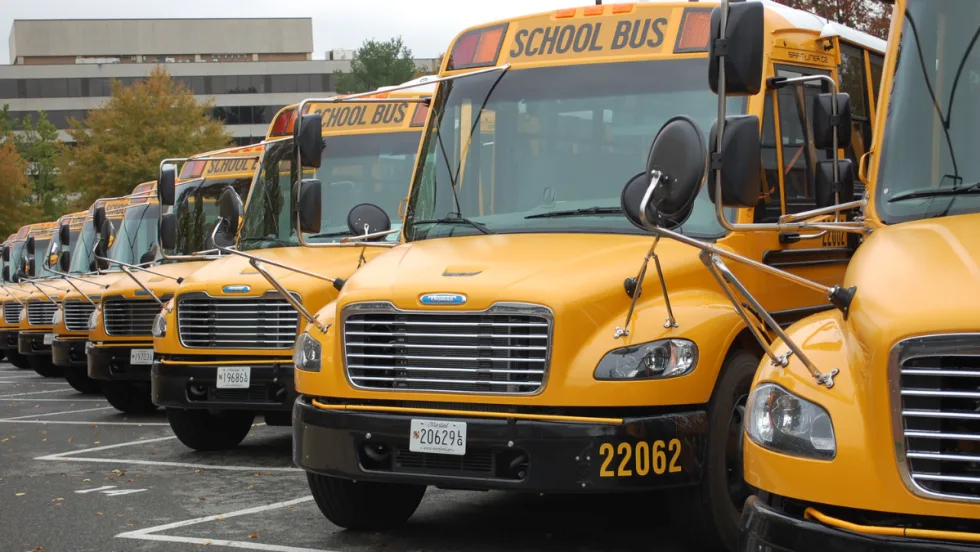
Fewer Electric School Bus Models Reshape the U.S. Market
WRI’s latest buyer’s guide points to a consolidating electric school bus market, but fewer options may reflect a maturing industry rather than fewer meaningful choices for school bus operators.
Read More →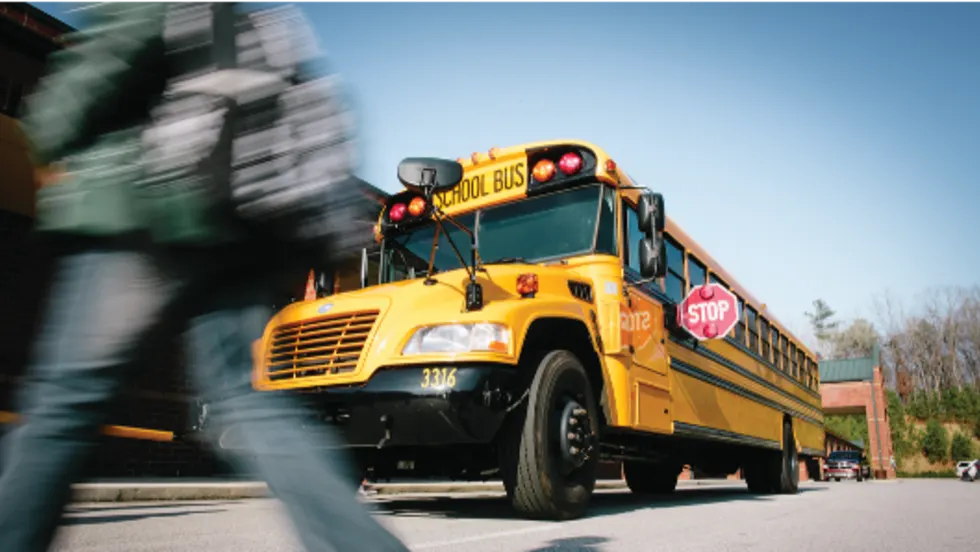
The Fuel Budget You Can Actually Predict: How Propane Autogas Keeps Money in the Classroom
Learn how propane autogas helps school districts manage fuel costs with predictable pricing, lower maintenance, and reduced emissions from former transportation director Joel Stutheit.
Read More →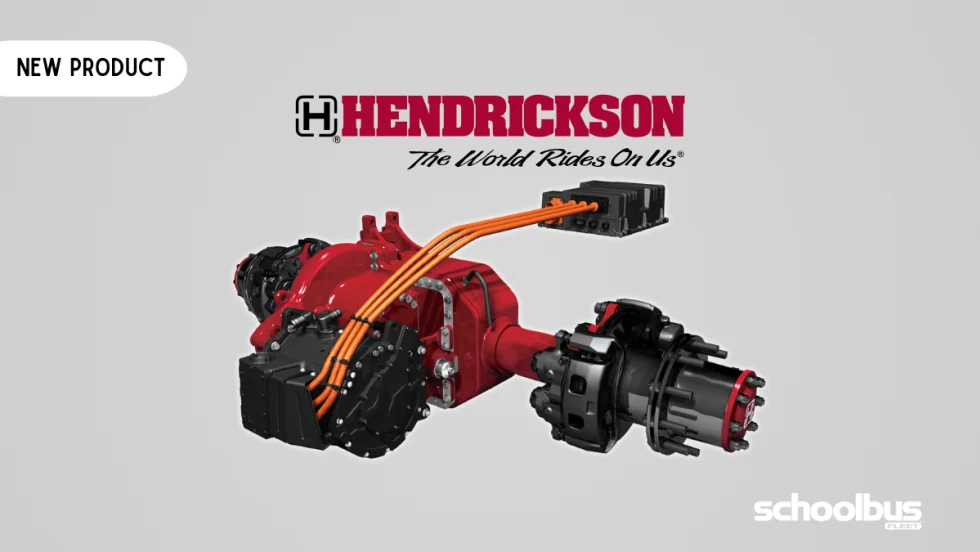
Hendrickson, Driventic Introduce New Electric Powertrain for School Buses
ELECTRAAX, the electrified, lightweight drive axle offers integrated ePowertrain efficiency and modular flexibility for Class 6–7 school bus use.
Read More →
The Mobility House Joins PowerFlex in Fleet Electrification Deal
The acquisition combines intelligent charging software, bidirectional charging expertise, and fleet electrification services to support the growing adoption of electric school buses across North America.
Read More →
Alt-Fuel Moves: Electric School Bus Investments Hit the Road
See which districts across the U.S. are putting electric school buses into service, expanding charging infrastructure, and planning the next phase of fleet electrification.
Read More →
With Fuel Volatility Ahead, School Districts Turn to Propane
While diesel prices peaked above $5 this spring, districts with propane autogas-powered fleets paid under $2 per gallon, according to PERC.
Read More →
EPA Unveils Proposed Changes to 2027 Heavy-Duty Engine Rules
The federal agency has proposed changes to next year’s targets that would eliminate DEF derates, ease warranty requirements, and retain current NOx emissions standards.
Read More →
Alt-Fuel Moves: EV Charging & Infrastructure Projects Gain Momentum
The latest developments include new funding, charging infrastructure, utility investments, and fleet technologies designed to support the transition to electric school buses nationwide.
Read More →