




Blue Bird Delivers Its First Electric Bus to Michigan
The Blue Bird All American RE school bus represents a new pilot project for Dearborn Public Schools, which is exploring the feasibility of eventually converting its 70+ vehicle fleet to electric school buses.

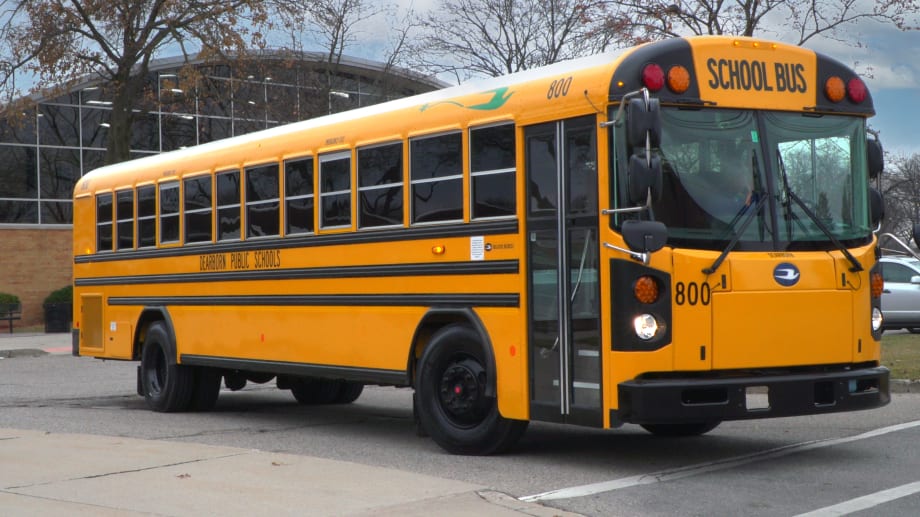
Dearborn (Michigan) Public Schools has maintained a fleet of Blue Bird school buses for more than 30 years. This All American RE is the district's first electric school bus.
Photo: Blue Bird
Blue Bird Corporation has delivered its first electric school bus to Michigan.
The zero-emission vehicle will serve Dearborn Public Schools as part of a pilot program that's expected to usher in a new era of clean student transportation for the school district. Dearborn Public Schools is the third largest school district in Michigan with 37 neighborhood elementary, middle, and high schools educating more than 20,000 students.
Dearborn Public Schools received an advanced Blue Bird All American RE electric school bus. The school bus can carry a maximum of 84 passengers for up to 120 miles on a single charge. The vehicle takes between three and eight hours to fully recharge depending on the charging infrastructure.
“We are thrilled to add the first electric vehicle to our school bus fleet and to test the school bus in our real-world environment year-round,” said Glenn Maleyko, superintendent of Dearborn Public Schools. “Electric school buses help reduce harmful greenhouse gas emissions. Today marks an important step as we start to evaluate this new technology.”
“Blue Bird is recognized as a technology leader and innovator of zero-emission school buses in North America,” said Britton Smith, senior vice president of electrification and chief strategy officer of Blue Bird Corporation, which has more than 850 electric-powered school buses in operation. “We are excited to deliver our first electric bus to Michigan, a state on the cutting edge of automotive innovation and eMobility. Blue Bird continually expands its electric vehicle footprint and market reach. Today, Blue Bird electric buses transport thousands of school children every day in the majority of U.S. states.”
Dearborn Public Schools has solely relied on Blue Bird for more than 30 years to meet its student transportation needs and currently maintains a fleet of more than 70 Blue Bird buses. The transition to electric vehicles will help the school district to reduce harmful greenhouse gas emissions while improving student and community health.
Blue Bird’s electric school bus was partially funded by a $300,000 grant through the U.S. Environmental Protection Agency’s (EPA) 2021 American Rescue Plan Electric School Bus Rebate program. The EPA recently awarded extra funding to Dearborn Public Schools for up to 18 additional electric school buses through the 2022 Clean School Bus rebate program. The EPA classifies Dearborn Public Schools as a priority district as about 70 percent of the families in the district qualify as low-income.
Dearborn Public Schools anticipates benefiting from significant cost saving opportunities by reducing or eliminating the fuel and maintenance costs tied to traditional diesel-powered vehicles. Select Blue Bird customers reported fuel costs of up to 49 cents per mile for their diesel buses, compared to an average 14 cents per mile in energy costs for electric buses.
More Alternative Fuels
New Eagle Launches All-in-One EV Control Platform
The new OpenECU NX3 platform integrates charging and vehicle controls into a single platform, with support for megawatt charging and vehicle-to-grid technologies.
Read More →
GreenPower Unveils New Heating Solution for Type A Bus
The all-electric bus manufacturer's new product aims to eliminate cold-cabin issues on its Nano BEAST zero-emission school buses operating in cold climates.
Read More →
Alt-Fuel Moves: Fleets Plug In for the Long Haul
School districts across the U.S. are moving electric school bus plans into operation, with new fleet deployments, charging infrastructure, and long-term electrification partnerships taking shape.
Read More →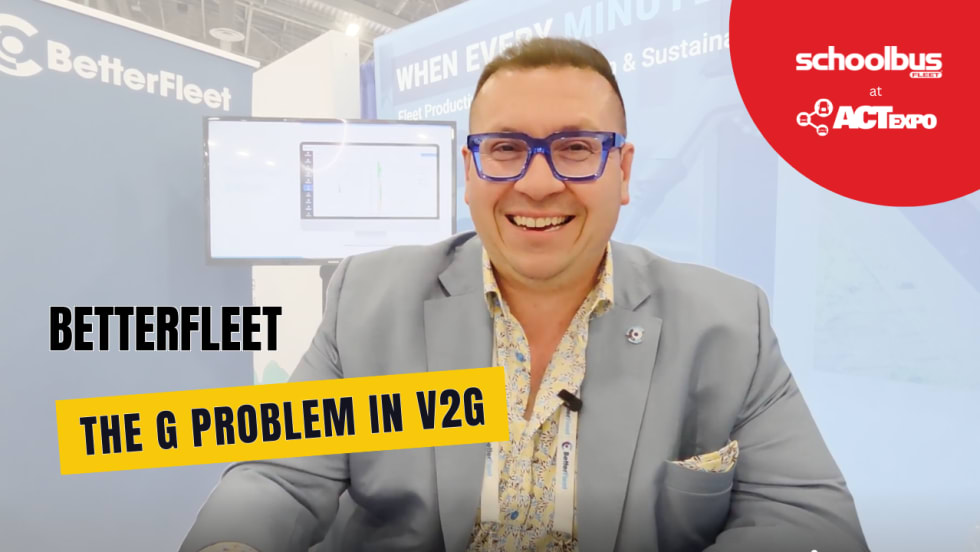
The Achilles Heel of School Bus Electrification: BetterFleet’s Take
BetterFleet’s managing partner discusses AI-powered EV fleet management, vehicle-to-grid challenges, and the real challenges in bus electrification today, from ACT Expo.
Read More →
You're On Your Own to Pick a Drivetrain [Op-Ed]
After years of federal pressure toward electric school buses, districts are suddenly being told to choose their own path. Let’s explore the risks, realities, and politics behind school bus drivetrain decisions.
Read More →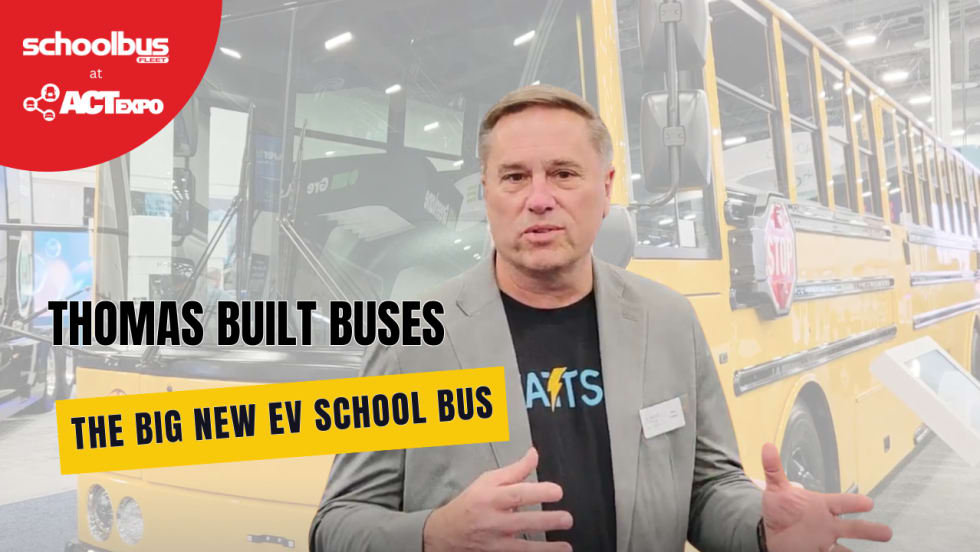
Wattson: Thomas Built’s Largest EV School Bus Yet
Check in with Mark Childers on the new Wattson Type D electric school bus, featuring faster charging, expanded passenger capacity, and advanced safety technology.
Read More →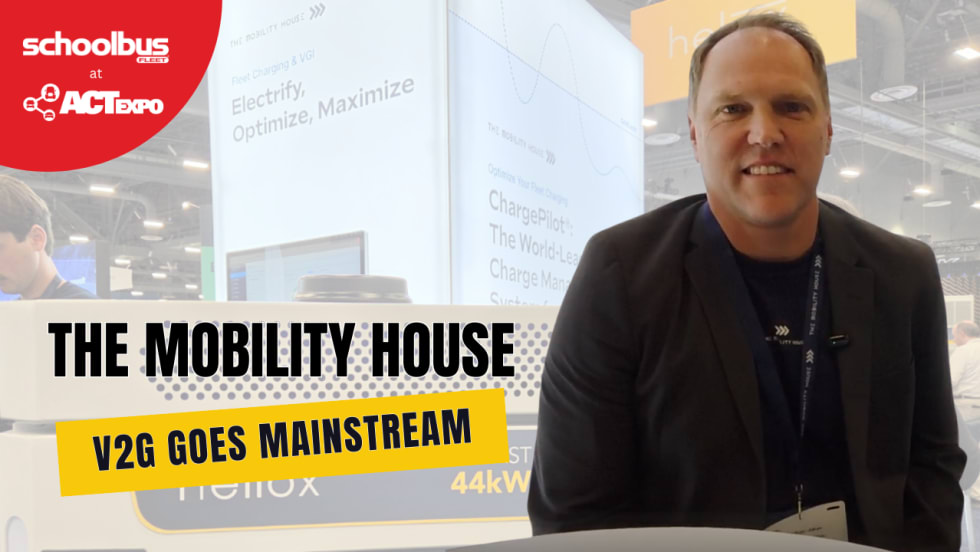
The New Era of Electric School Buses: V2G, Bidirectional Chargers & More
The Mobility House discusses AI-powered charging, vehicle-to-grid technology, smart energy management, and the next phase of school bus electrification.
Read More →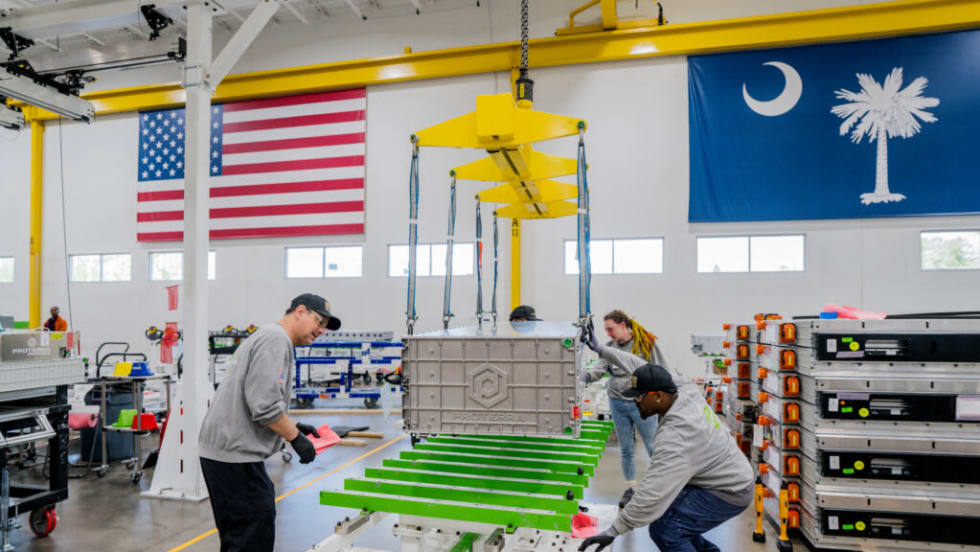
Now Made in America: Proterra Turns to U.S.-Built EV Batteries
Proterra announced a new U.S.-sourced battery cell option for its Onyx platform, boosting domestic content by more than 600% and strengthening EV supply chain resilience for commercial vehicle OEMs.
Read More →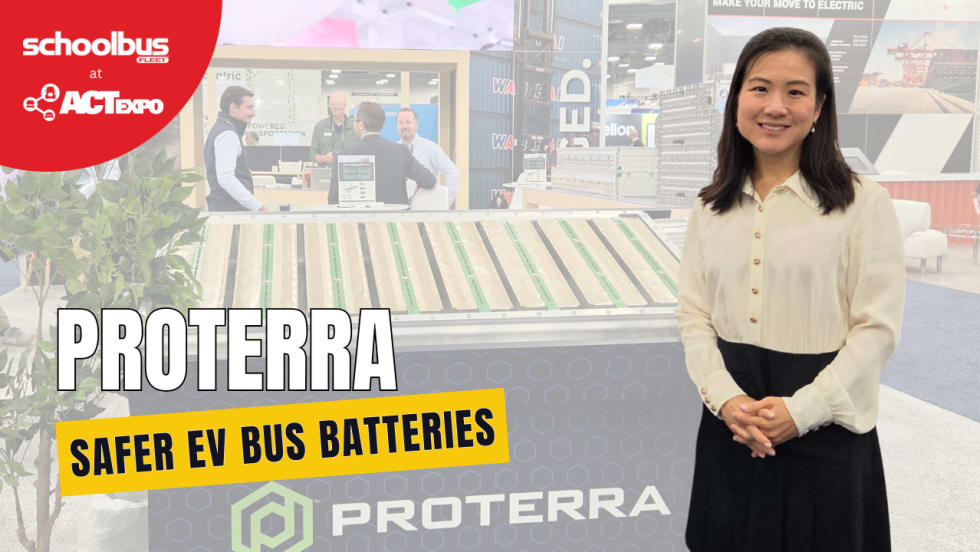
A Look at the Battery Technology Powering Electric School Buses
Check in with Proterra on next-generation EV battery technology for school buses, including safety innovations, predictive diagnostics, EPA 2027 readiness, and the future of transportation from ACT Expo.
Read More →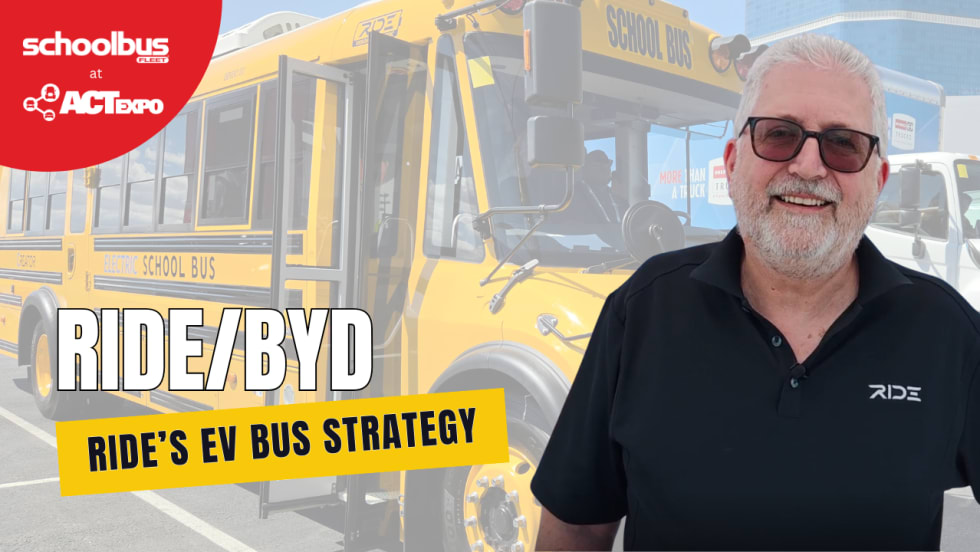
A Look at RIDE’s Push to Scale Electric School Buses
Let’s talk EV school bus demand, battery safety, V2G technology, and the future of electric student transportation at ACT Expo 2026 with leaders from RIDE.
Read More →