




Blue Bird Reports Nationwide Surge in Electric School Bus Interest
Multiple states with varying climates and road conditions are adopting electric school buses for cost savings and environmental impact, according to the school bus manufacturer.
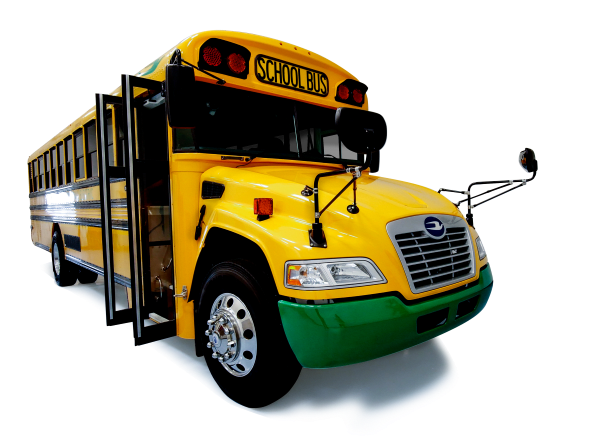
Multiple states with varying climates and road conditions are adopting electric school buses for cost savings and environmental impact, according to Blue Bird.
Photo courtesy Blue Bird
School bus manufacturer Blue Bird Corp. has seen a surge in demand across the U.S. for its electric bus since its introduction in 2018.
While most electric buses have been sold in California, there is interest in them nationwide, and they are hitting the road all over the country, according to a news release from Blue Bird.
“With districts able to obtain grant and other financial assistance, locations that we have deployed electric school buses in were the first in their state to have an [electric vehicle] EV bus in their fleet,” said Phil Horlock, president and CEO of Blue Bird Corp. “As the only manufacturer currently producing every bus type in electric, we can help districts start to introduce and potentially transform their entire fleet over time to zero emissions.”
Pupil transporters in many states with varying climates and road conditions are transitioning their school bus fleets to alternative-power solutions such as propane and electric to benefit their communities with cleaner air.
“As districts continue to see the environmental benefits of low- and zero-emissions solutions, such as electric, it is inevitable for our industry to see this shift,” Horlock added. “In fact, over 50% of what we produce is an alternative to diesel, and we are prepared to meet further growth in demand.”
As previously reported, the school bus manufacturer is boosting its electric bus production capacity to 1,000 units annually to meet the increasing demand for the alt-fuel buses.
Another benefit: electric buses built by Blue Bird are now equipped with vehicle to grid (V2G) capability, allowing communities to use electric buses as backup power sources in emergency situations, as well as revenue generators by selling electricity back to the grid while the bus is plugged in during peak power use times.
Additionally, electric buses also have fewer parts to maintain, which helps school districts and school bus companies see immediate savings on maintenance costs.
“The usual concern with deciding to introduce electric in a new area is the climate — will it work in cold weather?” said Mark Terry, chief commercial officer for Blue Bird. “We have deployed buses in over 25% of all states in the U.S., including cold climates such as North Dakota and New York, as well as hot areas such as Texas and Georgia. Charging is a key part of the equation that districts should really look into, and we have an incredible dealership network that helps districts navigate infrastructure setup to ensure effective charging and operation.”
More Alternative Fuels

CALSTART and Forth Combine to Form Catalyst Mobility
The new name represents a renewed vision for the nonprofit focused on advancing clean, equitable, and affordable transportation solutions that move people and goods.
Read More →
Alt-Fuel Moves: New Buses, Charging Hubs & Real-World EV Testing
Propane and electric school bus deployments continue to grow as districts add new vehicles, expand charging infrastructure, and gather more real-world operating data.
Read More →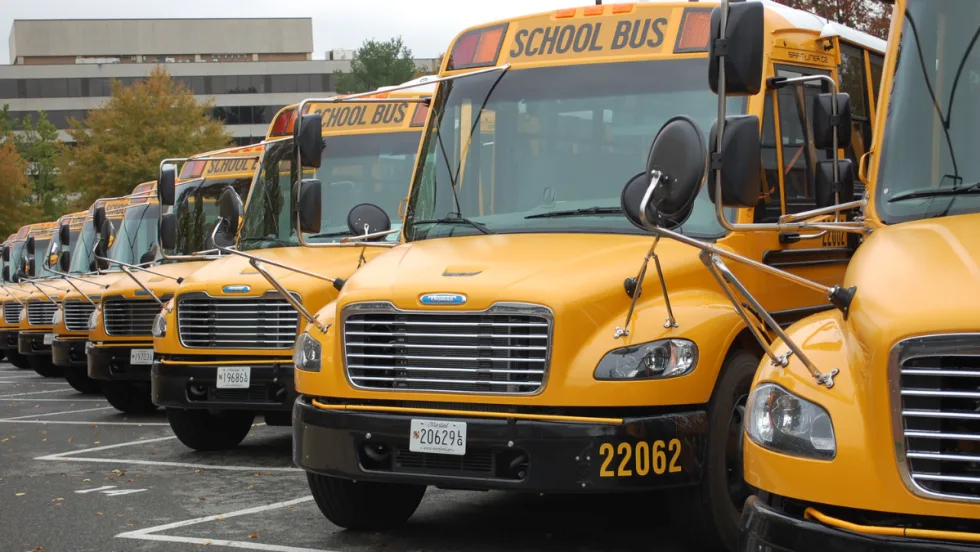
Fewer Electric School Bus Models Reshape the U.S. Market
WRI’s latest buyer’s guide points to a consolidating electric school bus market, but fewer options may reflect a maturing industry rather than fewer meaningful choices for school bus operators.
Read More →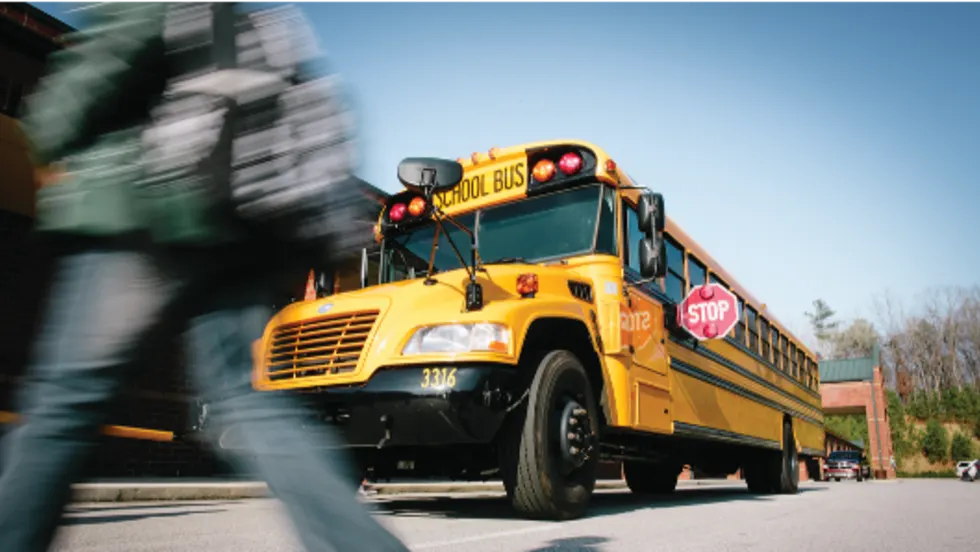
The Fuel Budget You Can Actually Predict: How Propane Autogas Keeps Money in the Classroom
Learn how propane autogas helps school districts manage fuel costs with predictable pricing, lower maintenance, and reduced emissions from former transportation director Joel Stutheit.
Read More →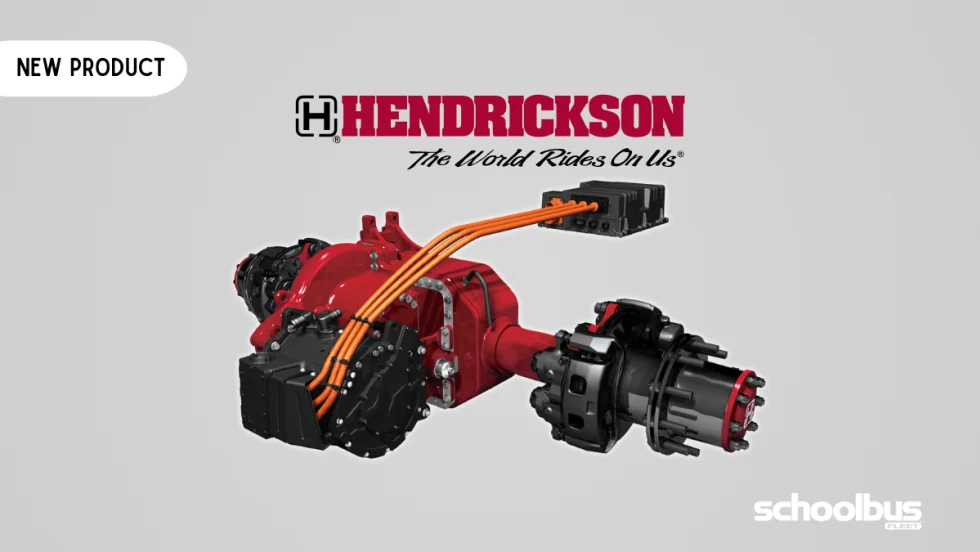
Hendrickson, Driventic Introduce New Electric Powertrain for School Buses
ELECTRAAX, the electrified, lightweight drive axle offers integrated ePowertrain efficiency and modular flexibility for Class 6–7 school bus use.
Read More →
The Mobility House Joins PowerFlex in Fleet Electrification Deal
The acquisition combines intelligent charging software, bidirectional charging expertise, and fleet electrification services to support the growing adoption of electric school buses across North America.
Read More →
Alt-Fuel Moves: Electric School Bus Investments Hit the Road
See which districts across the U.S. are putting electric school buses into service, expanding charging infrastructure, and planning the next phase of fleet electrification.
Read More →
With Fuel Volatility Ahead, School Districts Turn to Propane
While diesel prices peaked above $5 this spring, districts with propane autogas-powered fleets paid under $2 per gallon, according to PERC.
Read More →
EPA Unveils Proposed Changes to 2027 Heavy-Duty Engine Rules
The federal agency has proposed changes to next year’s targets that would eliminate DEF derates, ease warranty requirements, and retain current NOx emissions standards.
Read More →
Alt-Fuel Moves: EV Charging & Infrastructure Projects Gain Momentum
The latest developments include new funding, charging infrastructure, utility investments, and fleet technologies designed to support the transition to electric school buses nationwide.
Read More →