




Getting on Board With a Return to the Classroom
The National School Transportation Association's president emphasizes the importance of in-person instruction and urges pupil transporters to remind parents that the yellow bus continues to be the safest form of transportation for students.
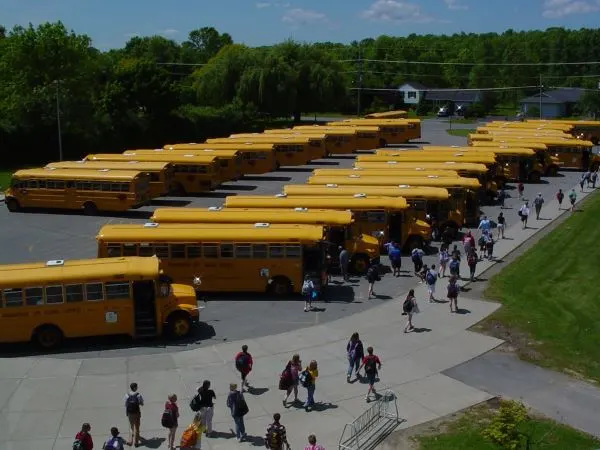
John Benish Jr., the National School Transportation Association's president, urges the industry to remind industry, we must keep reminding parents that the yellow bus is still the safest form of transportation for students.
File photo courtesy Scott Goble
As we move into the fall months, we hear the unmistakable sound of the yellow bus. Children, walking into the classroom wearing their new shoes on the first day of school are again, thankfully, becoming a welcome sight. Even as significant parts of the nation still resist the notion that a return to classroom learning can be safe, children and parents have come to realize how critical the impending return to school is and will continue to be.
But don’t take it just from me. A recent Huffington Post article highlighted the concern of educators over a potential explosion of school dropouts, due to the COVID-19 pandemic. The author of the article, Rebecca Klein, writes:
“Education leaders are predicting a sizable increase in the number of high school dropouts during the 2020-2021 school year. With more than half of school districts using hybrid or remote models, they fear struggling students will disengage from their school systems without a fully in-person option. Amid an economic crisis with high unemployment rates, more teachers report that their students are opting to work hourly jobs to help support their families. Others are taking care of siblings in lieu of stable childcare. Compounding these issues is the fact that many students still lack access to the appropriate technology to complete online schooling.”
Unfortunately, the effects of a “dropout pandemic” will last for a generation or longer, as under-educated adults struggle to find employment opportunities to help them start and support a family. But the ramifications of this educational crisis aren’t limited to economics; there’s a very real psychological impact to consider as well.
Recall the joy parents get from watching young children jump up and down in excitement as their shiny yellow school bus pulls up to the bus stop. Remember the emotions that are stirred up in parents and grandparents as those children board the bus for the very first time, lunch box in hand. These are memories that last a lifetime and simply cannot be replicated via remote learning.
The sheer happiness of the children also warms the hearts of the many adults who play an important role in the K-12 educational system. As excited as the children and parents are for the return to school, the same goes for the dedicated men and women who comprise the transportation staff, especially our wonderful school bus drivers.
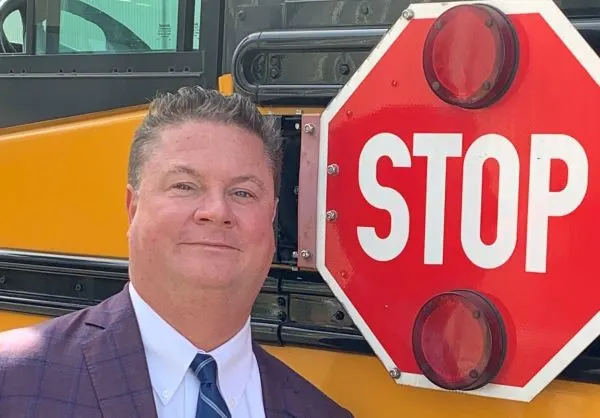
John Benish Jr. is the president of the National School Transportation Association.
Photo courtesy National School Transportation Association
I recently discussed this with two of our drivers at Cook-Illinois Corp.: Sharon Newmes, who started with us in 1980, and Janyce Johnson, who began driving a school bus in 1970. Yes, you read that correctly: Janyce is celebrating her 50th anniversary driving a school bus on Oct. 10. This is obviously a proud moment for her, and it is for all of us at the company as well.
As we know, if you stay in this business long enough you begin to “bleed yellow.” Yet it is nice to be reminded that with the upheaval in our lives because of the pandemic, some things can stay constant, like the first day of school and the iconic yellow bus.
Student transportation has learned so much about itself over the last six months, and moving forward, we will likely see some permanent changes in how operations are conducted. As an industry, we must keep reminding parents that the yellow bus is and will continue to be the safest form of transportation for students to and from school. Pandemic or no pandemic, carpooling, especially for teen drivers, is simply not as safe as the school bus.
Let’s continue to take precautions, but also be vigilant in finding the right path for a complete return to classroom learning that starts every day with the yellow bus.
More Blog Posts
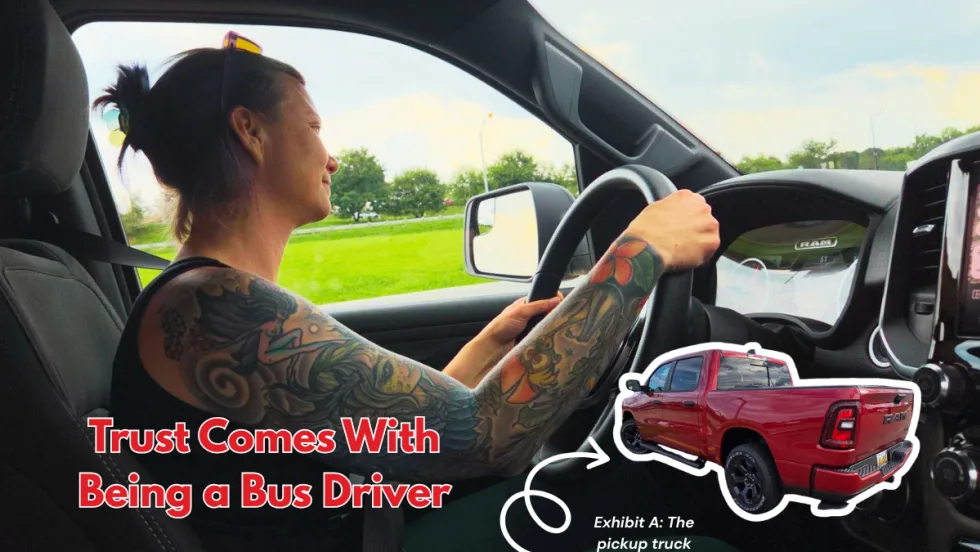
'I’m a School Bus Driver, You Can Trust Me'
A crowded Cleveland parking lot, a full-size pickup, and five unexpected words turned a stressful moment into a reminder of just how much trust we place in school bus drivers every day.
Read More →
The Sound of Summer Starting [Guest Editorial]
That unmistakable school bus rumble? It carries childhood memories, community routines, and a whole lot of unseen work behind the scenes.
Read More →
The Technology Power Combo That Enables EV Charging on Difficult Sites
As the pace of fleet electrification increases and charging infrastructure continues to pose challenges, many fleets find themselves puzzling over the question: how do I install charging infrastructure faster and more cost-efficiently?
Read More →
Trip Sheet: Farewell, Faithful Readers – Keep on Rolling
Executive Editor Wes Platt offers parting thoughts as he parks the School Bus Fleet bus to focus on ultra-local community journalism, making way for someone else to take the wheel as the pupil transportation industry continues to evolve.
Read More →
Trip Sheet: School Transportation Pros Can Champion Children's Mental Health
Children's Mental Health Awareness Day underscores the significance of school bus drivers in fostering supportive environments during students' journeys. SAMHSA's initiatives, including stigma reduction and access to resources, complement the Biden-Harris administration's funding efforts to enhance youth mental health services and workforce development.
Read More →
Trip Sheet: Is It Time for Daylight Saving Time to Clock Out?
How do you think the potential shift to permanent Daylight Saving Time or standard time would impact our daily lives and routines, especially considering the divided approach across various states?
Read More →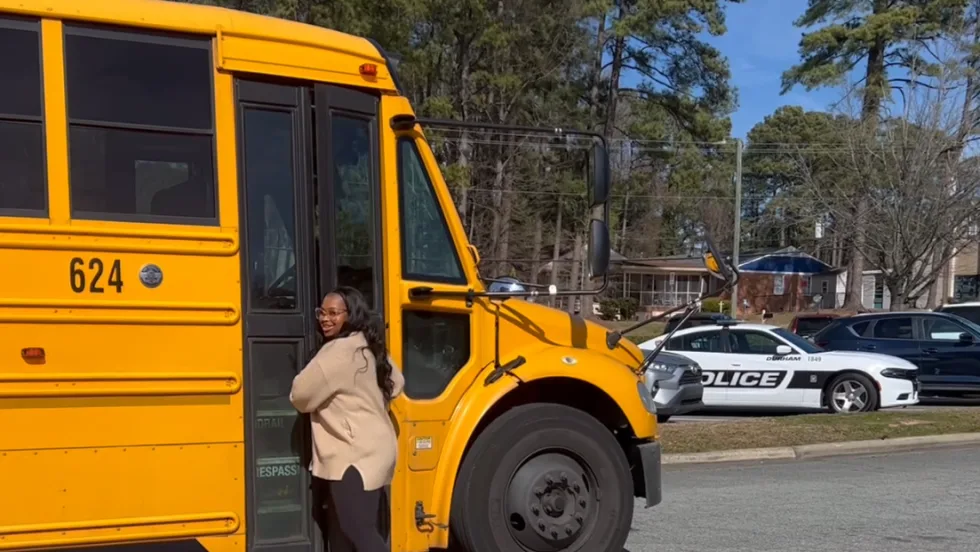
Trip Sheet: Meeting a Hero in My Own Back Yard
I remain impressed by the matter-of-fact heroism that’s often demonstrated by school bus drivers like Deona Washington who are caught in these situations where the best of us might lose our cool and panic. But, then again, bus drivers are a unique breed.
Read More →
Trip Sheet: 3 Takeaways from the EPA Clean School Bus Grant Program
Most applicants sought grant funding to acquire electric school buses, with propane coming in a distant second. No one indicated plans to purchase compressed natural gas (CNG) buses in this round. That’s not terribly surprising, I suppose, given how few school districts listed the inclusion of CNG buses in their fleets for our 2023 top district fleets survey.
Read More →
Trip Sheet: Let's Get Rolling: What's Coming in 2024?
Calendar pages keep flipping toward the mandates set in states like New York and California to transition their school bus fleets from diesel to zero-emission, but there’s plenty of reluctance and pushback.
Read More →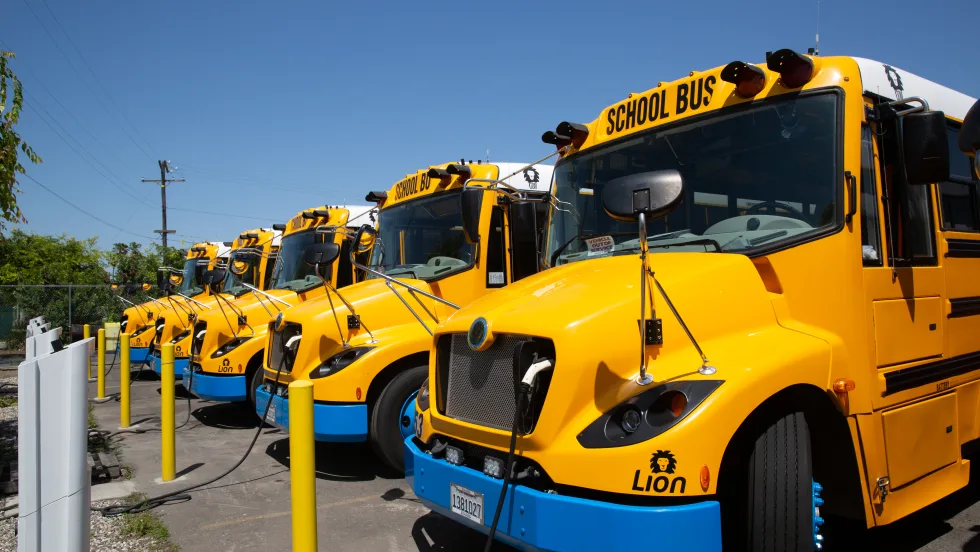
California School Children Ride in Green School Buses
Today, California prides itself on utilizing the most zero-emission (ZE) school buses in the country with over 1,689 being used by California school districts; and while the state is on a positive health trajectory thanks to a decree to eliminate gas and diesel vehicles, more work needs to be done to improve children’s well-being.
Read More →