




NAPT Keynote Speaker: Stacey Bess on Working With Homeless Students
The educator and author says that pupil transportation professionals are in a good position to have a positive impact on homeless students who ride their buses.

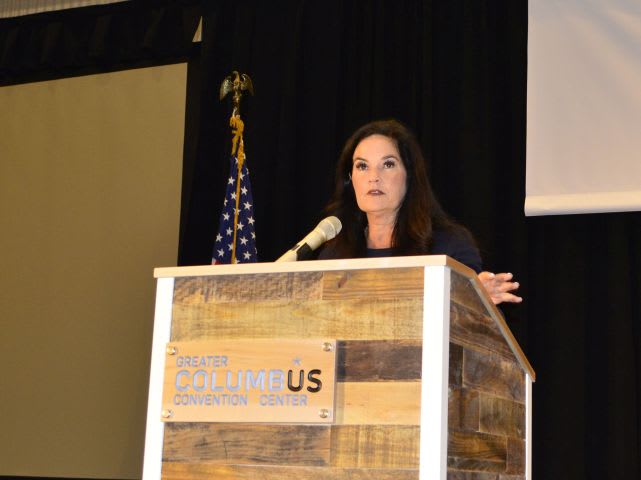
Stacey Bess says that pupil transportation professionals are in a good position to have a positive impact on homeless students who ride their buses.
Stacey Bess says that pupil transportation professionals are in a good position to have a positive impact on homeless students who ride their buses.
At 23, Stacey Bess landed a teaching job that seemed daunting at first: teaching children in a homeless shelter in Salt Lake City.
“I wasn’t sure I wanted this opportunity,” Bess told School Bus Fleet in an interview. “I was really quite freaking out about it.”
Her initial task was to teach the whole gamut of grades, from kindergarten through high school, with an average of about 26 students at a time. She soon developed a fascination for homeless education, which she found was as much about educating the parents as it was the children.
“Really it was the most enjoyable job in the whole world, because I had mom[s] and dad[s] right on site with me,” Bess said.
She also motivated the students to go beyond their current situation and pursue success. A key part of that was convincing them that they could.
“[Later in life], they actually say to me, ‘It worked. You told us over and over again how great we are, and we believed you,’” she said. “These are kids who have risen above the last generation.”
Bess noted that pupil transportation professionals are also in a good position to have a positive impact on homeless students who ride their buses. She gave an example of a school bus driver who kept a box of granola bars under her seat. If she found out that one of her passengers hadn’t had breakfast, she would slip him or her a granola bar.
Even just a smile and a warm greeting can go a long way to encourage homeless students, Bess added.
“People don’t realize how important those words are to kids,” she said. “You might be the first person to talk to them that morning.”
More Special Needs Transportation
BraunAbility Introduces New Safety Barrier for Wheelchair Lifts
LiftSentinel is designed to add another layer of protection during wheelchair loading and unloading and can be retrofitted to many existing commercial lift installations.
Read More →
HopSkipDrive Launches New Safety, Driver Consistency Features for 2026-27 School Year
The company’s free ride recording, live ride tracking, and consistent driver assignments aim to improve safety and continuity for diverse student transportation needs.
Read More →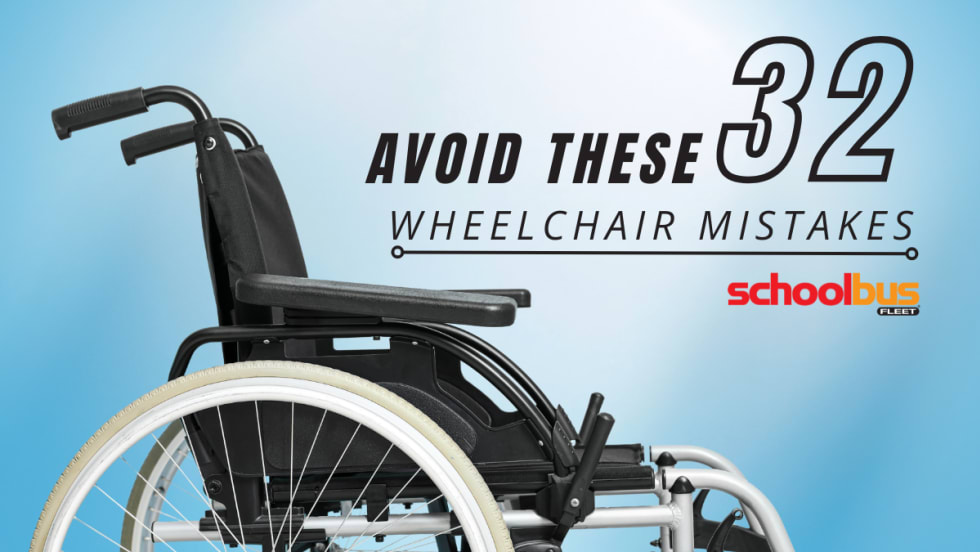
The Most Common Wheelchair Securement Mistakes on School Buses (and How to Fix Them)
Small missteps in wheelchair securement can have serious consequences. Here are 32 tips from experts to reduce risk and increase student safety on the bus.
Read More →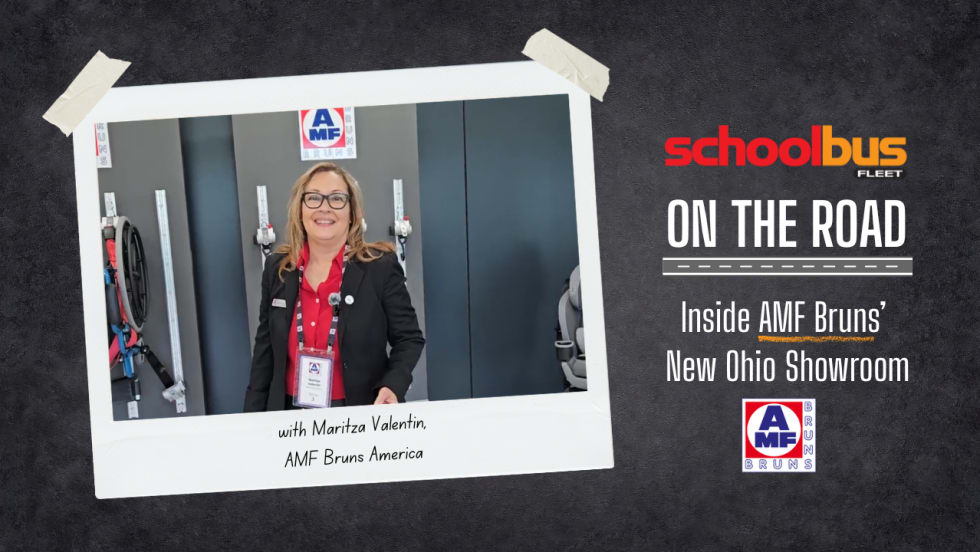
Inside AMF Bruns’ New Showroom: School Bus Securement Solutions Explained
Go inside AMF Bruns America’s new Ohio showroom with Maritza Valentin to see its FutureSafe technology, driver training tools, securement systems, and seating innovations.
Read More →
What AMF Bruns’ New Facility Means for Customers [Video]
Inside AMF Bruns’ new Stow, Ohio, operations: See how expanded space and innovation will enhance customer support and operations.
Read More →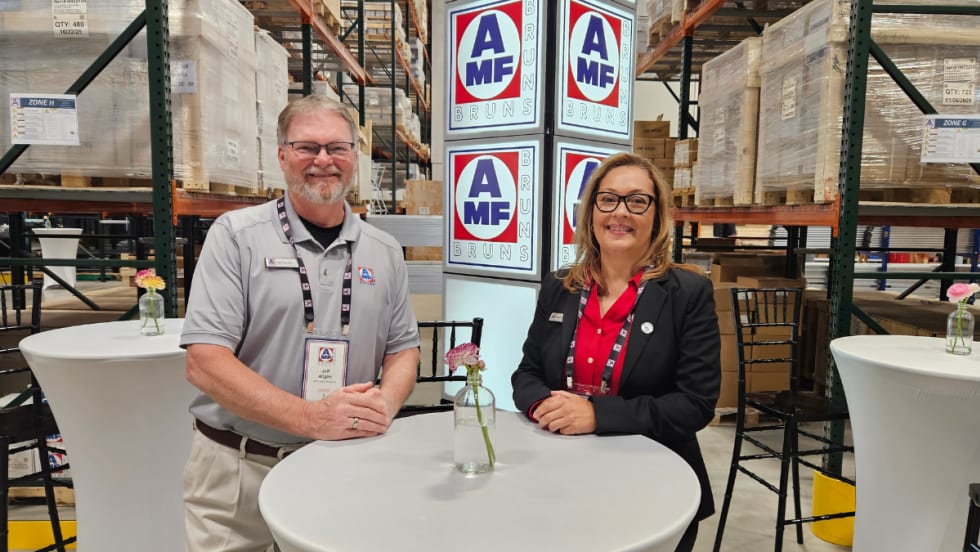
AMF Bruns Expands in Ohio, Investing in Growth and Community
With expanded production space, local investment, and a growing workforce, AMF Bruns is scaling its U.S. presence. Here’s an exclusive first look inside the new Stow, Ohio, HQ.
Read More →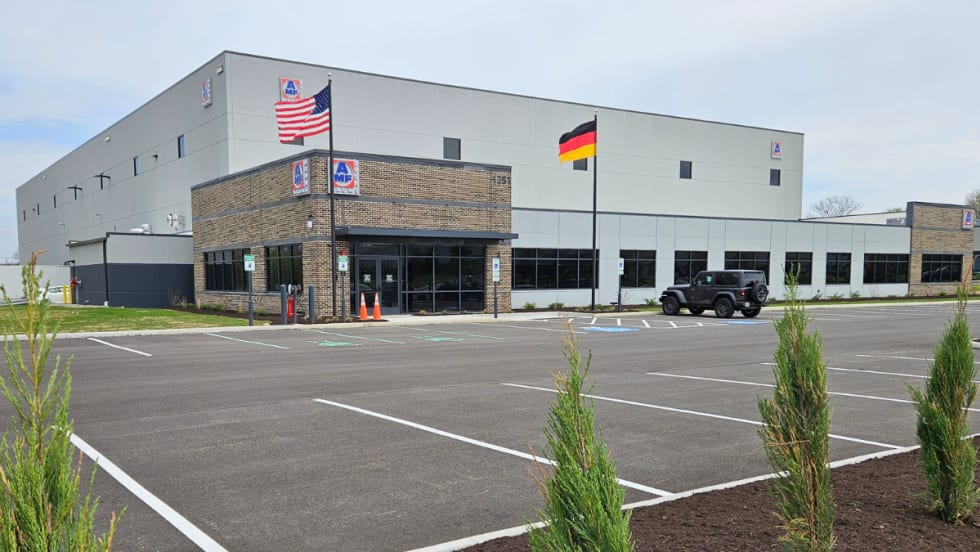
Inside AMF Bruns of America’s New Ohio Manufacturing Facility [Photos]
Take a behind-the-scenes look at AMF Bruns of America’s new 41,000-square-foot Stow, Ohio, headquarters, featuring advanced manufacturing, expanded space, and future-ready mobility solutions.
Read More →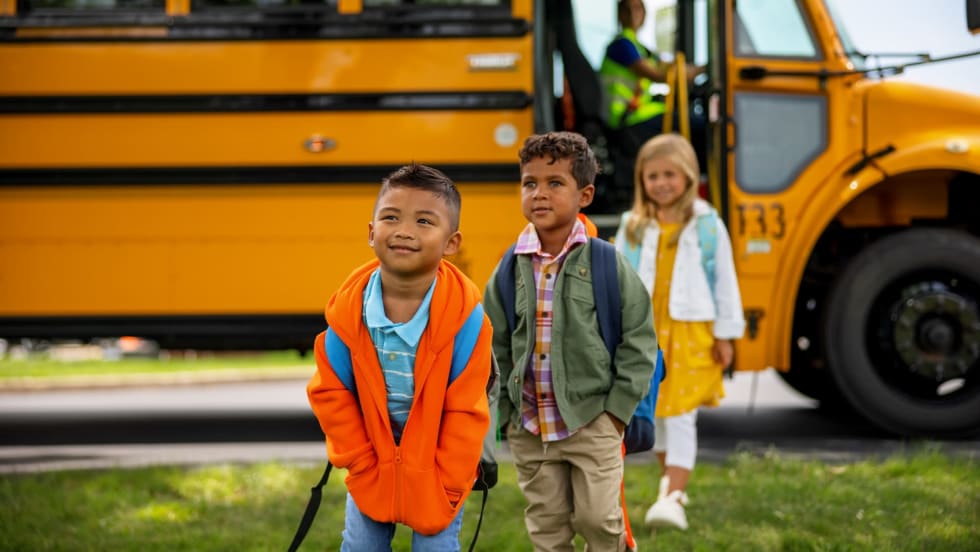
First Student Boosts Student Support in Wichita & Texas
First Student and Wichita Public Schools are using behavioral support strategies to improve student ride experiences, while a separate initiative expands access to after-school programs through a bus donation.
Read More →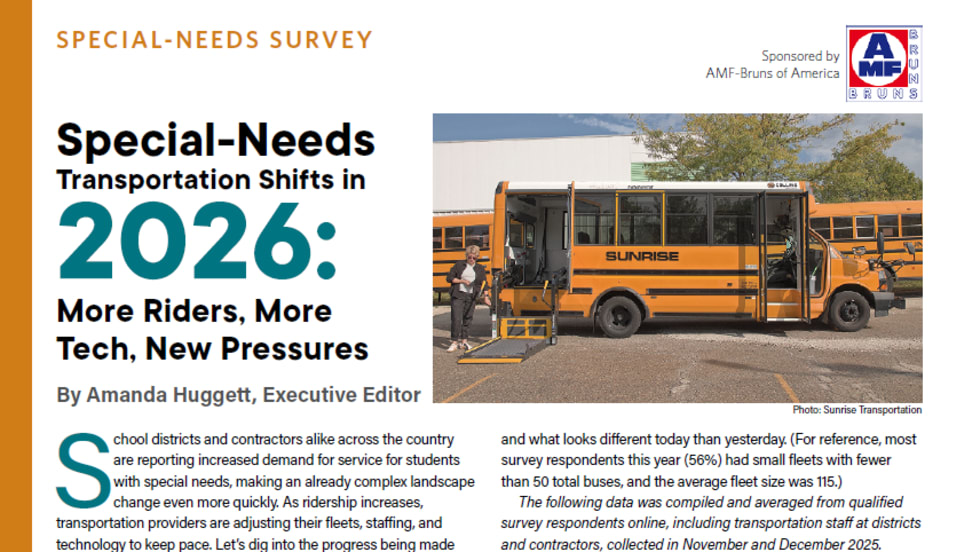
2026 Special-Needs Transportation Survey
What’s changing in special-needs transportation? This year, student transportation operators report a rising need, easing driver shortages, growing tech adoption, and evolving challenges. Sponsored by AMF Bruns of America.
Read More →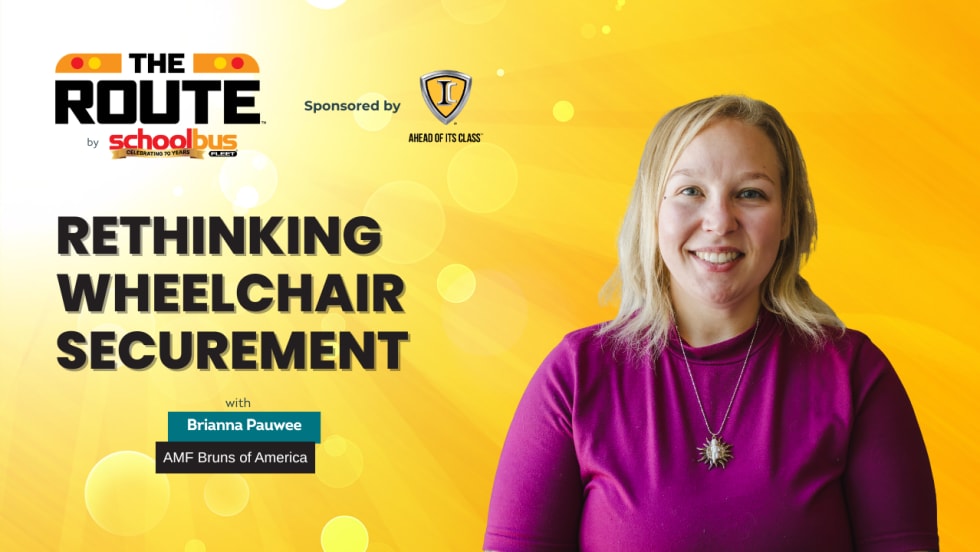
The Lived-Experience Gap in Mobility Tech: An Expert Take on Safe Student Transportation
Brianna Pauwee, a product application specialist at AMF Bruns of America and a wheelchair user, drops in to The Route to share practical securement and training insights, plus the story behind the new “Beyond Mobility” podcast. The Route is sponsored by IC Bus.
Read More →