




Specific Special Needs Evacuations: Spina Bifida
This condition is a birth defect that involves incomplete development of the spinal cord, often resulting in paralysis of a student's lower extremities. Many with spina bifida will be totally dependent on the bus staff, so a well thought out evacuation plan is critical. Part 4 of this series also covers spinal cord injuries.
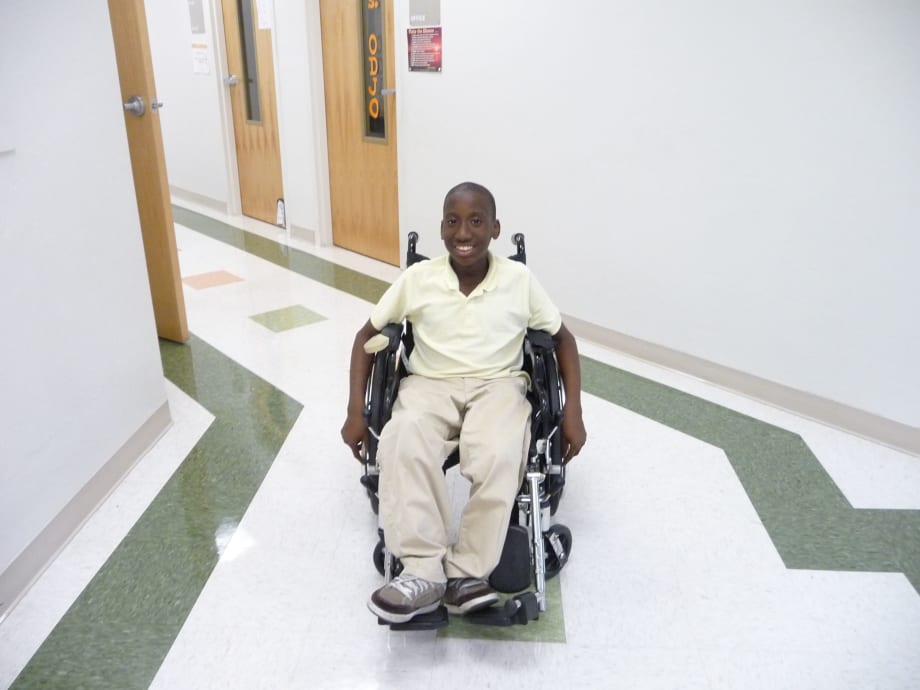
Hector is a fourth-grade student who uses a manual wheelchair for his mobility, as he was born with myelomeningocele, the most significant form of spina bifida.
In the case of emergency, students must evacuate a school bus as quickly and efficiently as possible. When a student is disabled, this can present challenges.
Previously, we've discussed cerebral palsy, Duchenne muscular dystrophy, and spinal muscular atrophy, and the implications for evacuating students with these conditions from a school bus.
This article will cover spina bifida and spinal cord injuries.
Specifics of Spina Bifida
Spina bifida is a birth defect that involves incomplete development of the spinal cord. There are several forms of spina bifida — the most significant is called myelomeningocele. Hector, pictured to the left, was born with myelomeningocele.
The meninges (membranes) responsible for covering and protecting the brain and spinal cord are pushed through the defect in the back, along with part of the spinal cord. As a result of myelomeningocele, the child will typically have paralysis and no sensations or feeling in his or her lower extremities.
Children with spina bifida often have problems with bowel and bladder control. Babies with myelomeningocele will have surgery within the first one to two days after birth. During surgery, doctors push the meninges back into the body and close the defect to prevent infection and protect the spine.
Another complication of spina bifida is hydrocephalus, which consists of excessive accumulation of cerebrospinal fluid in the ventricles of the brain.
Spina bifida is one of the most common birth defects in the U.S. The average incidence is 0.7 per 1,000 childbirths. It has been found that a lack of folic acid is a contributing factor in the cause of neural tube defects (developing the brain and spinal cord). Adding folate to the mother's diet can reduce the incidence of neural tube defects by about 70 percent. It is unknown why folic acid has this effect.
Spinal Cord Injuries
In the U.S., The National Institutes of Health reports that approximately 17,000 new cases of spinal cord injuries are reported each year, and roughly 282,000 persons are estimated to be living with spinal cord injuries.
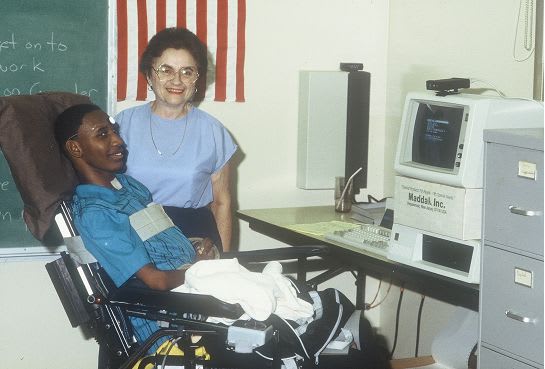
Melvin is a 10th-grader who has a spinal cord injury. He fractured his spine at the C4 level.
Melvin, pictured on the right, was skateboarding by a swimming pool. He misjudged one of his jumps and came down on the edge of the swimming pool, fracturing his spine at the C4 level.
Melvin has a spinal cord injury that can also occur in a diving accident, a car accident, a fall or a gunshot wound.
In Melvin's case, his injury is considered a complete spinal cord injury. He is totally paralyzed — he has no feeling or sensation in his extremities and has no bowel and bladder control.
Implications for an emergency evacuation
Whether a student has spina bifida or a spinal cord injury, they have no movement or feelings or sensations in their lower extremities from the point of injury/defect. Therefore, the implications for emergency evacuation apply to both defects and injuries. Keep the following in mind:
Students' expensive equipment should be retrieved only when students are out of harm's way, and when time permits and there are no safety risks present for bus staff. The equipment may be critical for the student's ability to function, but it can always be replaced. A student's or a staff member's life cannot.
Provide special care when lifting and dragging students on an emergency evacuation device. Be especially aware of the position of their legs as the student is dragged out of the bus. They won't be able to tell anyone if their legs get caught on seat legs or other objects in the bus.
Many of these students will know what is going on around them, but they cannot move independently. Be aware of the fear and anxiety these students will have during an evacuation. Constantly reassure them that everything will be OK.
Many students with spina bifida or a spinal cord injury use a sport-type mobility device to maneuver around school. On the school bus, these students must be transferred from their mobility device to the bus seat.
Have a well thought out plan to evacuate these students. Depending on the level of paralysis, many of these students will be able to lower themselves from the bus seat to the floor. These students may then be able to scoot to the back of the bus; others will need to be transferred from the bus seat onto an emergency evacuation device and dragged out of the bus.
Remember, once they're out of the bus, these students will need their mobility device to be able to move around. However, their mobility equipment should be evacuated only if time and safety permits.
Students with a severe spinal cord injury may need the use of a sophisticated motorized wheelchair. Although this wheelchair will cost thousands of dollars, the life of the student is most important. The staff must know how to move all of the tubes out of the way to lift the student out of the wheelchair and down to the emergency evacuation device.
If the student is on a ventilator, then a nurse and the bus staff must know how to use an Ambubag to maintain the student's respiration.
It is important to recognize that both spina bifida and a spinal cord injury can have a very significant impact on students' lives. Their inability to move themselves means they are totally dependent on the bus staff to evacuate them. That is why a well thought out emergency evacuation plan is critical.
Jean M. Zimmerman is supervisor of occupational and physical therapy for the School District of Palm Beach County (Fla.). She is the author of Evacuating Students With Disabilities, a comprehensive manual and training course written in conjunction with the Pupil Transportation Safety Institute. The program can be purchased at www.ptsi.orgor by calling (800) 836-2210.
More Special Needs Transportation
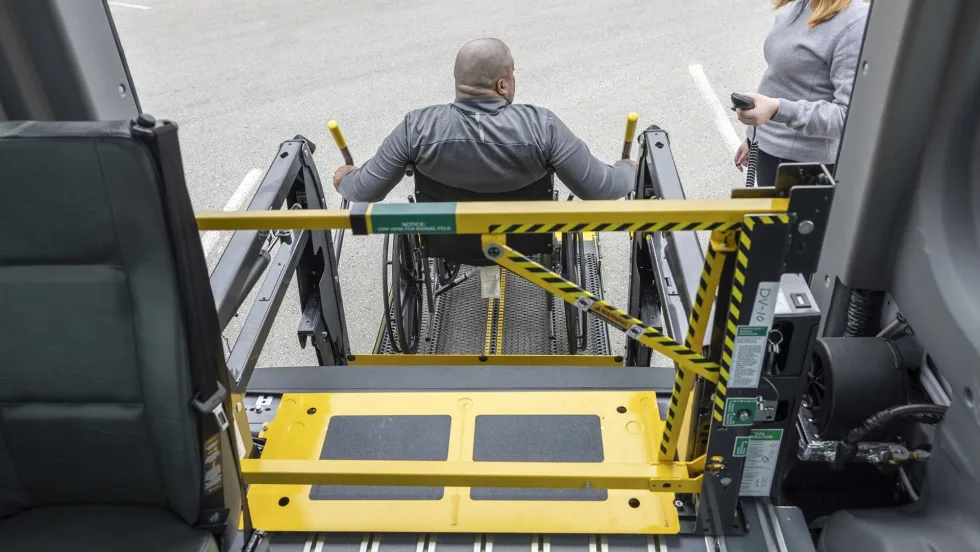
BraunAbility Introduces New Safety Barrier for Wheelchair Lifts
LiftSentinel is designed to add another layer of protection during wheelchair loading and unloading and can be retrofitted to many existing commercial lift installations.
Read More →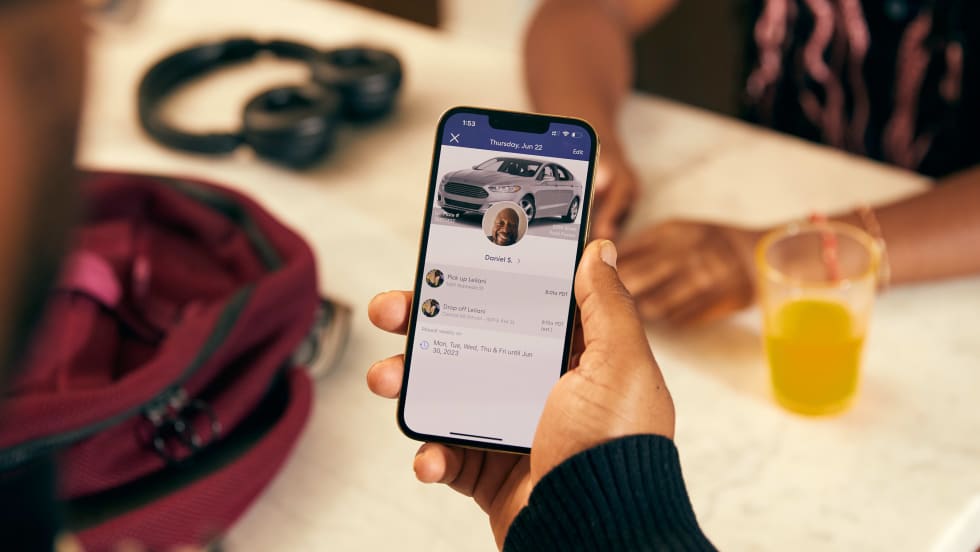
HopSkipDrive Launches New Safety, Driver Consistency Features for 2026-27 School Year
The company’s free ride recording, live ride tracking, and consistent driver assignments aim to improve safety and continuity for diverse student transportation needs.
Read More →
The Most Common Wheelchair Securement Mistakes on School Buses (and How to Fix Them)
Small missteps in wheelchair securement can have serious consequences. Here are 32 tips from experts to reduce risk and increase student safety on the bus.
Read More →
Inside AMF Bruns’ New Showroom: School Bus Securement Solutions Explained
Go inside AMF Bruns America’s new Ohio showroom with Maritza Valentin to see its FutureSafe technology, driver training tools, securement systems, and seating innovations.
Read More →
What AMF Bruns’ New Facility Means for Customers [Video]
Inside AMF Bruns’ new Stow, Ohio, operations: See how expanded space and innovation will enhance customer support and operations.
Read More →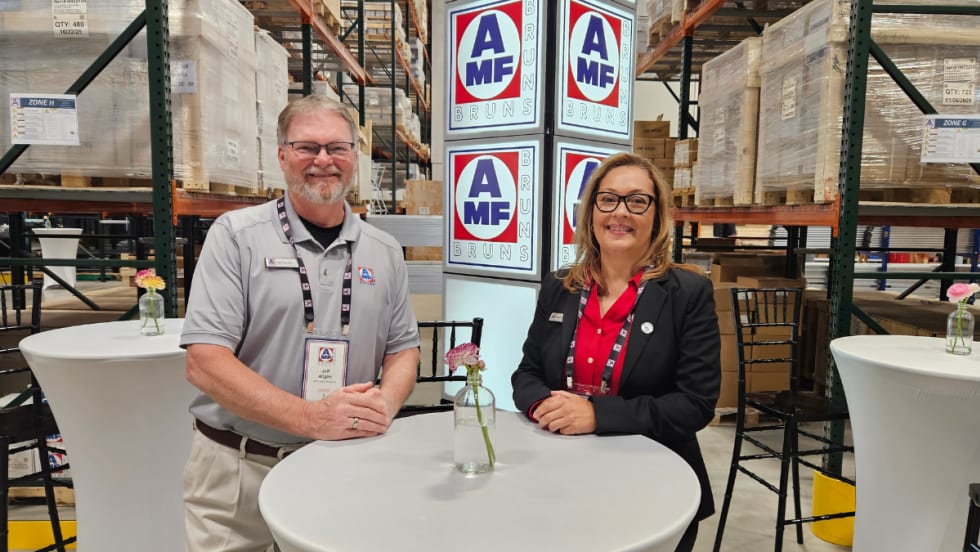
AMF Bruns Expands in Ohio, Investing in Growth and Community
With expanded production space, local investment, and a growing workforce, AMF Bruns is scaling its U.S. presence. Here’s an exclusive first look inside the new Stow, Ohio, HQ.
Read More →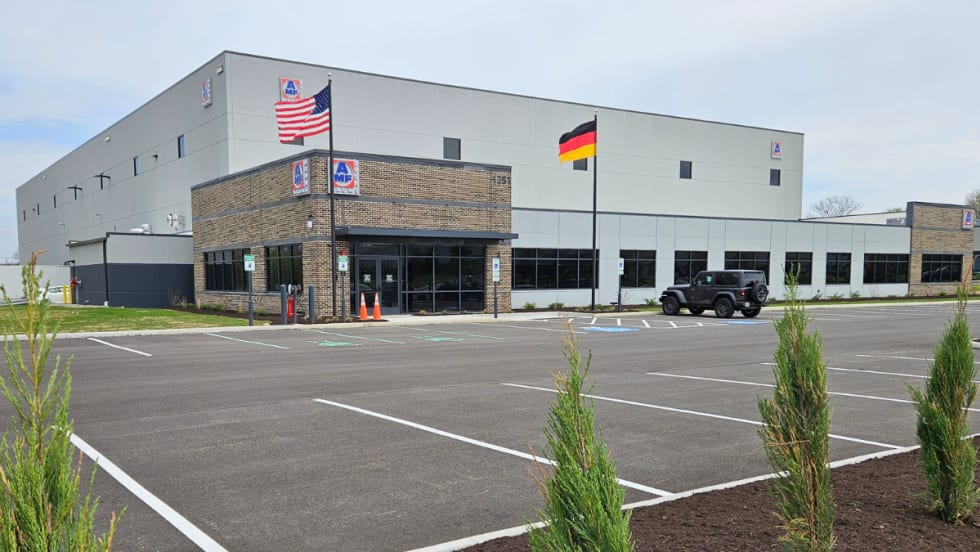
Inside AMF Bruns of America’s New Ohio Manufacturing Facility [Photos]
Take a behind-the-scenes look at AMF Bruns of America’s new 41,000-square-foot Stow, Ohio, headquarters, featuring advanced manufacturing, expanded space, and future-ready mobility solutions.
Read More →
First Student Boosts Student Support in Wichita & Texas
First Student and Wichita Public Schools are using behavioral support strategies to improve student ride experiences, while a separate initiative expands access to after-school programs through a bus donation.
Read More →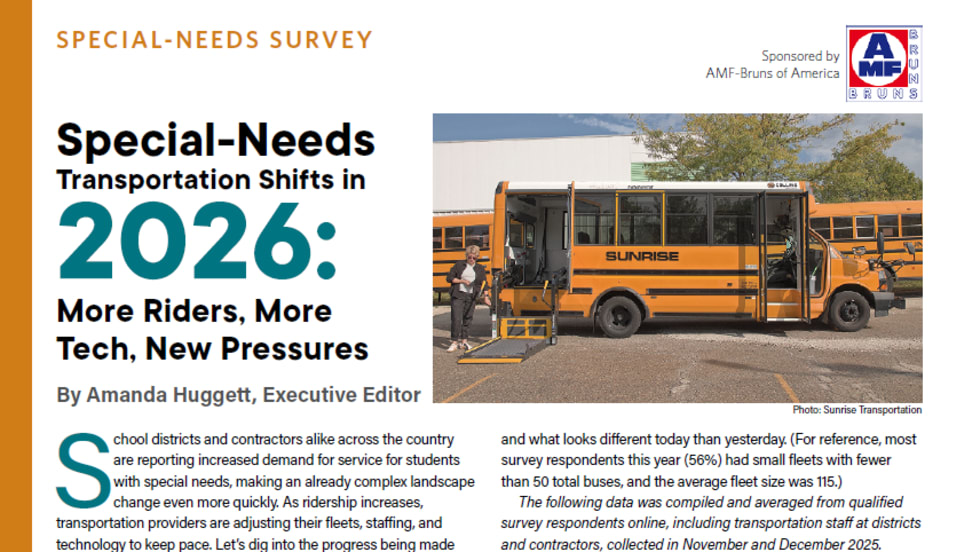
2026 Special-Needs Transportation Survey
What’s changing in special-needs transportation? This year, student transportation operators report a rising need, easing driver shortages, growing tech adoption, and evolving challenges. Sponsored by AMF Bruns of America.
Read More →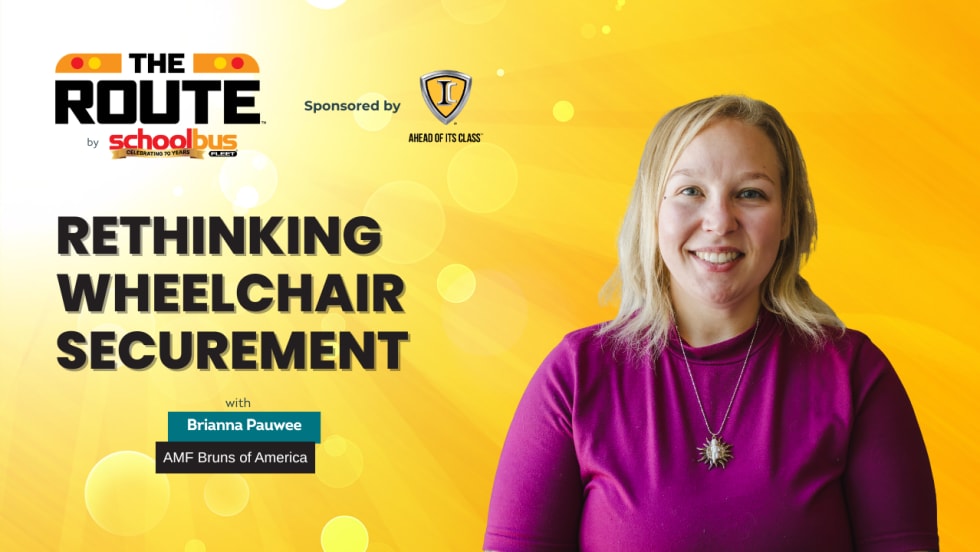
The Lived-Experience Gap in Mobility Tech: An Expert Take on Safe Student Transportation
Brianna Pauwee, a product application specialist at AMF Bruns of America and a wheelchair user, drops in to The Route to share practical securement and training insights, plus the story behind the new “Beyond Mobility” podcast. The Route is sponsored by IC Bus.
Read More →