




Preventive Maintenance Checklists: Key to Thorough School Bus Repairs
A veteran shop manager and technician shares advice on creating a checklist that catches the little things and helps to make complete repairs.
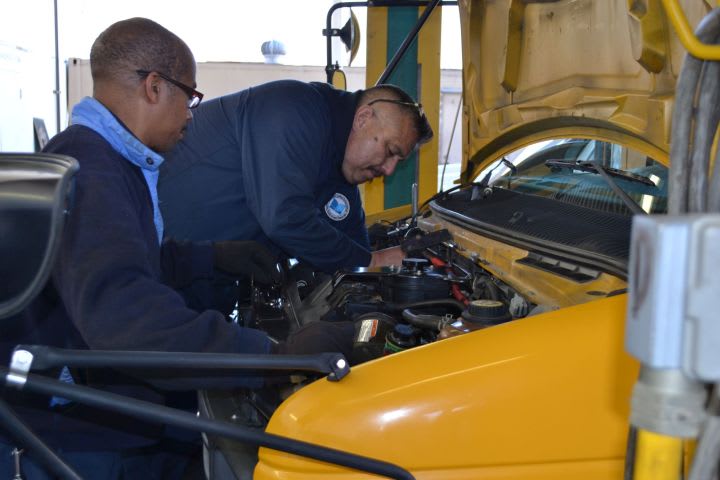

Performing inspections of each item in a preventive maintenance (PM) checklist is more than just looking at components. I always tell people to pay attention to the little things, the little problems, making repairs to the smallest of defects.
In doing so, the larger potential problems will be repaired and never develop into real problems. Many technicians find this hard to do. They focus on the problem at hand, fixing items that have failed, but they fail in the process to repair the cause of the failure. This causes repeat problems.
Technicians will then blame the part as being defective or of poor quality. Each problem has a cause. Finding and repairing the cause prevents future problems from occurring.
I have had technicians ask me, “Why do you take so long to make a repair?” The answer is that I make the repair the correct way. What they do not realize is that the school buses I work on rarely come back for repeat problems. The buses they work on sometimes never leave the yard before they break down again.
When you take your personal car to a repair shop, you expect the repair to be complete. You definitely do not want to have to take it back because the problem was not solved the first time. Doing it right the first time increases reliability and — most importantly — safety.
Your drivers will appreciate a job done well even if it takes a little longer. They will appreciate not having to drive an old spare bus repeatedly.
I routinely have drivers request that I work on their bus over someone else. I receive many a “thank you” from drivers for doing a job well. The reason is that I am consistent on every bus. I follow the same steps on every job. I pay attention to detail and follow the same routine. I do not cut corners to save a few minutes.
I never work on a school bus for any reason without checking the lights before I am done. I make a thorough inspection of each bus regardless of the repair or problem that is being repaired. I try to find something wrong. It almost becomes a game, and it is fun. Technicians often ask me, “How come you get all the fun jobs?” I tell them, “Every job is fun!”

My PM checklist is organized in a systematic method that is meant to be followed in order from top to bottom. In doing so, an organized routine will be developed and remembered, and the technician will get better and faster at it as time goes by.
When I teach classes on preventive maintenance, I teach the “Circle Inspection Method.” This simply means that the entire inspection process is performed in a circular fashion. If I am inside the bus, I walk down the aisle inspecting from left to right, bottom to top, in a circular motion as I walk to the back of the bus. I grab, feel, open, close, and inspect every item, every screw, every seat, window, door, radio speaker, light, etc.
When on the outside of the bus, I do the same thing. I stand in one area, beginning at the front right corner, and inspect every item within my reach without taking a step. I then take a step to the left and repeat the same process.
My PM sheet includes A, B, and C checklists. PM A should take no longer than two hours. If performing a PM B in conjunction, one hour should be added. A PM C may take anywhere from one to three days, depending on problems found. Rules to remember:
1. Never make any repairs until the PM inspection is complete. Doing so slows down the process.
2. Mark the checklist with the appropriate notation, then go back and make repairs after the inspection is done.
3. All safety-related defects must be repaired before the bus goes back on the road. Non-safety-related defects can be rescheduled or assigned to another tech.
My PM checklist is available for free download on the School Bus Fleet website at schoolbusfleet.com/PMchecklist.
Brad Barker has more than 35 years of experience in school bus maintenance as a shop manager and technician. He has written numerous articles for SBF. He can be reached atschoolbuspm@outlook.com.
More Maintenance

Cummins on Smarter, Simpler Engine Innovation
Cummins discusses its first-ever gasoline engine for school buses, EPA 2027, and why bus fleets still want durable, simpler internal combustion options.
Read More →
Report: 72% of Diesel School Buses Now Use Advanced Low-Emission Engines
New data shows advanced low-emission diesel technology continues expanding across school bus fleets, even as electric bus adoption gains momentum.
Read More →
Vampire Tools' CAIMAN 7.5-Inch Multi-Purpose Screw Extractor Long-Nose Pliers with Crimper
Vampire Tools introduced the VAMPLIERS Caiman 7.5-inch multi-purpose pliers, combining screw extraction, cutting, crimping, and gripping functions into a single tool designed for fleet maintenance professionals.
Read More →
How Advanced Diagnostics Helps Bus Fleets Stay Ahead of Repairs
Chat with Noregon’s Kevin Smallhorn at ACT Expo about bus diagnostic tools, telematics integration, CNG maintenance support, and strategies to help reduce downtime and improve uptime.
Read More →
How School Bus Fleets are Getting Ahead of Breakdowns
Don’t let bus downtime wear you down. Here’s how bus operators are shifting from manual processes to AI-powered, data-driven maintenance systems for improved reliability and safety.
Read More →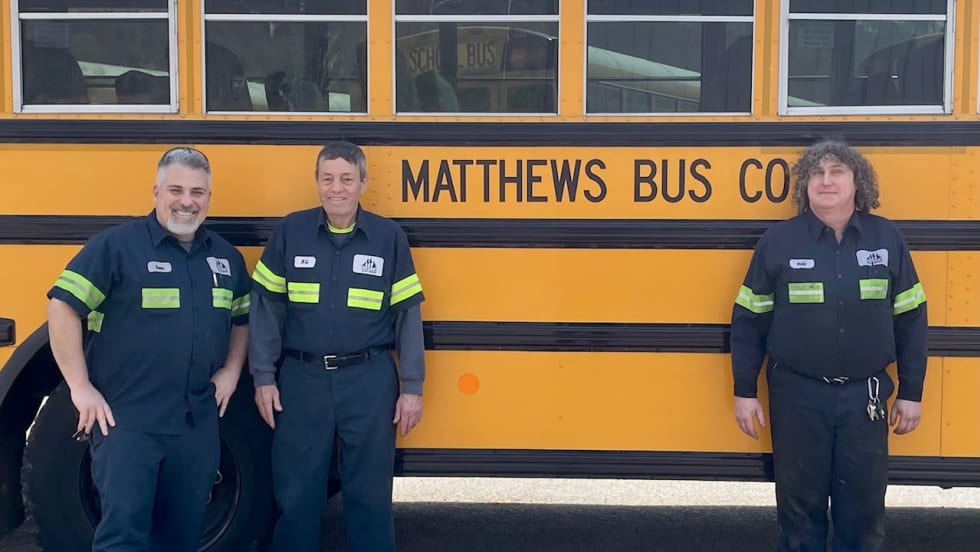
Pennsylvania School Bus Maintenance Team Praised for Dedication to Safety
Matthews Bus Company’s West Jefferson received a letter of commendation from the Pennsylvania State Police for their fleet inspections.
Read More →
2026 State of Student Transportation Report
Student transportation teams are being asked to do more with less, facing driver shortages, rising costs, and increasing safety expectations. This report uncovers how fleets are adapting, where technology is making the biggest impact, and why student ridership tracking is emerging as a top priority. Download the report to explore the key trends shaping 2026 and what they mean for your operation.
Read More →
How Transfinder Technology P.A.Y.S. (Pays as You Save) Saving Time, Money and Headaches in School Transportation Operations
Transportation leaders say when their districts implemented Transfinder's AI enhanced logistics technology, it paid for itself in financial savings, time savings and operational headache reductions (OHR). In this white paper transportation experts share specific ways they have experienced how Transfinder P.A.Y.S. (Pay As You Save) off. Each, in their own way, said transportation technology is not simply a software purchase — it’s a strategic investment in operational efficiency, cost containment and staff satisfaction.
Read More →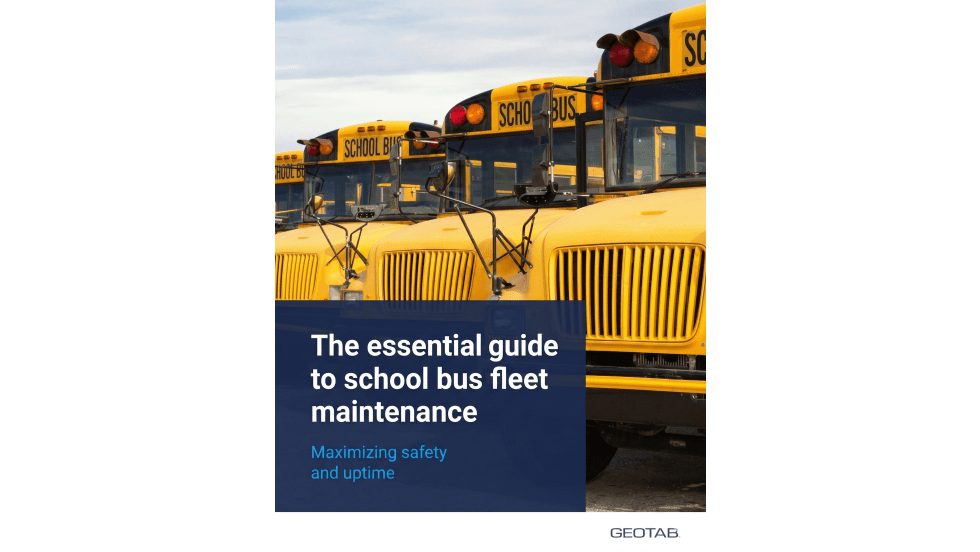
The New Playbook for Safer, Smarter School Bus Maintenance
As school districts juggle aging buses, technician shortages and rising safety expectations, proactive fleet maintenance is becoming essential. This guide explores how telematics, predictive maintenance and real-time vehicle data can help transportation departments reduce breakdowns, extend vehicle life, improve compliance and keep students safer on the road.
Read More →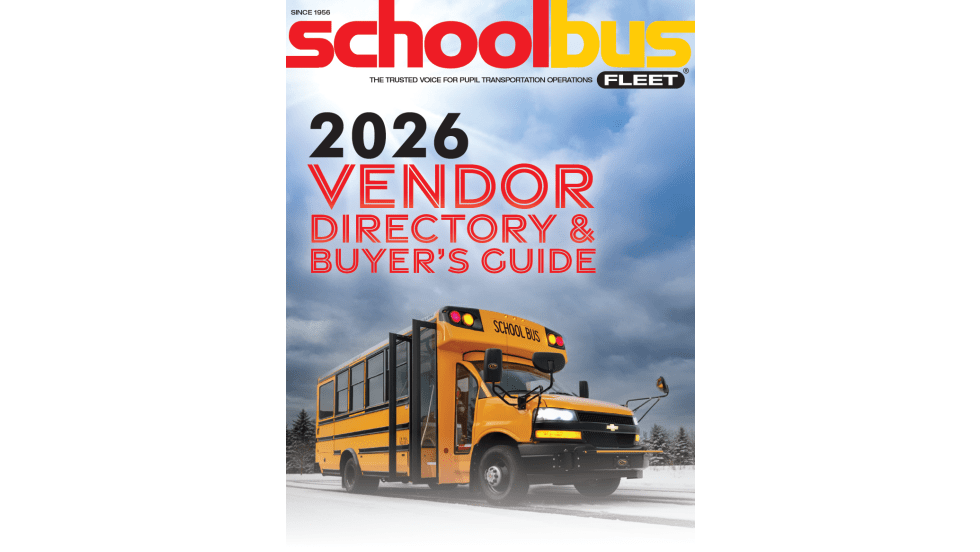
2026 School Bus Fleet Vendor Directory & Buyer's Guide
Searching for the right equipment, technology, or services for your school transportation program? This industry guide brings together manufacturers and suppliers across the entire school bus market, all in one place. Download it to find the partners who can help move your operation forward.
Read More →