


 MENU
 SEARCHMENUSEARCH
Loading data...

Colton Joint Unified School District marks the delivery of two electric school buses funded in part by state grants.
Read More →



House Bill 41 would allow the state Board of Education to award a grant to a school district or charter school to replace a school bus manufactured before 2002 with a bus that uses compressed natural gas, propane or clean diesel fuel. The grant could also be used to install an alternative-fuel fueling station and to retrofit an operation’s maintenance facility to service alternative-fuel school buses.
Read More →The first of two School Bus Fleet webinars scheduled for September included conversation about electric school bus technology adoption, safety, and funding opportunities.
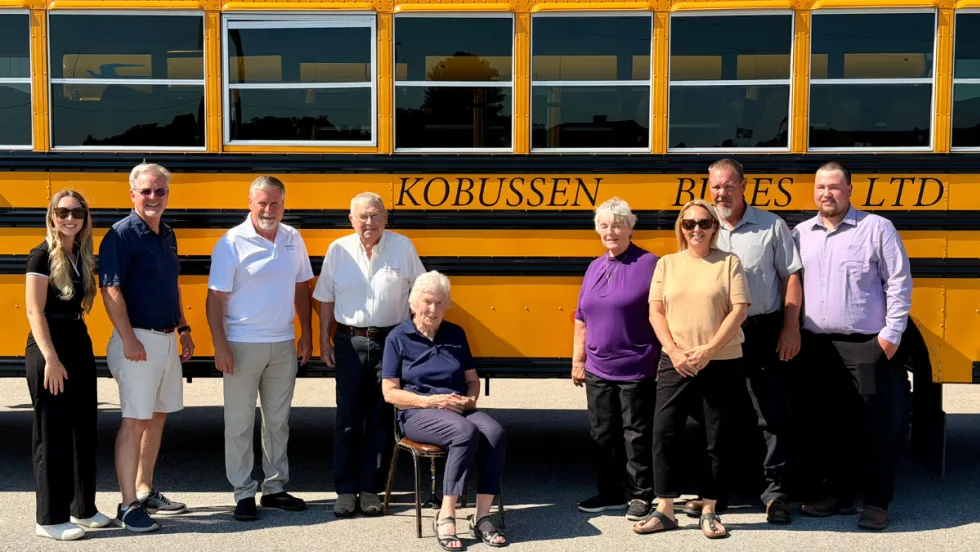
Read More →From one farmer's act of service to a fourth-generation family business, Kobussen Buses reflects on nearly 90 years of earning the trust of Wisconsin families.
Read More →The school bus manufacturer's Saf-T-Liner C2, which is equipped with the Detroit DD5 engine, is designed to provide a lower total cost of ownership and reduce consumption of both diesel fuel and diesel exhaust fluid.
Read More →Go Where the Bus Goes, a new children’s book written by Lorraine Fletcher, a longtime school bus driver in Kentucky, addresses school bus safety.
Read More →Under the legislation, commercial advertisements that are “family and child friendly” could be placed on the exterior of a school bus. The idea has been proposed in Florida before but hasn’t passed.
Read More →Bethel School District’s new Blue Bird Vision Propane buses are expected to produce nitrogen oxide emissions at 0.02 NOx.
Read More →For National School Bus Safety Week, NSTA, Blue Bird, ROUSH CleanTech, and RFK Racing joined forces for a video campaign reminding drivers that stopping for school buses isn’t optional.
Read More →Under the legislation, the boards of education for school districts statewide can enter into contracts to sell advertising space on the exterior sides of buses that districts own or lease. Ads for tobacco or alcohol products or for political advocacy would be prohibited. Fifty percent of any revenue generated by the sale would be used to offset fuel costs for providing pupil transportation services.
Read More →