

 MENU
 SEARCHMENUSEARCH
Loading data...

Under a three-year plan proposed by St. Paul Public Schools Superintendent Valeria Silva, the city would be divided into six areas and busing for students would be restricted largely to the area in which they live. The plan is designed to promote cost savings, higher student achievement and greater consistency among schools.
Read More →




Check out key features of the new air disc brake pad and catch free 2026 brake training sessions from Cummins and Meritor. Details here.
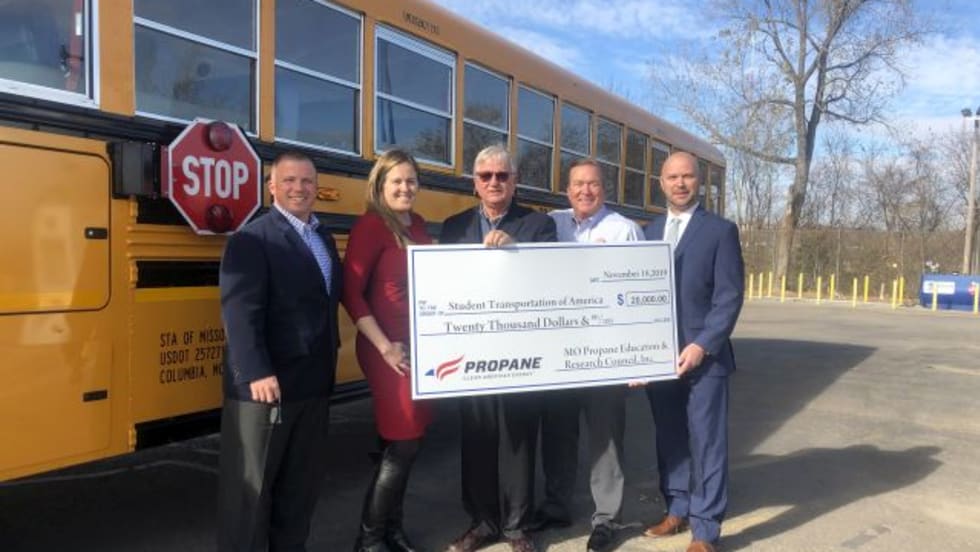
Read More →The Missouri Propane Education and Research Council’s rebate to Student Transportation of America is for its purchase of 10 of the alternative-fuel buses. The council has committed $1 million to help school districts in the state transition from diesel to propane buses.
Read More →Despite critics who say natural gas is a bridge fuel at best, Cummins is very bullish on the long-term future of its X15N natural gas engine — and for good reason.
Read More →For years, Restaurant Technologies has sold the used cooking oil it collects from restaurants to Renewable Energy Group to turn into biodiesel and renewable diesel. Now the company will use that biodiesel in its own fleet.
Read More →Under CARB’s proposed Advanced Clean Fleets (ACF) regulation, medium- and heavy-duty fleets would have to replace their internal combustion engine trucks, with battery-electric or hydrogen-fuel-cell electric vehicles.
Read More →Under the new plan at Charlotte-Mecklenburg (N.C.) Schools, students attending magnet middle and high schools are picked up and dropped off by the district’s school buses at designated shuttle sites.
Read More →The study, conducted by the University of Delaware’s College of Earth, Ocean, and Environment, examined the cost-effectiveness of electric school buses that use vehicle-to-grid technology, discharging their batteries into the electrical grid when not in use and getting paid for the service. Over 14 years, an electric bus fleet using the technology could save an estimated $38 million, according to the research.
Read More →Directors deal with packed schedules and the need to frequently be offsite. The latest apps and web tools provide the ability to manage attendance, access up-to-date fleet information, and more quickly share vital information with staff in emergencies even when they are not sitting behind their desks.
Read More →Officials from transportation cooperatives around the country also say that they can lead to consistency in employee training and hiring, and managing and scheduling bus routes for districts. Officials discuss factors to consider when forming a cooperative, as well as potential challenges and ways to resolve them.
Read More →