

 MENU
MENU SEARCHMENUSEARCH
Loading data...

Additional costs, range, and maintenance are among factors that must be considered when school districts ponder a transition to electric school bus fleets.
Read More →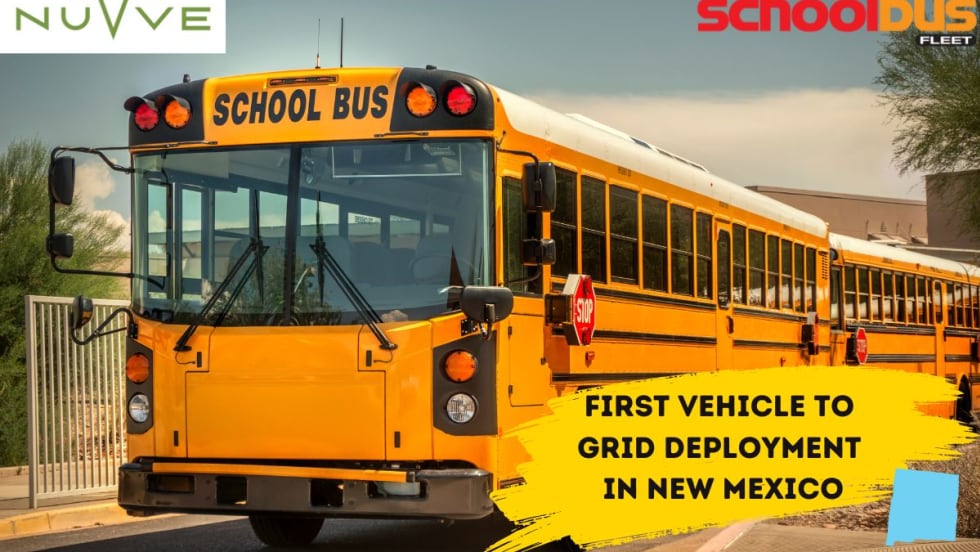
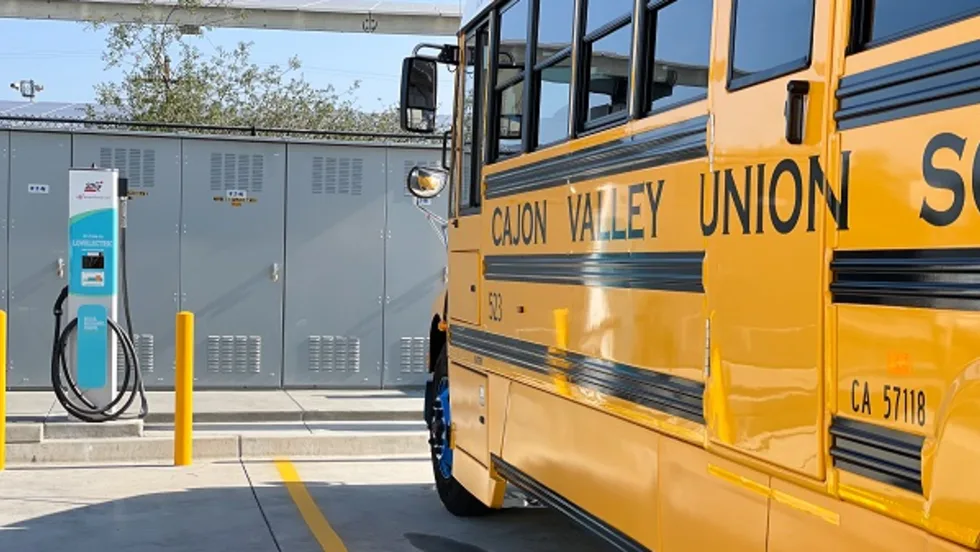
Las Cruces Public Schools receives charging and energy equipment through the partnership, leading to increased adoption of renewable energy sources.
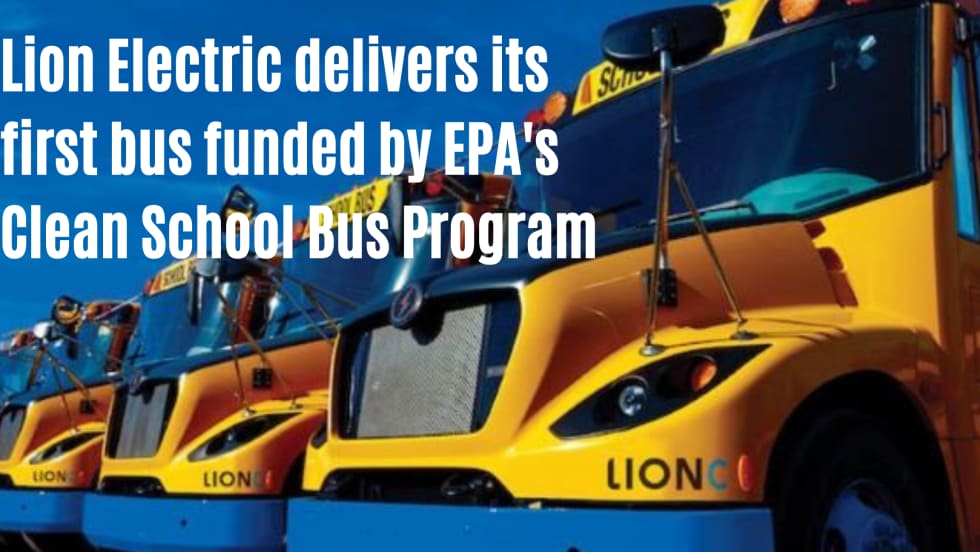
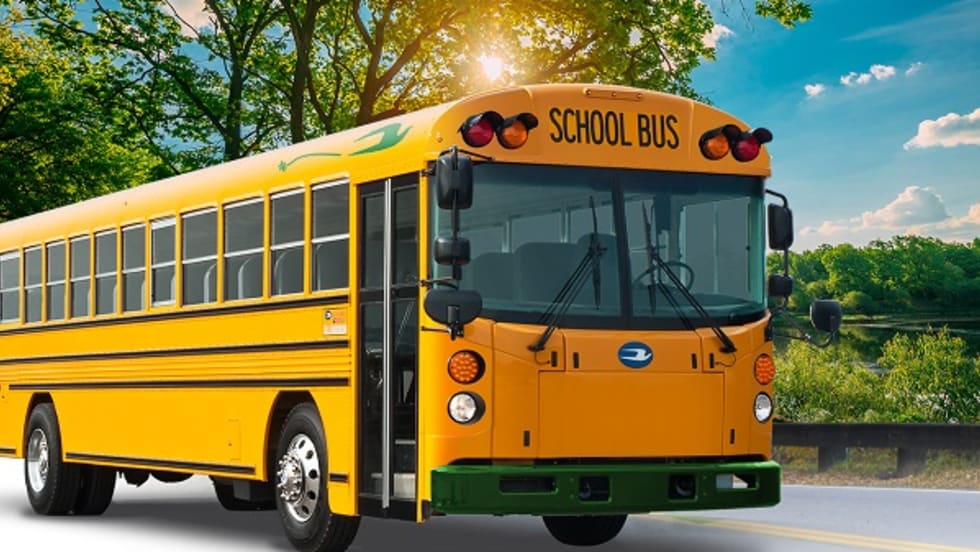
Read More →The LionC zero-emission bus went to Maine, funded during the first round of the Environmental Protection Agency’s effort to kickstart interest in cleaner school buses.
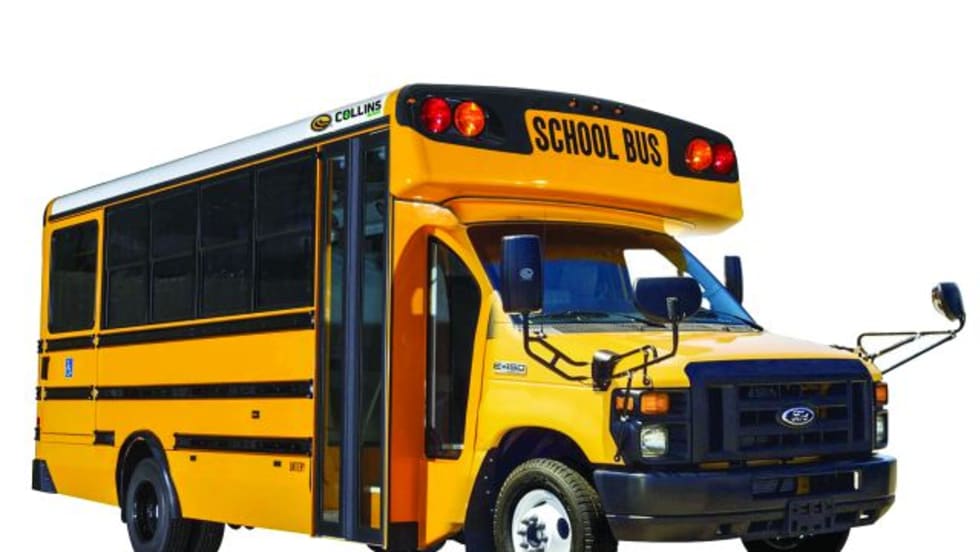
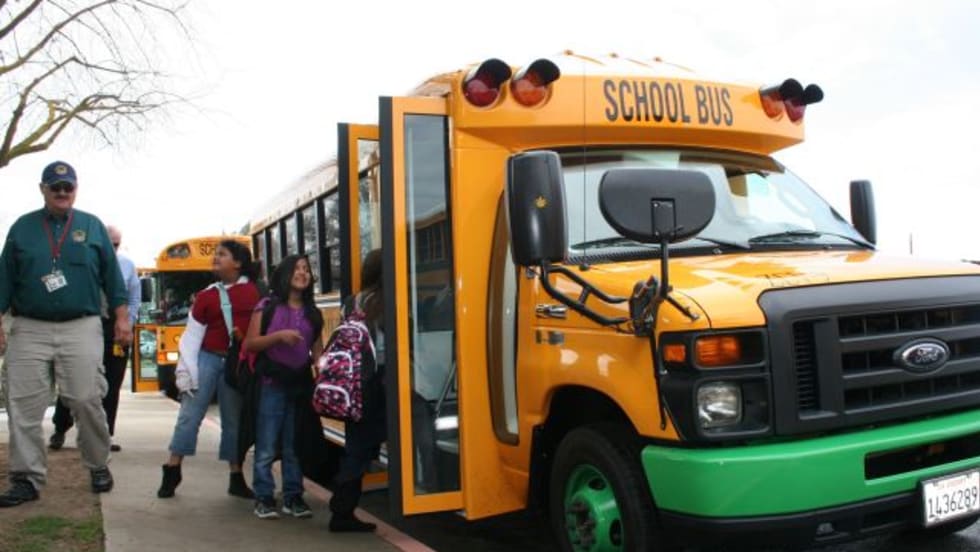
Read More →The bus utilizes Motiv’s Electric Powered Intelligent Chassis, based on the Ford E-450 platform.
Read More →Vehicle-to-grid technology can help reduce costs by charging fleets when electricity rates are low and managing the precise charge rate to make sure bus batteries are not negatively impacted.
Read More →The SSTe is the first of four electric buses in service at Kings Canyon Unified School District, and officials say the bus is expected to save over $10,000 a year in fuel and maintenance costs.
Read More →We dig into the State of Sustainable Fleets Report for insights into medium- and heavy-duty fleet adoption of battery-electric, natural gas, propane, renewable fuels, and more.
Read More →The all-electric Type D buses, delivered to Madera Unified School District by A-Z Bus Sales Inc., are the first of many to feature vehicle-to-grid capabilities.
Read More →Wattson is the company's largest electrified school bus built on Thomas’ HDX2 platform and powered by Accelera’s 14Xe electric axle.
Read More →The company, which has started production of vehicles at its West Virginia facility, reported record revenues, innovation, and the expansion of its dealer network.
Read More →