



Thomas Built to hold 2 tech training events in 2015
The Thomas Built Institute’s Service Training East will take place in North Carolina in May, and the Service Training West will be held in Nevada in July.

Thomas Built Buses will hold two editions of its Thomas Built Institute for school bus technicians this year.
The Thomas Built Institute’s Service Training East will take place May 19-22 at the Greensboro, North Carolina, Sheraton Four Seasons.
The Thomas Built Institute’s Service Training West will take place July 28-30 in Reno, Nevada.
“Our hands-on technician training is always popular,” said Mike Stotler, service education manager for Thomas Built Buses. “Participants enjoy the small class size and welcome the opportunity to brush up on their skills in less than a week’s time. With so many changes in the industry, we are pleased to be able to host two Thomas Built Institutes again this year.”
Participating technicians will be able to focus on either Type C or Type D models and will receive 28 continuing education credit hours.
The 2015 Thomas Built Institute curriculum includes:
• EPA emissions
• Advanced electrical
• A choice of one of these two tracks:
— Type C: multiplex, service link and troubleshooting; or
— Type D: electrical, fan drive and product updates
• Coolant, maintenance and cost savings
• Utilizing websites, resources and wire diagrams
• Seating systems
• Wheelchair lifts
• Allison transmissions
• Factory tours
To register, go to the Thomas Built Institute sign-up page. Company officials said that early enrollment is recommended, because classes fill up quickly. Registration is limited to 100 participants to ensure small classes and personal attention.
The cost is $325 and includes lunch and ground transportation. Registration closes April 11.
More Maintenance
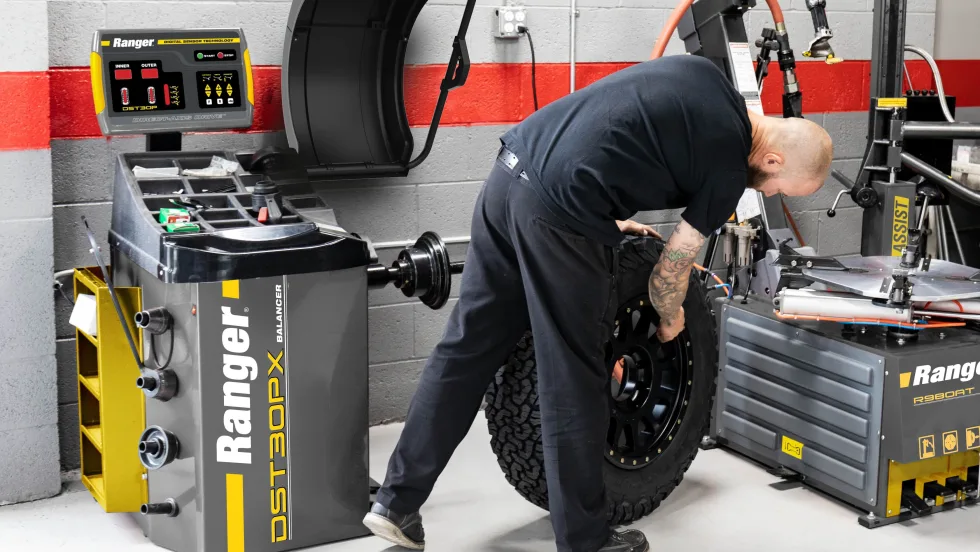
BendPak Launches Ranger DST30PX Wheel Balancer
BendPak's new wheel balancer handles tires up to 43 inches in diameter, with a reinforced design, precise weight placement, and faster service cycles.
Read More →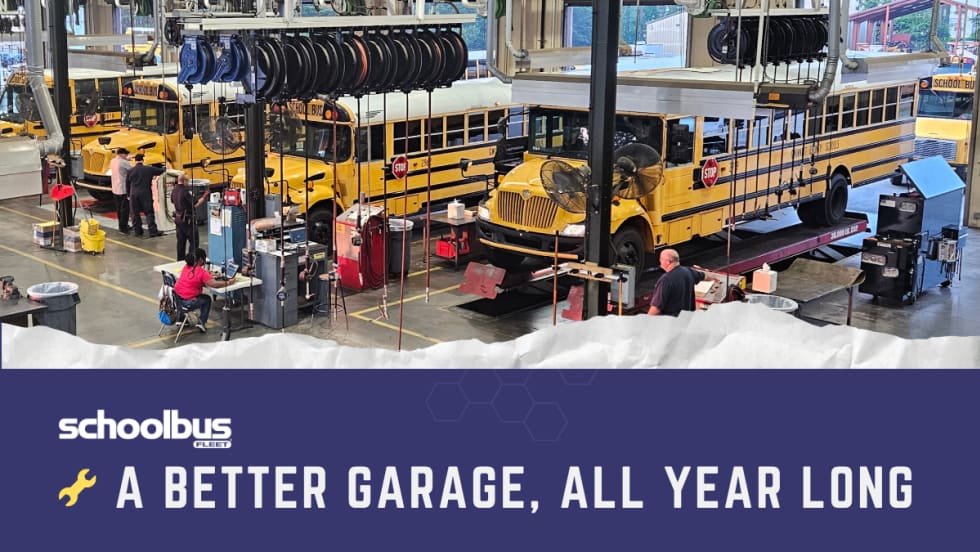
Tips for Ensuring School Bus Garages Are Safe and Warm Year-Round
Cold maintenance bays and rising heating costs? Learn how school bus garages can improve comfort with targeted heating, better airflow, and winter preparation.
Read More →
ASE Highlights School Bus Technician Certification Requirements
ASE is encouraging school bus maintenance professionals to maintain their certifications, highlighting seven specialized tests and five-year renewal requirements.
Read More →
International Adds E-Commerce Capabilities to Fleetrite.com
IC Bus customers can now browse, buy, and track shipments for more than 400,000 aftermarket parts online.
Read More →
The Most Expensive Thing You Do Before Selling a School Bus: Wait
When should you sell an aging school bus? Learn how maintenance, mileage, corrosion, specifications, and timing can affect resale value long before the auction.
Read More →
The Evolution of DEF Header Technology: What School Bus Operations Should Know at Replacement Time
See what school bus fleets should consider when replacing DEF headers to improve reliability, reduce repeat repairs, and control maintenance costs.
Read More →
The Essential Guide to School Bus Maintenance and Student Safety
Your district's buses carry students to school every day. This guide shows how predictive maintenance powered by fleet data helps keep buses reliable, drivers accountable and students safer from the first bell to the last stop.
Read More →
Kerry Brothers Grows Michigan School Bus Repair Network
The acquisition of Downriver Truck and Bus expands Kerry Brothers’ school bus maintenance footprint across southeast Michigan, adding repair capacity, diagnostic resources, and state inspection support.
Read More →
Noregon Introduces CAN Bus Diagnostic Tool, Expands JPRO Features
CAN Mentor and the latest JPRO update aim to simplify vehicle network diagnostics and improve repair efficiency for technicians of all experience levels.
Read More →
Cummins on Smarter, Simpler Engine Innovation
Cummins discusses its first-ever gasoline engine for school buses, EPA 2027, and why bus fleets still want durable, simpler internal combustion options.
Read More →