




South Carolina DOE buys buses from Kentucky districts
Eighty-six used buses purchased at an auction will replace the state’s 26- and 27-year-old units. South Carolina’s superintendent of education calls on the General Assembly to conduct a comprehensive study of the state's overall tax structure and to develop an adequate revenue system to facilitate the allocation of funding for bus replacements more regularly.

COLUMBIA, S.C. — The South Carolina Department of Education (DOE) has purchased 86 used school buses from Kentucky school districts.
To bid on the buses at an auction, the DOE used money it obtained from selling to scrap metal companies the skeletal remains of South Carolina buses disassembled for replacement parts.
Although the South Carolina General Assembly approved an annual bus replacement cycle in 2007, it has not provided any funds to upgrade the state’s oldest-in-the-nation bus fleet in the last two years.
State Superintendent of Education Jim Rex said that buying the Kentucky buses, which have an average age of 18 years, would allow his agency to retire 26- and 27-year-old buses that have 450,000 miles. Those retired vehicles will be cannibalized for parts to service other old buses in South Carolina’s fleet for which parts are expensive or hard to find.
“This obviously isn’t the ideal solution,” Rex said. “New buses are more reliable and require fewer repairs. They have better safety features and emission controls, and they get better mileage. But we’ve got to do the best we can with the resources we have. These used buses come very cheap, and they’re far newer than the 26- and 27-year-old vehicles they’re replacing.”
Rex went on to say that the DOE staff evaluated all of the buses offered at auction by a consortium representing many Kentucky districts. The agency eventually bid on 87 vehicles and won 86. South Carolina’s bids ranged from $2,864 to $4,500, with an average bid of $3,826.
As a point of comparison, Donald Tudor, director of the DOE’s office of transportation, said the current price of a replacement bus engine and transmission is more than $5,700. Tudor said that costs of major component repairs to aging buses have risen by 500 percent over the past seven years as the state’s fleet has aged.
The 86-bus purchase is the second time that South Carolina has bought used schools buses at auction in Kentucky. The DOE bought 73 1992 model year vehicles in 2005. Tudor said that Kentucky buses are purchased on specifications similar to South Carolina’s, and agency mechanics are comfortable servicing them.
Meanwhile, Rex has called upon the General Assembly to conduct a detailed, comprehensive study of the state's overall tax structure and to develop an adequate, equitable and efficient state revenue system. He said the on-again, off-again funding to replace aging school buses is evidence of a dysfunctional process.
“Riding a school bus is unquestionably the safest way for students to get to and from school each day,” Rex said. “But until the General Assembly starts appropriating the funds for annual infusions of new vehicles, we’ll continue to see unacceptable numbers of breakdowns and delays in transporting students. Adopting an annual replacement cycle doesn’t mean much if you don’t appropriate the funds to actually do it.”
Rex has told legislators that next year’s proposed budget for student transportation will not be enough to operate buses through the entire school year unless diesel fuel prices are lower than expected. If bus operating funds run out, Rex said the DOE likely would ask the General Assembly either for an emergency appropriation or for permission to run a deficit.
Rex also said that the DOE would continue to monitor other states that might make used buses available for purchase. The agency plans to purchase a total of 130 used buses before the beginning of the next school year.
A 2005 national report card by the nonprofit organization Union of Concerned Scientists said that South Carolina had the nation’s largest percentage of school buses manufactured prior to 1990 (60 percent).
Tudor said that retiring nearly all of South Carolina’s 1984 and 1985 model buses would leave 149 1986 model buses as the oldest in South Carolina’s fleet.
More Maintenance
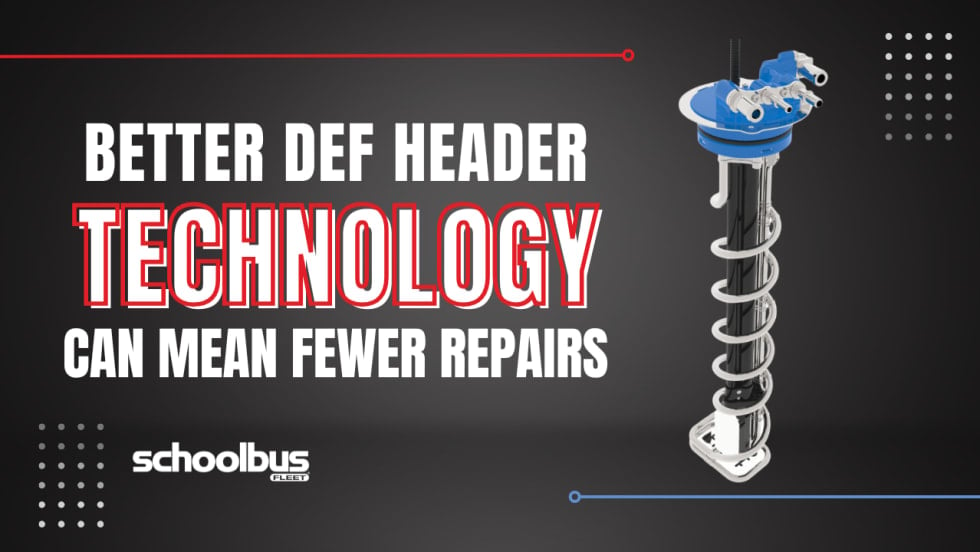
The Evolution of DEF Header Technology: What School Bus Operations Should Know at Replacement Time
See what school bus fleets should consider when replacing DEF headers to improve reliability, reduce repeat repairs, and control maintenance costs.
Read More →
The Essential Guide to School Bus Maintenance and Student Safety
Your district's buses carry students to school every day. This guide shows how predictive maintenance powered by fleet data helps keep buses reliable, drivers accountable and students safer from the first bell to the last stop.
Read More →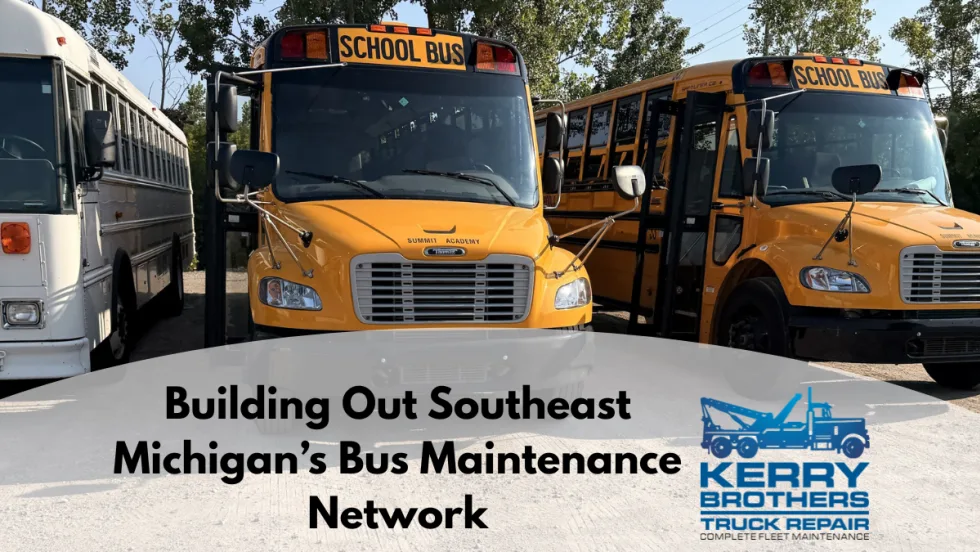
Kerry Brothers Grows Michigan School Bus Repair Network
The acquisition of Downriver Truck and Bus expands Kerry Brothers’ school bus maintenance footprint across southeast Michigan, adding repair capacity, diagnostic resources, and state inspection support.
Read More →
Noregon Introduces CAN Bus Diagnostic Tool, Expands JPRO Features
CAN Mentor and the latest JPRO update aim to simplify vehicle network diagnostics and improve repair efficiency for technicians of all experience levels.
Read More →
Cummins on Smarter, Simpler Engine Innovation
Cummins discusses its first-ever gasoline engine for school buses, EPA 2027, and why bus fleets still want durable, simpler internal combustion options.
Read More →
Report: 72% of Diesel School Buses Now Use Advanced Low-Emission Engines
New data shows advanced low-emission diesel technology continues expanding across school bus fleets, even as electric bus adoption gains momentum.
Read More →
Vampire Tools' CAIMAN 7.5-Inch Multi-Purpose Screw Extractor Long-Nose Pliers with Crimper
Vampire Tools introduced the VAMPLIERS Caiman 7.5-inch multi-purpose pliers, combining screw extraction, cutting, crimping, and gripping functions into a single tool designed for fleet maintenance professionals.
Read More →
How Advanced Diagnostics Helps Bus Fleets Stay Ahead of Repairs
Chat with Noregon’s Kevin Smallhorn at ACT Expo about bus diagnostic tools, telematics integration, CNG maintenance support, and strategies to help reduce downtime and improve uptime.
Read More →
How School Bus Fleets are Getting Ahead of Breakdowns
Don’t let bus downtime wear you down. Here’s how bus operators are shifting from manual processes to AI-powered, data-driven maintenance systems for improved reliability and safety.
Read More →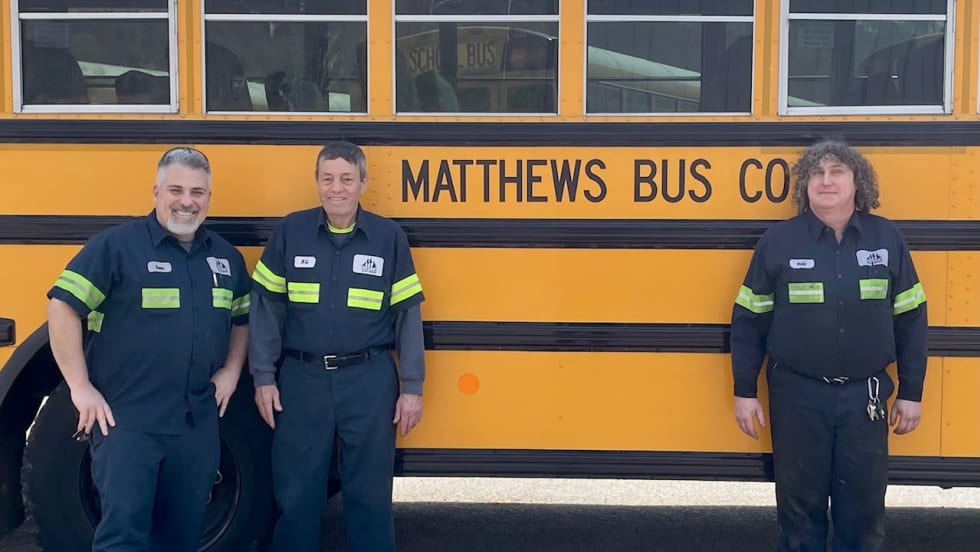
Pennsylvania School Bus Maintenance Team Praised for Dedication to Safety
Matthews Bus Company’s West Jefferson received a letter of commendation from the Pennsylvania State Police for their fleet inspections.
Read More →