




Pupil presses for school bus idling reduction
After noticing buses running for long periods of time in front of his middle school, Daniel Speers set out to show the effects of the exhaust. His campaign convinced the board of education to post anti-idling signs at all schools in the district.


After noticing buses running for long periods of time in front of his middle school, Daniel Speers set out to show the effects of the exhaust. His campaign convinced the board of education to post anti-idling signs at all schools in the district.
This article was submitted by Leslie Sheldon, operations manager for Connecticut school bus contractor All-Star Transportation.
WATERBURY, Conn. — A middle school pupil’s independent study project on school bus idling has caught the attention of the board of education as well as local school transportation providers.
Daniel Speer’s project, with the mentoring of teacher Richard Atkins from the Talented and Gifted program, started months ago. Each morning, Daniel and his mom would drop his sister off at Wilby High School and wait in the nearby parking lot of North End Middle School for the doors to open for Daniel to start his academic day.
Day after day, he would watch school buses running for extensive periods of time while waiting to start their next route. Daniel didn’t like what he saw or what he was breathing when he exited his mom’s car to enter his school, so he decided to do something about it.
Daniel did numerous studies over the winter months to determine the impact that the diesel exhaust was having on his school environment. He conducted many tests and did his homework. His results were alarming on the extent of the effects that diesel fumes can have on him, his peers and the environment.
He set his course of action into educating the Waterbury school bus drivers and school administrators of the dangers of excessive idling and the laws that are in place to minimize it. State law allows school buses to idle for no longer than three minutes, with some exceptions. Violators can face fines up to $500.
Daniel contacted the Connecticut Department of Environmental Protection (DEP), which supplied him with posters and brochures on the law to hand out. He was also informed that schools can get idling signs from the DEP to post in their yards.
He has personally delivered the flyers to North End Middle School drivers. His teacher Mr. Atkins said that since Daniel has handed out the flyers, he has noticed a substantial difference in buses being shut down now while waiting to load in the afternoon.
Daniel presented his project to the Waterbury Board of Education in early June. The board decided to get the idling signs up at Daniel’s school as well as every other school in the district.
School bus transportation providers can learn from Daniel and educate the professionals behind the wheel to shut their vehicle off after three minutes. After all, it is the law!
More Alternative Fuels

CALSTART and Forth Combine to Form Catalyst Mobility
The new name represents a renewed vision for the nonprofit focused on advancing clean, equitable, and affordable transportation solutions that move people and goods.
Read More →
Alt-Fuel Moves: New Buses, Charging Hubs & Real-World EV Testing
Propane and electric school bus deployments continue to grow as districts add new vehicles, expand charging infrastructure, and gather more real-world operating data.
Read More →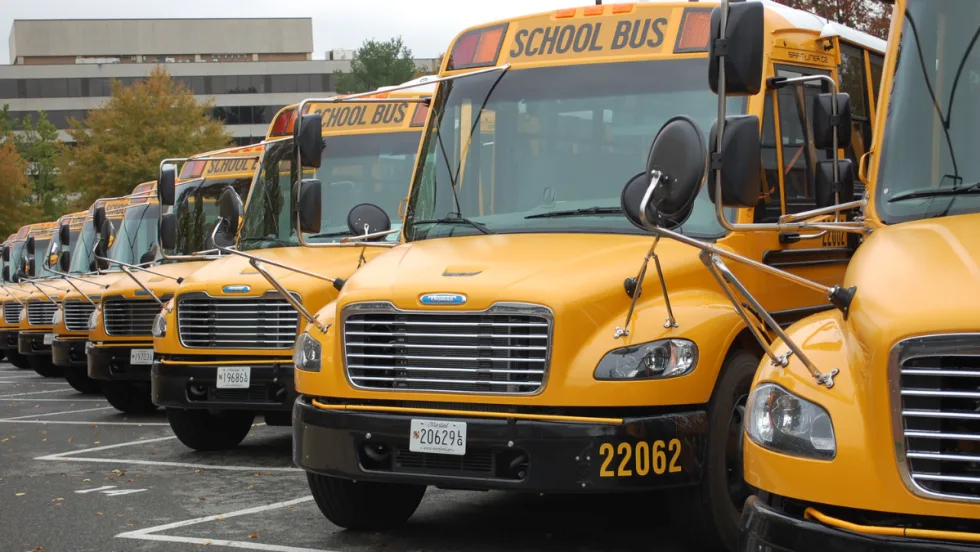
Fewer Electric School Bus Models Reshape the U.S. Market
WRI’s latest buyer’s guide points to a consolidating electric school bus market, but fewer options may reflect a maturing industry rather than fewer meaningful choices for school bus operators.
Read More →
The Fuel Budget You Can Actually Predict: How Propane Autogas Keeps Money in the Classroom
Learn how propane autogas helps school districts manage fuel costs with predictable pricing, lower maintenance, and reduced emissions from former transportation director Joel Stutheit.
Read More →
Hendrickson, Driventic Introduce New Electric Powertrain for School Buses
ELECTRAAX, the electrified, lightweight drive axle offers integrated ePowertrain efficiency and modular flexibility for Class 6–7 school bus use.
Read More →
The Mobility House Joins PowerFlex in Fleet Electrification Deal
The acquisition combines intelligent charging software, bidirectional charging expertise, and fleet electrification services to support the growing adoption of electric school buses across North America.
Read More →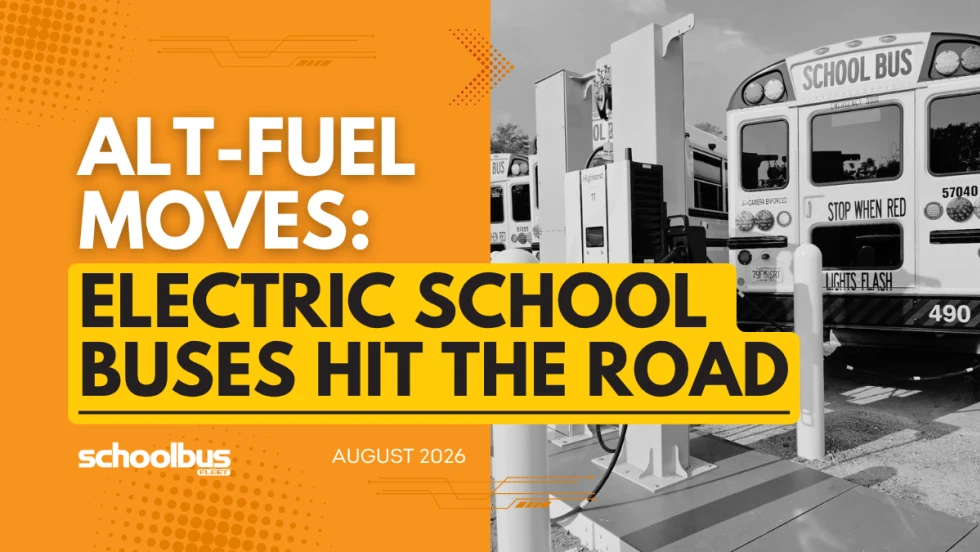
Alt-Fuel Moves: Electric School Bus Investments Hit the Road
See which districts across the U.S. are putting electric school buses into service, expanding charging infrastructure, and planning the next phase of fleet electrification.
Read More →
With Fuel Volatility Ahead, School Districts Turn to Propane
While diesel prices peaked above $5 this spring, districts with propane autogas-powered fleets paid under $2 per gallon, according to PERC.
Read More →
EPA Unveils Proposed Changes to 2027 Heavy-Duty Engine Rules
The federal agency has proposed changes to next year’s targets that would eliminate DEF derates, ease warranty requirements, and retain current NOx emissions standards.
Read More →
Alt-Fuel Moves: EV Charging & Infrastructure Projects Gain Momentum
The latest developments include new funding, charging infrastructure, utility investments, and fleet technologies designed to support the transition to electric school buses nationwide.
Read More →