




Police conducting thousands of surprise bus inspections
The two-week strike force targets motorcoaches, tour buses, school buses and other passenger vehicles across the country. It is launched on the same day as the federal government’s Motorcoach Safety Summit.

WASHINGTON, D.C. — Federal, state and local police began conducting thousands of surprise safety inspections of motorcoaches, tour buses, school buses and other passenger vehicles across the country on Friday, the U.S. Department of Transportation (DOT) announced.
The operation, launched on the same day as the government’s Motorcoach Safety Summit in Washington, D.C., is part of the Federal Motor Carrier Safety Administration’s (FMCSA) nationwide Passenger Carrier Strike Force. The two-week inspection sweep will continue through Oct. 7.
FMCSA also announced that it will release a new smartphone application that will give consumers quick and easy access to a motorcoach company’s safety record before booking a trip. The smartphone application, which will be released in November, will also allow the public to submit any safety violation to FMCSA’s National Consumer Compliant Database.
During the day-long Motorcoach Safety Summit, safety leaders discussed the DOT's intermodal approach to strengthening motorcoach safety, followed by a panel highlighting the perspectives of people responsible for the day-to-day safety of motorcoach passengers, vehicles and drivers.
“This summit is about preventing needless tragedies and saving lives,” Transportation Secretary Ray LaHood said. “We’ve seen the horrific consequences when motorcoach companies do not make safety a top priority. With everyone at the table, we can achieve our shared goal of raising the safety bar for the motorcoach industry.”
More Maintenance

The Most Expensive Thing You Do Before Selling a School Bus: Wait
When should you sell an aging school bus? Learn how maintenance, mileage, corrosion, specifications, and timing can affect resale value long before the auction.
Read More →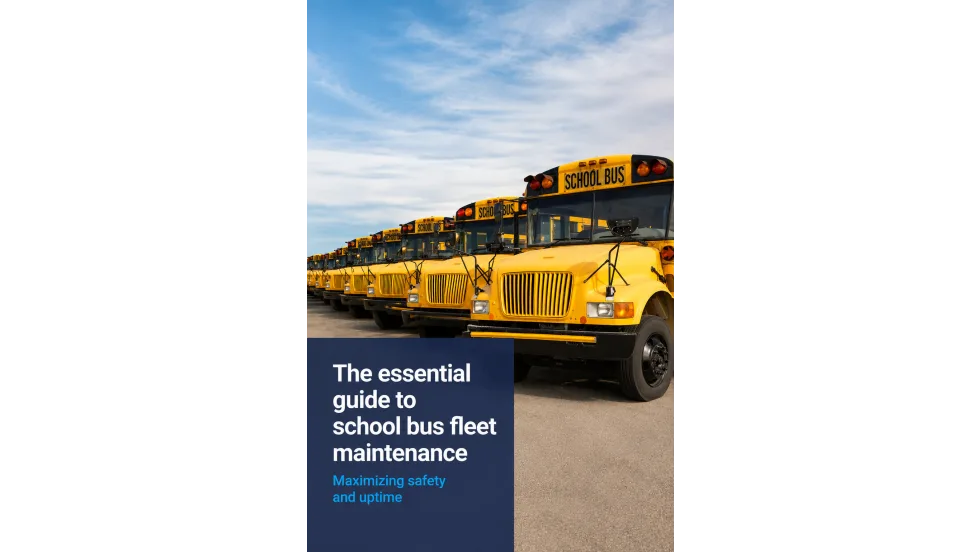
The essential guide to school bus maintenance and student safety
Reactive maintenance puts students at risk of breakdowns, delays and roadside emergencies. This guide gives transportation directors a data-driven framework to predict failures, extend bus lifespans and improve fleet reliability across every route.
Read More →
The Evolution of DEF Header Technology: What School Bus Operations Should Know at Replacement Time
See what school bus fleets should consider when replacing DEF headers to improve reliability, reduce repeat repairs, and control maintenance costs.
Read More →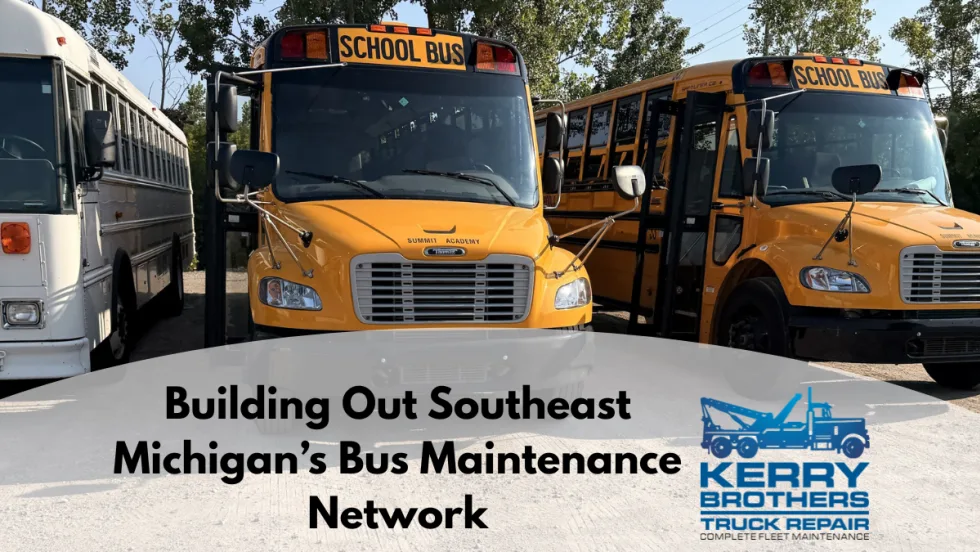
Kerry Brothers Grows Michigan School Bus Repair Network
The acquisition of Downriver Truck and Bus expands Kerry Brothers’ school bus maintenance footprint across southeast Michigan, adding repair capacity, diagnostic resources, and state inspection support.
Read More →
Noregon Introduces CAN Bus Diagnostic Tool, Expands JPRO Features
CAN Mentor and the latest JPRO update aim to simplify vehicle network diagnostics and improve repair efficiency for technicians of all experience levels.
Read More →
Cummins on Smarter, Simpler Engine Innovation
Cummins discusses its first-ever gasoline engine for school buses, EPA 2027, and why bus fleets still want durable, simpler internal combustion options.
Read More →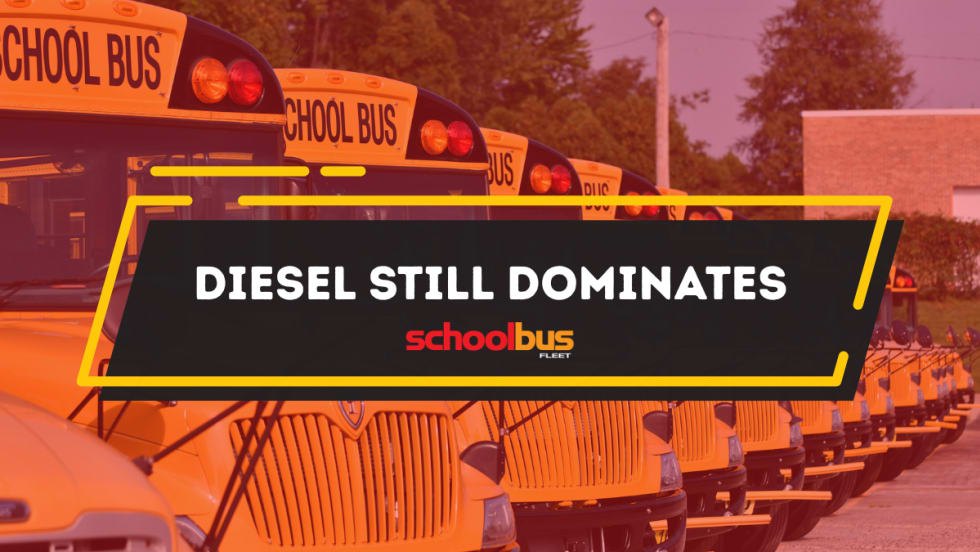
Report: 72% of Diesel School Buses Now Use Advanced Low-Emission Engines
New data shows advanced low-emission diesel technology continues expanding across school bus fleets, even as electric bus adoption gains momentum.
Read More →
Vampire Tools' CAIMAN 7.5-Inch Multi-Purpose Screw Extractor Long-Nose Pliers with Crimper
Vampire Tools introduced the VAMPLIERS Caiman 7.5-inch multi-purpose pliers, combining screw extraction, cutting, crimping, and gripping functions into a single tool designed for fleet maintenance professionals.
Read More →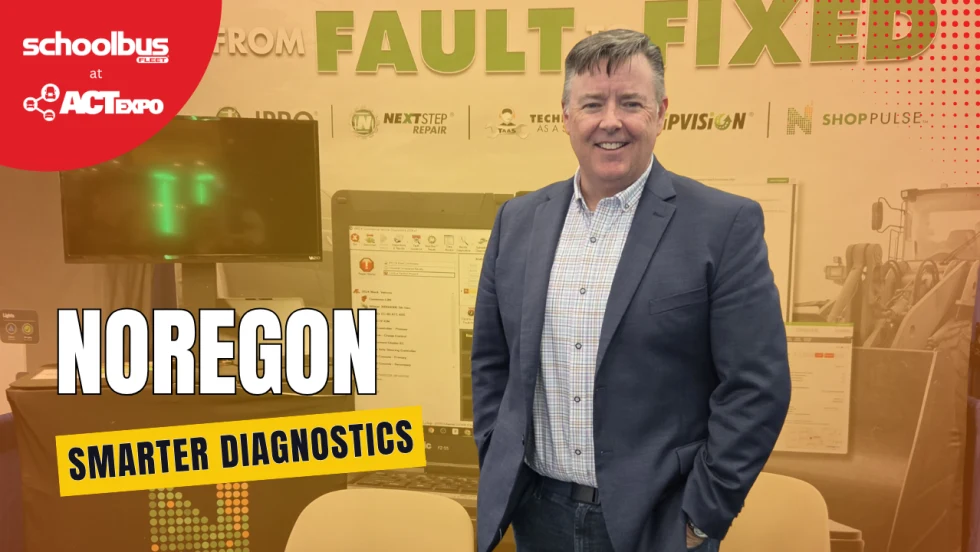
How Advanced Diagnostics Helps Bus Fleets Stay Ahead of Repairs
Chat with Noregon’s Kevin Smallhorn at ACT Expo about bus diagnostic tools, telematics integration, CNG maintenance support, and strategies to help reduce downtime and improve uptime.
Read More →
How School Bus Fleets are Getting Ahead of Breakdowns
Don’t let bus downtime wear you down. Here’s how bus operators are shifting from manual processes to AI-powered, data-driven maintenance systems for improved reliability and safety.
Read More →