




Navistar Parts program offers cash for unused inventory
The Customer Parts Recovery program allows customers to return new or obsolete parts or overstocks and receive money or credit for future purchases. Those interested in participating in the program should contact their parts sales managers at International truck or IC Bus dealerships.

WARRENVILLE, Ill. — Navistar Parts, an operating unit of Navistar International Corp., has launched the Customer Parts Recovery (CPR) program, which allows customers to return new, unused or obsolete parts or overstocks to receive cash or credit for future purchases.
With the initial parts redemption, customers receive 25 percent of the value of the products returned to use toward future parts purchases. Customers are required to purchase a predetermined amount of parts over a specified period of time as part of their CPR agreements. Upon completion of the agreement, customers will receive the full credit amount for their returns.
“CPR goes beyond a loyalty program and becomes a way that our customers can secure real working capital from unused outdated parts,” said Michael Cancelliere, senior vice president and general manager for Navistar Parts. “If someone turns in $10,000 worth of parts, we take them and immediately give them $2,500 in cash or credit towards their parts purchases. They can get the full value of those parts back by fulfilling program purchase commitments.”
The CPR program will provide credit through any card in Navistar’s Fleet Charge network to track parts purchases and corresponding credit amounts.
Customers interested in participating in the CPR program should contact their parts sales managers at International truck or IC Bus dealerships.
More Maintenance
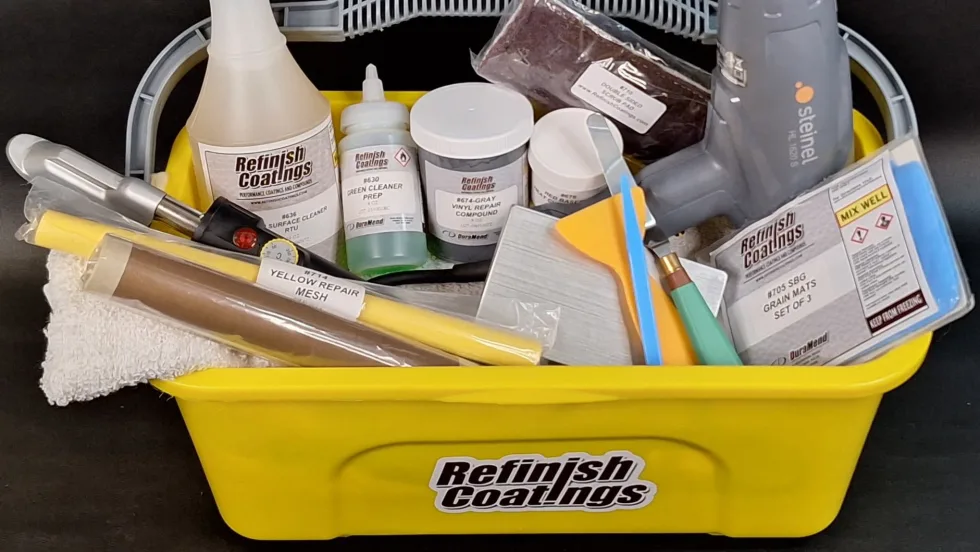
Refinish Coatings Launches School Bus Seat Repair Kit
A new all-in-one vinyl seat repair kit comes with color-matched compounds, tools, and supplies to fix tears, holes, and punctures that kids won't be able to pick.
Read More →
Easy Ways to Reduce School Bus Emissions: Q&A with John Gonzales
Learn how preventive maintenance, driver training, reduced idling, smarter routing, and the right fuel choices can help districts reduce emissions — without investing in new buses.
Read More →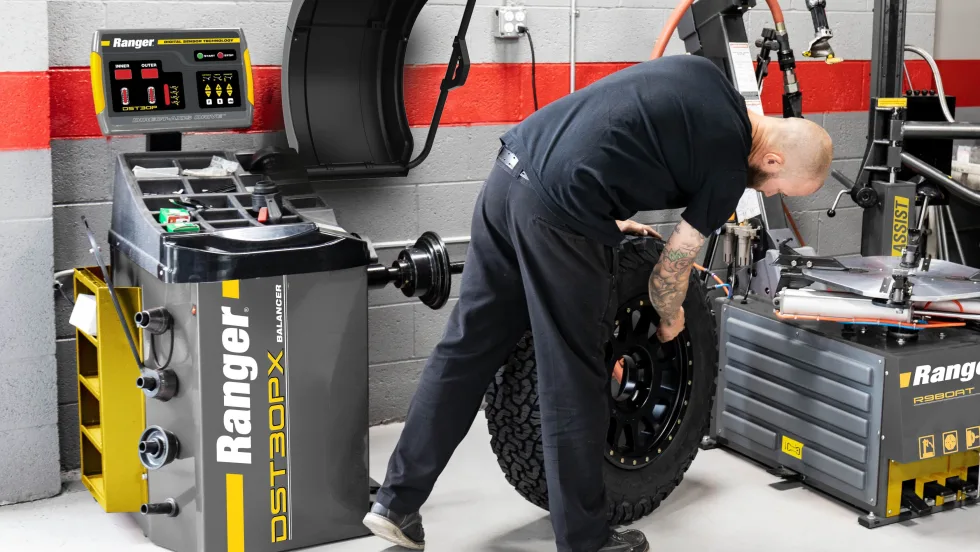
BendPak Launches Ranger DST30PX Wheel Balancer
BendPak's new wheel balancer handles tires up to 43 inches in diameter, with a reinforced design, precise weight placement, and faster service cycles.
Read More →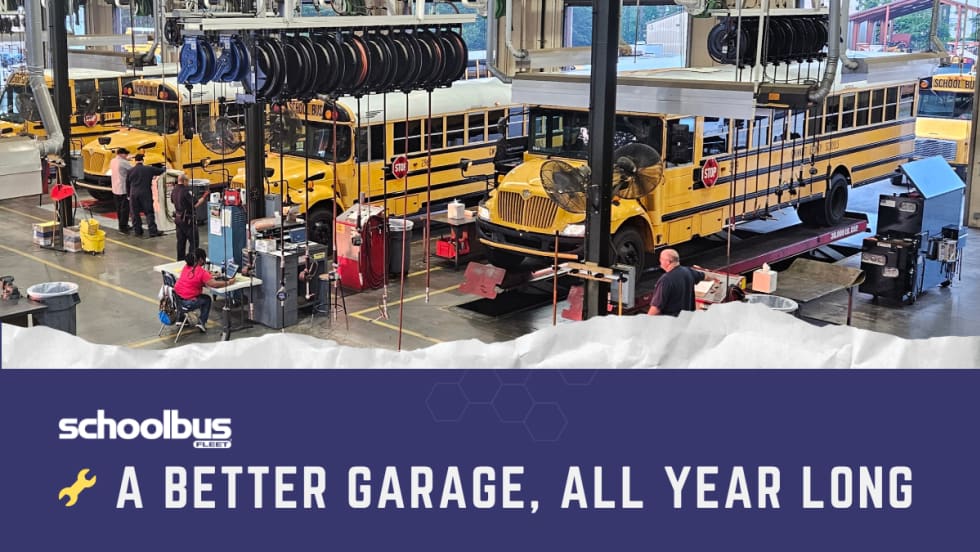
Tips for Ensuring School Bus Garages Are Safe and Warm Year-Round
Cold maintenance bays and rising heating costs? Learn how school bus garages can improve comfort with targeted heating, better airflow, and winter preparation.
Read More →
ASE Highlights School Bus Technician Certification Requirements
ASE is encouraging school bus maintenance professionals to maintain their certifications, highlighting seven specialized tests and five-year renewal requirements.
Read More →
International Adds E-Commerce Capabilities to Fleetrite.com
IC Bus customers can now browse, buy, and track shipments for more than 400,000 aftermarket parts online.
Read More →
The Most Expensive Thing You Do Before Selling a School Bus: Wait
When should you sell an aging school bus? Learn how maintenance, mileage, corrosion, specifications, and timing can affect resale value long before the auction.
Read More →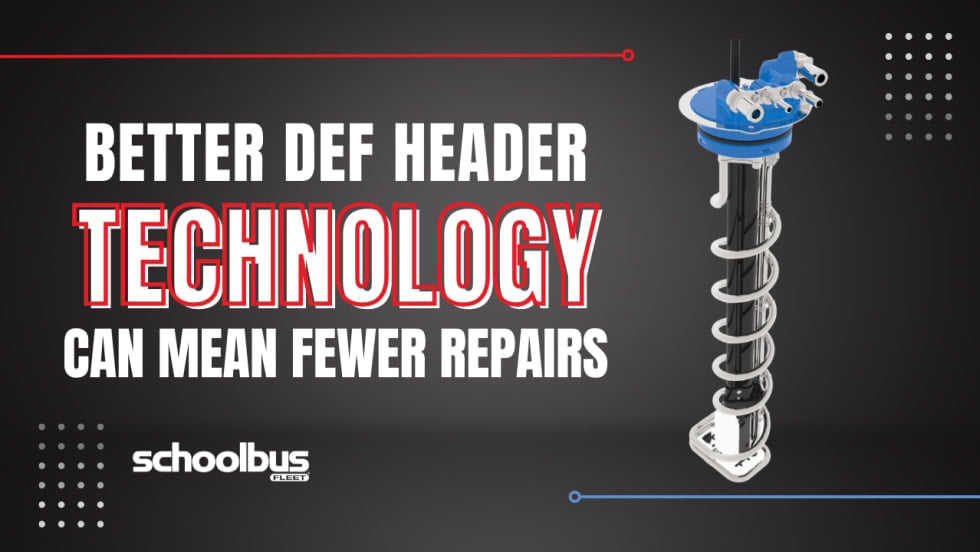
The Evolution of DEF Header Technology: What School Bus Operations Should Know at Replacement Time
See what school bus fleets should consider when replacing DEF headers to improve reliability, reduce repeat repairs, and control maintenance costs.
Read More →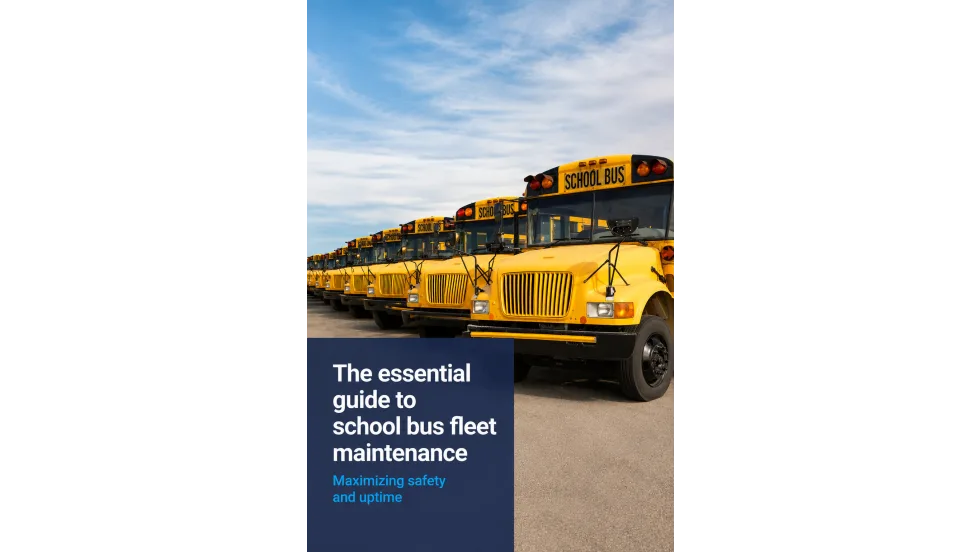
The Essential Guide to School Bus Maintenance and Student Safety
Your district's buses carry students to school every day. This guide shows how predictive maintenance powered by fleet data helps keep buses reliable, drivers accountable and students safer from the first bell to the last stop.
Read More →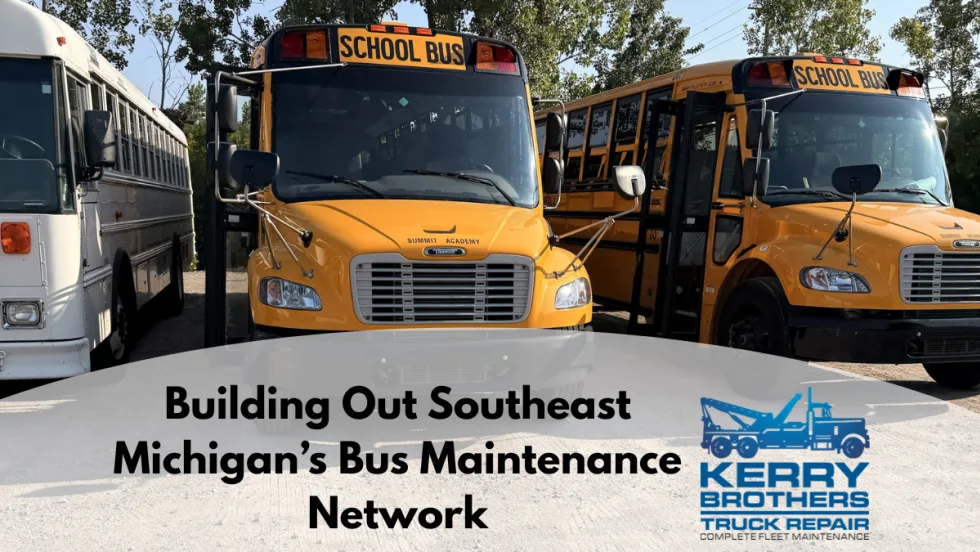
Kerry Brothers Grows Michigan School Bus Repair Network
The acquisition of Downriver Truck and Bus expands Kerry Brothers’ school bus maintenance footprint across southeast Michigan, adding repair capacity, diagnostic resources, and state inspection support.
Read More →