




California Conference Session Highlights Support for Special-Needs Transporters
Ilah Feeney, a program administrator for the Solano County Office of Education, shares special-needs support strategies during a session for the California Association of School Transportation Officials' annual conference.

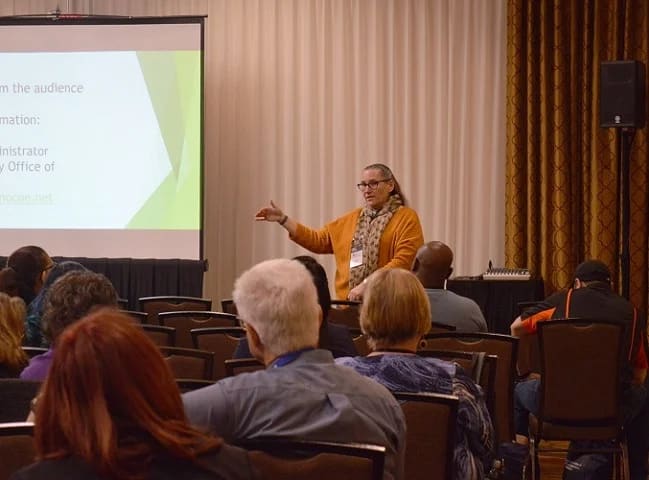
Ilah Feeney, a program administrator for the Solano County Office of Education, shared support strategies for special-needs transporters during the California Association of School Transportation Officials' annual conference.
Ilah Feeney, a program administrator for the Solano County Office of Education, shared support strategies for special-needs transporters during the California Association of School Transportation Officials' annual conference.
SACRAMENTO, Calif. — School transportation officials across the state gathered here last week to discuss a variety of topics, including strategies to support special-needs transportation.
One of the sessions for the California Association of School Transportation Officials (CASTO) annual conference, held Feb. 22 to 24, covered the importance of establishing supportive relationships for special-needs transporters.
Ilah Feeney, a program administrator for the Solano County Office of Education, detailed the value of creating more collaborative relationships among a district's transportation and special-education departments, parents, teachers, and school site staff.
As a former special-education teacher of 33 years, “I knew I had to build relationships with [bus drivers] and communicate with them because having a lack of student information can be a challenge," Feeney told attendees.
When dealing with everyone’s expectations for school transportation, she encouraged attendees to advocate for more collaborative meetings — in addition to those arranged for a student’s Individualized Education Plan (IEP).
“Do you see teachers when picking up students? Do you feel support from those teachers? Are you having issues with school site staff?” she asked the audience. “These are the types of questions you should be asking.”
For bus drivers and aides working in larger districts, Feeney recommended that they present any concerns they have to the transportation director first, before communicating with related staff members or parents. She also stressed the need for confidentiality when discussing student information and having consistent documentation in writing of any incidents that may take place on or off the school bus.
"Confidentiality is one of the biggest isues for families," Feeney said. “If you’re in a crisis situation, you have to document exactly what happens. Video [from a camera on the bus] can capture the situation, but you still need to be able to distribute the facts — describe what you saw and what you did, especially in cases where you may have had to restrain a student.”
To further avoid behavioral and/or medical issues on the bus, one attendee mentioned that her district implemented a “ready to ride” practice to ensure when and if it is safe for a student to get on the school bus.
For example, if a student who is epileptic, experienced a seizure right before getting on the bus after school, the bus driver may report to the teacher and/or school site staff that it’s unsafe to transport the student at that time. In that case, the attendee added, the transportation department will send another bus to pick up the student once they are considered “ready to ride.”
Other support strategies that were discussed during the session included giving drivers and aides more access to training, such as non-violent crisis intervention training and behavior intervention plan training; having teachers create visual supports for students to communicate on the bus; and providing fidget spinners or other reinforcers for students who may get restless on long bus rides.
More Special Needs Transportation
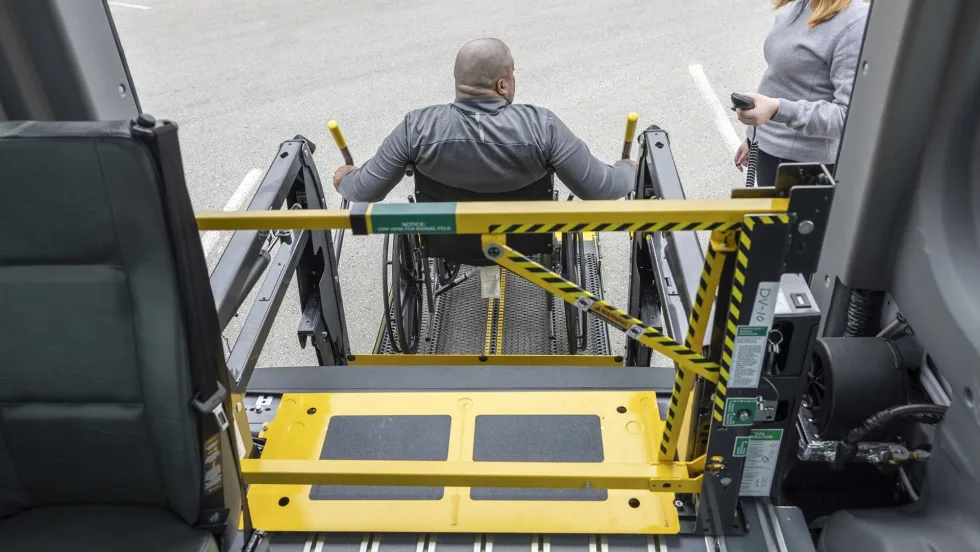
BraunAbility Introduces New Safety Barrier for Wheelchair Lifts
LiftSentinel is designed to add another layer of protection during wheelchair loading and unloading and can be retrofitted to many existing commercial lift installations.
Read More →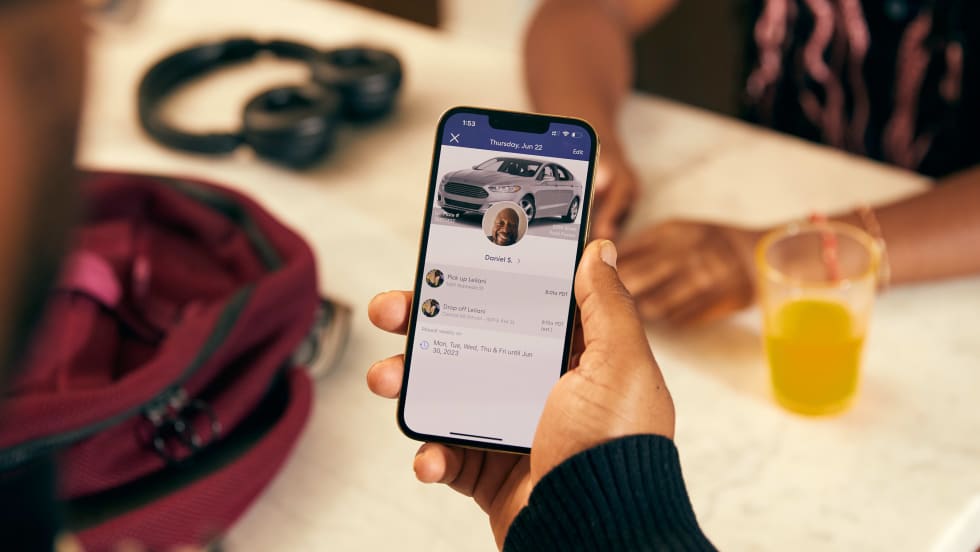
HopSkipDrive Launches New Safety, Driver Consistency Features for 2026-27 School Year
The company’s free ride recording, live ride tracking, and consistent driver assignments aim to improve safety and continuity for diverse student transportation needs.
Read More →
The Most Common Wheelchair Securement Mistakes on School Buses (and How to Fix Them)
Small missteps in wheelchair securement can have serious consequences. Here are 32 tips from experts to reduce risk and increase student safety on the bus.
Read More →
Inside AMF Bruns’ New Showroom: School Bus Securement Solutions Explained
Go inside AMF Bruns America’s new Ohio showroom with Maritza Valentin to see its FutureSafe technology, driver training tools, securement systems, and seating innovations.
Read More →
What AMF Bruns’ New Facility Means for Customers [Video]
Inside AMF Bruns’ new Stow, Ohio, operations: See how expanded space and innovation will enhance customer support and operations.
Read More →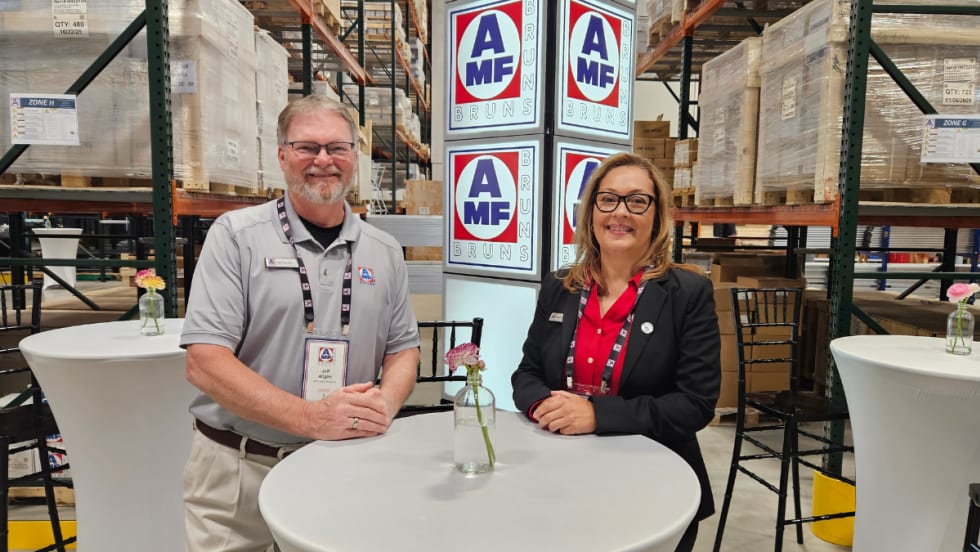
AMF Bruns Expands in Ohio, Investing in Growth and Community
With expanded production space, local investment, and a growing workforce, AMF Bruns is scaling its U.S. presence. Here’s an exclusive first look inside the new Stow, Ohio, HQ.
Read More →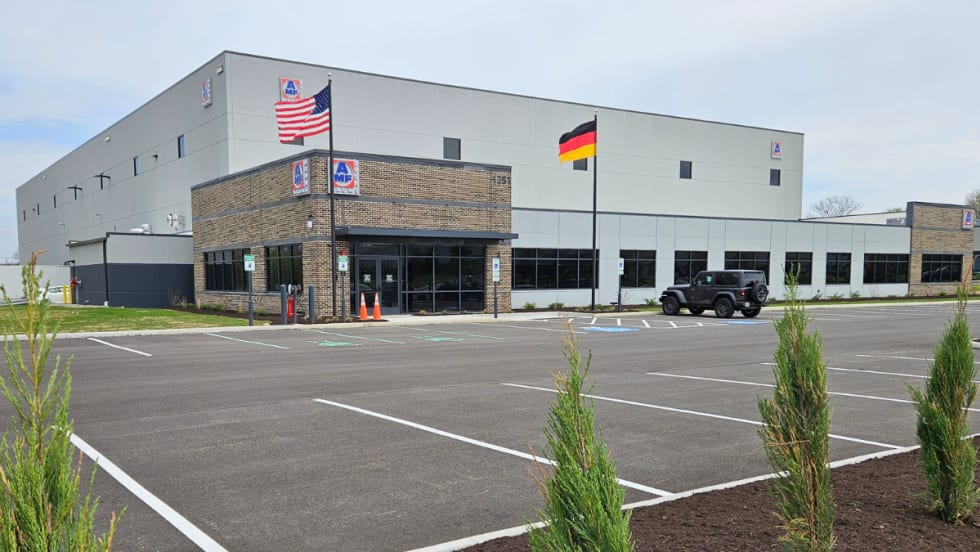
Inside AMF Bruns of America’s New Ohio Manufacturing Facility [Photos]
Take a behind-the-scenes look at AMF Bruns of America’s new 41,000-square-foot Stow, Ohio, headquarters, featuring advanced manufacturing, expanded space, and future-ready mobility solutions.
Read More →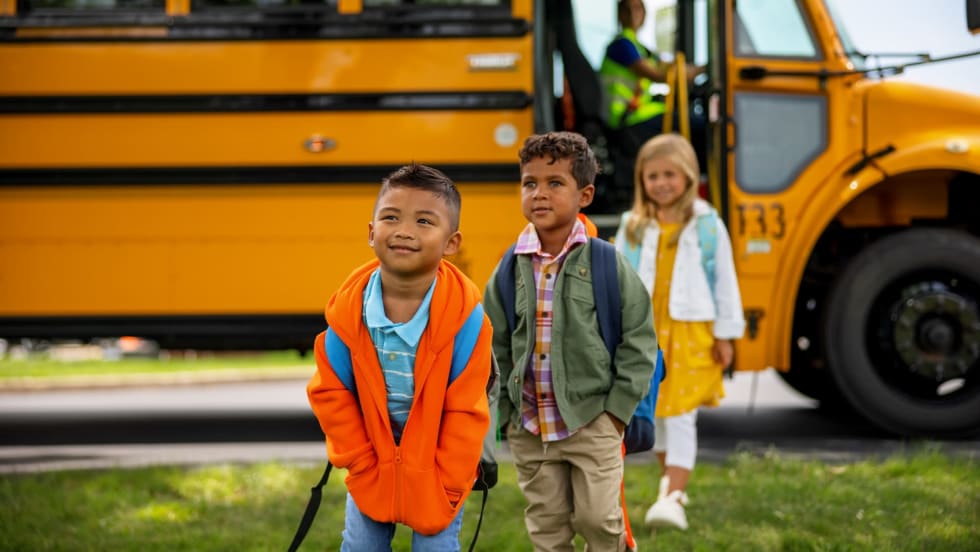
First Student Boosts Student Support in Wichita & Texas
First Student and Wichita Public Schools are using behavioral support strategies to improve student ride experiences, while a separate initiative expands access to after-school programs through a bus donation.
Read More →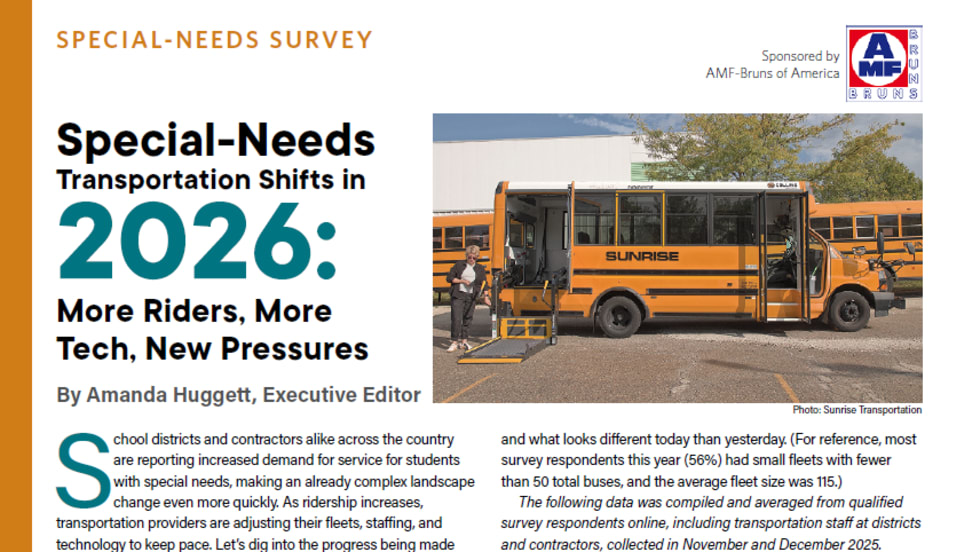
2026 Special-Needs Transportation Survey
What’s changing in special-needs transportation? This year, student transportation operators report a rising need, easing driver shortages, growing tech adoption, and evolving challenges. Sponsored by AMF Bruns of America.
Read More →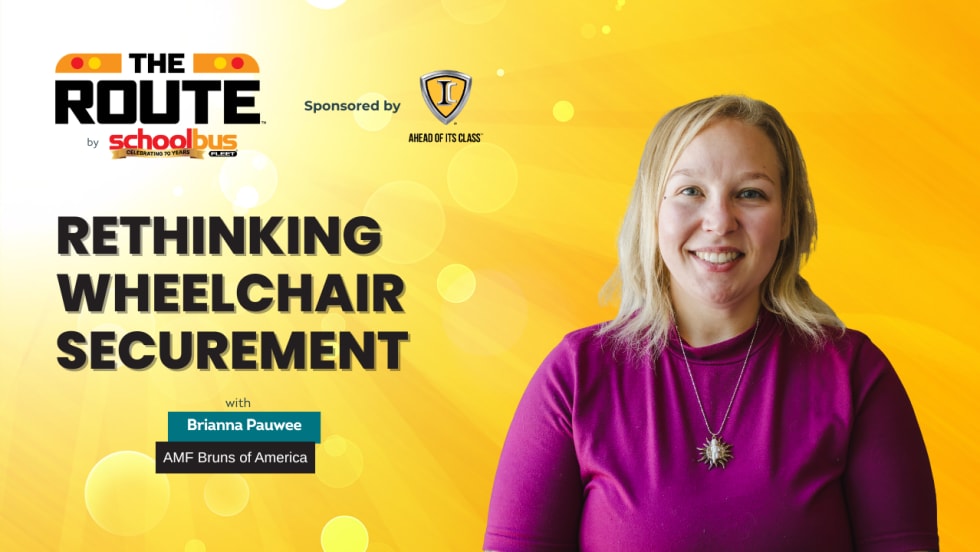
The Lived-Experience Gap in Mobility Tech: An Expert Take on Safe Student Transportation
Brianna Pauwee, a product application specialist at AMF Bruns of America and a wheelchair user, drops in to The Route to share practical securement and training insights, plus the story behind the new “Beyond Mobility” podcast. The Route is sponsored by IC Bus.
Read More →