




Will the 'Millennium Bug' bite school bus operators?
With all the publicity about the year 2000 (Y2K) computer problem, the school transportation industry has been strangely silent on this issue.
With all the publicity about the year 2000 (Y2K) computer problem, the school transportation industry has been strangely silent on this issue. Is it because you're prepared for the potential disruptions, or is it because you've adopted a this-won't-affect-me attitude? It would be a mistake to assume that school bus fleets are insulated from the Y2K problem. Although engine manufacturers contend that their equipment will not be affected by the double-zero dilemma, other less obvious pitfalls still remain. After all, school buses would face the same problems as all motorists if automated traffic signals or highway-rail grade crossings fail. And how about your department's computerized systems for routing/scheduling, inventory/maintenance and fueling? Have you checked with the software developer for Y2K compliance? With the deadline only a year away, everyone — including school bus operators — must act, and soon. The problem affects many things in your reach, but also many known and unknown things in the reach of people and institutions you depend upon.
Don't trust the geniuses
It's comforting to assume that the computer geniuses who created this problem will be able to fix it by Jan. 1, 2000, but many experts are pessimistic, believing that the Millennium Bug could have nasty implications on a global scale. For example, an analyst at Deutsche Bank says there is now a 70 percent chance of the economy slipping into a recession in 2000 because of the resources needed now or after Jan. 1, 2000, to fix all the glitches. The irony is that it's easy to detect the failure of your systems to handle the year 2000 (just set the clocks in your equipment ahead to see what happens). Yet people refuse to act. Some experts are now saying that the problem might be too late to solve everywhere, so you should focus on only those systems that are critical to your operations. That is, focus on those that will shut you down if they fail. You should start by creating an inventory of systems with potential Y2K problems and identifying those needed to run day-to-day operations. It might also help to get Y2K statements from your vendors, ensuring that they'll fix the problem for you if something malfunctions. Some suppliers are addressing the problem. For example, Freightliner Corp. in Portland, Ore., the parent of Freightliner Custom Chassis Corp. in Gaffney, S.C., launched a $4 million initiative to fix their problems back in October 1996. Now it is offering its know-how to its customers.
Prepare for the ripple effect
Don't forget to check with your municipalities and other public agencies in your area to see if they've solved the problem. According to recent news reports, many haven't. If they fail to reach compliance by the deadline, the ripple effect on school bus operators could be strong. The first rule in compliance planning is to get all personnel involved. It is not the spectacular (and therefore the obvious) that will do the damage; it will be the routine areas that are overlooked. This is where your staff can help. Like so many things, Y2K is more a management problem than a technical one. Finally, develop a contingency plan. If the sky falls, as many Chicken Littles are predicting, you need to be prepared to deal with the consequences. Determine ways to get around all predictable obstacles. Also, back up and produce hard copies of all computer-generated material. Don't assume the worst — but be prepared for it.
More Management
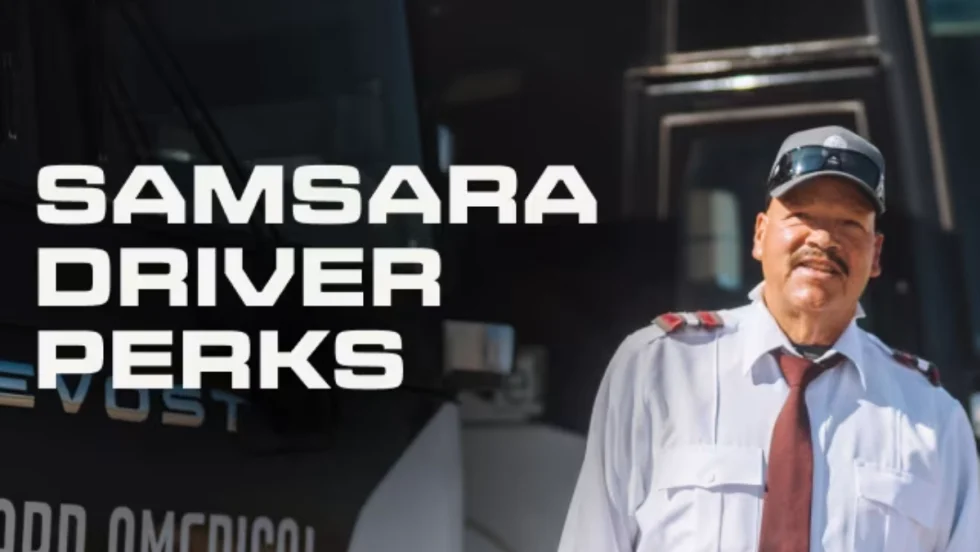
Samsara Launches Free Driver Rewards Program
The new Driver Perks program gives eligible professional drivers access to discounts and offers without adding a cost for participating fleets.
Read More →
How Tax-Exempt Municipal Leases Can Help Finance School Buses
Let’s explore school bus financing options, including municipal leases, vendor payable accounts, and balloon payments, and how they can help stretch fleet budgets.
Read More →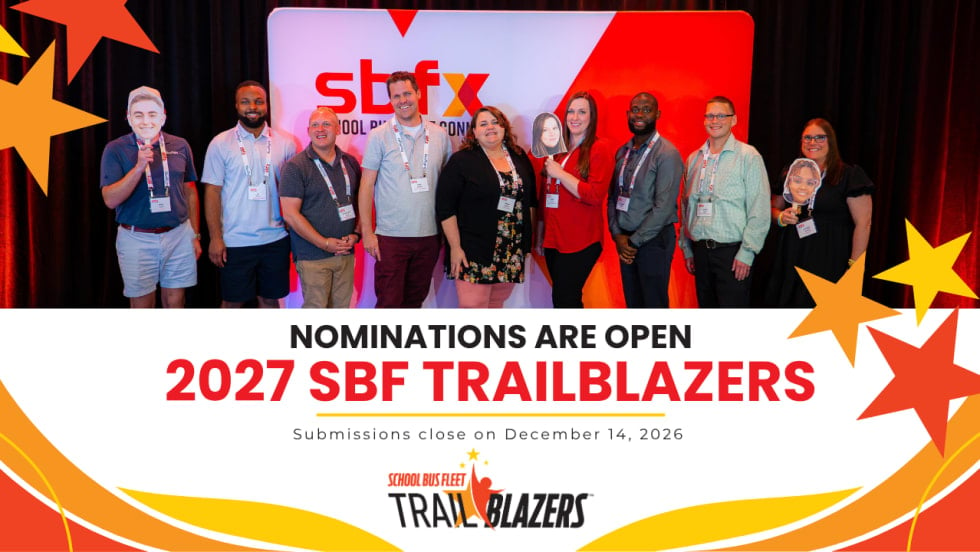
Nominate Rising School Transportation Pros Under 40!
We’re searching for the next generation of leaders making an impact across the K-12 student transportation industry to recognize as SBF’s 2027 Trailblazers. Nominations are open now!
Read More →

Changing Lanes: BusWhere, EverDriven, InterMotive, Summit School Services, Switzer-Carty & Thomas Built Buses
Check out who's been hired, promoted, and appointed to leadership positions at various school transportation suppliers, contractors, and manufacturers.
Read More →
The Most Expensive Thing You Do Before Selling a School Bus: Wait
When should you sell an aging school bus? Learn how maintenance, mileage, corrosion, specifications, and timing can affect resale value long before the auction.
Read More →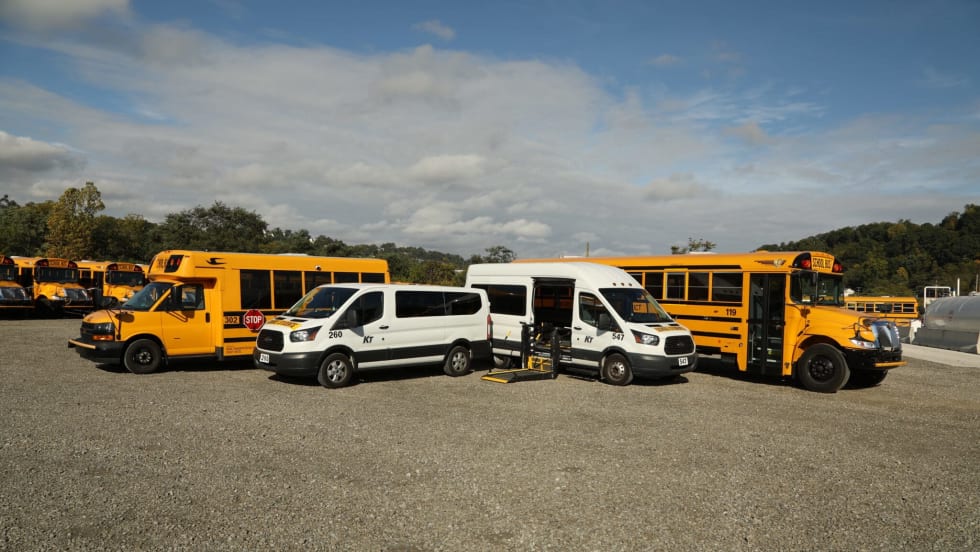
American Student Transportation Partners Acquires AJ Myers and Sons
A new deal brings a 75-year Pennsylvania student transportation provider into one of the nation’s largest private school bus contracting groups.
Read More →
What I Brought Home From SBFX: Relationships, Leadership, and Preparing What's Next
Who could lead your transportation operation tomorrow if you couldn't? Bernando Brown explores succession planning, mentorship, and preparing emerging leaders to step up.
Read More →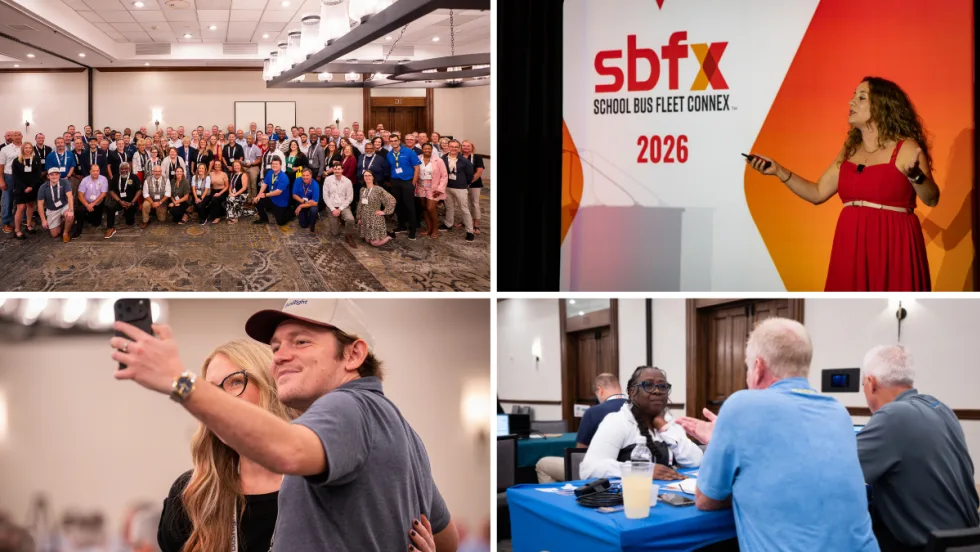
Inside School Bus Fleet ConneX 2026: Industry Leaders Connect in Scottsdale [Photos]
See highlights from SBFX 2026 in Arizona, where school bus operators and suppliers gathered for meetings, education, networking, awards, and more.
Read More →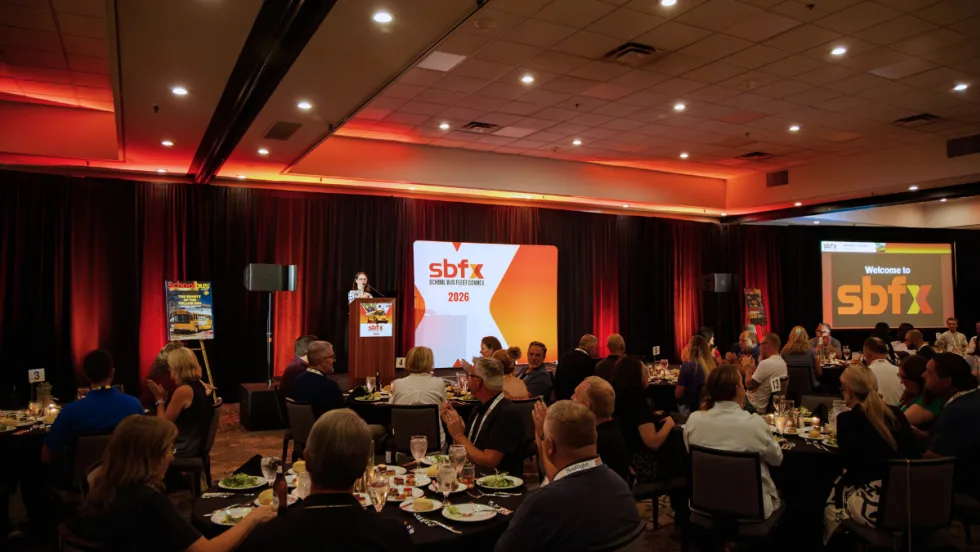
School Transportation’s Biggest Pressures and Opportunities: SBFX Attendees Weigh In
School bus operators point to rising costs, staffing, and vehicle prices as immediate pressures while identifying technology, training, and routing as opportunities for growth.
Read More →
STA Acquires Sunrise Transportation
Student Transportation of America expands in Illinois and Connecticut through Sunrise's fleet of nearly 1,000 vehicles.
Read More →