




Why transporters and educators should work together
The No. 1 win is for students with disabilities, who through this collaboration will get the most appropriate transportation service in a high-quality, efficient and safe way.

Judy Shanley, Ph.D., is director of student engagement and mobility management for the Easter Seals Transportation Group in Washington, D.C.
I don’t intend this to sound like a “Kumbaya” moment, but I want to share with you why it is important for educators and school transportation professionals to work together to ensure that students with disabilities receive the school transportation services that are best aligned with their needs.
I think about these relationships as a win-win-win — for students, for school transportation professionals and for educators.
Students win
The No. 1 win is for students with disabilities, who through this collaboration will get the most appropriate transportation service in a high-quality, efficient and safe way.
As educators, we want students to be successful, in school and as they leave high school to get jobs or go to college. When students are successful using school transportation — especially in vehicles that are more similar to public transit buses — it is encouraging to think that these same students can be successful using public transportation, since the behavior and skills used on school transportation can be comparable to the behavior and skills that students will need to independently use public transportation.
Students win by having school transportation as a learning platform for their ability to travel independently in the future — to get to jobs, to go to college and to thrive in the community.
Transporters win
For school transportation professionals, working with educators can be a way to get critical information for transportation services. For instance, a classroom teacher or a transition specialist can provide resources and support on particular disabilities or disability topics, such as autism, intellectual disabilities or behavioral programs.
An educator can share some of the common behavioral or medical tendencies for students with a particular disability (with the caveat that all students are unique, regardless of disability, thus characteristics of a specific disability are only generalizations, and the prevalence of a specific disability is not a direct indication of a particular set of characteristics).
Additionally, school transportation professionals can learn from educators about the instructional and behavioral strategies that are effective in the classroom, and then apply these strategies to the school transportation setting. This can help to create a transportation environment for a student that is consistent with the school building, and it can potentially minimize behavioral disruptions that changes in settings might evoke for students with disabilities.
Educators can also inform their transportation colleagues about strategies for working with families, a critical link in the provision of school transportation.
Educators win
Collaboration between transportation professionals and educators is a win for educators. Educators too often do not consider a student’s ride to and from school as part of the instructional, learning and educational environment for the student.
Personally, I think of all the missed opportunities I had when I worked in a classroom — opportunities to get feedback from my school transportation colleagues about the behavior, social interactions and dispositions of my students as they journeyed to school. I didn’t think to reach out to transportation administrators for ideas on how to use the school bus as an extension of the classroom, or to get their input on how I could infuse transportation content into my teaching to enhance the mobility and travel skills of students.
I failed to invite transportation colleagues into planning and delivering our travel instruction program. There were so many missed opportunities then, but I am encouraged by the opportunities that are now available.
Support for this work
Easter Seals Project ACTION (Accessible Community Transportation in our Nation) is a national technical assistance project funded by the Federal Transit Administration. The project provides information, training and support to improve access to transportation for people with disabilities.
Project ACTION offers free informational products and materials to assist educators, and professionals across pupil and public transportation, to enhance connections that support transportation options for students with disabilities, helping to improve outcomes as they leave high school.
Access free materials and events at www.projectaction.org. For more information about connections between education and transportation, contact me at jshanley@easterseals.com.
More Special Needs Transportation
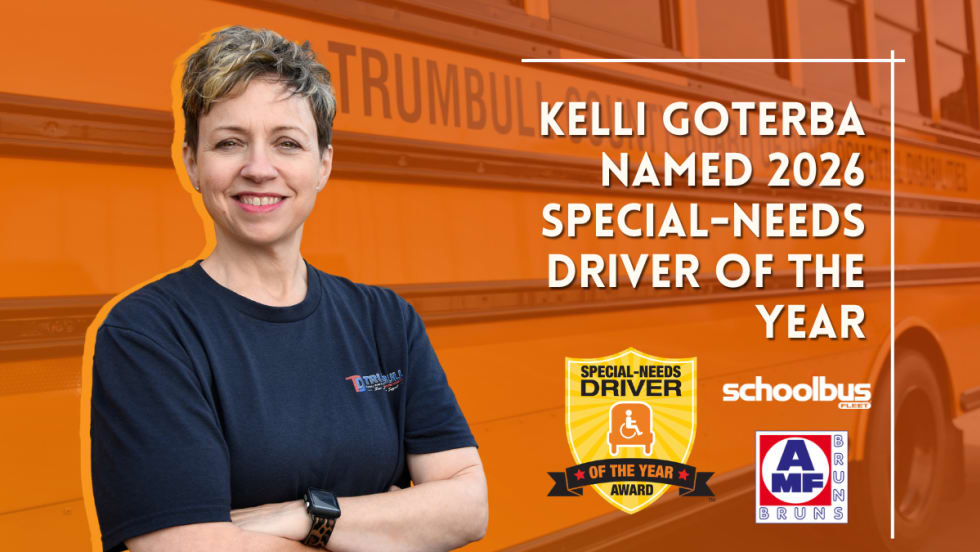
Kelli Goterba Named 2026 Special-Needs School Bus Driver of the Year
Through building trust with students and strengthening her transportation team, Goterba exemplifies the impact special-needs drivers can make.
Read More →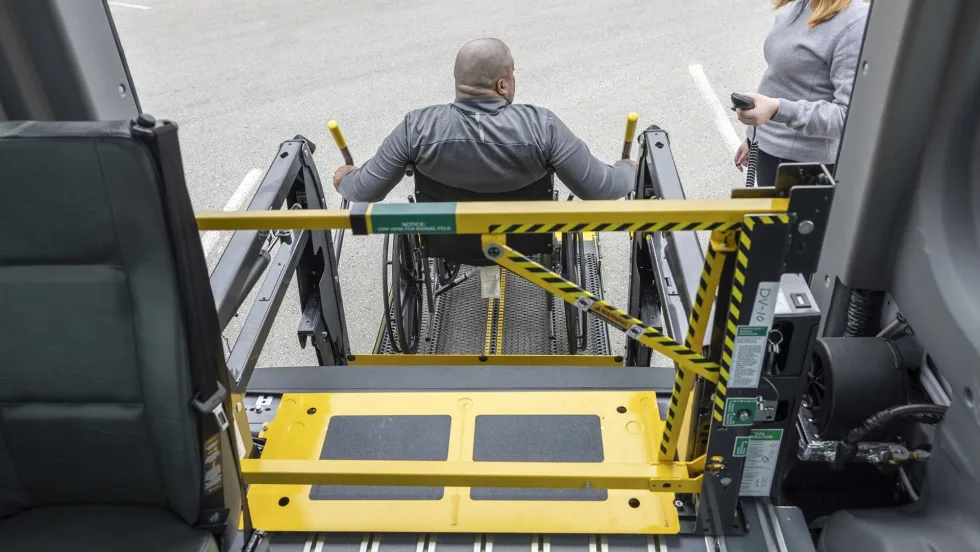
BraunAbility Introduces New Safety Barrier for Wheelchair Lifts
LiftSentinel is designed to add another layer of protection during wheelchair loading and unloading and can be retrofitted to many existing commercial lift installations.
Read More →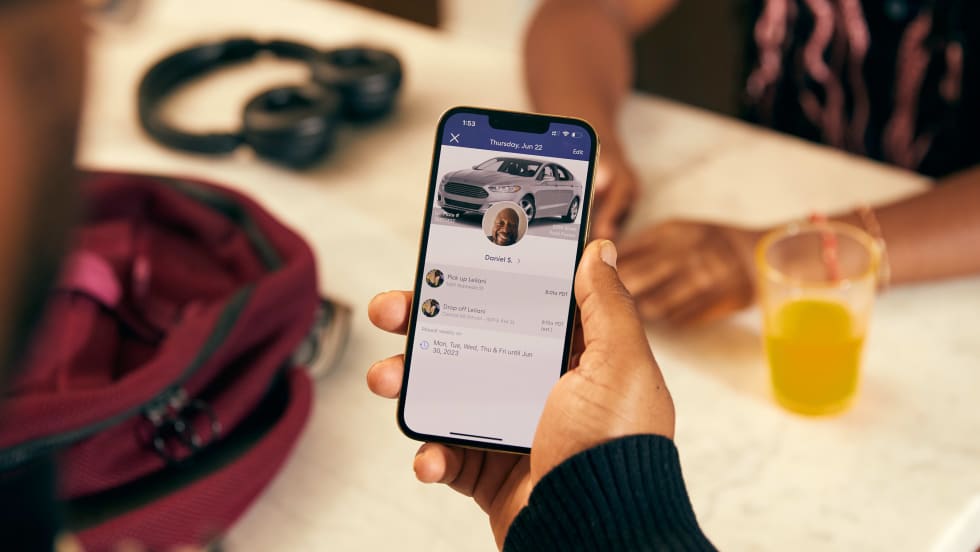
HopSkipDrive Launches New Safety, Driver Consistency Features for 2026-27 School Year
The company’s free ride recording, live ride tracking, and consistent driver assignments aim to improve safety and continuity for diverse student transportation needs.
Read More →
The Most Common Wheelchair Securement Mistakes on School Buses (and How to Fix Them)
Small missteps in wheelchair securement can have serious consequences. Here are 32 tips from experts to reduce risk and increase student safety on the bus.
Read More →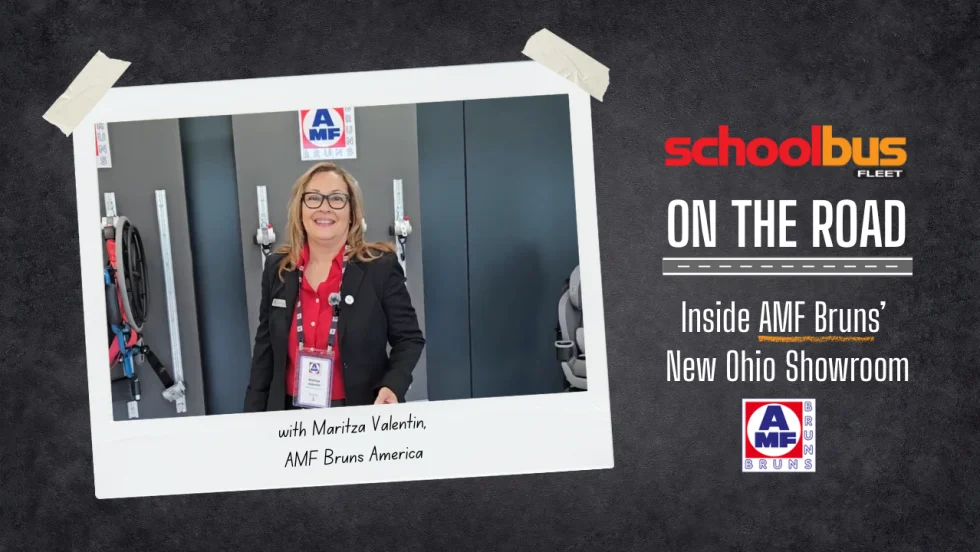
Inside AMF Bruns’ New Showroom: School Bus Securement Solutions Explained
Go inside AMF Bruns America’s new Ohio showroom with Maritza Valentin to see its FutureSafe technology, driver training tools, securement systems, and seating innovations.
Read More →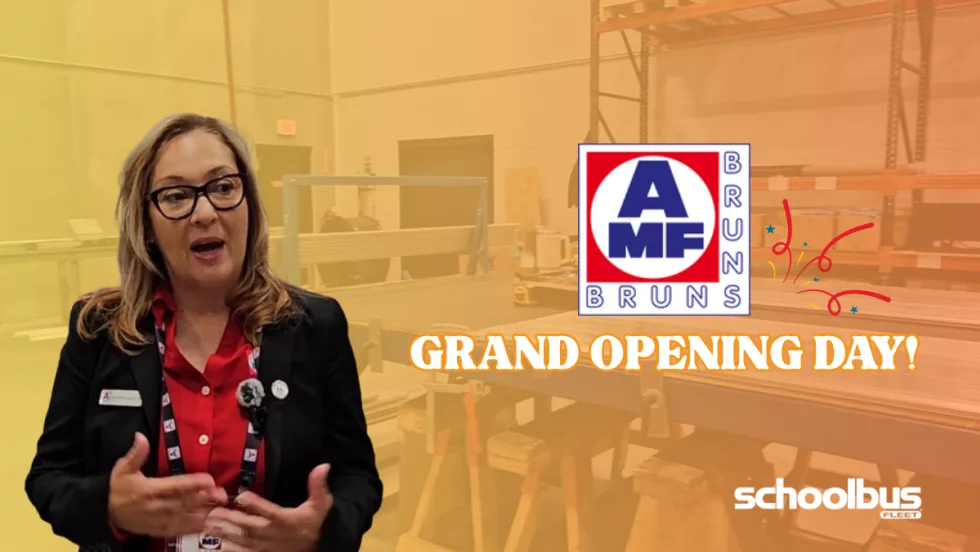
What AMF Bruns’ New Facility Means for Customers [Video]
Inside AMF Bruns’ new Stow, Ohio, operations: See how expanded space and innovation will enhance customer support and operations.
Read More →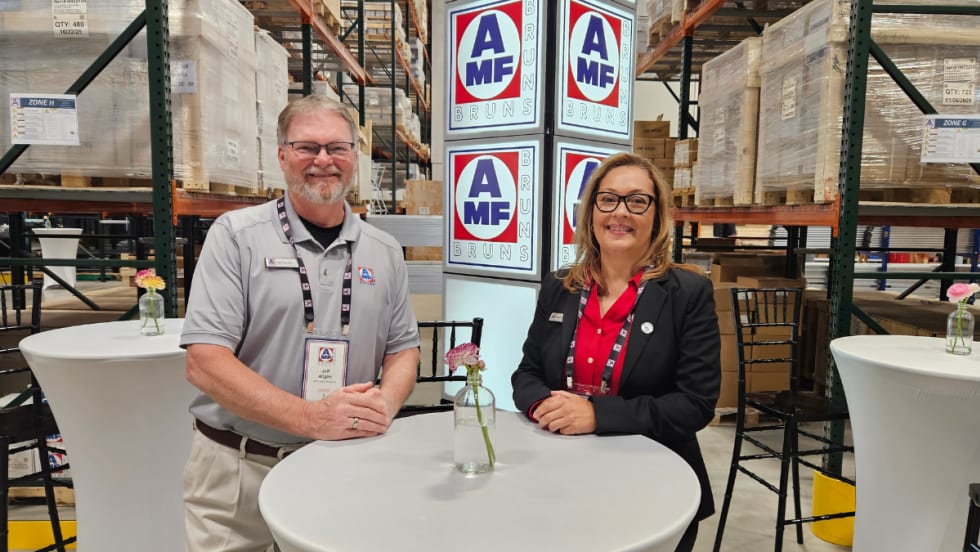
AMF Bruns Expands in Ohio, Investing in Growth and Community
With expanded production space, local investment, and a growing workforce, AMF Bruns is scaling its U.S. presence. Here’s an exclusive first look inside the new Stow, Ohio, HQ.
Read More →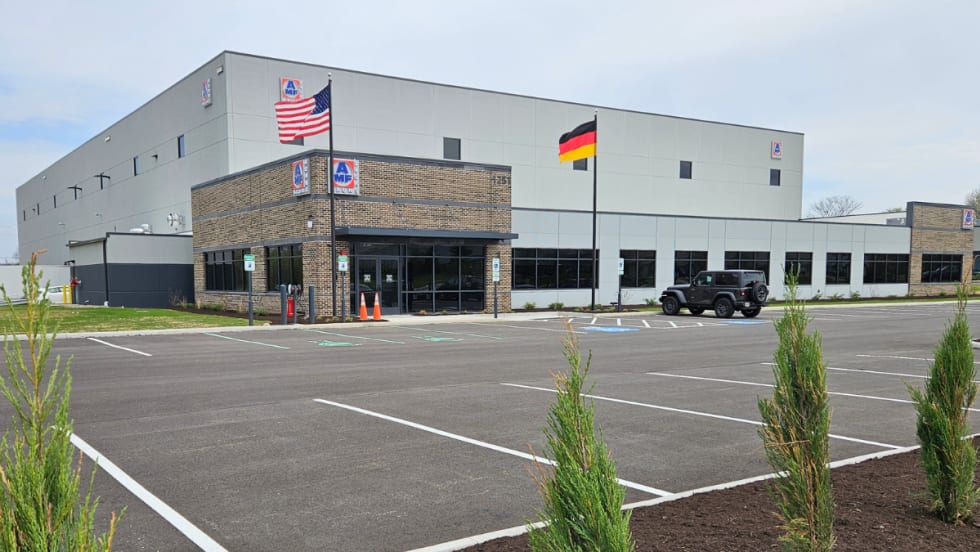
Inside AMF Bruns of America’s New Ohio Manufacturing Facility [Photos]
Take a behind-the-scenes look at AMF Bruns of America’s new 41,000-square-foot Stow, Ohio, headquarters, featuring advanced manufacturing, expanded space, and future-ready mobility solutions.
Read More →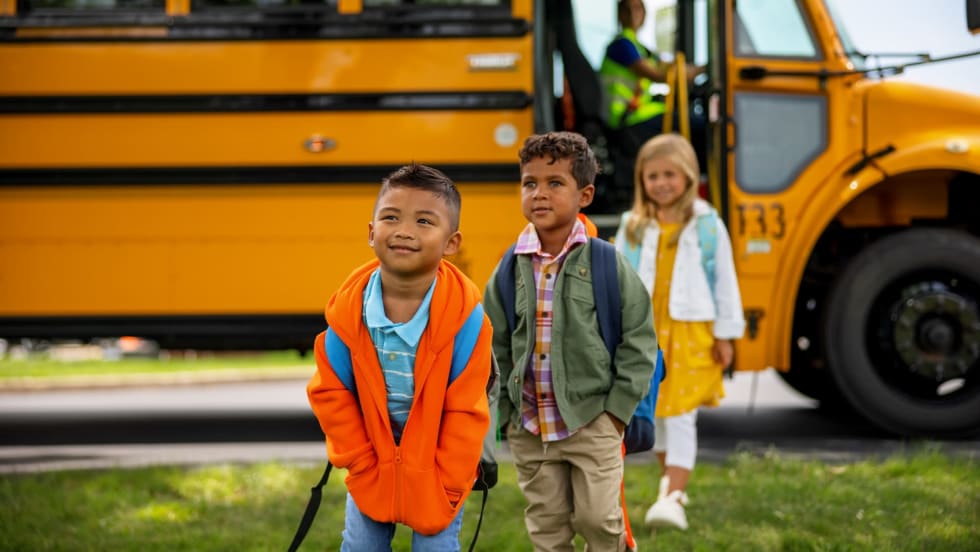
First Student Boosts Student Support in Wichita & Texas
First Student and Wichita Public Schools are using behavioral support strategies to improve student ride experiences, while a separate initiative expands access to after-school programs through a bus donation.
Read More →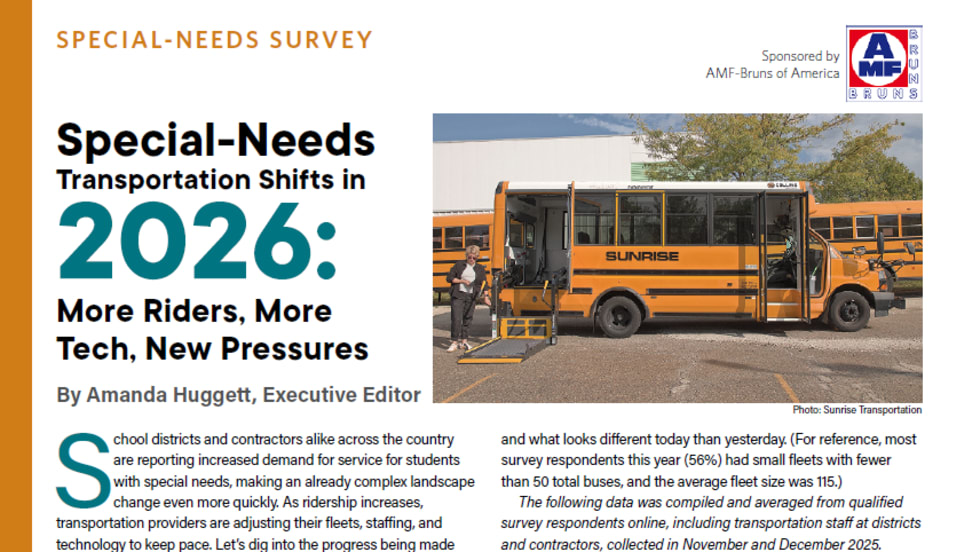
2026 Special-Needs Transportation Survey
What’s changing in special-needs transportation? This year, student transportation operators report a rising need, easing driver shortages, growing tech adoption, and evolving challenges. Sponsored by AMF Bruns of America.
Read More →