




Transporting All Students Equally
The Los Angeles Unified School District (LAUSD) plans to integrate approximately 35,000 disabled students into regular classes and bus routes by 2006 ...

The Los Angeles Unified School District (LAUSD) plans to integrate approximately 35,000 disabled students into regular classes and bus routes by 2006 (see Special-Needs News on pg. 7). The changes, which many people say are overdue, will be fraught with new challenges to school transportation professionals. To overcome the growing pains of special-needs inclusion, LAUSD can look to other districts such as Chicago Public Schools, which started implementing similar changes more than a decade ago. Peter Grandolfo, manager of safety and special programs for the district, discussed with SBF Plus how this integration of special-education children affects student transportation. SBF Plus: Can you describe the impact this change has had on school transportation in Chicago? Grandolfo: It’s reduced the number of buses on the street. And more importantly, it’s given children with disabilities greater access to children who aren’t disabled. It’s socialization. SBF Plus: What are the major financial challenges involved? Grandolfo: There is an initial cost to acquiring more lift buses. Then you also must be careful in routing because in some cases your capacity is limited by the space that is needed on the vehicle for wheelchairs and lifts. It can be a financial burden at first, but over time, costs decrease. SBF Plus: Did your district encounter any emotional barriers? Grandolfo: The kids had very little problem adjusting. The non-disabled kids accepted almost without question the kids with disabilities, and the disabled kids haven’t really had any problems either. In fact, a number of parents of special-needs kids asked that their children be picked up on the street like regular students, rather than having a home pickup. SBF Plus: How did inclusion affect drivers and driver training? Grandolfo: There was a bit of strain. Typically, drivers are either familiar with transporting non-disabled children, or they are familiar with transporting students with disabilities. Often, a mainstream driver doesn’t understand special-needs kids in general, and they don’t understand the laws and requirements for providing these kids with transportation. And there are some behavioral issues as well. It’s an evolutionary process. We incorporated [special-needs training] into our statewide driver-training program, so now all drivers get a certain amount of training on this subject. SBF Plus: Has Chicago seen the fruits of its labors and, to LAUSD, is this change worth it overall? Grandolfo: It is absolutely worth it. One of our goals is to integrate and educate all children in the best way possible. Transportation should have the same goal. Integrating disabled kids with non-disabled kids is in itself an education. I am not going to say it always works perfectly, and I am never going to say it is the best thing for every single child, but it does work. The costs have gone down, and kids with and without disabilities appreciate it and are getting a lot out of it.
More Special Needs Transportation
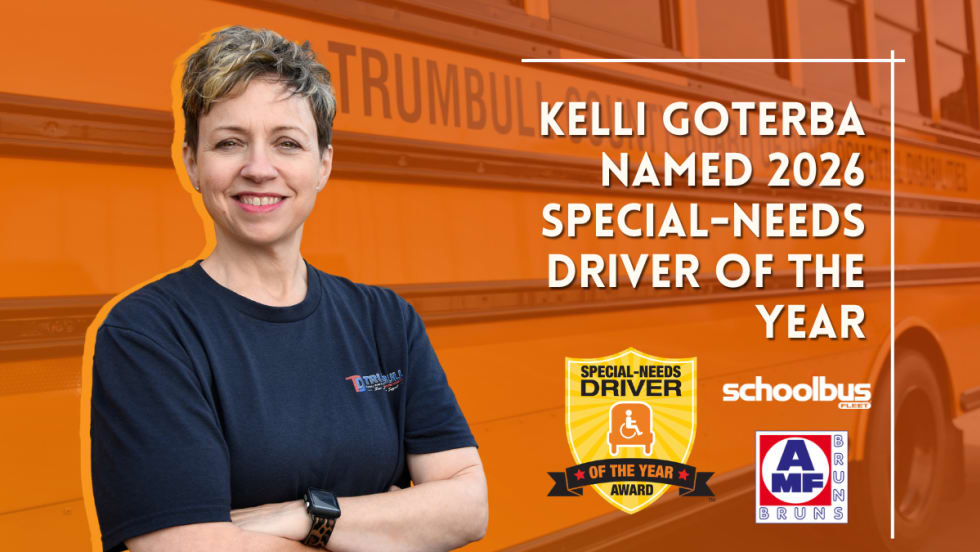
Kelli Goterba Named 2026 Special-Needs School Bus Driver of the Year
Through building trust with students and strengthening her transportation team, Goterba exemplifies the impact special-needs drivers can make.
Read More →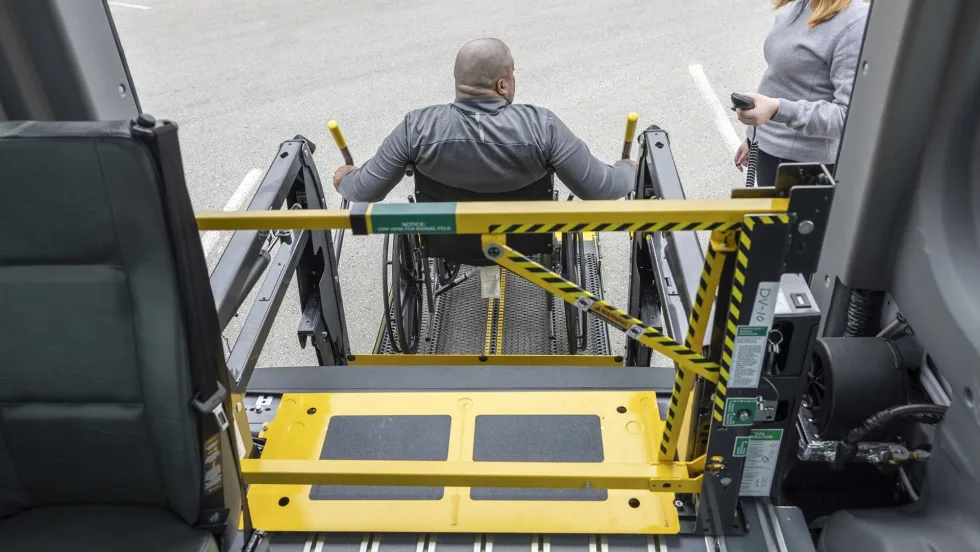
BraunAbility Introduces New Safety Barrier for Wheelchair Lifts
LiftSentinel is designed to add another layer of protection during wheelchair loading and unloading and can be retrofitted to many existing commercial lift installations.
Read More →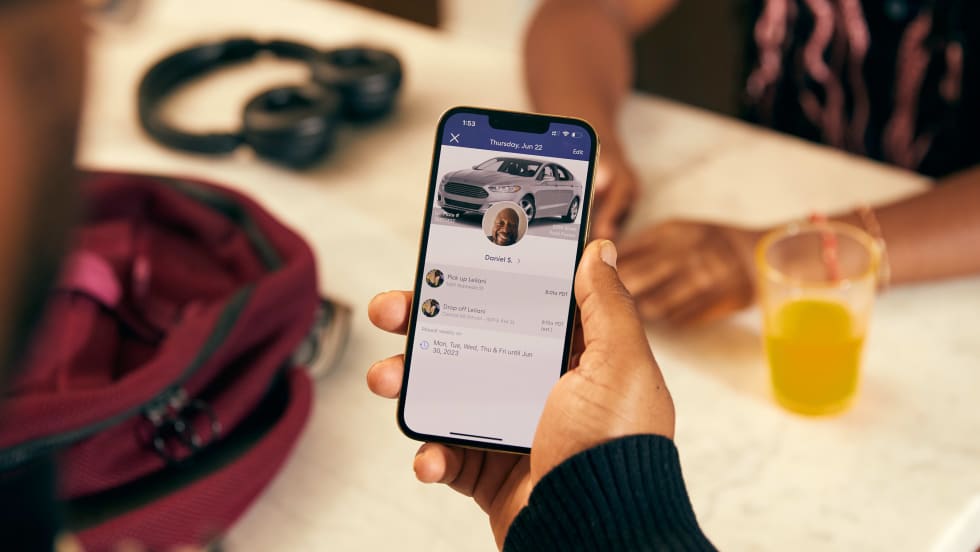
HopSkipDrive Launches New Safety, Driver Consistency Features for 2026-27 School Year
The company’s free ride recording, live ride tracking, and consistent driver assignments aim to improve safety and continuity for diverse student transportation needs.
Read More →
The Most Common Wheelchair Securement Mistakes on School Buses (and How to Fix Them)
Small missteps in wheelchair securement can have serious consequences. Here are 32 tips from experts to reduce risk and increase student safety on the bus.
Read More →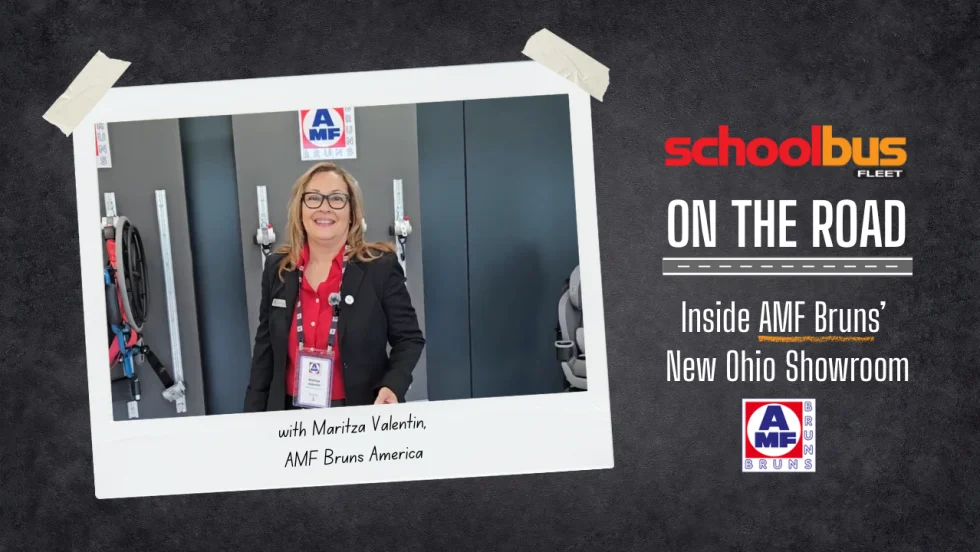
Inside AMF Bruns’ New Showroom: School Bus Securement Solutions Explained
Go inside AMF Bruns America’s new Ohio showroom with Maritza Valentin to see its FutureSafe technology, driver training tools, securement systems, and seating innovations.
Read More →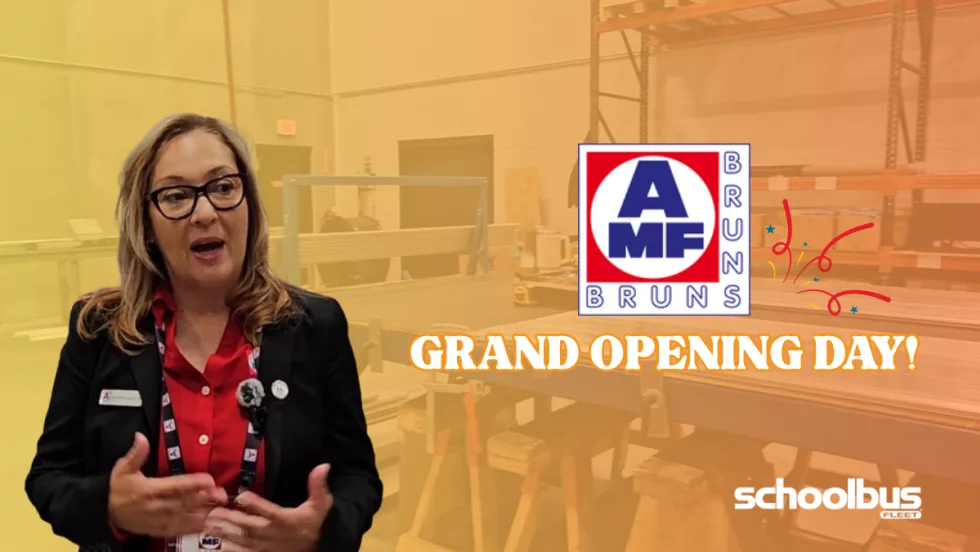
What AMF Bruns’ New Facility Means for Customers [Video]
Inside AMF Bruns’ new Stow, Ohio, operations: See how expanded space and innovation will enhance customer support and operations.
Read More →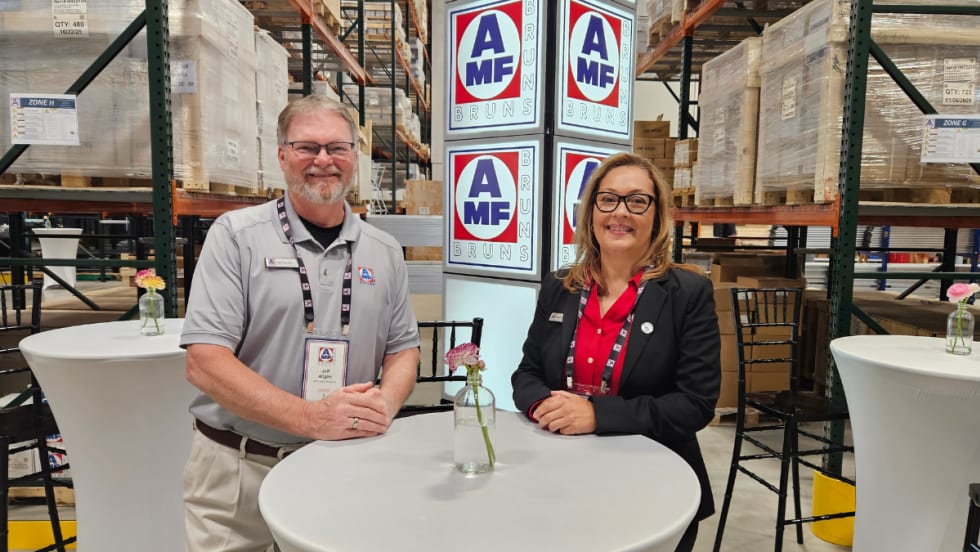
AMF Bruns Expands in Ohio, Investing in Growth and Community
With expanded production space, local investment, and a growing workforce, AMF Bruns is scaling its U.S. presence. Here’s an exclusive first look inside the new Stow, Ohio, HQ.
Read More →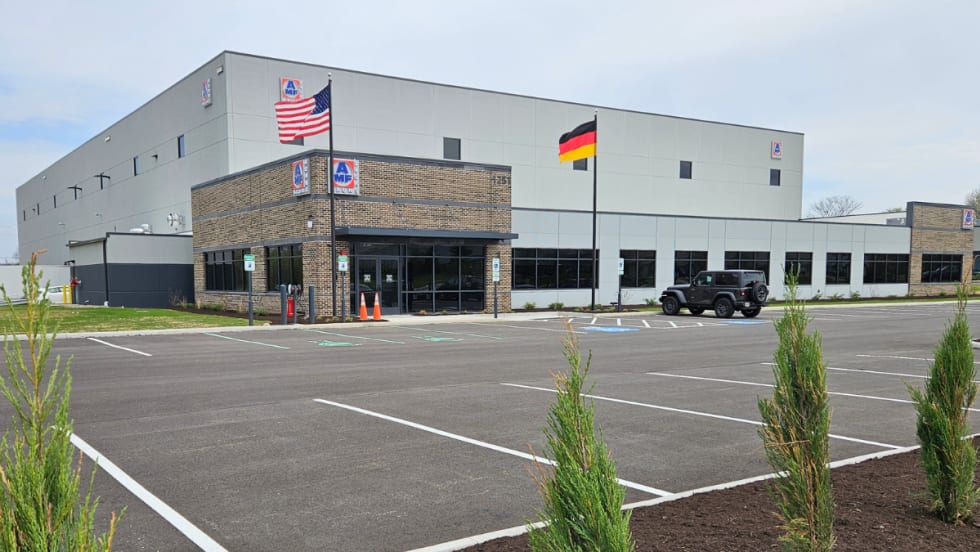
Inside AMF Bruns of America’s New Ohio Manufacturing Facility [Photos]
Take a behind-the-scenes look at AMF Bruns of America’s new 41,000-square-foot Stow, Ohio, headquarters, featuring advanced manufacturing, expanded space, and future-ready mobility solutions.
Read More →
First Student Boosts Student Support in Wichita & Texas
First Student and Wichita Public Schools are using behavioral support strategies to improve student ride experiences, while a separate initiative expands access to after-school programs through a bus donation.
Read More →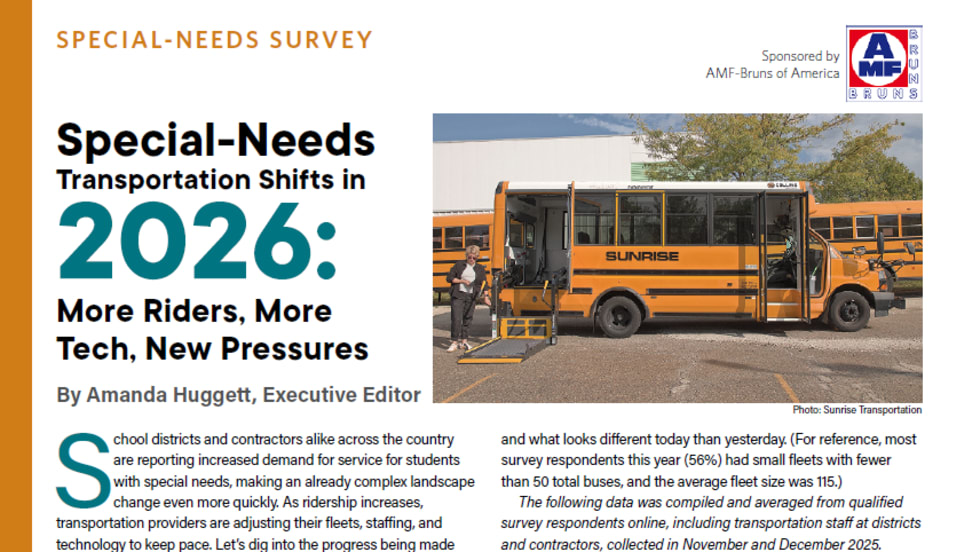
2026 Special-Needs Transportation Survey
What’s changing in special-needs transportation? This year, student transportation operators report a rising need, easing driver shortages, growing tech adoption, and evolving challenges. Sponsored by AMF Bruns of America.
Read More →