



Transportation cuts come at high cost
The battle between the classroom and ancillary services such as transportation continues in full force as school boards try to squeeze dollars from th...
The battle between the classroom and ancillary services such as transportation continues in full force as school boards try to squeeze dollars from their over-burdened budgets.
In too many cases, transportation has been the loser, requiring, among other things, cutbacks in service, downgrading of vehicle inspection programs and the postponement of capital expenditures, such as the purchase of new buses.
The budget squeeze is, of course, nothing new to pupil transportation. When school boards are compelled to reduce costs, they first look outside the classroom at food services, maintenance and transportation. To be honest, that's a sensible approach and understandable from a political perspective. The community doesn't want to hear that a school district is laying off teachers without first considering the alternatives, which includes trimming transportation spending.
The fallout of a 'minor change'
But these alternatives need to be scrutinized carefully, and caution should be the operative word when considering cuts in transportation. In the world of pupil transportation, a seemingly minor change can have a dramatic impact.
Consider, for example, the budget-cutting act of extending the walking distance from 1 mile to 1 1/2 miles for elementary school students. Sounds simple enough. Certainly would help to cut costs. But we all know how much higher the risks are for the displaced passengers. If they are forced to walk to school, their chances of being injured or killed are greatly increased. Even if they can hitch a ride with their parents, they face increased dangers in getting to and from school.
In addition, the number of cars entering the school drop-off and pick-up zones is sure to rise, creating greater hazards for everyone in the vicinity. Not only will there be an increase in fender-bender and more serious traffic accidents around the schools, but the chances that a child will be injured or killed at a school site by a car driven by a harried parent are heightened.
State cutbacks also hurt
Less obvious in their impact on transportation safety are budget cuts higher up the bureaucratic ladder.
In Kentucky, for example, the state's Department of Education rolled back its expenditures by implementing a reduction in force that decimated the pupil transportation division and included the dismissal of longtime division chief Mike Roscoe.
This decision, implemented without warning, leaves a huge void in the leadership of Kentucky's pupil transportation program. Roscoe had key responsibilities — developing regulations and training curriculum, auditing local transportation programs, overseeing the state's procurement of school buses and coordinating statewide conferences for supervisors and driver trainers. Each of these re-sponsibilities has a direct bearing on the overall safety of Kentucky's school transportation program.
As we all know, each state needs a point person for pupil transportation. And it shouldn't be someone who wears 20 hats, the smallest of which is transportation's. Not only will this person be unable to devote the time and energy necessary to stay on top of industry developments, he or she will not be inclined to try to improve the transportation program. That's where these types of decisions have a short- and long-term negative impact. The state's buses will continue to run, but the 430,000 students who ride those buses will be a little less safe.
More Management
The Back-to-School Checklist Every Director Should Complete Before the First Bell
Help your transportation team start the school year strong with these tips for contingency planning, communication, fleet visibility, technology, and trip management.
Read More →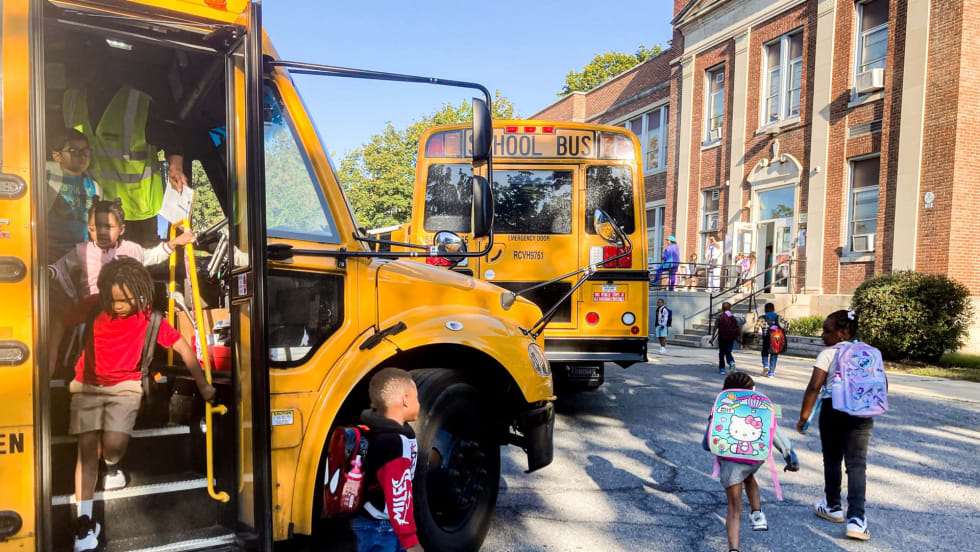
How a New York District Cut Nearly $1M in Transportation Costs While Expanding Bus Access
A data-driven overhaul with BusRight reduced Poughkeepsie City School District's planned routes from 26 to 17 while extending school bus service to about 1,200 additional students.
Read More →
Budgets Down, Enrollment Shifting: What the Data Says Districts Should Watch
School transportation departments face two converging challenges this year: tightening budgets and shifting enrollment. Most districts still address these issues separately, but the assumption that either trend will simplify operations is proving incorrect.
Read More →
These 8 School Transportation Companies Made the 2026 Inc. 5000 List
Find out which school transportation contractors, technology providers, and suppliers ranked among America’s fastest-growing private companies.
Read More →
The Link Between Emotional Intelligence and School Bus Safety
How can emotional intelligence help transportation pros navigate stress, manage change, and build stronger relationships? Listen to find out.
Read More →
What Emotional Intelligence Has to Do With School Bus Safety
In this video, discover how emotional intelligence can help transportation leaders and drivers navigate stress, manage change, and build stronger relationships. The Route is sponsored by IC Bus.
Read More →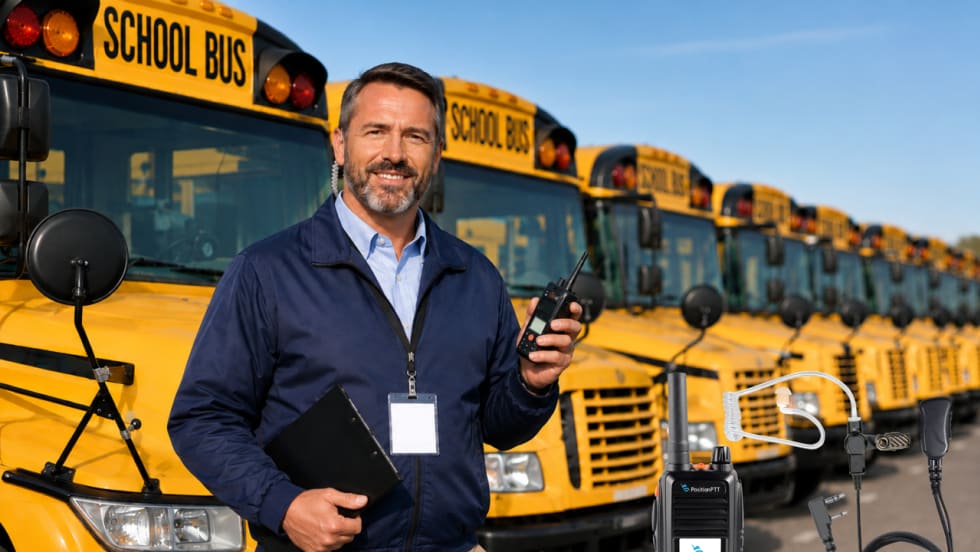
Beyond Two-Way Radios: School Bus Communications Evolve With Push-to-Talk Over Cellular
PRYME Radio and PositionPTT join forces to advance hands-free radio use and reduce distracted driving. See how PoC compares with traditional radios on range, cost, safety, and connectivity.
Read More →
Have School Districts Adapted to Bus Driver Shortages or Simply Accepted Less Service?
According to a recent report from HopSkipDrive, many districts appear to have recalibrated what "normal" transportation service looks like.
Read More →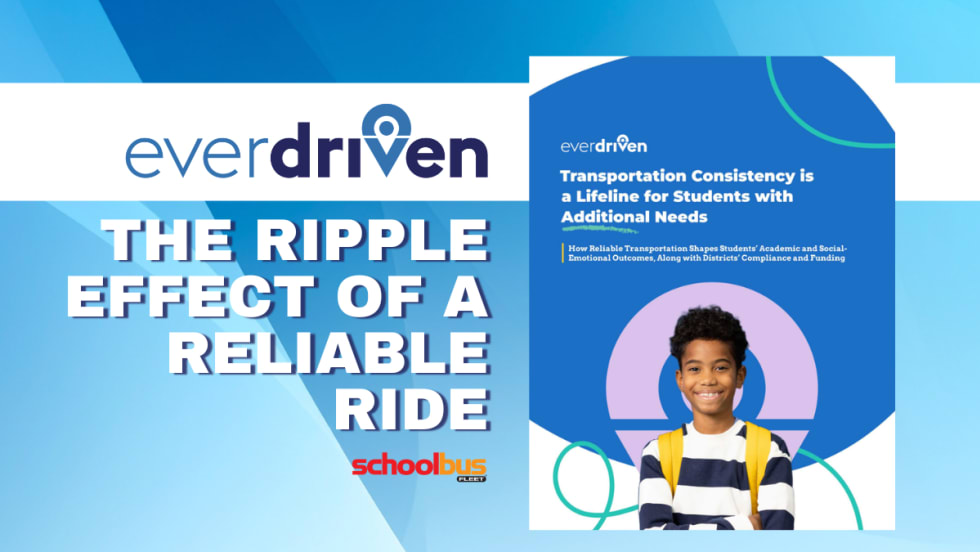
Reliable Transportation Linked to Better Student Outcomes, New EverDriven Study Finds
See why new research suggests transportation consistency improves student outcomes while influencing attendance, funding, IEP compliance, and family trust.
Read More →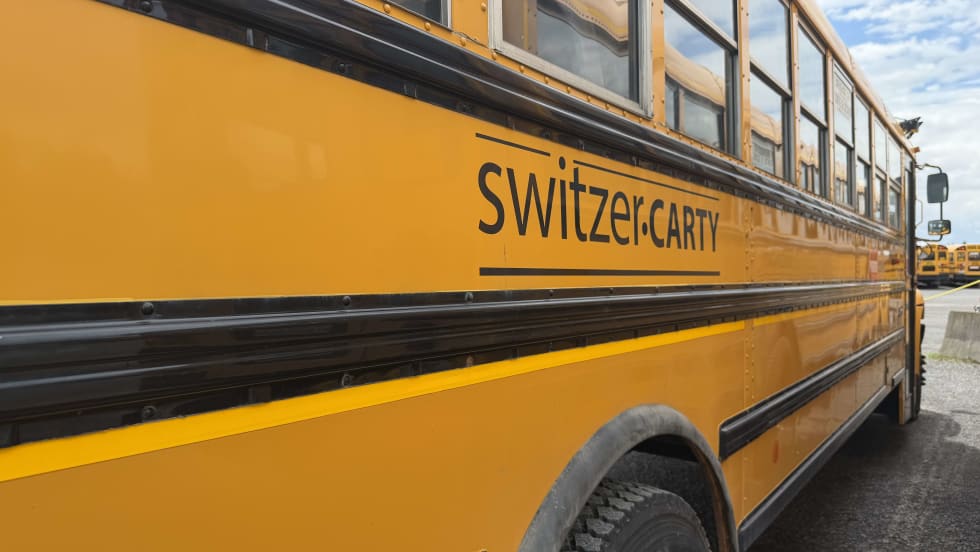
Switzer-CARTY Enters the U.S. with New Acquisition
The Canadian contractor’s acquisition of Minnesota-based Agnes Corporation marks its first cross-border expansion into the United States and adds 350 vehicles.
Read More →