




Specialists in Non-Emergency Medical Transport
St. Louis-based EMT has found a market in assisting school districts with special-needs and homeless student transportation. After launching in St. Louis, franchises have been established in nine states.

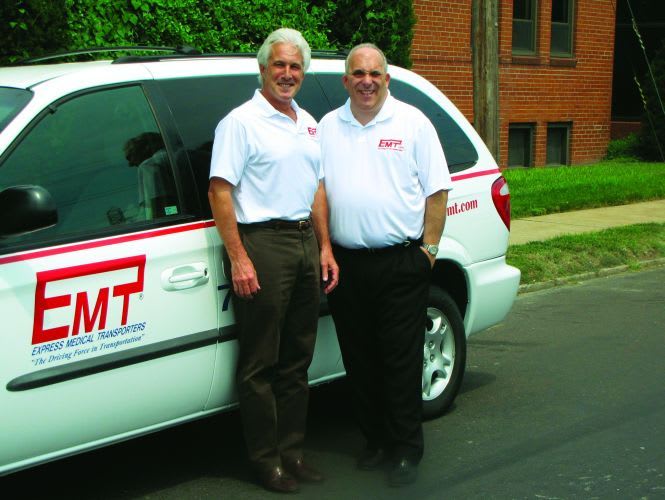
EMT Founder and President Bernie Squitieri (right) and Vice President Chris Kemph pose with one of the company's 200 vehicles in St. Louis.
Bernie Squitieri founded Express Medical Transporters (EMT) in 1996 in order to provide non-emergency medical transportation for adult day care, rehab, mental health and other health facilities and schools in St. Louis. His background as the general manager of a taxi company helped boost the company's initial success, as did the implementation in the 1990s of a federal managed health care program, which mandated that states provide necessary transportation for eligible recipients to and from Medicaid providers.
One of EMT's first contracts was with Special School District of St. Louis County (SSD), which contracted the transportation of about 30 special-needs students to EMT. "They were able to shrink their 65 routes down to about 48 routes," Squitieri says. "That's how we got started in student transportation."
EMT currently operates about 200 vehicles and employs 245 people in St. Louis. The company launched a franchise system in 2007, and a total of nine additional locations have opened across the country, with a total U.S. fleet of about 550 vehicles.
Squitieri estimates that school transportation represents about 20 percent of his business in St. Louis, with the company serving 35 districts in the county. "Over the last five years we've seen a tremendous growth — 250 to 300 percent — in homeless and No Child Left Behind Act [students]," he says. "Last year at our peak, we were [transporting] 275 children, and right now we're at 400."
Due to the growth in these populations and a growing need for special-needs transportation overall, EMT recently established its Student Transportation Division.
Operations
In addition to providing service for ambulatory clients with impairments preventing their ability to drive, EMT provides transportation for wheelchair-bound individuals, requiring a high-top vehicle with a hydraulic lift, and stretcher service for clients who have to be transported on a stretcher but don't need medical treatment.
The company's fleet includes small school buses, but some of EMT's contracts don't require the use of school buses, in which case minivans or sedans are used, Squitieri says.
EMT uses proprietary dispatching software with GPS routing. "We can look at any particular route at any particular time and know exactly where the driver is," Squitieri says. The system can also monitor speeds, stops and route adherence.
In St. Louis, EMT employs four mechanics at its maintenance facility, three of whom are ASE certified. Two tow trucks are available in case of breakdowns, and Squitieri says the company can provide a new vehicle and tow in the malfunctioning one with a turnaround of about 20 minutes.
He credits his drivers and a stringent screening process for a low frequency of accidents. "First of all, they have to have a clean driver's record. We don't hire anyone under 25 years of age, they can never have been convicted of a DUI ever in their life — I don't care if it's 35 or 40 years ago — and they go through post-employment drug testing, random drug pool and some background checks to make sure we get really dependable drivers," he says.
Drivers receive 40 hours of classroom and behind-the-wheel training, which includes a segment focusing on student transportation. Topics covered include sensitivity training, defensive driving, CPR, first aid and transporting persons with disabilities. "We're currently enhancing our training program with topics such as chronic illnesses," Squitieri notes.
[PAGEBREAK]
Coordinating with schools
Managers at EMT handle relations with school districts, sometimes dedicating one person per district, as with SSD, where the volume of routes amounts to 65 to 70 per day. "You have to be really focused and flexible to be able to change these routes on the fly," Squitieri says. Managers must track student residence, particularly with homeless students who may move several times during the school year. "We have one person that coordinates with the homeless coordinators in the different school districts and gathers all the student information," he explains.
[IMAGE]455[/IMAGE]EMT provides schools with a protective oversight form to get information and transportation requirements on each student. "The district or parents will fill out the form, and it's really helpful because when we pick someone up, we know if this person needs to be handed over to a specific individual, or this person can't be left by himself, or we have to walk this person into the school — it cuts out a lot of wasted time," Squitieri says.
Providing consistent service is one of the qualities that sets EMT apart, Squitieri says. "We like to keep the same drivers transporting the same kids every day, so the parents get to know the driver on a one-on-one basis and it really alleviates a lot of the stress," he explains. Consistency also helps some children, who may have issues with change, and improves attendance.
Shifting some students from the regular school bus to EMT can also help districts save money, Squitieri says. "In Baltimore, we bid on a contract where the school district was paying $475 a day to transport one child because he didn't fall on the bus route," he says. "We were able to [transport the child] for $65 a day, and they couldn't believe it. After that, they started giving us some other [students]. We're not looking to replace school buses. We're trying this partnership approach where we can give these schools better competitive pricing by combining our services with the school bus services."
Rapid expansion
Squitieri says he regularly receives inquiries from medical agencies and schools about EMT's services being expanded to other states and regions, pointing to an unfilled need for non-emergency transportation. "It's really hard to manage this type of business from afar," Squitieri says. "You have to have good, reliable, dependable people." So, in 2007, he worked with consulting companies to investigate the franchise option and determined that several markets for the company's services existed across the U.S.
The first franchise was sold in 2008, with a total of nine sold in the first year. "Now we're to the point where we have a good infrastructure in place — we have a corporate office, we have good management on staff. We can open up five franchises in a month if we have to because we have the infrastructure in place," Squitieri says.
Franchise locations are currently providing and bidding on school transportation, including contracts in Kansas City, Mo., Memphis, Tenn., and Baltimore, Squitieri says.
Franchisees are required to purchase a minimum of seven vehicles at startup, including wheelchair vans, minivans and related equipment. Then, EMT provides a two-week training program at its St. Louis headquarters, covering accounting, employee screening, systems operations and use of proprietary dispatch software.
"Historically, the school districts used to call cabs because that was all that existed. With us, it's a win-win for the school district because we specialize in this [type of transportation] and we provide an economical option," Squitieri says. "We're trying to get our name out there to school districts to let them know there's an alternative, not to the school bus, but for the kids that fall off the school bus routes."
To that end, EMT will be attending the Transporting Students with Disabilities and Preschoolers conference in Orlando, Fla., in March and will be an exhibitor at the trade show.
More Special Needs Transportation
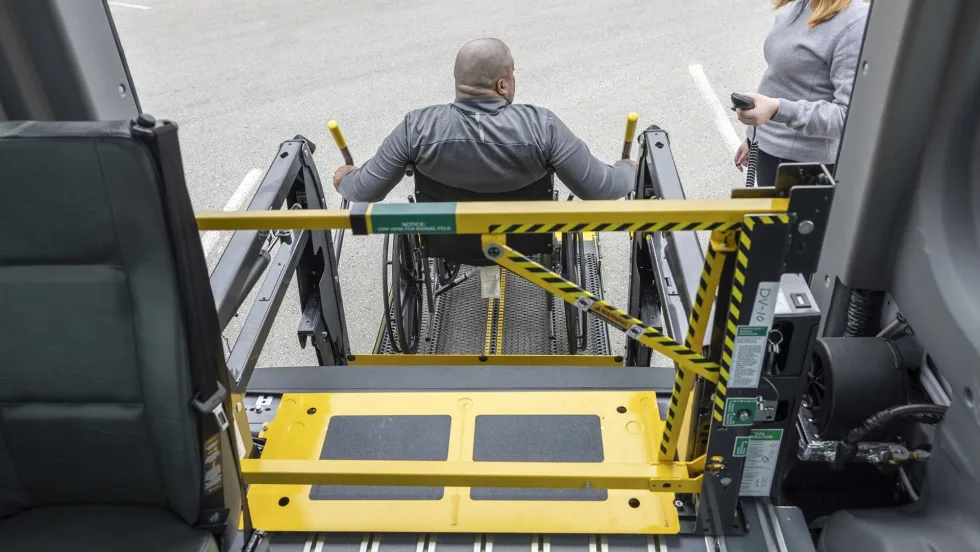
BraunAbility Introduces New Safety Barrier for Wheelchair Lifts
LiftSentinel is designed to add another layer of protection during wheelchair loading and unloading and can be retrofitted to many existing commercial lift installations.
Read More →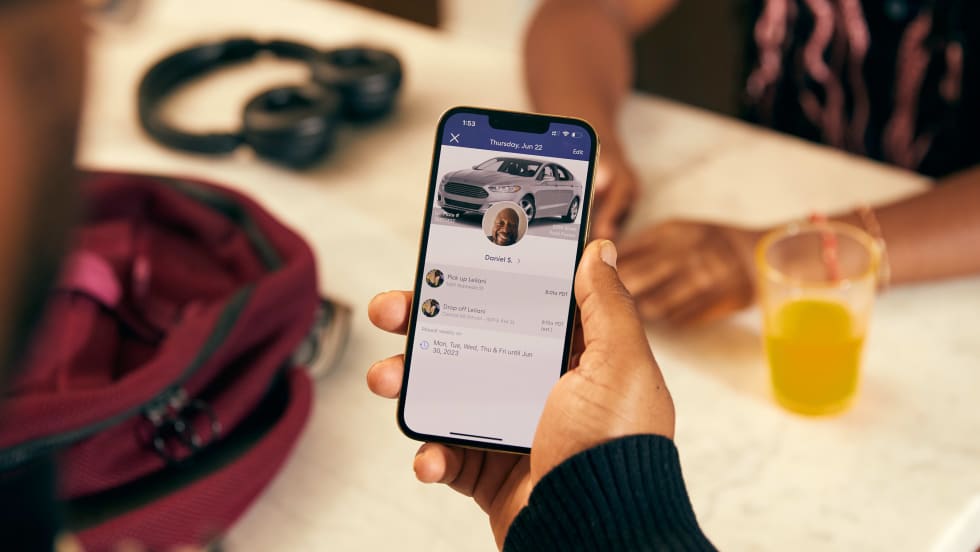
HopSkipDrive Launches New Safety, Driver Consistency Features for 2026-27 School Year
The company’s free ride recording, live ride tracking, and consistent driver assignments aim to improve safety and continuity for diverse student transportation needs.
Read More →
The Most Common Wheelchair Securement Mistakes on School Buses (and How to Fix Them)
Small missteps in wheelchair securement can have serious consequences. Here are 32 tips from experts to reduce risk and increase student safety on the bus.
Read More →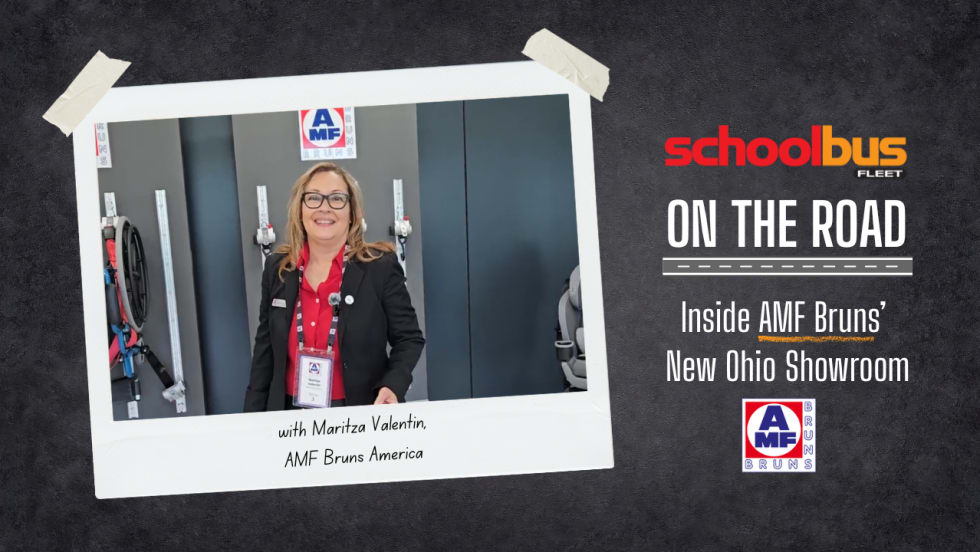
Inside AMF Bruns’ New Showroom: School Bus Securement Solutions Explained
Go inside AMF Bruns America’s new Ohio showroom with Maritza Valentin to see its FutureSafe technology, driver training tools, securement systems, and seating innovations.
Read More →
What AMF Bruns’ New Facility Means for Customers [Video]
Inside AMF Bruns’ new Stow, Ohio, operations: See how expanded space and innovation will enhance customer support and operations.
Read More →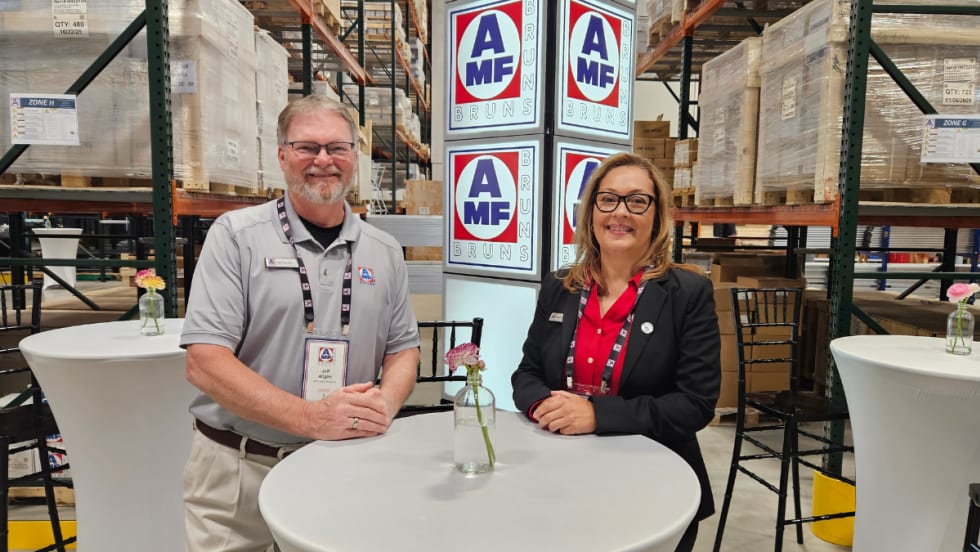
AMF Bruns Expands in Ohio, Investing in Growth and Community
With expanded production space, local investment, and a growing workforce, AMF Bruns is scaling its U.S. presence. Here’s an exclusive first look inside the new Stow, Ohio, HQ.
Read More →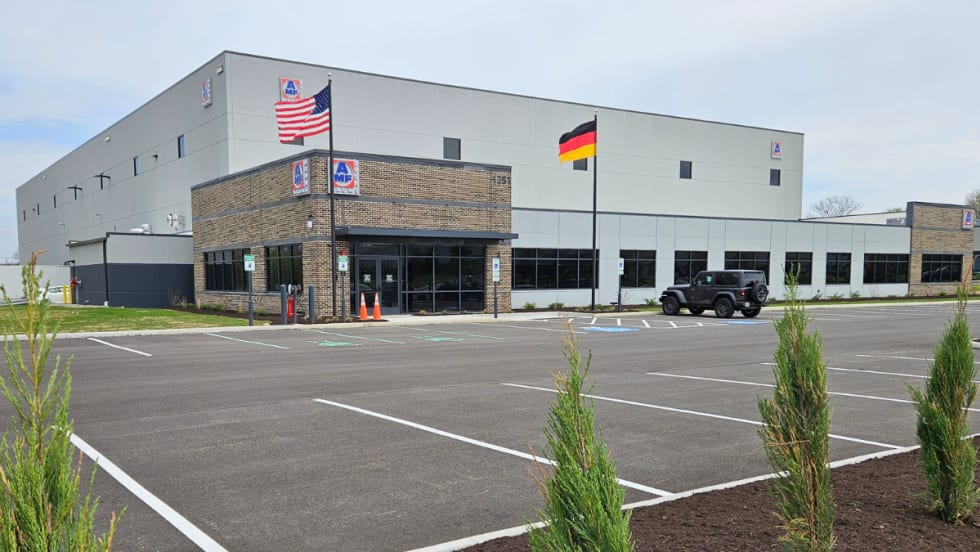
Inside AMF Bruns of America’s New Ohio Manufacturing Facility [Photos]
Take a behind-the-scenes look at AMF Bruns of America’s new 41,000-square-foot Stow, Ohio, headquarters, featuring advanced manufacturing, expanded space, and future-ready mobility solutions.
Read More →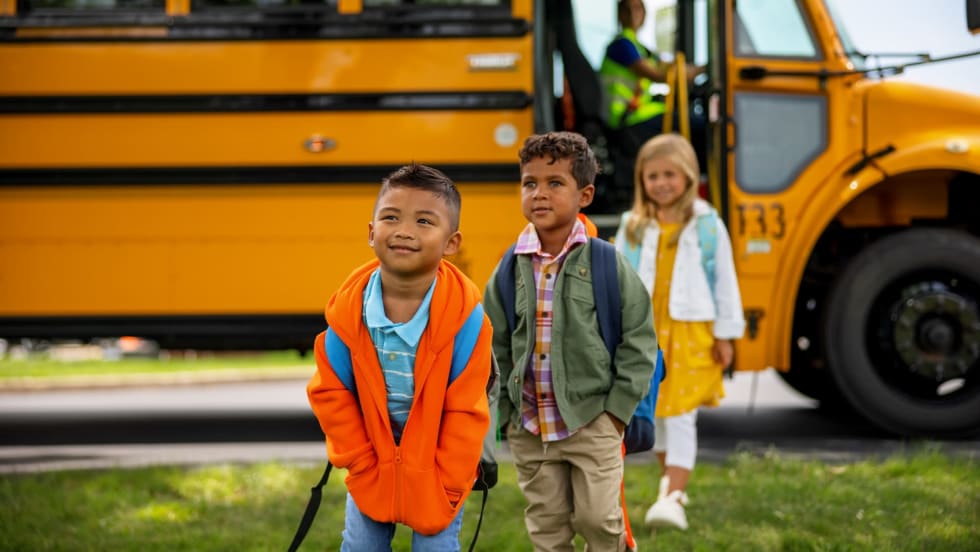
First Student Boosts Student Support in Wichita & Texas
First Student and Wichita Public Schools are using behavioral support strategies to improve student ride experiences, while a separate initiative expands access to after-school programs through a bus donation.
Read More →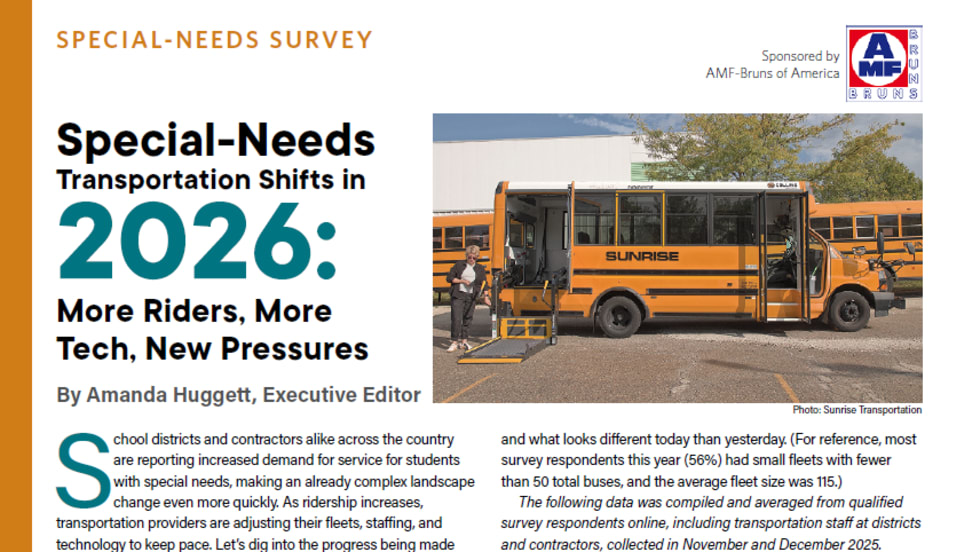
2026 Special-Needs Transportation Survey
What’s changing in special-needs transportation? This year, student transportation operators report a rising need, easing driver shortages, growing tech adoption, and evolving challenges. Sponsored by AMF Bruns of America.
Read More →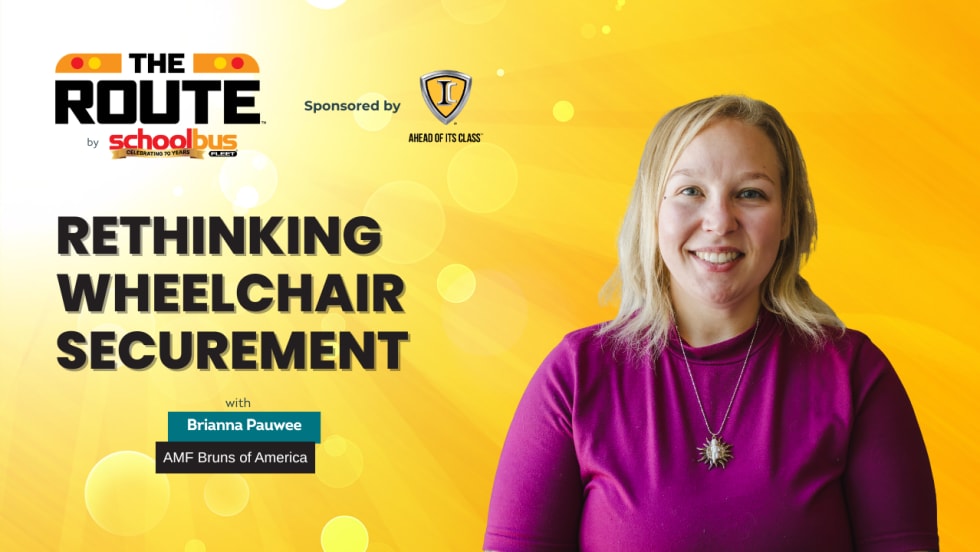
The Lived-Experience Gap in Mobility Tech: An Expert Take on Safe Student Transportation
Brianna Pauwee, a product application specialist at AMF Bruns of America and a wheelchair user, drops in to The Route to share practical securement and training insights, plus the story behind the new “Beyond Mobility” podcast. The Route is sponsored by IC Bus.
Read More →