




Setting the Tone for Driver Instruction
An introduction gives trainers a chance to set the right tone for instruction. Although experienced trainers inevitably develop their own style of ope...

An introduction gives trainers a chance to set the right tone for instruction. Although experienced trainers inevitably develop their own style of opening a class, there are typically several key messages to communicate at the onset of a course, including: • Trainer introductions. Not just “who I am,” but “why this topic is important to me” and “what my credentials are for teaching this course.” • Logistical concerns. At or near the beginning of class, you should provide information on location and use of fire exits, location of rest rooms, smoking access, emergency phone numbers, parking and cell phone policies, medical emergency protocols, etc. • Instructional materials. Trainers should distribute workbooks to each trainee, briefly explaining how workbooks are laid out and how they’ll be utilized. Trainees should bring something to write with to each session. • Clear the deck. During the opening, trainees should be allowed to express any questions or concerns before moving on to the course content. Allowing trainees to briefly introduce themselves can help to break the ice. When trainers, out of nervousness or rigid adherence to the clock, proceed to the main topic before all class concerns have been addressed, the concerns invariably emerge later and may become an unnecessary distraction. Source: "Special-Needs Transportation Training Curriculum," Pupil Transportation Safety Institute, www.ptsi.org.
More Management
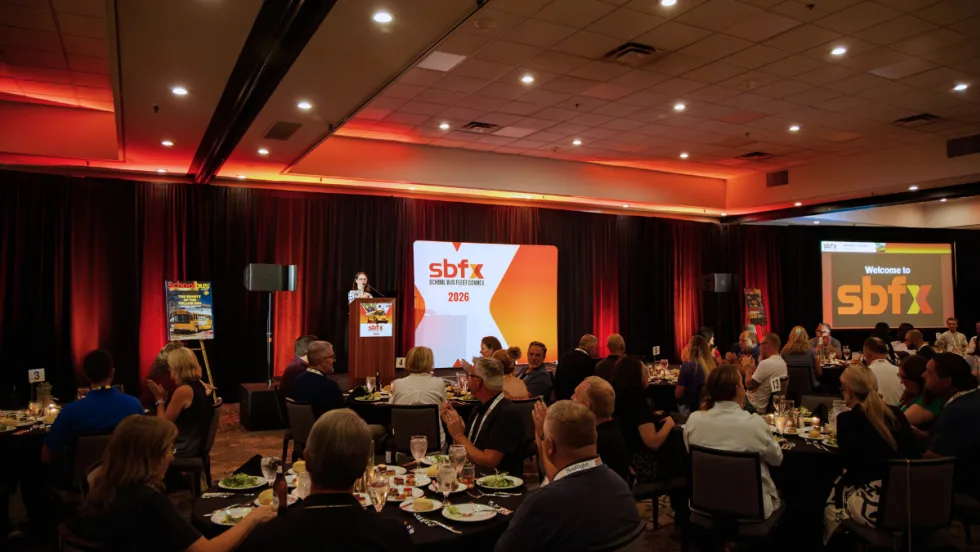
School Transportation’s Biggest Pressures and Opportunities: SBFX Attendees Weigh In
School bus operators point to rising costs, staffing, and vehicle prices as immediate pressures while identifying technology, training, and routing as opportunities for growth.
Read More →
STA Acquires Sunrise Transportation
Student Transportation of America expands in Illinois and Connecticut through Sunrise's fleet of nearly 1,000 vehicles.
Read More →
EPA Opens $180M DERA Funding Round for Diesel Upgrades
The 2026 Diesel Emissions Reduction Act program seeks applications from eligible organizations to accelerate the retirement of legacy diesel vehicles.
Read More →


HopSkipDrive’s CareEngine Targets the ‘Exceptions’ in Student Transportation
The new platform works alongside districts’ existing transportation management systems to coordinate specialized rides, automate last-minute changes, and turn ride data into operational improvements.
Read More →
The Right Ride for Every Student: Navigating the New Student Transportation Ecosystem
How should districts blend school buses with small-vehicle transportation and other options? EverDriven CEO Mitch Bowling discusses safety, costs, partnerships, and strategy.
Read More →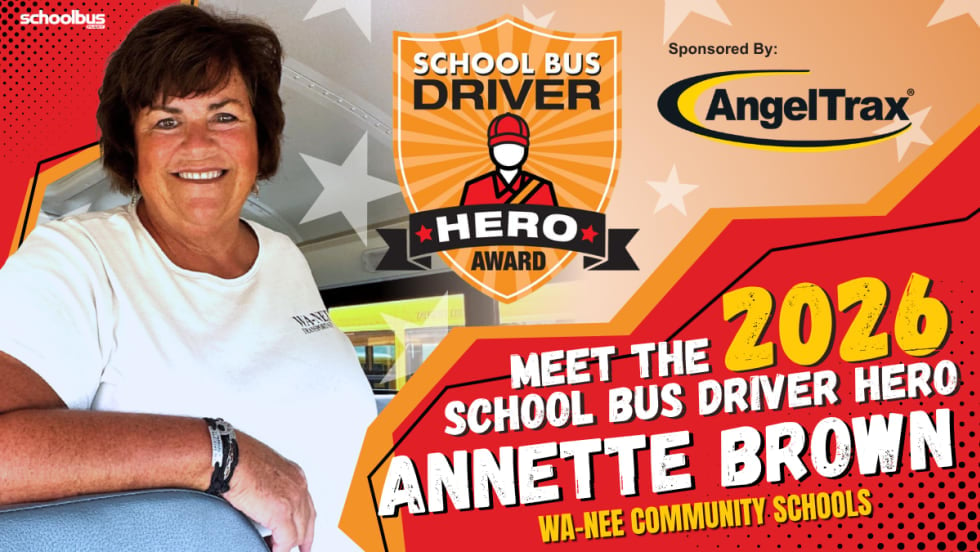
Annette Brown Always Takes the Extra Time: Meet Our 2026 School Bus Driver Hero
For more than 30 years, the Wa-Nee Community Schools driver has treated students like family, combining safety, compassion, and servant leadership to make a lasting difference on and beyond the school bus.
Read More →
How to Build a Better Driver Training Program
Ready to boost up your school bus instructor training? Here’s how to pick the right talent and improve recruitment, retention, and safety.
Read More →
CALSTART and Forth Combine to Form Catalyst Mobility
The new name represents a renewed vision for the nonprofit focused on advancing clean, equitable, and affordable transportation solutions that move people and goods.
Read More →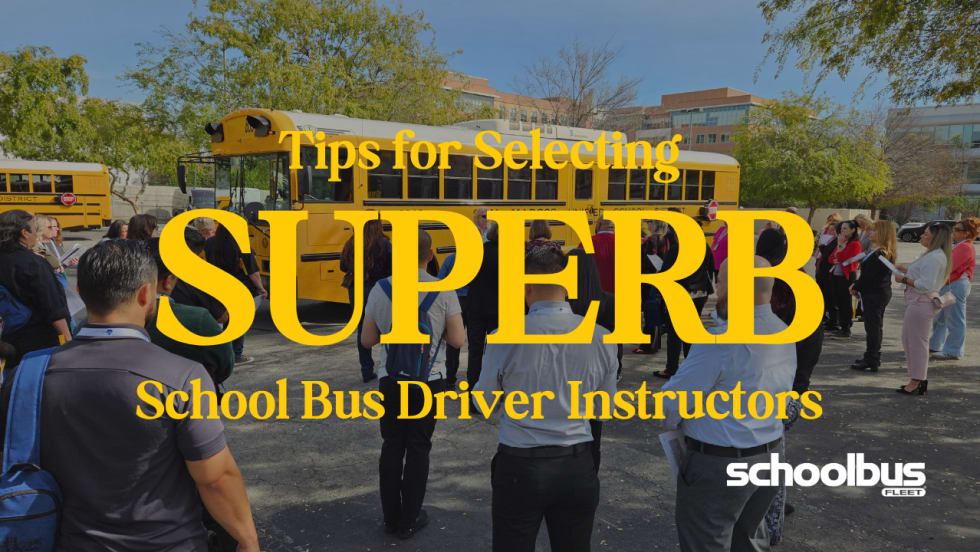
What Makes a Great School Bus Driver Trainer?
Choosing the right school bus driver trainer takes more than experience. Learn six keys to selecting and developing trainers and evaluating program effectiveness.
Read More →
School Bus Contractors Expand Through New Deals, Acquisitions & Partnerships
STA's Canadian division acquires Ontario-based G&L Stevenson Transport; Durham School Services adds a new district in California; First Student expands in New Jersey; and Minnesota Coaches rebrands and acquires Halo Transportation.
Read More →