




Selecting School Bus Brake Systems
School bus operators have a lot to choose from in selecting braking systems and other auxiliary technologies.
School bus operators have a lot to choose from in selecting braking systems and other auxiliary technologies.
In addition to state-of-the-art brake pads, rotors and other parts, brake system monitoring and systems that supplement conventional brakes are also available.
Haldex
The heavy-duty Haldex Tandem air dryer system consists of two tandem desiccant-type air dryers, as well as a condenser and an external governor.
The air dryers remove humidity, dirt particles and oil from the compressed air system, reducing the risks of freezing and corroding the air components. Virtually all oil and other contaminants are separated and purged before entering one of the dryers.
The governor, which operates in conjunction with the discharge mechanism of the air compressor, automatically controls the air pressure in the braking system to maintain a predetermined pressure level. The system purges only when the compressor shuts off, saving air and energy.
The tandem air dryers increase the capacity of the system to 70 cubic feet per minute (cfm), compared to “twin tower” air dryers that only allow supply air to travel through one cartridge at a time.
The tandem design meets or exceeds 2010 cfm capacity standards up to 80 cfm for high-capacity compressors. This design allows the compressor to operate cooler without back pressure and allows the air system in the vehicle to fill quickly and stay at higher air pressure levels for longer periods.
The tandem air dryers have built-in drain ports with tubing to direct fluids away from the operating environment. Desiccant life is expected to last from two to three years between cartridge changes, according to the company.
KLAM America Corp.
KLAM America Corp.’s KLAM electromagnetic brake retarders, installed either in the drivetrain or directly to the face of the differential, create a magnetic field, or a “frictionless braking system.”
Designed to handle 85 percent of the braking of the vehicle, retarders are built with either eight or 16 coils, depending on the application. The copper coils allow for better heat dissipation and lower resistance.
In applications requiring the transportation of people and students, controls can be configured to take the operation of the retarder out of the hands of the driver, allowing him or her to focus on the safety of passengers. Controls offered include the standard four-stage contact box control with a dashmount hand switch, or incorporating the brake pedal into the system function.
In 2004, KLAM America introduced an electronic proportional control system, which allows the operator to change power settings to each of the four stages. Brake pedal control is connected with the use of a pressure transducer. This converts air pressure into an electric signal and can also be programmed to make the brake pedal as aggressive or as soft as the operator prefers. The system is also compatible with ABS systems and operates within the J1939 protocol. In addition, the downhill brake cruise allows a driver to set the speed on a downhill grade.
The system utilizes pulse width modulation, thereby lowering the current draw to the retarder.
MGM Brakes
MGM Brakes’ TR-Series features Heavy Duty (HD) Models that provide additional parking force for applications requiring extra parking capability, such as school buses. TR-LP3TSHD models feature 3-inch long stroke performance capability.
MGM TR 3-Inch Long Stroke Brakes provide extra push rod stroke to compensate for the heat-induced expansion of the brake drum. Standard features include a long-life power spring with increased shut height to reduce coil clash, a heavy-duty embossed 8-gauge steel non-pressure chamber, a Nitrile Rubber center seal with nylon guides to prevent metal-to-metal wear, and MGM’s patented center-hole diaphragm that prevents spring skewing.
The company also offers e-STROKE, which monitors movement of the chamber service pushrod, indicating if a brake is non-functioning, over-stroking or dragging, so that maintenance can be completed before the issue becomes more problematic and costly. The system also prevents brake imbalance by monitoring brake function and lining wear.
MGM Brakes’ e-STROKE System uses industry standard SAE 1708 and 1939 codes to identify and report maintenance issues.
The system’s digital capabilities also allow communication with other on-board computer systems and maintenance software used to monitor engine, transmission and other vehicle systems.
Performance Friction Corp.
Performance Friction Corp.’s new line of medium-duty retrofit discs features a patent pending isolated ABS ring to improve ABS signal strength. The disc features an isolated tone ring for reduced heat transfer, protective plating to prevent corrosion and a precision-machined alloy ring.
The isolated ABS ring avoids inconsistent tooth sizing and spacing sometimes present in older original equipment rotors. In addition, it prevents ABS signal faults caused by the accelerated corrosion and decreased magnetism brought on by increased temperatures.
In third party GM9540P corrosion testing with high temperature heat soaks, the Performance Friction retrofit disc lasted more than five times longer than the original equipment disc, the company reports.
The company’s Carbon Metallic pad compounds provide cost-per-mile savings as well as optimum stopping power and fade-free performance. The metallic elements in the pad material improve braking. Carbon, for example, provides stability at elevated temperatures, making the pad less likely to deform and deteriorate. Performance Friction pads are made to withstand temperatures ranging between 572 and 1,472 degrees Fahrenheit.
PerformanceX3
PerformanceX3 has developed a one-time, permanent treatment process for brake rotors called Harmonic Balance. According to the company, the process reduces the stresses in metal and realigns the molecules to reduce heat generated in the part. This enables the part to cool faster, reducing fatigue, cracking and warping of treated brake rotors and drums.
The Harmonic Balance treatment was created for use by sanitation, police and fire departments, as well as school bus and transit bus operations. In 2007, PerformanceX3 worked with school districts to test the process for school transportation applications, with particular emphasis on solving problems with tone ring failure for ABS brakes. The company also sent treated brake drums to an independent lab for SAE J2115 testing.
Dimensionally, there is no difference from untreated brake drums and rotors, and the cost per treatment is around $50 to $60, depending on the fleet size, the company reports. PerformanceX3 says schools report extended brake drum life and related cost savings.
Smartbrake
Smartbrake’s modulating guillotine-style exhaust brake is installed directly after the engine turbocharger. Once certain parameters are met, the brake’s guillotine slide will close, creating backpressure within the engine. The backpressure is regulated within the engine with a patented modulating valve.
The Smartbrake acts in partnership with the engine, transmission and drive axles to reduce vehicle momentum and generate retardation, supplementing the conventional brakes during non-emergency braking.
By restricting gas flow from the engine and creating a build-up of back- pressure, the pressure in the cylinder reacts against the compression stroke of the piston as it reaches top dead center position. The reaction acts as a brake on the engine rpm, and the engine retardation is transmitted through to the road wheels. Because little friction is generated, the conventional brakes and tires are saved from excess wear and tear.
Smartbrakes are calibrated to suit individual engine characteristics before installation, and pressures never exceed the design criteria specified by the engine manufacturer.
The system has met several states’ “Minimum School Bus Guidelines for Retarders,” including Colorado and Wyoming, the company reports.
Additional features include fully-automated rapid engine warm-up and the ability to maintain a constant engine temperature in cold conditions, keeping the inside of the bus warm and the windows defrosted.
More Maintenance
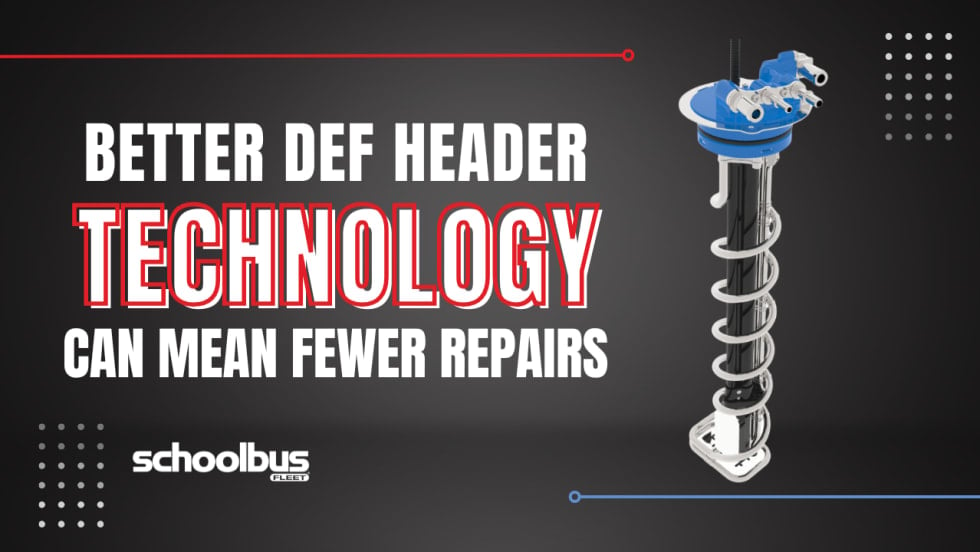
The Evolution of DEF Header Technology: What School Bus Operations Should Know at Replacement Time
See what school bus fleets should consider when replacing DEF headers to improve reliability, reduce repeat repairs, and control maintenance costs.
Read More →
The Essential Guide to School Bus Maintenance and Student Safety
Your district's buses carry students to school every day. This guide shows how predictive maintenance powered by fleet data helps keep buses reliable, drivers accountable and students safer from the first bell to the last stop.
Read More →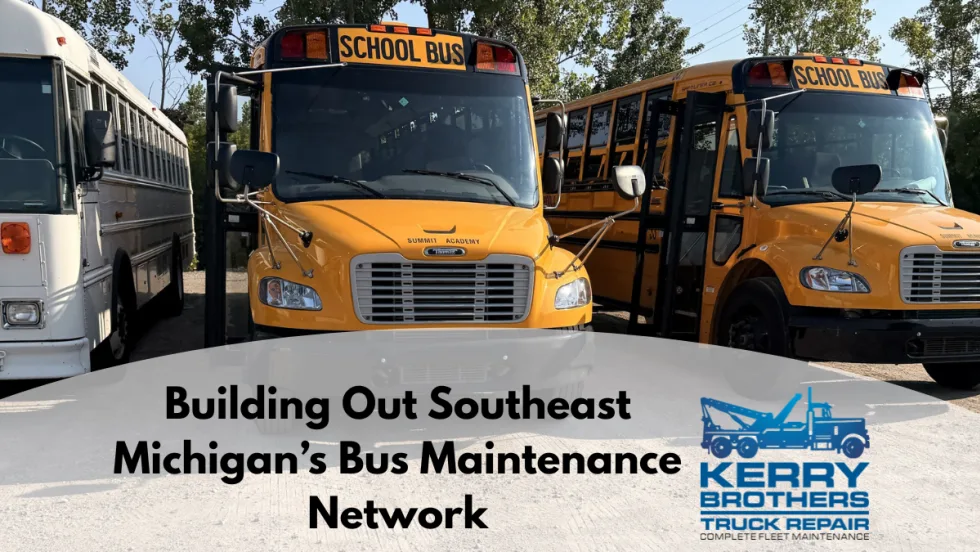
Kerry Brothers Grows Michigan School Bus Repair Network
The acquisition of Downriver Truck and Bus expands Kerry Brothers’ school bus maintenance footprint across southeast Michigan, adding repair capacity, diagnostic resources, and state inspection support.
Read More →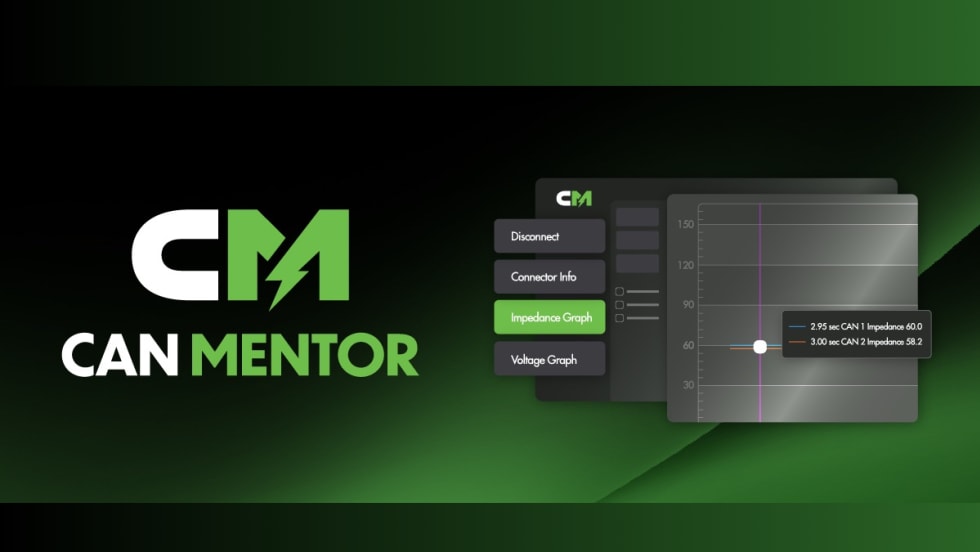
Noregon Introduces CAN Bus Diagnostic Tool, Expands JPRO Features
CAN Mentor and the latest JPRO update aim to simplify vehicle network diagnostics and improve repair efficiency for technicians of all experience levels.
Read More →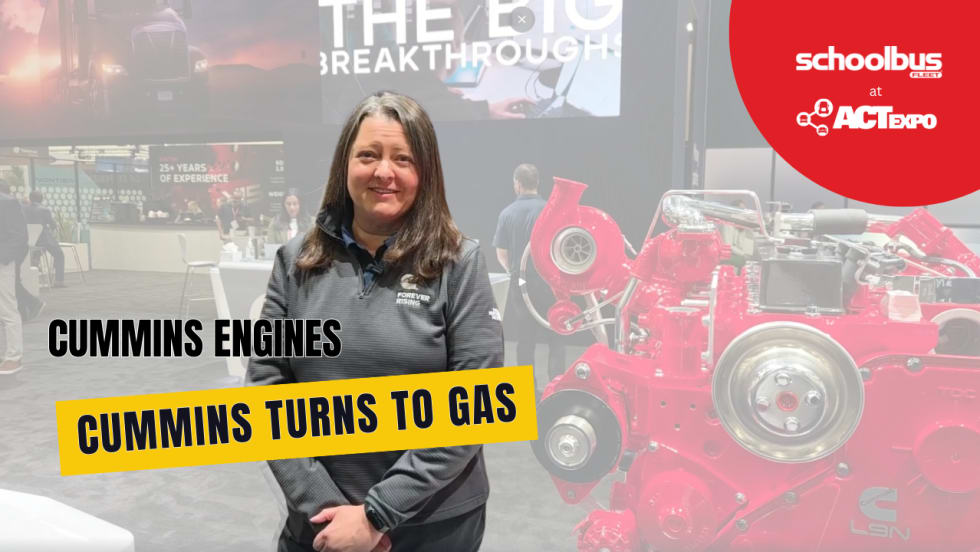
Cummins on Smarter, Simpler Engine Innovation
Cummins discusses its first-ever gasoline engine for school buses, EPA 2027, and why bus fleets still want durable, simpler internal combustion options.
Read More →
Report: 72% of Diesel School Buses Now Use Advanced Low-Emission Engines
New data shows advanced low-emission diesel technology continues expanding across school bus fleets, even as electric bus adoption gains momentum.
Read More →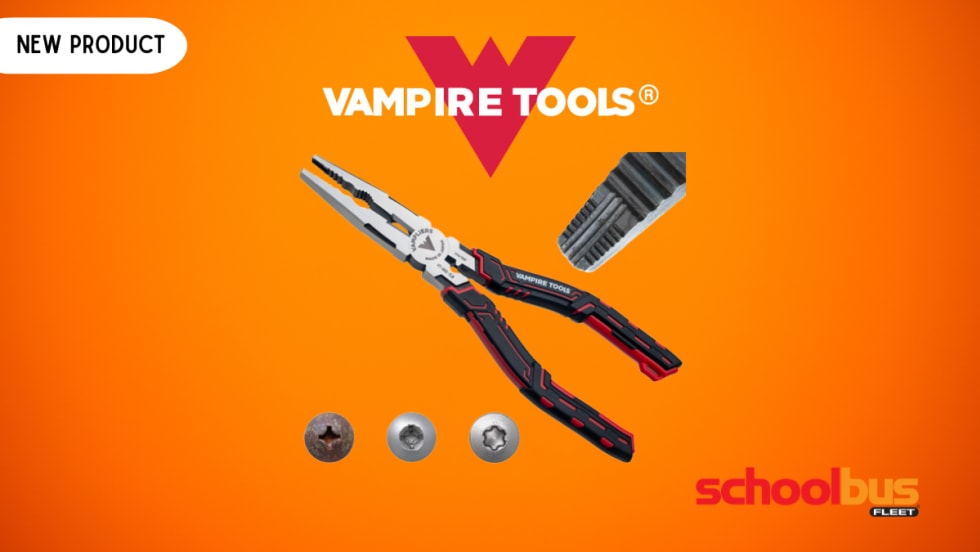
Vampire Tools' CAIMAN 7.5-Inch Multi-Purpose Screw Extractor Long-Nose Pliers with Crimper
Vampire Tools introduced the VAMPLIERS Caiman 7.5-inch multi-purpose pliers, combining screw extraction, cutting, crimping, and gripping functions into a single tool designed for fleet maintenance professionals.
Read More →
How Advanced Diagnostics Helps Bus Fleets Stay Ahead of Repairs
Chat with Noregon’s Kevin Smallhorn at ACT Expo about bus diagnostic tools, telematics integration, CNG maintenance support, and strategies to help reduce downtime and improve uptime.
Read More →
How School Bus Fleets are Getting Ahead of Breakdowns
Don’t let bus downtime wear you down. Here’s how bus operators are shifting from manual processes to AI-powered, data-driven maintenance systems for improved reliability and safety.
Read More →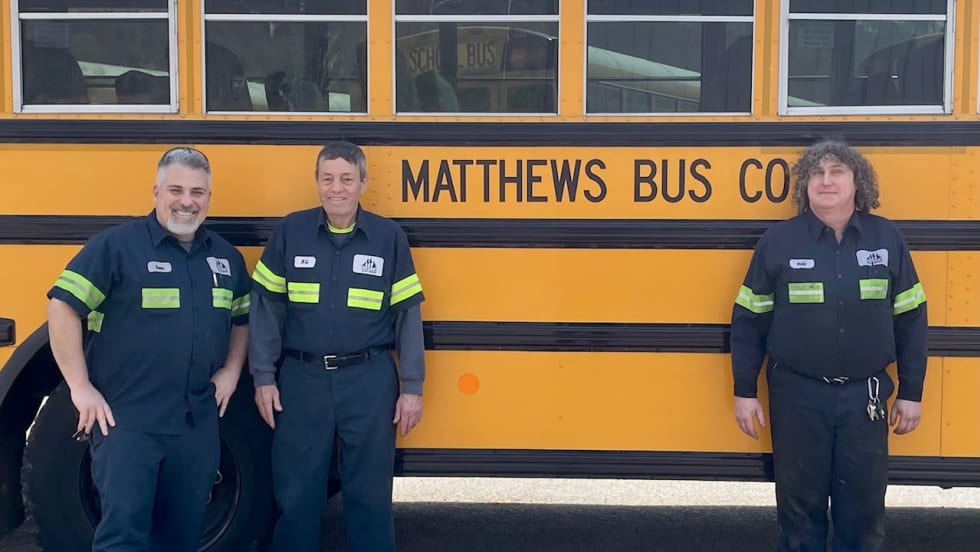
Pennsylvania School Bus Maintenance Team Praised for Dedication to Safety
Matthews Bus Company’s West Jefferson received a letter of commendation from the Pennsylvania State Police for their fleet inspections.
Read More →