



Proper Preparation, Prevents Poor Performance
Help to reduce road calls this winter with proper hose maintenance. As fall turns to winter and temperatures drop, hoses can become brittle, crack or...
Help to reduce road calls this winter with proper hose maintenance. As fall turns to winter and temperatures drop, hoses can become brittle, crack or bulge. What I am alluding to, when the temperature of the hose and coolant changes, the hose will expand and contract. It is especially susceptible to cooler ambient temperatures, as the cooler ambient air will keep the hose from being pliable it can create a leak.This is due in part to unseen cracks developing from the inside. A regular visual inspection is necessary, especially if the hoses haven’t been changed after three years. Your inspection should include feeling the hose to check for cracks and brittle or soft spots that can lead to bulging. If you see cracks on the outside of the hose or feel a soft spot, push your finger into it. As any questionable hose should be replaced, if your finger indents the hose material easily, replace the hose. If your replacing a hose, what about types of hose material? One way to avoid hose problems is use silicone hoses. Sure silicone hoses are more expensive, but if your looking to cut down on road calls then this is a good choice, plus they are guaranteed for the life of the bus and offer resistance to temperatures as low as -60F. Standard hoses are only reliable to -40F and can become stiff or brittle at low temperatures.
How about the Hose Clamp, and where do you place it?
This is an important part of installation to prevent failures. The clamp should be placed just behind the retaining ridge of the connector. -Placing the clamp in the correct location prevents coolant from entering the area between the clamping surface of the hose and the connector. If coolant is allowed to enter this area (due to the clamp being placed too far away from the retaining ridge) the coolant will turn acidic because it is not circulating. This will deteriorate the hose from the inside without anyone knowing, and the result, a service call at the most inopportune time.Next, how tight is tight enough? Don’t tighten the clamp until the hose material squeezes through the clamp slits. Tightening the clamp too much can cut the hose at the edges of the clamp. Tighten only enough for the clamp band to just indent the hose material. If the hose leaks chances are the surface of the connector is not clean.As they say, “an ounce of prevention is worth a pound of cure”. If your not already doing so, have your technicians inspect hoses during routine maintenance. Preventing a road call is a ton of cure!
More Maintenance

Noregon Introduces CAN Bus Diagnostic Tool, Expands JPRO Features
CAN Mentor and the latest JPRO update aim to simplify vehicle network diagnostics and improve repair efficiency for technicians of all experience levels.
Read More →
Cummins on Smarter, Simpler Engine Innovation
Cummins discusses its first-ever gasoline engine for school buses, EPA 2027, and why bus fleets still want durable, simpler internal combustion options.
Read More →
Report: 72% of Diesel School Buses Now Use Advanced Low-Emission Engines
New data shows advanced low-emission diesel technology continues expanding across school bus fleets, even as electric bus adoption gains momentum.
Read More →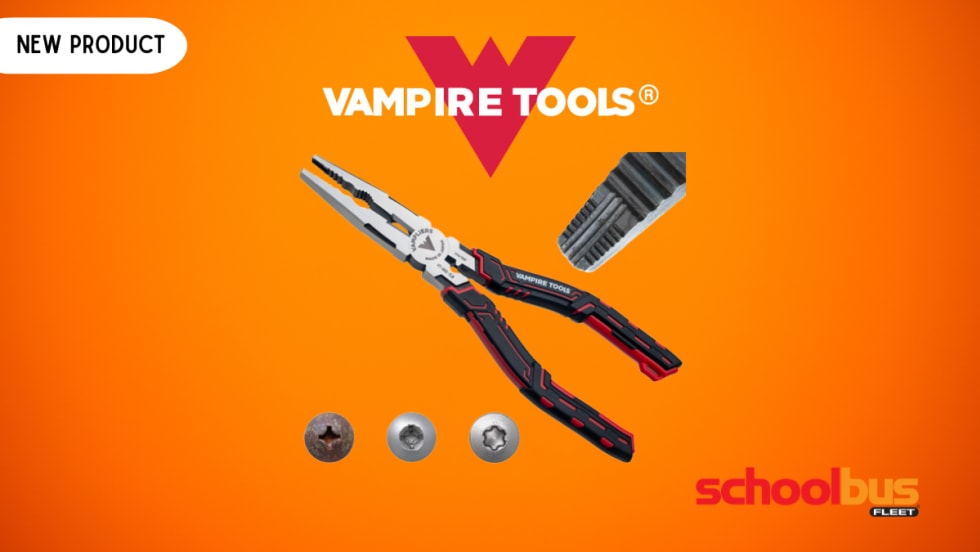
Vampire Tools' CAIMAN 7.5-Inch Multi-Purpose Screw Extractor Long-Nose Pliers with Crimper
Vampire Tools introduced the VAMPLIERS Caiman 7.5-inch multi-purpose pliers, combining screw extraction, cutting, crimping, and gripping functions into a single tool designed for fleet maintenance professionals.
Read More →
How Advanced Diagnostics Helps Bus Fleets Stay Ahead of Repairs
Chat with Noregon’s Kevin Smallhorn at ACT Expo about bus diagnostic tools, telematics integration, CNG maintenance support, and strategies to help reduce downtime and improve uptime.
Read More →
How School Bus Fleets are Getting Ahead of Breakdowns
Don’t let bus downtime wear you down. Here’s how bus operators are shifting from manual processes to AI-powered, data-driven maintenance systems for improved reliability and safety.
Read More →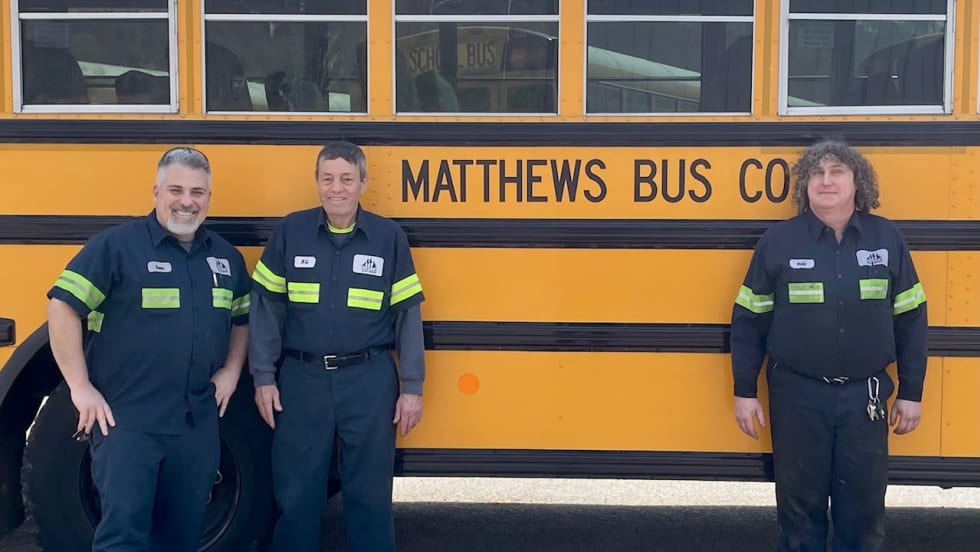
Pennsylvania School Bus Maintenance Team Praised for Dedication to Safety
Matthews Bus Company’s West Jefferson received a letter of commendation from the Pennsylvania State Police for their fleet inspections.
Read More →
From Chaos to Clarity: How School Districts Are Running Leaner Transportation Operations
Covering 38 routes on a Friday afternoon. Buses idling while routes overlap. Parents calling nonstop about late arrivals. Sound familiar? This whitepaper explores how district transportation leaders solved these exact problems — and what measurable results followed.
Read More →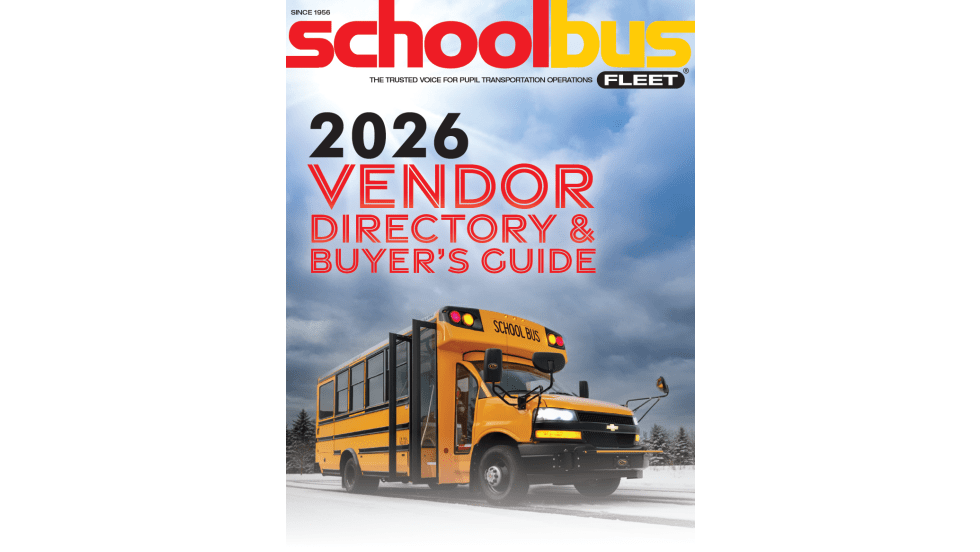
2026 School Bus Fleet Vendor Directory & Buyer's Guide
Searching for the right equipment, technology, or services for your school transportation program? This industry guide brings together manufacturers and suppliers across the entire school bus market, all in one place. Download it to find the partners who can help move your operation forward.
Read More →
2026 School Bus Maintenance Survey
What top challenges are school bus maintenance teams facing in 2026? Explore new trends from School Bus Fleet’s annual maintenance survey covering fleet composition and age, fuel types, used vs. new purchasing patterns, technician pay and certifications, and the impact of the driver shortage. Survey sponsor: Dayton Parts.
Read More →