




Home-based training offers several benefits
Over the years, school bus manufacturers and vendors have developed classes that help technicians understand the latest body, chassis and engine enhancements. But the challenge lies in getting these busy technicians to a facility for training. From this obstacle arose the solution of home-based training, a less expensive and more convenient option.
Technological improvements to school buses are a double-edged sword — they improve the efficiency, performance and safety of the vehicles, but they also require that technicians update their knowledge base regularly to stay in step. Over the years, school bus manufacturers and vendors have developed classes that help technicians understand the latest body, chassis and engine enhancements. But the challenge lies in getting these busy technicians to a facility for training. From this obstacle arose the solution of home-based training, a less expensive and more convenient option.
A beneficial alternative
Through home-based training programs, technicians can attend school in the comfort of their own home or shop, eliminating non-productive travel time. This training option has been very popular among the approximately 30,000 technicians employed by school districts, private businesses and truck/automobile repair shops. While these courses are not a substitute for certification through the National Institute for Automotive Service Excellence (ASE), they are excellent instruments to help technicians understand the components that keep their buses running smoothly. Home-based training programs were developed so technicians could study at their own pace, giving them the opportunity to grasp concepts and absorb details that might not be covered during traditional hands-on training. An added benefit of these programs is that they can be shared with everyone in the shop during downtime. Another dividend — these home-based study courses can help to prepare technicians to pass ASE’s school bus technician certification exams.
Popularity is growing
Through the years, the home-study option has grown in popularity. Each year, more than 5,000 technicians in the truck and bus industry take International’s home-based training tests. Upon successful completion of a test, technicians receive a certificate from the manufacturer or vendor offering the course, verifying their competency and underscoring their commitment to school bus safety.
What's available
International Truck and Engine Corp. offers several home-based programs, which cover the various features of an International® body and chassis. The programs range in price from $10 to $80, depending on the components included in the kit, such as workbooks or videos. The following home-based programs can be ordered by calling International Truck and Engine at (616) 968-4856. Information is also available through International’s Website at www.InternationalDelivers.com. Please refer to the TMT number when ordering the home-based training programs.
School Bus Hydraulic Brakes (TMT 5012)
International® 530E/DT466E School Bus Customer/Fleet Program (TMT 5003)
International T444E, School Bus Customer Home Study (TMT 5001)
Diamond Logic™ School Bus Engine Training (TMT 5014)
Diamond Life™ Brake System with Bosch Pin Slide Disc (TMT 5016)
Bendix Air Antilock Braking System for International Buses (TMT 5020)
EZ-Tech™ Electronic Tool Computer-Based Training (TMT 5025)
Engine Service Tips (TMT 5011)
Self-Study Components for Bus (TMT 3349FC)
Preventive Maintenance (TMT 5005)
APADS Air Conditioning Protection and Diagnostic Procedures (TMT 5013)
More Maintenance
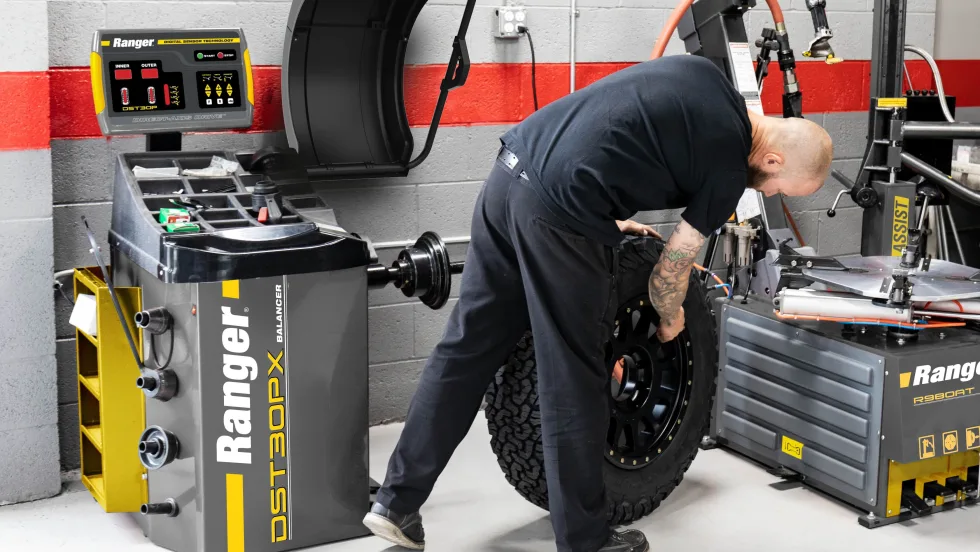
BendPak Launches Ranger DST30PX Wheel Balancer
BendPak's new wheel balancer handles tires up to 43 inches in diameter, with a reinforced design, precise weight placement, and faster service cycles.
Read More →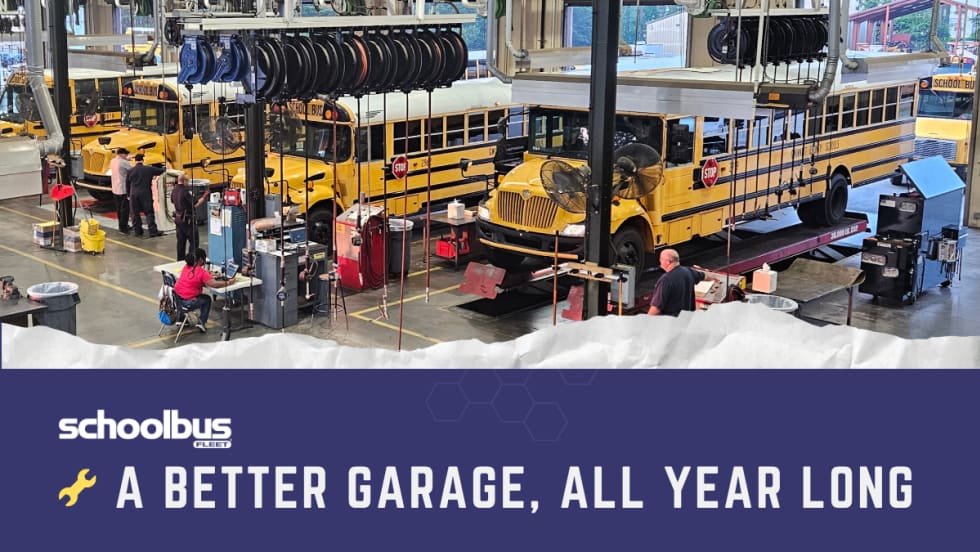
Tips for Ensuring School Bus Garages Are Safe and Warm Year-Round
Cold maintenance bays and rising heating costs? Learn how school bus garages can improve comfort with targeted heating, better airflow, and winter preparation.
Read More →
ASE Highlights School Bus Technician Certification Requirements
ASE is encouraging school bus maintenance professionals to maintain their certifications, highlighting seven specialized tests and five-year renewal requirements.
Read More →
International Adds E-Commerce Capabilities to Fleetrite.com
IC Bus customers can now browse, buy, and track shipments for more than 400,000 aftermarket parts online.
Read More →
The Most Expensive Thing You Do Before Selling a School Bus: Wait
When should you sell an aging school bus? Learn how maintenance, mileage, corrosion, specifications, and timing can affect resale value long before the auction.
Read More →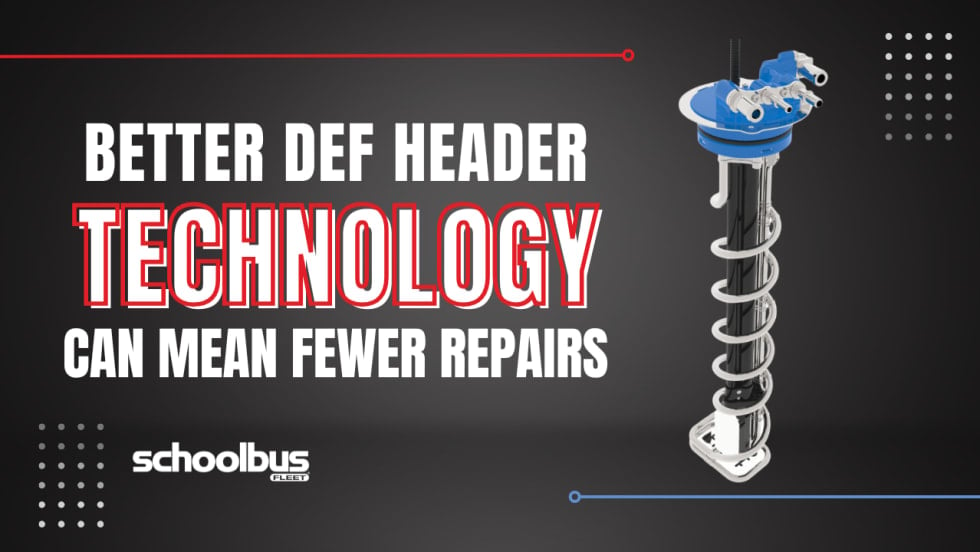
The Evolution of DEF Header Technology: What School Bus Operations Should Know at Replacement Time
See what school bus fleets should consider when replacing DEF headers to improve reliability, reduce repeat repairs, and control maintenance costs.
Read More →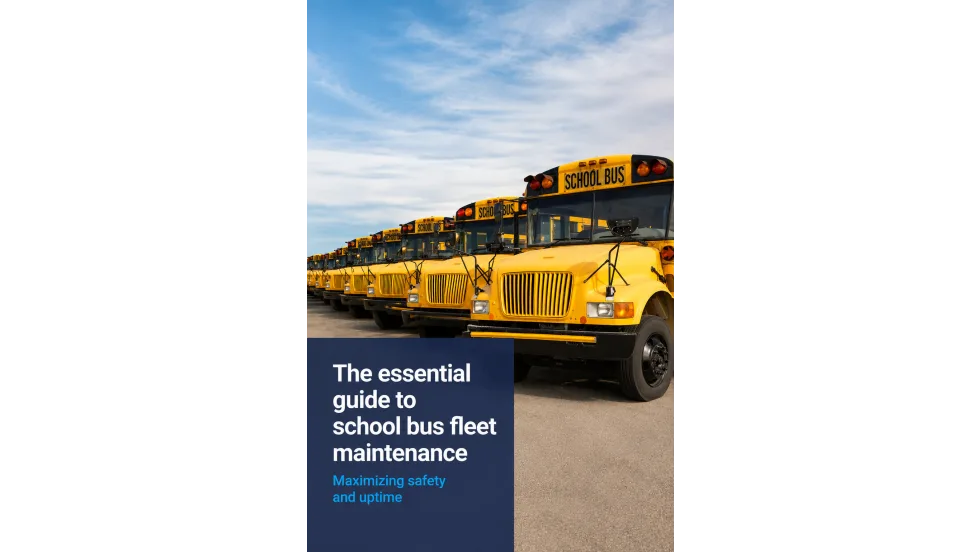
The Essential Guide to School Bus Maintenance and Student Safety
Your district's buses carry students to school every day. This guide shows how predictive maintenance powered by fleet data helps keep buses reliable, drivers accountable and students safer from the first bell to the last stop.
Read More →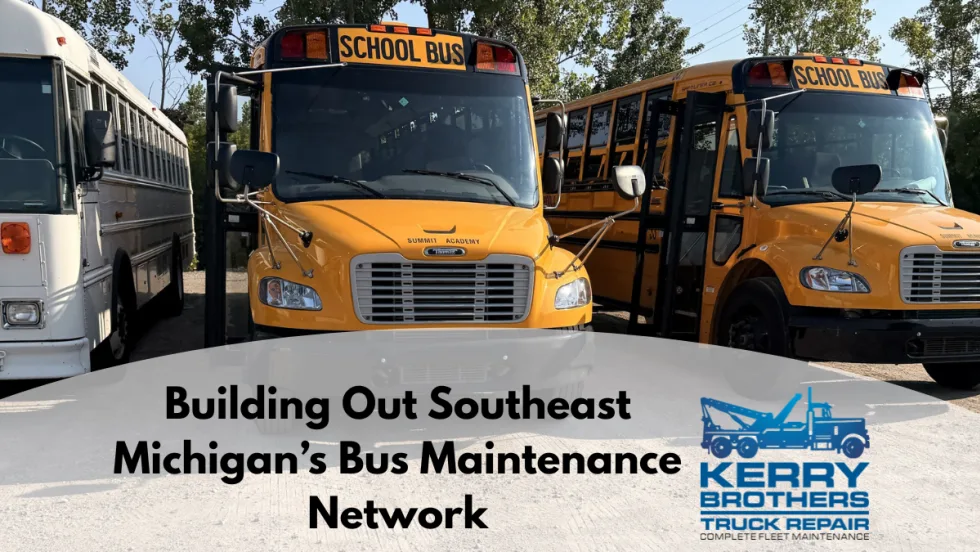
Kerry Brothers Grows Michigan School Bus Repair Network
The acquisition of Downriver Truck and Bus expands Kerry Brothers’ school bus maintenance footprint across southeast Michigan, adding repair capacity, diagnostic resources, and state inspection support.
Read More →
Noregon Introduces CAN Bus Diagnostic Tool, Expands JPRO Features
CAN Mentor and the latest JPRO update aim to simplify vehicle network diagnostics and improve repair efficiency for technicians of all experience levels.
Read More →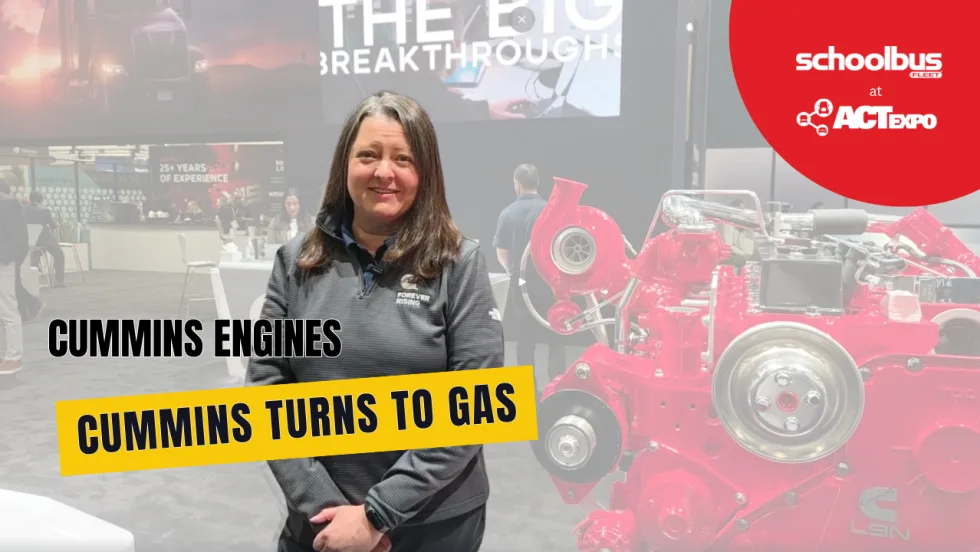
Cummins on Smarter, Simpler Engine Innovation
Cummins discusses its first-ever gasoline engine for school buses, EPA 2027, and why bus fleets still want durable, simpler internal combustion options.
Read More →