




Don't miss this hot spot
You’ll note that most of this issue is devoted to the bus garage, which makes sense since this is our maintenance issue. In pupil transportation, however, maintenance isn’t simply about engines, wrenches and oil-change intervals; it’s about safety.
You’ll note that most of this issue is devoted to the bus garage, which makes sense since this is our maintenance issue. In pupil transportation, however, maintenance isn’t simply about engines, wrenches and oil-change intervals; it’s about safety. Everything that goes on in the garage should be focused on maximizing the chances that schoolchildren will be transported safely every day.
So, let’s consider this our maintenance/safety issue. Which brings me to a maintenance concern that is particularly urgent in the wake of a recent report by federal safety investigators. On Feb. 21, the National Transportation Safety Board (NTSB) found that “insufficient lubrication” of a rear wheel bearing assembly was the principal cause of a fatal motorcoach fire on Sept. 23, 2005.
The coach, operated by Global Limo of Pharr, Texas, was helping to evacuate 44 assisted-living facility residents and nursing staff from Bellaire, Texas, to Dallas as Hurricane Rita approached. As the coach neared Wilmer, Texas, a motorist signaled the driver that the bus’ right rear tire hub was glowing red. The driver stopped the coach and began to evacuate the passengers. Before all of the passengers could be removed, the bus interior filled with smoke and fire, causing the deaths of 23 people.
Unnecessary losses
This catastrophe could have been avoided. According to NTSB investigators, Global Limo had no maintenance program in place, setting up a situation in which a wheel bearing unit lost its lubrication and caused a fatal fire.
How is that possible? How could a coach company that’s responsible for the lives of its customers not have a vehicle maintenance program? Not have any maintenance records of any sort? Not require its drivers to perform pre- and post-trip inspections? These are questions that judges and juries will likely sort through in the coming months and years. The point for school bus operators is that they should never get complacent about their maintenance programs. The apparent maintenance shortcomings of Global Limo become obvious when circumstances cram so much tragedy into a single incident.
But how long can you go before your luck begins to catch up with you? Quite a long way, actually. You shouldn’t assume that hundreds of thousands or even millions of miles of safe travel is an indication that you’ve got a top-notch garage operation. It could just mean that you’re lucky.
When your luck runs out
Maybe Global Limo was lucky too — until that horrific day in 2005. You shouldn’t rely on luck. If your maintenance program is not as good as you can possibly make it, take the steps to make it better. Here are a few not-so-novel ideas for improvement, some of which I’ve gleaned from our annual Top 10 Maintenance Programs articles:
Emphasize training. It’s hard to take time to sharpen the saw when there are so many trees to be cut down, but it pays dividends in the long run. Send your technicians to local, regional or state training workshops.
Get organized. An effective garage finds ways to maximize its resources through job tracking and analysis of repair work.
Talk it out. Good communication, up and down the org chart, is essential. Make sure everyone is free to share their concerns and suggest improvements.
Get your bearings. Per the NTSB, emphasize the importance of wheel-bearing lubrication, specifically stressing that daily inspection of hub oil levels and wheel seals is vital.
More Maintenance
International Adds E-Commerce Capabilities to Fleetrite.com
IC Bus customers can now browse, buy, and track shipments for more than 400,000 aftermarket parts online.
Read More →
The Most Expensive Thing You Do Before Selling a School Bus: Wait
When should you sell an aging school bus? Learn how maintenance, mileage, corrosion, specifications, and timing can affect resale value long before the auction.
Read More →
The essential guide to school bus maintenance and student safety
Reactive maintenance puts students at risk of breakdowns, delays and roadside emergencies. This guide gives transportation directors a data-driven framework to predict failures, extend bus lifespans and improve fleet reliability across every route.
Read More →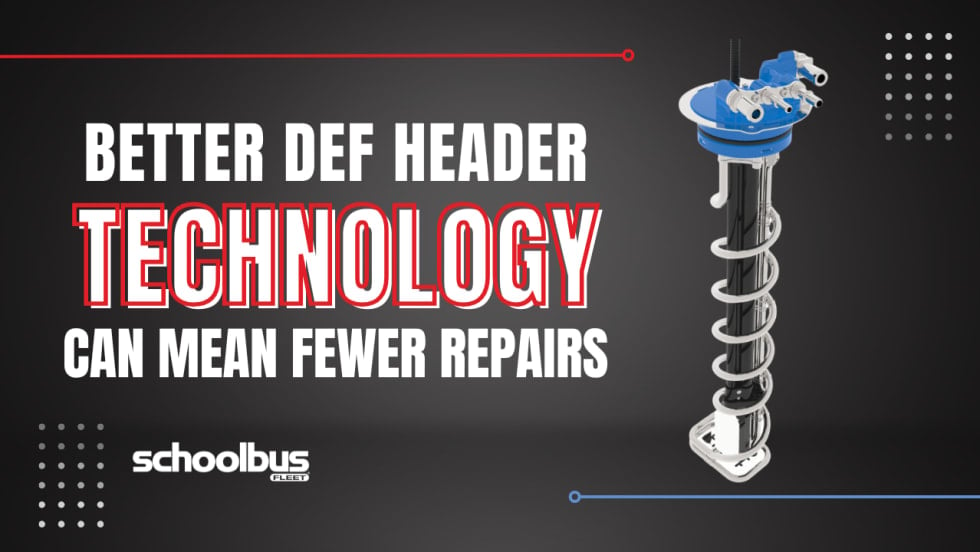
The Evolution of DEF Header Technology: What School Bus Operations Should Know at Replacement Time
See what school bus fleets should consider when replacing DEF headers to improve reliability, reduce repeat repairs, and control maintenance costs.
Read More →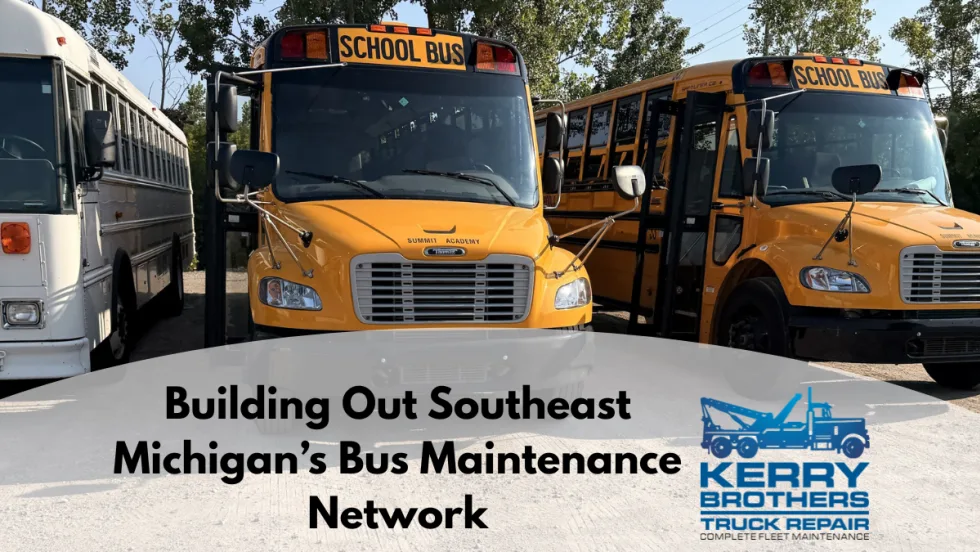
Kerry Brothers Grows Michigan School Bus Repair Network
The acquisition of Downriver Truck and Bus expands Kerry Brothers’ school bus maintenance footprint across southeast Michigan, adding repair capacity, diagnostic resources, and state inspection support.
Read More →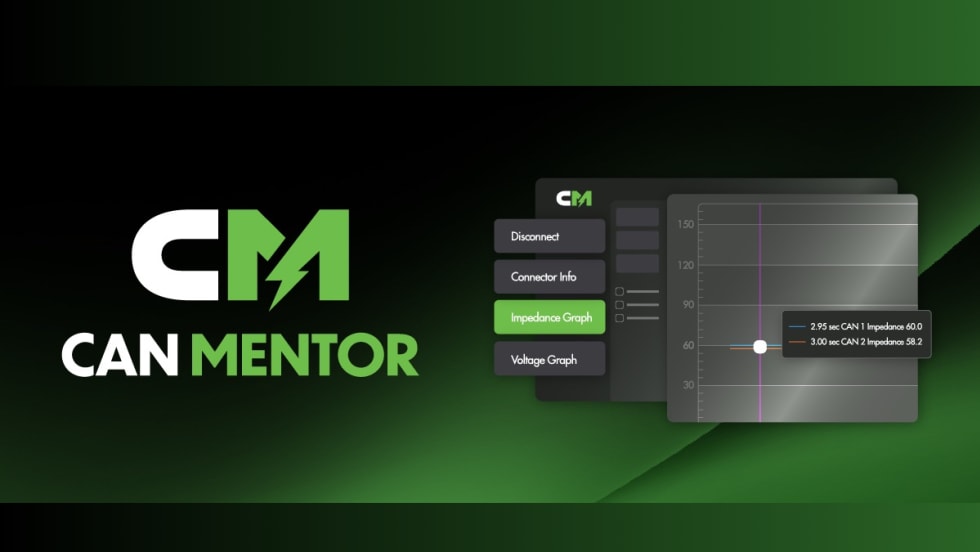
Noregon Introduces CAN Bus Diagnostic Tool, Expands JPRO Features
CAN Mentor and the latest JPRO update aim to simplify vehicle network diagnostics and improve repair efficiency for technicians of all experience levels.
Read More →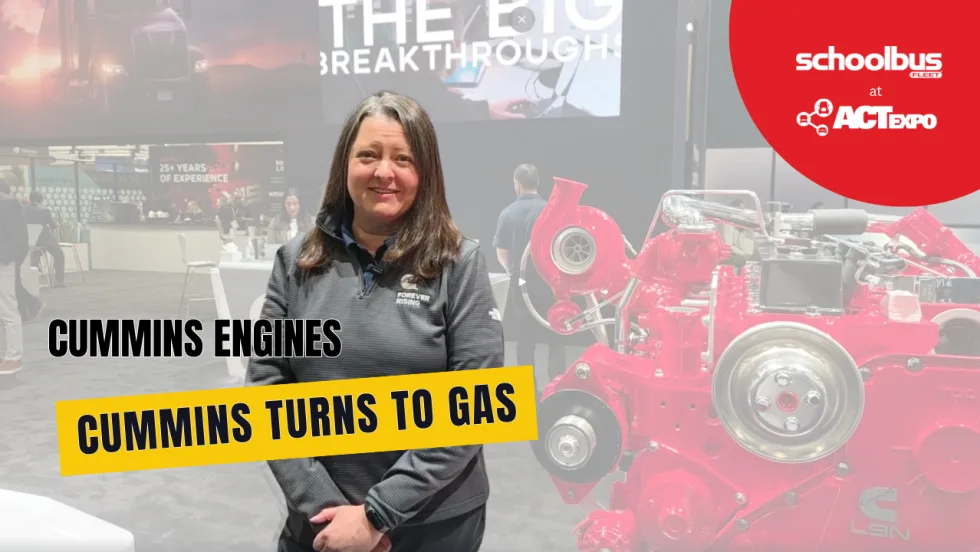
Cummins on Smarter, Simpler Engine Innovation
Cummins discusses its first-ever gasoline engine for school buses, EPA 2027, and why bus fleets still want durable, simpler internal combustion options.
Read More →
Report: 72% of Diesel School Buses Now Use Advanced Low-Emission Engines
New data shows advanced low-emission diesel technology continues expanding across school bus fleets, even as electric bus adoption gains momentum.
Read More →
Vampire Tools' CAIMAN 7.5-Inch Multi-Purpose Screw Extractor Long-Nose Pliers with Crimper
Vampire Tools introduced the VAMPLIERS Caiman 7.5-inch multi-purpose pliers, combining screw extraction, cutting, crimping, and gripping functions into a single tool designed for fleet maintenance professionals.
Read More →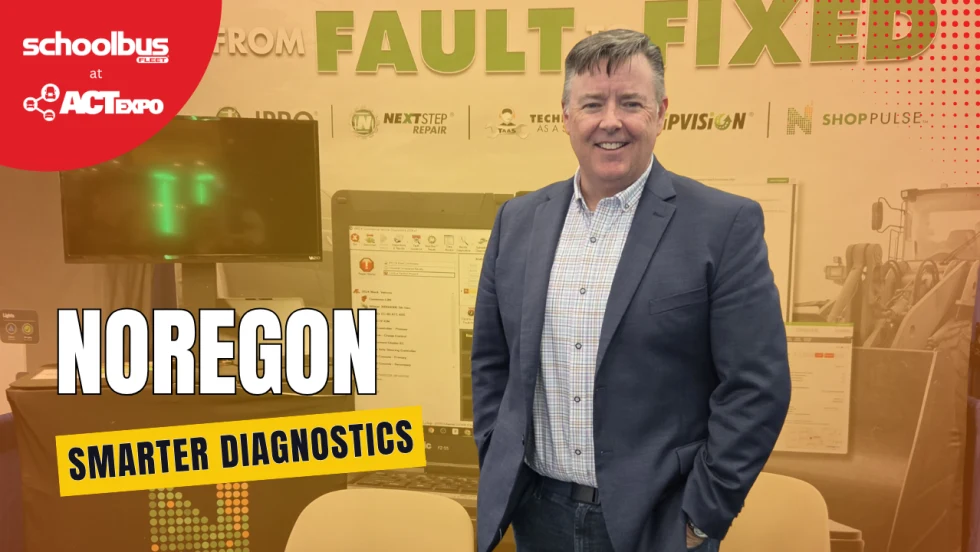
How Advanced Diagnostics Helps Bus Fleets Stay Ahead of Repairs
Chat with Noregon’s Kevin Smallhorn at ACT Expo about bus diagnostic tools, telematics integration, CNG maintenance support, and strategies to help reduce downtime and improve uptime.
Read More →