




Displaced children put strain on bus systems
Many of the hundreds of thousands of evacuees of areas devastated by Hurricane Katrina ended up in Texas, Arkansas and other states, placing additiona...

Many of the hundreds of thousands of evacuees of areas devastated by Hurricane Katrina ended up in Texas, Arkansas and other states, placing additional pressure on school transportation programs. The burdens range from relatively light to heavy.
In Houston, with many evacuees staying in the Astrodome, the George R. Brown Convention Center and elsewhere in the city, Houston Independent School District (HISD) enrolled more than 3,000 children who had been displaced by the storm. The district adjusted bus routes and bell schedules so it could shuttle the new students to schools.
The number of extra passengers wasn’t as large as the transportation department initially thought it would be, but on the busiest day, HISD bused about 800 students from the two major shelters.
Phillip Smith, HISD’s assistant general manager for transportation services, said that resources were stretched to the limit, but other districts loaned HISD about 20 buses to help carry the influx.
“It put everyone to the test to see how organized we could become as quickly as possible to get these students back in the classroom,” Smith said. “They had already been through a traumatic experience, and we didn’t want them coming to Houston and seeing a lot of delays and inefficiencies.”
In Dallas, school officials are modifying their routing system to accommodate an influx of evacuees. In early September, Dallas County Schools was transporting hundreds of students from shelters at Reunion Arena and the Dallas Convention Center to various schools in the Dallas Independent School District, according to Dallas County Schools spokesperson Kimberly Eloe.
Eloe added that Dallas County Schools employees were prepared to help with the evacuation of 25,000 people from Alexandria, La. It turned out, however, that their services were not needed. “But our staff will continue to respond to the transportation needs of those persons located at Dallas shelters,” she said.
At press time, the district was mobilizing 75 buses to aid in the evacuation of 6,000 people from Houston as Hurricane Rita moved into the area.
In San Antonio, the Northside Independent School District is transporting approximately 350 displaced students from two shelters.
“It hasn’t had a big impact,” said Rafael Salazar, transportation director. “We’ve increased by about 10 routes and had to use some sub drivers here and there.”
To ensure that it has enough buses to handle any additional influx of students, the district will hold on to about 20 buses that it had planned to sell. “We’re keeping those in reserve,” Salazar said.
Salazar said the Federal Emergency Management Agency has promised to reimburse the district for the costs associated with the busing of evacuees, many of whom plan to stay in San Antonio. “They’re liking it here,” he said. “Some of them are saying, ‘What do we have to go back to?’”
In Fort Chaffee, Ark., Fort Smith Public School District buses have been transporting about 50 displaced children, initially from a church shelter and, in the past few weeks, from the homes and apartments to which they’ve relocated.
According to Jeff Tomlin, transportation director at Fort Smith, the children have been absorbed into existing routes. Even before the influx of evacuees in early September, however, he noticed that buses are much fuller this year than last.
The high cost of fuel could be the cause of the enhanced ridership. Parents who used to drive their children to school are more inclined to have them ride the bus.
Tomlin views this sudden swell of riders as an opportunity to add two or three routes, something he’s been wanting to do for some time. “If the demand is there, we have an obligation to fulfill it,” he said, adding that he’ll try to add the routes in the next few months.
At the same time, high fuel prices have prompted Tomlin to cut back on activity trips. “We’re looking at changing some things to save on fuel costs,” he said.
In Alabama, early reports also indicate that more children are riding the bus this year, heightening the driver shortage that plagues many areas of the state.
Transportation officials in at least three counties are reporting higher ridership so far this year. “Parents are wanting to save money on the cost of fuel,” Tom Salter, a spokesman for Montgomery County Schools, told the Montgomery Advertiser. “We also have students who evacuated from Hurricane Katrina who are now enrolled in our system and some of those students are riding the bus.”
More Management

The Back-to-School Checklist Every Director Should Complete Before the First Bell
Help your transportation team start the school year strong with these tips for contingency planning, communication, fleet visibility, technology, and trip management.
Read More →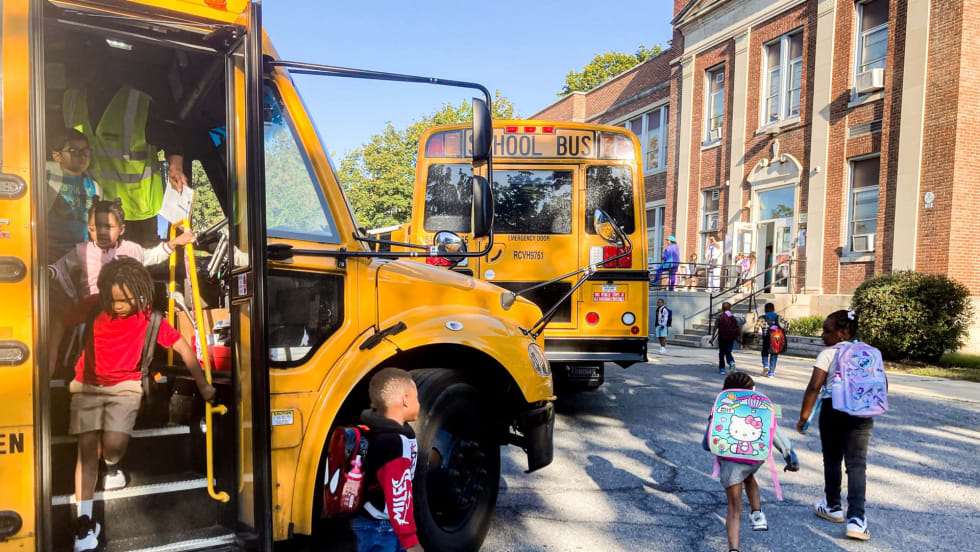
How a New York District Cut Nearly $1M in Transportation Costs While Expanding Bus Access
A data-driven overhaul with BusRight reduced Poughkeepsie City School District's planned routes from 26 to 17 while extending school bus service to about 1,200 additional students.
Read More →
Budgets Down, Enrollment Shifting: What the Data Says Districts Should Watch
School transportation departments face two converging challenges this year: tightening budgets and shifting enrollment. Most districts still address these issues separately, but the assumption that either trend will simplify operations is proving incorrect.
Read More →
These 8 School Transportation Companies Made the 2026 Inc. 5000 List
Find out which school transportation contractors, technology providers, and suppliers ranked among America’s fastest-growing private companies.
Read More →
The Link Between Emotional Intelligence and School Bus Safety
How can emotional intelligence help transportation pros navigate stress, manage change, and build stronger relationships? Listen to find out.
Read More →
What Emotional Intelligence Has to Do With School Bus Safety
In this video, discover how emotional intelligence can help transportation leaders and drivers navigate stress, manage change, and build stronger relationships. The Route is sponsored by IC Bus.
Read More →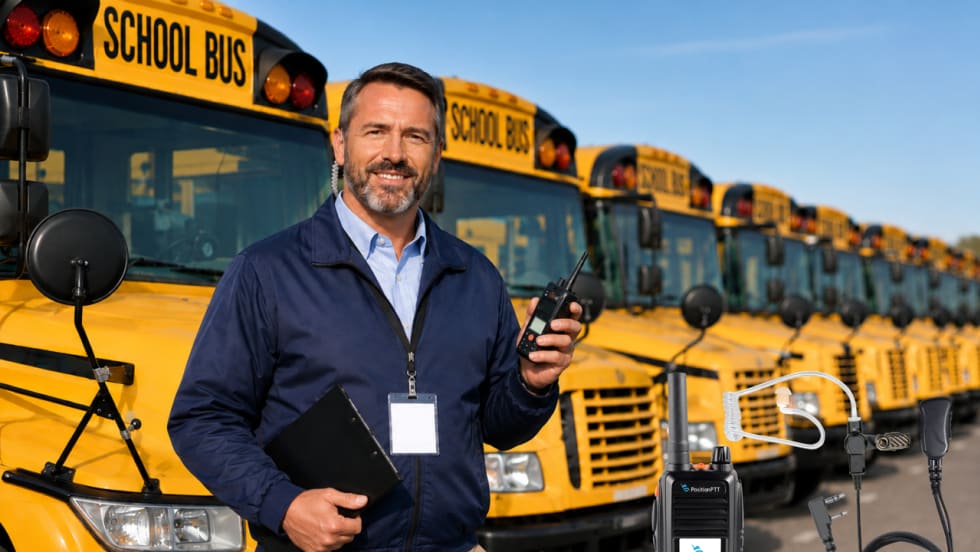
Beyond Two-Way Radios: School Bus Communications Evolve With Push-to-Talk Over Cellular
PRYME Radio and PositionPTT join forces to advance hands-free radio use and reduce distracted driving. See how PoC compares with traditional radios on range, cost, safety, and connectivity.
Read More →
Have School Districts Adapted to Bus Driver Shortages or Simply Accepted Less Service?
According to a recent report from HopSkipDrive, many districts appear to have recalibrated what "normal" transportation service looks like.
Read More →
Reliable Transportation Linked to Better Student Outcomes, New EverDriven Study Finds
See why new research suggests transportation consistency improves student outcomes while influencing attendance, funding, IEP compliance, and family trust.
Read More →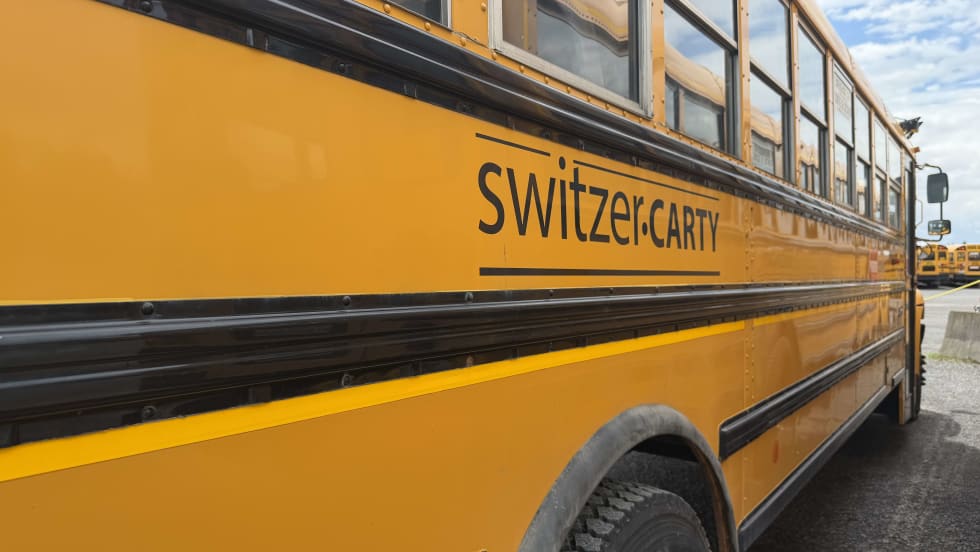
Switzer-CARTY Enters the U.S. with New Acquisition
The Canadian contractor’s acquisition of Minnesota-based Agnes Corporation marks its first cross-border expansion into the United States and adds 350 vehicles.
Read More →